
 Wyślij
 Udostępnij
 Szczegóły
 Przewodnik

 Pobierz plik obrazu
 Podobne obiekty
 Pokaz slajdów
 Statystyki
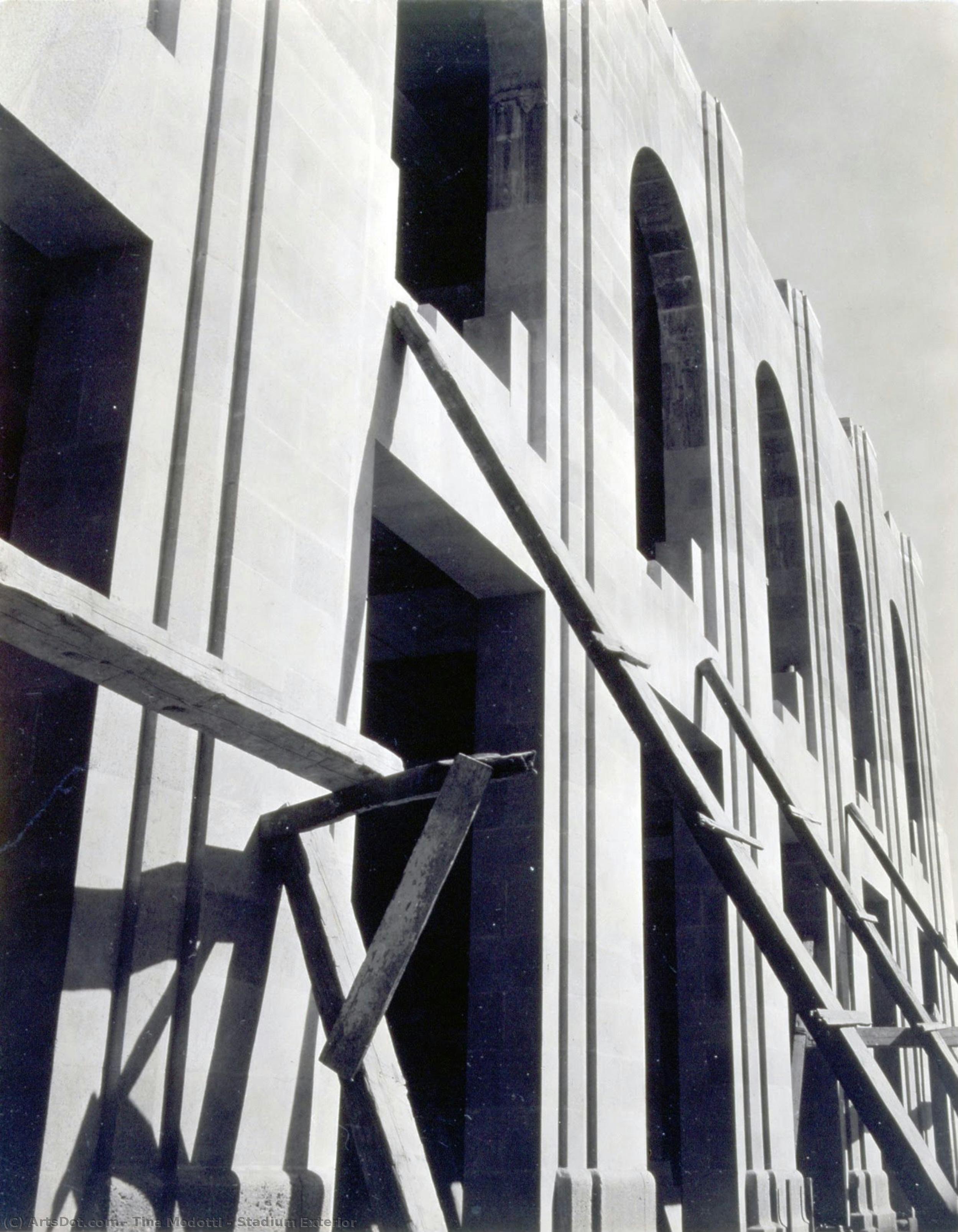
Stadium Exterior
 Digital Photography
- Photo
- Modernist Documentary Photography
 1927
1927- 19th Century
 24.0 x 18.0 cm
 Nagoya City Art Museum
 Czytaj więcej
Ręcznie malowana reprodukcja olejowa
Ręcznie malowany obraz olejny na płótnie, wykonany na zamówienie przez naszych artystów w wybranym przez Ciebie wymiarze i oprawie. ( Przełącz na wersję drukowaną Przełącz na wersję cyfrową)




































Wybierz spośród naszych standardowych rozmiarów, które zachowują oryginalne proporcje dzieła sztuki.

Możesz wprowadzić własne wymiary, aby dopasować obraz do konkretnej ramy lub przestrzeni. Jeśli wybrany rozmiar nie będzie odpowiadał proporcjom oryginału, przytniecie dzieło sztuki lub rozszerzymy je o dodatkowe elementy, ręcznie domalowane przez artystę. Przed rozpoczęciem produkcji wyślemy projekt cyfrowy do Twojej akceptacji.
Należy pamiętać, że podgląd na ekranie nie odzwierciedla rzeczywistego przycinania ani rozszerzania obrazu. Tylko projekt dokładnie pokaże ostateczną kompozycję.
Choć oferujemy możliwość zamówienia niestandardowych rozmiarów, zalecamy wybór wymiaru z gotowej listy, aby zachować oryginalne proporcje dzieła.
Po złożeniu zamówienia zespół OriginalUniqueArt.com skontaktuje się z klientem drogą mailową w celu uzyskania instrukcji i prześle wizualizację projektu
Dostawa na całym świecie () w ciągu 3–4 tygodni zamiast standardowych 5 tygodni. (26 Wrzesień). Bez kompromisów w kwestii jakości.

Bezpłatna ekspresowa wysyłka na cały świat

Wysokiej jakości płótno lniane

Pełne ubezpieczenie transportowe

Gwarancja zwrotu należności celnych i podatków importowych

Gwarancja idealnego odwzorowania barw

100-dniowy okres na zwrot dzieła w przypadku wykrycia wad produkcyjnych

Gwarancja 100% zwrotu pieniędzy

Oferta przy zakupie wielu sztuk
 Opcja ze szkłem jest dostępna wyłącznie w rozmiarach poniżej 110 cm

Stadium Exterior
Technika wykonania
Rozmiar reprodukcji
-


Suma do zapłaty
$ 300
Stadium Exterior by Tina Modotti: A Testament to Ambition and Transient Form
Tina Modotti’s “Stadium Exterior,” captured in 1927, is more than just a photograph of an under-construction stadium; it's a powerful meditation on human ambition, the relentless march of progress, and the inherent ephemerality of monumental structures. Executed in stark black and white, this image reveals Modotti’s masterful command of documentary photography and her keen eye for capturing not just visual details but also deeper symbolic resonances. The photograph speaks to a pivotal moment in Mexican history – a period of rapid modernization and social upheaval – reflecting Modotti's own engagement with the political landscape through her artistic practice.
- Architectural Precision & Modernist Style: The composition is dominated by vertical lines, meticulously rendered to emphasize the scale and imposing nature of the stadium. This reflects the burgeoning modernist aesthetic of the era, prioritizing geometric forms and a clear, rational approach to design – qualities evident in the clean lines of the scaffolding and the monumental arches.
- Raw Texture & Documentary Intent: Modotti’s deliberate use of texture is crucial. The rough brickwork, the weathered wood of the support beams, and the exposed metal of the scaffolding aren't merely accidental details; they are integral to the photograph’s narrative. They ground the image in a tangible reality, highlighting the strenuous labor involved in construction and conveying a sense of immediacy characteristic of documentary photography.
- A Low-Angle Perspective: The low-angle perspective dramatically alters our perception of the stadium, transforming it from a distant structure into an overwhelming presence. This technique amplifies its grandeur, creating a feeling of awe and perhaps even unease – mirroring the potential disruption caused by large-scale development projects.
The Context: Modotti’s Life & Political Engagement
Understanding “Stadium Exterior” requires acknowledging Tina Modotti's extraordinary life. Born in 1896 in Udine, Italy, she experienced firsthand the hardships of migrant labor before emigrating to San Francisco with her family. This early exposure to social inequality fueled her later political activism and informed her artistic choices. Her collaboration with Edward Weston in Mexico led to a significant shift in her photographic focus – moving beyond purely aesthetic concerns to document social realities and engage with revolutionary movements. The 1927 date is particularly important, coinciding with Modotti’s active involvement in the Communist Party of Mexico and her subsequent arrest following the failed assassination attempt on President Pascual Ortiz Rubio.
Symbolism & Emotional Resonance
The image resonates deeply with themes of progress versus destruction. The unfinished stadium represents a bold aspiration – a symbol of national pride and modernization – yet its very state of construction suggests fragility and impermanence. This duality is powerfully conveyed through the interplay of light and shadow, highlighting both the potential for greatness and the inevitable decay that accompanies human endeavors. Modotti’s work consistently sought to expose the tensions between these forces, reflecting a deeply critical perspective on power structures and social change.
Technical Details & Reproduction
This 24 x 18 cm print captures every nuance of Modotti's original vision. Executed with meticulous attention to detail – from the precise framing to the careful control of exposure – it exemplifies the technical skill that defined her work. OriginalUniqueArt offers a hand-painted reproduction of “Stadium Exterior” using archival quality materials, ensuring exceptional color fidelity and lasting beauty. This is more than just a print; it’s a faithful recreation of a seminal work by one of photography's most insightful chroniclers of the 20th century.
Biografia artysty
A Life Forged in Light and Revolution
Assunta Adelaide Luigia Modotti Mondini, known to the world as Tina Modotti, was a figure whose life mirrored the tumultuous currents of the 20th century. Born in Udine, Italy, in 1896, her early years were steeped in the realities of migrant labor, as her family moved between Italy and Austria seeking work. This itinerant upbringing instilled within her a sensitivity to social disparities—a seed that would blossom into a profound political commitment later in life. Even as a young girl, she was exposed to the art of photography through her uncle Pietro Modotti’s studio, an experience that quietly ignited a passion which would define much of her creative journey. In 1913, at just sixteen years old, Tina bravely embarked on a new chapter, emigrating with her father and sister Mercedes to San Francisco, California, seeking opportunity in a new world. This move marked not only a geographical shift but also the beginning of a restless exploration of identity and purpose.From Stage Lights to Photographic Shadows
San Francisco became Tina’s initial proving ground for artistic expression. She quickly immersed herself in the vibrant performing arts scene, appearing in plays, operas, and even silent films. This foray into acting honed her understanding of visual storytelling and the power of persona—skills that would later prove invaluable in her photographic work. It was during this period she met Roubaix “Robo” de l'Abrie Richey, an artist and poet with whom she formed a passionate relationship. Their shared artistic sensibilities led them to Los Angeles, where Tina continued to pursue acting while simultaneously beginning formal studies in photography under the tutelage of Edward Weston and Margrethe Mather. Weston’s influence was particularly crucial; he instilled in her a dedication to sharp focus, precise composition, and an appreciation for the inherent beauty of form. However, Modotti wasn't merely a student absorbing technique—she possessed an innate artistic vision that began to distinguish her work even at this early stage. The tragic death of Robo and her father in 1922 proved a turning point, prompting a move with Weston to Mexico City, a decision that would irrevocably alter the course of her life and art.Mexico: A Crucible of Art and Activism
Mexico City became more than just a new home for Tina Modotti; it was a crucible where her artistic talent fused with fervent political conviction. Immersing herself in Mexican culture, she quickly aligned herself with communist ideals and joined International Red Aid, dedicating herself to the cause of social justice. This commitment profoundly shaped her photographic work, shifting its focus from purely aesthetic concerns to a powerful form of documentary realism. She began documenting the lives of workers, peasants, and indigenous communities, portraying their struggles and resilience with dignity and respect. Simultaneously, she turned her lens towards the monumental murals of José Clemente Orozco and Diego Rivera, capturing pivotal moments in Mexican art history and becoming an important chronicler of a nation undergoing profound social and political transformation. Her photographs weren’t simply observations; they were statements—visual manifestos advocating for change and challenging existing power structures. Modotti's style during this period was characterized by its stark clarity, dramatic lighting, and unflinching gaze, creating images that were both visually arresting and deeply empathetic.Key Works & Influence
- Peasant Rally with Backs (1928): A powerful depiction of collective identity and wartime uniformity, showcasing Modotti’s mastery of composition and grayscale tones.
- Mother and Child, Tehuantepec, Oaxaca, Mexico (c. 1929): An intimate portrait capturing the tenderness and strength of motherhood within a specific cultural context.
- Roses, Mexico (c. 1925-1930): A striking close-up study of roses, demonstrating Modotti’s ability to find beauty and symbolism in everyday subjects.
- Woman of Tehuantepec (1929): An iconic image that celebrates the traditional dress and cultural identity of women from Tehuantepec, Oaxaca.
A Legacy of Vision and Commitment
Tina Modotti’s artistic legacy extends far beyond the striking beauty of her photographs. She masterfully blended modernist aesthetics with documentary photography, forging a unique style that was simultaneously innovative and socially conscious. Her portraits weren't merely likenesses; they were intimate explorations of character, revealing the strength, vulnerability, and humanity of her subjects. While deeply influenced by Edward Weston’s technical precision, she developed a distinct voice—one rooted in social commentary and political activism. Modotti’s work is now recognized as significant for its contribution to documentary photography, social realism, and feminist art. She remains an enduring symbol of artistic commitment to social change, inspiring generations of photographers and activists alike. Her untimely death in Mexico City in 1942, at the age of forty-five, under circumstances that remain shrouded in mystery—widely believed to be poisoning—cut short a promising career but could not diminish the power or enduring relevance of her vision. *Her photographs continue to resonate today, reminding us of the importance of bearing witness and using art as a force for justice.*
Tina Modotti
1896 - 1942 , Włochy
Najważniejsze informacje
- Artistic Movement Or Style: Realizm społeczny, fotografia modernistyczna
- Artists Or Movements Influenced By This Artist: ['Manuel Álvarez Bravo']
- Artists Who Influenced This Artist: ['Edward Weston']
- Date Of Birth: 16 sierpnia 1896
- Date Of Death: 5 stycznia 1942
- Full Name: Assunta Adelaide Luigia Modotti Mondini
- Nationality: Włosko-amerykańska
- Notable Artworks:
- Zgromadzenie chłopów
- Matka i dziecko
- Place Of Birth: Udine, Włochy
Zobacz także powiązane artykuły

Beyond the Lens: Photography's Enduring Influence on Modern & Contemporary Art
Explore photography's pivotal role in shaping modern & contemporary art. Discover key movements, influential artists like Stieglitz, and expert collecting advice from OriginalUniqueArt.
Beyond Color: The Timeless Power and Artistry of Black and White Photography
Explore the profound artistry of black and white photography. From the chemistry of gelatin silver to the chiaroscuro of the Old Masters, discover how monochrome captures the eternal essence of light, form, and emotion for the discerning art collector.
Timeless Shadows: The Artistry, History, and Emotional Resonance of Black and White Photography
Explore the profound artistry of black and white photography. From historical mastery to the interplay of light and shadow, discover how monochrome captures timeless emotion and form through a sophisticated lens of art history.

Czarne arcydzieła: Top 10 słynnych obrazów pełnych mroku i ekspresji | OriginalUniqueArt.com
Odkryj 10 słynnych obrazów, w których czerń króluje! Poznaj historie artystów, ekspresjonizm i mroczną paletę barw. Reprodukcje dzieł sztuki najwyższej jakości na OriginalUniqueArt.com – inspiracje do wnętrz i kolekcjonerstwo.

Monochromatyczne Wizje: Estetyka i Historyczne Znaczenie Fotografii Czarno-Białej
Odkryj fascynujący świat fotografii czarno-białej! Poznaj historię, techniki i arcydzieła monochromatycznej sztuki. Inspiracje, porady i analiza wpływu na współczesną estetykę. OriginalUniqueArt.com.
