
 Zobacz w skali 1:1
 Wyślij
 Udostępnij
 Szczegóły
 Przewodnik

 Pobierz plik obrazu
 Podobne obiekty
 RTG
RTG Pokaz slajdów
 Statystyki
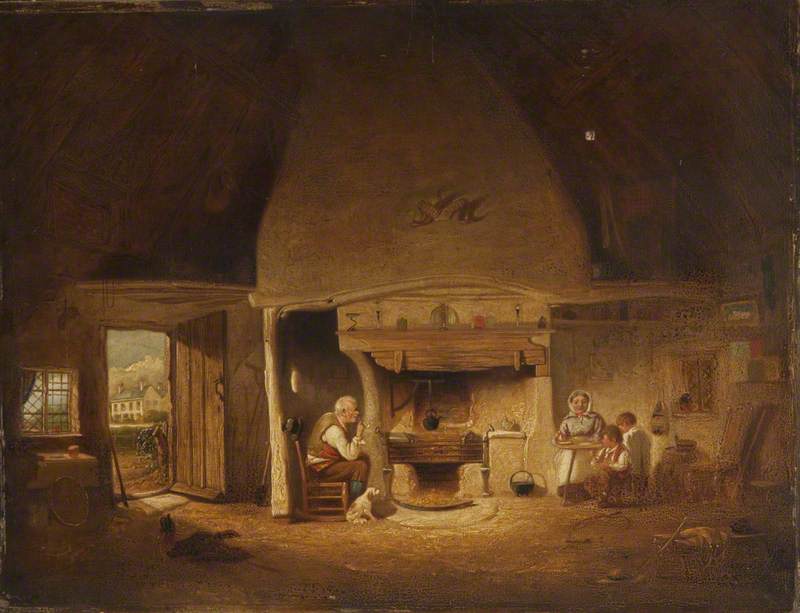
Cottage Interior
 Contemporary Realism
 38.0 x 48.0 cm
 Harris Museum - Art Gallery
 Czytaj więcej
Ręcznie malowana reprodukcja olejowa
Ręcznie malowany obraz olejny na płótnie, wykonany na zamówienie przez naszych artystów w wybranym przez Ciebie wymiarze i oprawie. ( Przełącz na wersję drukowaną Przełącz na wersję cyfrową)




































Wybierz spośród naszych standardowych rozmiarów, które zachowują oryginalne proporcje dzieła sztuki.

Wpisz wymaganą szerokość i wysokość, aby obraz pasował do Twojej ramy lub ściany. Ponieważ jest to dzieło malowane ręcznie, w przypadku rozmiaru o innym proporcji artysta może domalować nieco więcej wokół obrazu lub przyciąć fragmenty — wybór należy do Ciebie. Przed rozpoczęciem pracy prześlemy Ci cyfrową wizualizację do zatwierdzenia. Obraz widoczny na tej stronie nie przedstawia rzeczywistego efektu — jedynie wizualizacja oddaje realny rezultat.
Po złożeniu zamówienia zespół OriginalUniqueArt.com skontaktuje się z klientem drogą mailową w celu uzyskania instrukcji i prześle wizualizację projektu
Dostawa na całym świecie () w ciągu 3–4 tygodni zamiast standardowych 5 tygodni. (25 Październik). Bez kompromisów w kwestii jakości.

Bezpłatna ekspresowa wysyłka na cały świat

Wysokiej jakości płótno lniane

Pełne ubezpieczenie transportowe

Gwarancja zwrotu należności celnych i podatków importowych

Gwarancja idealnego odwzorowania barw

100-dniowy okres na zwrot dzieła w przypadku wykrycia wad produkcyjnych

Gwarancja 100% zwrotu pieniędzy

Oferta przy zakupie wielu sztuk
 Opcja ze szkłem jest dostępna wyłącznie w rozmiarach poniżej 110 cm

Cottage Interior
Technika wykonania
Rozmiar reprodukcji
-


Suma do zapłaty
zł 1151
Biografia artysty
A Life Etched in Shadow and Light: The Remarkable Story of Thomas Wade
The name Thomas Wade resonates with a peculiar blend of artistic talent and societal anomaly. Born in London in 1828, his story is far from the typical trajectory of a Victorian painter. While he achieved considerable recognition for his portraits and scenes of everyday life, Wade’s past was shrouded in secrecy – a secret revealed only after years: he was a transported convict. This duality—the refined skill of an artist juxtaposed with the stigma of penal servitude—makes him a uniquely compelling figure in 19th-century British art history. His early life remains largely undocumented, obscured by the circumstances that led to his conviction for forgery at the age of just nineteen. Sentenced to fourteen years of transportation, he arrived in Van Diemen’s Land (Tasmania) in 1847 aboard the *Lord Auckland*. It was here, amidst the harsh realities of colonial life, that Wade's artistic journey truly began to unfold.From Forgery to Fine Art: A Transformation in Tasmania
Initially employed as a clerk, Wade’s exceptional drawing skills soon became apparent. He quickly gained favour with officials and secured commissions for portraits of prominent colonists and their families. This was no mere survival tactic; Wade possessed genuine artistic ability. His style, heavily influenced by the American portraitist Thomas Sully, emphasized elegance, refinement, and a meticulous attention to detail. He mastered oil painting techniques, capturing not only likenesses but also the character and social standing of his sitters. The irony is striking: a man convicted for creating false documents found success in producing images valued for their authenticity and representation of status. His Tasmanian period (1847-1853) saw him become the most sought-after portrait painter in the colony, documenting the emerging colonial society with an impressive body of work. He wasn’t simply replicating faces; he was building a visual record of a new world, and his talent allowed him access to circles that would have otherwise been closed to a convict.Return to London and Continued Success
In 1853, Wade received a conditional pardon and returned to London. He re-established himself as a professional artist, exhibiting at the Royal Society of British Artists and other prestigious venues. His past remained largely concealed, allowing him to navigate Victorian society without the burden of his criminal record. While he continued to paint portraits – often depicting middle-class families and individuals – Wade also branched out into genre scenes, capturing moments from daily life with a keen eye for narrative detail. These works, though less celebrated than his portraiture, reveal a broader artistic sensibility and an interest in social observation. He skillfully adapted his style to meet the demands of the London art market, producing paintings that were both technically accomplished and commercially viable. His ability to blend Sully’s influence with a distinctly Victorian aesthetic ensured continued patronage.Legacy and Historical Significance
Thomas Wade's legacy is multifaceted. He stands as a testament to the transformative power of art, demonstrating how creativity can flourish even in the most challenging circumstances. His story challenges conventional notions of artistic genius and raises questions about redemption, social mobility, and the enduring impact of the past. The rediscovery of his convict origins in recent decades has added another layer of complexity to his biography, prompting a reassessment of his work within the broader context of colonial history and penal justice.- Artistic Style: Primarily influenced by Thomas Sully, characterized by elegance, refinement, meticulous detail, and a focus on capturing likenesses and social status.
- Key Themes: Portraiture of prominent colonists (Tasmania), middle-class families (London), scenes from daily life, narrative detail.
- Historical Context: Colonial Australia, Victorian society, penal transportation system, the art market in 19th-century Britain.
- Unique Contribution: Documenting colonial Australian society through portraiture; overcoming a criminal past to achieve artistic success; blending artistic skill with social observation.

Thomas Wade
1828 - 1891
Zobacz także powiązane artykuły
Thomas Barker of Bath: Landscape Painting & Societal Reflection in Early 19th-Century England
Explore the life & work of Thomas Barker of Bath, a key figure in 19th-century English Romanticism. Discover his Parisian success, iconic paintings like 'The Bride of Death', and lasting artistic legacy. Learn more at OriginalUniqueArt.

Arcydzieła XIX Wieku: 10 Obrazów Opowiadających Epokę | OriginalUniqueArt
Odkryj 10 arcydzieł XIX wieku! Poznaj historię Monet, Van Gogha i Courbeta. Imesjonizm, realizm, romantyzm – obrazy pełne emocji i piękna czekają na OriginalUniqueArt.com. Znajdź idealny obraz do swojego wnętrza!

The Enduring Power of Painting: A Historical & Contemporary Exploration of Form and Emotion
Explore the rich history & enduring techniques of oil painting with OriginalUniqueArt. Discover masterpieces, learn about art collecting, and find authentic handmade reproductions crafted by skilled artists.

Trwała Spuścizna Malarstwa Olejnego: Technika, Historia i Estetyczny Wpływ
Poznaj historię i technikę malarstwa olejnego! Eksperckie artykuły o konserwacji, renowacji oraz współczesnych zastosowaniach. Dowiedz się więcej o mistrzach i trwałości obrazów olejnych.

Olej na płótnie: Historia, techniki i ponadczasowy urok malarskiego medium
Poznaj historię i techniki malarstwa olejowego! Od renesansowych mistrzów po współczesne zastosowania – wszystko o oleju na płótnie. Poradniki, konserwacja i inspiracje dla pasjonatów sztuki.