
 Podgląd w skali
 Wyślij jako kartkę
 Udostępnij
 Szczegóły dzieła

 Pobierz
 Podobne obiekty
 RTG
RTG Pokaz slajdów
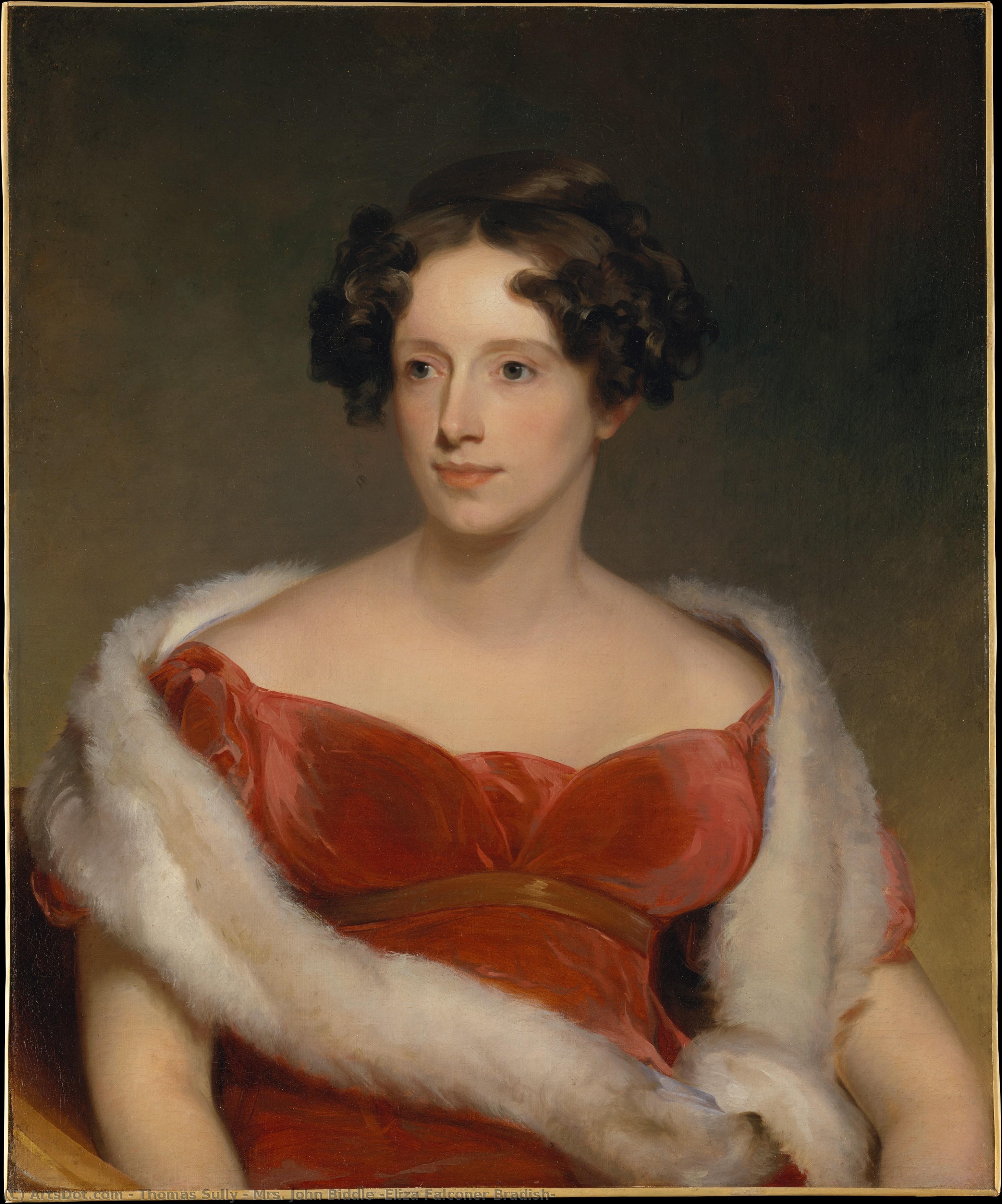
Mrs. John Biddle (Eliza Falconer Bradish)
 Oil On Canvas
- WallArt
- Romanticism
 1818
1818- 19th Century
 76.0 x 63.0 cm
 Metropolitan Museum of Art
 Rozwiń treść
Kup wysokiej rozdzielczości, ulepszony obraz cyfrowy o znacznie wyższej jakości niż podgląd online.
Każdy plik jest starannie przygotowywany przez naszych specjalistów przy użyciu zaawansowanych narzędzi oraz profesjonalnej, ręcznej retuszy. Dbamy o to, aby każdy obraz cechował się wyjątkową ostrością, precyzyjnym odwzorowaniem kolorów i subtelnymi detalami.
Ostateczny plik dostarczany jest drogą mailową w ciągu 72 godzin, zoptymalizowany do natychmiastowego wykorzystania w profesjonalnych zastosowaniach redakcyjnych i poligraficznych. To ta sama jakość, której ufają czołowe studia projektowe, wydawnictwa oraz galerie sztuki.
Obraz cyfrowy
Pobierz plik o wysokiej rozdzielczości do osobistego wyświetlania, druku oraz projektów kreatywnych. ( Zamów wydruk Zamów ręcznie malowaną reprodukcję)
W każdym zamówieniu na obraz cyfrowy znajduje się
Profesjonalna dostawa cyfrowa z gwarancją
Wybierając OriginalUniqueArt.com, nie otrzymujesz jedynie obrazu – otrzymujesz profesjonalnie udoskonalone cyfrowe dzieło sztuki, stworzone z najwyższą precyzją i objęte gwarancją satysfakcji. Oto wszystko, co automatycznie dołączane jest do Twojego zamówienia:

Błyskawiczna wysyłka e-mailowa
Plik z obrazem cyfrowym w wysokiej rozdzielczości zostanie przesłany na Twój adres e-mail w ciągu 72 godzin od złożenia zamówienia – gotowy do natychmiastowego użycia.

Plik cyfrowy wzbogacony przez AI
Twoja grafika została profesjonalnie zoptymalizowana przy użyciu zaawansowanych narzędzi AI oraz ręcznej edycji, co zapewnia maksymalną szczegółowość, klarowność i wierność kolorów.

Dożywotnia darmowa ponowna dostawa
Przypadkowo usunąłeś lub zgubiłeś swój plik? Bez obaw – prześlemy go Tobie ponownie w dowolnym momencie, bez żadnych opłat.

Bez opłat importowych – zawsze
Ciesz się swoją sztuką natychmiast, bez żadnych opłat celnych, należności ani kosztów dostawy – pliki cyfrowe są zawsze wolne od podatku.

Gwarancja wierności kolorów
Dzięki zastosowaniu profesjonalnych narzędzi i procesów zarządzania barwą zapewniamy, że Twoje cyfrowe zdjęcie odzwierciedla oryginalne kolory tak wiernie, jak to tylko możliwe.

60-dniowa gwarancja satysfakcji
Jeśli nie będziesz zadowolony ze swojego cyfrowego obrazu, dokonamy jego poprawki lub zwrócimy 100% kosztów w ciągu 60 dni – bez żadnych pytań.

100% Gwarancja zwrotu pieniędzy
Nie jesteś zadowolony? Otrzymaj pełny zwrot kosztów w ciągu 60 dni od otrzymania pliku cyfrowego – bez zbędnych pytań.

Rabaty przy zamówieniach hurtowych
Kup 3 obrazy, oszczędź 10% - Kup 5, oszczędź 15% - Kup 10+, oszczędź 20%. Idealne do projektów kreatywnych, galerii i agencji.
Opis kolekcjonerski
A Vision of Regency Elegance
In the soft, luminous glow of Thomas Sully’s 1818 masterpiece, Mrs. John Biddle (Eliza Falconer Bradish), we encounter more than just a portrait; we step into the refined atmosphere of early nineteenth-century American high society. This exquisite oil on canvas serves as a breathtaking window into an era defined by grace, social aspiration, and the burgeoning Romantic movement. As the eye meets the subject, one is immediately struck by the profound sense of poise held by Eliza Falconer Bradisch. She does not sit with the rigid, unyielding posture often found in earlier aristocratic portraiture; instead, Sully captures her in a moment of relaxed sophistication, an informal pose that suggests a quiet intimacy and a burgeoning ideal of domestic tranquility.
The painting is a masterclass in texture and light, where every brushstroke contributes to a sensory experience. The deep, rich crimson of her velvet gown commands the viewer's attention, its heavy folds rendered with such precision that one can almost feel the weight of the luxurious fabric. Draped across her shoulders, a plush fur stole adds a layer of tactile opulence, contrasting beautifully with the delicate shimmer of the pearls encircling her neck. Sully’s technique, heavily influenced by the British master Thomas Lawrence, utilizes subtle tonal gradations and luminous layering to create a skin tone that appears to radiate from within, imbuing the portrait with a lifelike, breathing quality that is rare in works of this period.
Symbolism and the Romantic Spirit
Beyond the mere depiction of a prominent socialite, the composition is rich with the subtle language of the Romantic era. The interplay between the dramatic flourish of her attire and the soft, focused rendering of her face creates a captivating visual tension. While the opulent drapery speaks to the wealth and status of the Biddle family—a lineage deeply woven into the cultural fabric of Philadelphia—the subject's expression hints at a deeper, more psychological narrative. There is an air of romantic uncertainty beneath the surface, a characteristic hallmark of Sully’s ability to capture the fleeting nuances of human emotion.
The choice of color also plays a pivotal role in the painting's emotional resonance. By diverging from the color palettes used in his earlier portraits of her husband, Major John Biddle, Sully creates a visual dialogue that scholars suggest reflects the complex layers of identity and marital harmony. For the discerning collector or interior designer, this piece offers a profound sense of historical continuity and timeless beauty. It is an artwork that does not merely decorate a space but transforms it, providing a focal point of intellectual depth and aesthetic splendor.
An Inspiration for the Modern Interior
For those seeking to curate a collection that speaks of heritage and refined taste, a high-quality reproduction of Mrs. John Biddle offers an unparalleled opportunity. The painting’s balanced yet dynamic composition makes it an ideal centerpiece for a variety of sophisticated settings, from a classic study lined with leather-bound books to a contemporary living space seeking a touch of historical grandeur. Its ability to evoke feelings of warmth, luxury, and quiet contemplation ensures that it remains a conversation piece for generations.
Integrating such a masterful work into an interior design scheme allows for the introduction of rich textures and a storied past. Whether placed in a gallery-style hallway or as a commanding presence above a mantle, this portrait brings with it the spirit of the American Renaissance—a period where art and identity were inextricably linked. To possess a reproduction of this caliber is to hold a fragment of history, rendered with the meticulous care required to honor Sully’s enduring legacy.
Biografia artysty
A Transatlantic Brushstroke: The Life and Art of Thomas Sully
Thomas Sully’s story is one of remarkable journeys – a transatlantic passage not just across oceans, but through artistic styles and cultural landscapes. Born in 1783 under the skies of Horncastle, Lincolnshire, England, his early life was shaped by an itinerant upbringing as the son of actors Matthew and Sarah Chester Sully. This exposure to performance, with its demands for capturing fleeting expressions and embodying character, would prove profoundly influential on his artistic sensibilities. His family’s relocation to Charleston, South Carolina in 1792 marked a new chapter, offering opportunities within the burgeoning American theater scene. It was here, amidst the vibrant energy of colonial life, that young Thomas began to develop his own artistic talents, initially drawn to the world of theatrical design and eventually discovering a passion for painting. His innate ability to observe and render detail, honed through his experience with stagecraft – particularly in creating realistic costumes and props – laid the foundation for his future success as a portrait painter.From Miniature to Monumental: Forging an American Style
Sully’s artistic development wasn't confined by geographical boundaries; it was a process of continuous adaptation and refinement. A pivotal moment arrived when, beginning in 1808, he embarked on a period of study in London with the esteemed Benjamin West, a leading figure in British art. While West’s influence was significant, it was the encounter with Thomas Lawrence that truly resonated deeply with Sully. Lawrence's elegant style – characterized by its refined grace, masterful use of light and texture, and remarkable ability to capture both likeness and character – captivated the young American artist. Returning to the United States imbued with this aesthetic, Sully quickly earned the moniker “the Sir Thomas Lawrence of America.” However, he didn’t simply imitate; instead, he skillfully adapted and integrated these influences into a distinctly American style. This involved a careful balancing act: retaining the European sophistication while simultaneously incorporating elements that reflected the unique sensibilities of the New World. His portraits weren't merely technical exercises in likeness; they were explorations of personality, imbued with psychological depth and emotional resonance – a hallmark of his distinctive approach.The Influence of London and the Pursuit of Perfection
Sully’s time in London proved to be transformative, not just artistically but personally. He immersed himself in the art world, studying techniques, observing masters, and absorbing the prevailing artistic trends. His dedication was further fueled by a desire for technical perfection – he meticulously practiced his craft, honing his skills through countless hours of observation and experimentation. This pursuit of excellence is evident in the remarkable detail and precision that characterize his portraits, from the delicate folds of fabric to the subtle nuances of expression. He also sought guidance from Jean Belzons, a French miniaturist who served as his brother-in-law, though their relationship eventually soured. Despite this setback, Sully’s exposure to diverse artistic perspectives broadened his horizons and solidified his commitment to mastering the art of portraiture.A Portrait of an Era: Subjects and Significance
Sully's prolific output—over 2,000 paintings over seven decades—reflects both his skill and his relentless dedication. He didn’t merely paint portraits for wealthy patrons; he documented a pivotal era in American history, preserving the faces and stories of men and women who shaped the nation’s destiny. His subjects ranged from prominent politicians like Thomas Jefferson and John Quincy Adams to celebrated military heroes such as Marquis de Lafayette, and even members of the royal family, including Queen Victoria. His portraits captured not just physical likenesses but also conveyed a sense of character, personality, and social standing. *The Passage of the Delaware*, painted in 1819, stands as a particularly significant work – a grand depiction of Washington’s iconic crossing that demonstrated Sully's ability to handle large-scale compositions and imbue them with dramatic power. This painting cemented his place as one of America’s leading portraitists and historical painters.Legacy and Enduring Influence
Thomas Sully’s legacy extends far beyond the canvases he created. He was a dedicated teacher, mentoring numerous aspiring artists and contributing to the development of American artistic talent. His influence can be seen in the works of his students, who carried forward his techniques and aesthetic sensibilities. Furthermore, Sully's work has been recognized for its historical significance, with many of his portraits serving as important visual records of a bygone era. Today, his paintings hang in prestigious museums across the country – a testament to his enduring artistic skill and lasting contribution to American art history. His story remains a compelling example of transatlantic exchange, artistic adaptation, and the power of portraiture to capture not just likenesses but also the spirit of an age.
Tomasz Sully
1783 - 1872 , Wielka Brytania
Krótka nota
- Artistic Movement Or Style: Romantyzm, Neoklasycyzm
- Artists Or Movements Influenced By This Artist: ['Amerykańska portretystyka']
- Artists Who Influenced This Artist:
- Benjamin West
- Thomas Lawrence
- Date Of Birth: 1783
- Date Of Death: 1872
- Full Name: Thomas Sully
- Nationality: Brytyjsko-amerykański
- Notable Artworks:
- Przejście przez Delaware
- Portrety Jeffersona
- Place Of Birth: Horncastle, Anglia

