

 Zobacz w skali 1:1
 Wyślij
 Udostępnij
 Szczegóły
 Przewodnik

 Pobierz plik obrazu
 Podobne obiekty
 RTG
RTG Pokaz slajdów
 Statystyki
Mother and Son
 Oil On Canvas
- WallArt
- Romanticism
 1840
1840 145.0 x 115.0 cm
 Metropolitan Museum of Art
 Czytaj więcej
Giclée / Wydruk artystyczny
Wydruki giclée lub płótna o jakości muzealnej, szybka realizacja i szeroki wybór opcji wykończenia. ( Kup ręcznie malowany obraz Przełącz na wersję cyfrową)




P118B zł10

P118H zł10

P118W zł10

P438Z zł10

P508JH zł12

P508YH zł12

P805H zł10

P805Z zł10

P919BZ zł10

P919G zł10

P919XJ zł10

P959ZH zł10

P968JZ zł12

W106C zł8

W218G zł10

W218JH zł8

W218Y zł10

W307PJ zł10

W316G zł10

W316PJ zł8

W316Y zł10

W398PJ zł8

W4111J zł10

W500HY zł15

W500JH zł15

W692G zł12

W849H zł8

W940BG zł15

W953PJ zł8




Wybierz spośród naszych standardowych rozmiarów, które zachowują oryginalne proporcje dzieła sztuki.

Możesz wprowadzić własne wymiary, aby dopasować dzieło do konkretnej ramy lub przestrzeni. Jeśli wybrany rozmiar nie będzie odpowiadał proporcjom oryginalnego obrazu, przytniecie dzieło lub rozszerzymy obraz za pomocą odbicia lustrzanego lub jednolitego wypełnienia krawędzi. Przed rozpoczęciem produkcji prześlemy cyfrową wizualizację do Twojej akceptacji.
Prosimy pamiętać, że podgląd na ekranie nie odzwierciedla faktycznego przycinania ani rozszerzania. Tylko wizualizacja dokładnie pokaże końcową kompozycję.
Mimo dostępności niestandardowych rozmiarów, zalecamy wybór wymiaru z listy zdefiniowanej, aby zachować oryginalne proporcje.
Dostawa na cały świat () w ciągu 2 tygodni zamiast standardowych 4/5 tygodni. (3 Październik)

Bezpłatna ekspresowa wysyłka na cały świat

Wysokiej jakości płótno lniane

Pełne ubezpieczenie transportowe

Gwarancja zwrotu należności celnych i podatków importowych

Gwarancja idealnego odwzorowania barw

100-dniowy okres na zwrot dzieła w przypadku wykrycia wad produkcyjnych

Gwarancja 100% zwrotu pieniędzy

Oferta przy zakupie wielu sztuk
 Opcja ze szkłem jest dostępna wyłącznie w rozmiarach poniżej 110 cm

Mother and Son
Giclée / Wydruk artystyczny
Rozmiar reprodukcji
-


Suma do zapłaty
zł 297
Mother and Son: An Allegory of Domestic Harmony
This magnificent portrait by Thomas Sully, completed in 1840, transcends mere representation; it embodies a profound meditation on familial bonds and idealized femininity. More than just capturing the likenesses of Jane Cooper Sully Darley and her son Francis Thomas Sully Darley—the artist’s daughter and heir—Sully meticulously crafted an image steeped in symbolism that speaks to the core values of Romantic art and Victorian sensibilities. The painting resides within The Metropolitan Museum of Art's collection (Accession Number JP1847), a testament to its enduring artistic merit and scholarly significance.A Symphony of Symbolism: Decoding the Composition
Sully’s genius lies in his masterful deployment of iconography—visual symbols designed to convey deeper meanings beyond the surface appearance. The central motif is undeniably Penelope, Odysseus's wife from Homer’s epic poem *The Odyssey*, considered the archetype of marital devotion and steadfastness. Alongside Penelope sits her son Telemachus, representing filial piety and unwavering loyalty – qualities Sully wished to elevate as cornerstones of domestic life. These figures are not merely present; they dominate the visual space, anchoring the scene in a narrative tradition that prioritized moral virtue and familial sanctity.Technique and Style: Romantic Idealism Embodied
Executed in oil on canvas with meticulous detail, *Mother and Son* exemplifies Sully’s signature Romantic style. He skillfully employs chiaroscuro—the dramatic interplay of light and shadow—to sculpt the figures' forms and imbue them with a palpable sense of warmth and tenderness. The artist’s attention to texture is equally impressive; the ivy clinging to the wall, a symbol of faithfulness and constancy, appears remarkably realistic, mirroring the natural world outside the window. Furthermore, the urn depicts Hermes bringing Dionysus—the god of fertility and revelry—to nurture Telemachus, reinforcing the theme of nurturing and protecting the next generation. This careful consideration of artistic conventions underscores Sully’s commitment to conveying emotion and intellectual depth through visual representation.Historical Context: Victorian Values Reflected
Painted during a period marked by burgeoning industrialization yet deeply rooted in traditional moral values, *Mother and Son* reflects the Victorian preoccupation with domesticity and idealized family life. Thomas Sully's work aligns itself with the broader artistic movement of Romanticism, which championed emotion, imagination, and individualism—characteristics that contrasted sharply with the Enlightenment’s emphasis on reason and objectivity. The portrait speaks to a cultural yearning for stability and beauty amidst rapid societal change, cementing Sully’s place as one of the foremost artists documenting his era.Emotional Resonance: A Portrait of Perfection
Ultimately, *Mother and Son* succeeds in capturing not just likenesses but also an intangible essence—the profound connection between mother and child. The serene expressions on their faces convey a quiet contentment, suggesting a harmonious relationship characterized by mutual affection and unwavering support. Sully’s masterful brushwork conveys this emotional depth with remarkable sensitivity, inviting viewers to contemplate the enduring power of familial love and the pursuit of idealized beauty. It remains an unforgettable testament to Romantic art's ability to elevate human experience into timeless grandeur.Pytania i odpowiedzi
Gdzie mogę zobaczyć podgląd dzieła "Mother and Son"?
Strona podglądu Podgląd dla dzieła „Mother and Son” umożliwia obejrzenie obrazu przed złożeniem zamówienia.
Kto jest autorem dzieła "Mother and Son"?
Autorem dzieła „Mother and Son” jest Tomasz Sully. Praca ta figuruje w katalogu pod nazwiskiem Tomasz Sully.
W jakim wieku Tomasz Sully stworzył(a) "Mother and Son"?
Gdy w 1840 roku powstało dzieło „Mother and Son”, Tomasz Sully – urodzony/a w 1783 – miał/a 57 lat.
Jakie pochodzenie narodowe stoi za Romanticism dzieła "Mother and Son"?
"Mother and Son" łączy nurt Romanticism z Wielka Brytania poprzez miejsce urodzenia jego twórcy.
W którym muzeum znajduje się oryginał "Mother and Son"?
Dzieło „Mother and Son” autorstwa Tomasz Sully znajduje się w zbiorach Metropolitan Museum of Art, New York, United States of America. Informacja o muzeum dotyczy oryginału, a nie reprodukcji.
W którym roku powstało „Mother and Son” autorstwa Tomasz Sully?
Dzieło "Mother and Son" pochodzi z 1840 roku. Data ta pozwala umiejscowić pracę w kontekście twórczości Tomasz Sully oraz epoki, w której powstała.
Jakie miejsce w dorobku twórczym Tomasz Sully zajmuje dzieło "Mother and Son"?
"Mother and Son" należy do nurtu Romanticism w twórczości Tomasz Sully, której rozpoznawalne motywy obejmują lawrence influence, ideal family values, mythological symbolism, domestic fidelity, portrait legacy.
Biografia artysty
A Transatlantic Brushstroke: The Life and Art of Thomas Sully
Thomas Sully’s story is one of remarkable journeys – a transatlantic passage not just across oceans, but through artistic styles and cultural landscapes. Born in 1783 under the skies of Horncastle, Lincolnshire, England, his early life was shaped by an itinerant upbringing as the son of actors Matthew and Sarah Chester Sully. This exposure to performance, with its demands for capturing fleeting expressions and embodying character, would prove profoundly influential on his artistic sensibilities. His family’s relocation to Charleston, South Carolina in 1792 marked a new chapter, offering opportunities within the burgeoning American theater scene. It was here, amidst the vibrant energy of colonial life, that young Thomas began to develop his own artistic talents, initially drawn to the world of theatrical design and eventually discovering a passion for painting. His innate ability to observe and render detail, honed through his experience with stagecraft – particularly in creating realistic costumes and props – laid the foundation for his future success as a portrait painter.From Miniature to Monumental: Forging an American Style
Sully’s artistic development wasn't confined by geographical boundaries; it was a process of continuous adaptation and refinement. A pivotal moment arrived when, beginning in 1808, he embarked on a period of study in London with the esteemed Benjamin West, a leading figure in British art. While West’s influence was significant, it was the encounter with Thomas Lawrence that truly resonated deeply with Sully. Lawrence's elegant style – characterized by its refined grace, masterful use of light and texture, and remarkable ability to capture both likeness and character – captivated the young American artist. Returning to the United States imbued with this aesthetic, Sully quickly earned the moniker “the Sir Thomas Lawrence of America.” However, he didn’t simply imitate; instead, he skillfully adapted and integrated these influences into a distinctly American style. This involved a careful balancing act: retaining the European sophistication while simultaneously incorporating elements that reflected the unique sensibilities of the New World. His portraits weren't merely technical exercises in likeness; they were explorations of personality, imbued with psychological depth and emotional resonance – a hallmark of his distinctive approach.The Influence of London and the Pursuit of Perfection
Sully’s time in London proved to be transformative, not just artistically but personally. He immersed himself in the art world, studying techniques, observing masters, and absorbing the prevailing artistic trends. His dedication was further fueled by a desire for technical perfection – he meticulously practiced his craft, honing his skills through countless hours of observation and experimentation. This pursuit of excellence is evident in the remarkable detail and precision that characterize his portraits, from the delicate folds of fabric to the subtle nuances of expression. He also sought guidance from Jean Belzons, a French miniaturist who served as his brother-in-law, though their relationship eventually soured. Despite this setback, Sully’s exposure to diverse artistic perspectives broadened his horizons and solidified his commitment to mastering the art of portraiture.A Portrait of an Era: Subjects and Significance
Sully's prolific output—over 2,000 paintings over seven decades—reflects both his skill and his relentless dedication. He didn’t merely paint portraits for wealthy patrons; he documented a pivotal era in American history, preserving the faces and stories of men and women who shaped the nation’s destiny. His subjects ranged from prominent politicians like Thomas Jefferson and John Quincy Adams to celebrated military heroes such as Marquis de Lafayette, and even members of the royal family, including Queen Victoria. His portraits captured not just physical likenesses but also conveyed a sense of character, personality, and social standing. *The Passage of the Delaware*, painted in 1819, stands as a particularly significant work – a grand depiction of Washington’s iconic crossing that demonstrated Sully's ability to handle large-scale compositions and imbue them with dramatic power. This painting cemented his place as one of America’s leading portraitists and historical painters.Legacy and Enduring Influence
Thomas Sully’s legacy extends far beyond the canvases he created. He was a dedicated teacher, mentoring numerous aspiring artists and contributing to the development of American artistic talent. His influence can be seen in the works of his students, who carried forward his techniques and aesthetic sensibilities. Furthermore, Sully's work has been recognized for its historical significance, with many of his portraits serving as important visual records of a bygone era. Today, his paintings hang in prestigious museums across the country – a testament to his enduring artistic skill and lasting contribution to American art history. His story remains a compelling example of transatlantic exchange, artistic adaptation, and the power of portraiture to capture not just likenesses but also the spirit of an age.
Tomasz Sully
1783 - 1872 , Wielka Brytania
Najważniejsze informacje
- Artistic Movement Or Style: Romantyzm, Neoklasycyzm
- Artists Or Movements Influenced By This Artist: ['Amerykańska portretystyka']
- Artists Who Influenced This Artist:
- Benjamin West
- Thomas Lawrence
- Date Of Birth: 1783
- Date Of Death: 1872
- Full Name: Thomas Sully
- Nationality: Brytyjsko-amerykański
- Notable Artworks:
- Przejście przez Delaware
- Portrety Jeffersona
- Place Of Birth: Horncastle, Anglia
Zobacz także powiązane artykuły

Grant Wood & American Regionalism: Identity, Myth & the Rural Landscape
Explore the world of Grant Wood & American Regionalism with OriginalUniqueArt. Discover the symbolism behind 'American Gothic', recurring themes, and the movement's lasting impact on art history. High-quality reproductions available.
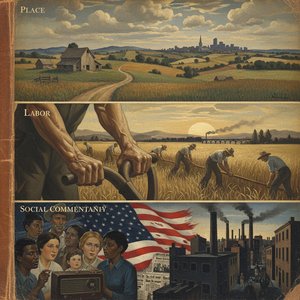
Amerykański Regionalizm: Studium Tożsamości w Obrazach Pracy, Miejsca i Krytyki Społecznej
Poznaj fascynujący świat amerykańskiego regionalizmu! Analiza kluczowych artystów, wpływ Wielkiego Kryzysu na sztukę i symbolika krajobrazu. Ekspercka analiza dla miłośników historii sztuki.

American Romanticism: Capturing the Soul of the Wild Frontier through the Hudson River School
Explore the profound beauty of American Romanticism. Discover how the Hudson River School captured the wild frontier through masterful landscapes, exploring the legacy of legends like Thomas Cole and Asher Durand in this deep dive into art history.

Amerykański Realizm: 10 Arcydzieł, Które Zdefiniowały Epokę | OriginalUniqueArt
Poznaj 10 arcydzieł amerykańskiego realizmu! Odkryj historie Winslowa Homera, Edwarda Hoppera i innych mistrzów. Reprodukcje obrazów najwyższej jakości – inspiracje do Twojego wnętrza na OriginalUniqueArt.com
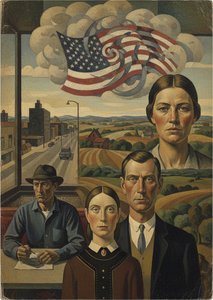
Echa Miejsca: Regionalizm i Amerykańska Tożsamość w Sztuce Międzywojennej
Odkryj fascynujący świat regionalizmu amerykańskiego! Analiza dzieł Wooda, Bentona i Curry'ego w kontekście historycznym i politycznym. Ekspercka analiza dla miłośników sztuki.