

 Zobacz w skali 1:1
 Wyślij
 Udostępnij
 Szczegóły
 Przewodnik

 Pobierz plik obrazu
 Podobne obiekty
 RTG
RTG Pokaz slajdów
 Statystyki
Venice


 Czytaj więcej
Giclée / Wydruk artystyczny
Wydruki giclée lub płótna o jakości muzealnej, szybka realizacja i szeroki wybór opcji wykończenia. ( Kup ręcznie malowany obraz Przełącz na wersję cyfrową)




P118B zł10

P118H zł10

P118W zł10

P438Z zł10

P508JH zł12

P508YH zł12

P805H zł10

P805Z zł10

P919BZ zł10

P919G zł10

P919XJ zł10

P959ZH zł10

P968JZ zł12

W106C zł8

W218G zł10

W218JH zł8

W218Y zł10

W307PJ zł10

W316G zł10

W316PJ zł8

W316Y zł10

W398PJ zł8

W4111J zł10

W500HY zł15

W500JH zł15

W692G zł12

W849H zł8

W940BG zł15

W953PJ zł8




Wybierz spośród naszych standardowych rozmiarów, które zachowują oryginalne proporcje dzieła sztuki.

Wpisz wymaganą szerokość i wysokość, aby dopasować grafikę do ramy lub ściany. Wydruk można jedynie przyciąć, nigdy nie powiększając go poza oryginalny obraz, dlatego format o innym proporcji spowoduje utratę części kompozycji. Przed rozpoczęciem druku prześlemy Ci cyfrowy podgląd do zatwierdzenia. Obraz wyświetlany na tej stronie nie pokazuje rzeczywistego przycięcia — jedynie podgląd oddaje ten efekt.
Dostawa na cały świat () w ciągu 2 tygodni zamiast standardowych 4/5 tygodni. (22 Październik)

Bezpłatna ekspresowa wysyłka na cały świat

Wysokiej jakości płótno lniane

Pełne ubezpieczenie transportowe

Gwarancja zwrotu należności celnych i podatków importowych

Gwarancja idealnego odwzorowania barw

100-dniowy okres na zwrot dzieła w przypadku wykrycia wad produkcyjnych

Gwarancja 100% zwrotu pieniędzy

Oferta przy zakupie wielu sztuk
 Opcja ze szkłem jest dostępna wyłącznie w rozmiarach poniżej 110 cm

Venice
Giclée / Wydruk artystyczny
Rozmiar reprodukcji
-


Suma do zapłaty
zł 307
A Symphony of Light and Color in the Heart of Venice
To gaze upon Thomas Moran’s 1898 masterpiece, Venice, is to step through a portal into a world where time seems to dissolve into a shimmering haze of gold and azure. This is not merely a landscape; it is an immersive sensory experience that captures the very soul of Italy's most iconic maritime city. As a prominent figure of the Hudson River School, Moran brought a uniquely American sense of romantic idealism to the European continent, translating the architectural grandeur of Venice into a poetic dialogue between light and water. The painting transcends simple documentation, offering instead an ethereal vision of the Grand Canal, where the heavy stone of ancient palazzos appears to float upon a surface of liquid light.
The composition is masterfully orchestrated to guide the viewer’s eye through a tranquil maritime dance. In the heart of the frame, a large vessel commands attention, serving as an anchor for the scene, while smaller boats drift gracefully toward the right, adding layers of depth and a sense of rhythmic movement. These elements are scattered like notes across a musical score, creating a profound feeling of peace. The presence of a solitary figure near the water's edge provides a human connection to the vastness of the scene, reminding us that this breathtaking vista is a place to be inhabited, felt, and cherished. For the collector or interior designer, this piece offers a window into a serene, timeless era, making it an ideal centerpiece for spaces that crave elegance and contemplative calm.
The Mastery of Hudson River Romanticism
Moran’s technical prowess is most evident in his ability to manipulate atmosphere through the sophisticated use of glazing. By applying thin, translucent washes of pigment over underlying layers, he achieved a luminous quality that mimics the misty, salt-kissed air of a Venetian morning. Unlike the Impressionists, who often sought to capture the fleeting, fractured light of a single moment, Moran utilized the broader, more sweeping strokes characteristic of his American roots to build structural depth and emotional weight. This technique allows the ornate facades of churches and palaces to retain their architectural dignity while simultaneously appearing softened by the humid, atmospheric haze that defines the Venetian lagoon.
The artist’s palette is a testament to his skill as an exquisite colorist. He draws profound inspiration from the legendary J.M.W. Turner, emulating the way light can dissolve solid forms into a tapestry of warmth and brilliance. The interplay between the cool reflections in the canal and the warm, sun-drenched masonry creates a visual tension that is both stimulating and soothing. This meticulous attention to the nuances of light ensures that the painting remains dynamic; it changes with the viewer's perspective, much like the real city of Venice does as the sun traverses the sky.
A Legacy of Artistic Ambition and Emotional Resonance
Historically, Venice represents a pivotal moment in Moran’s career, reflecting the late 19th-century American fascination with European high culture. Having already achieved fame for his sweeping vistas of the American West and the Rocky Mountains, Moran turned his gaze toward the Old World to explore themes of history, tradition, and classical beauty. This painting serves as a bridge between the rugged, untamed landscapes of his youth and the refined, storied elegance of the Mediterranean. It is a celebration of human achievement set against the enduring power of nature.
For those looking to adorn a home or gallery with a high-quality reproduction, this work offers more than just aesthetic appeal; it provides an emotional sanctuary. The painting evokes a sense of nostalgia for a slower, more graceful way of life. Its ability to evoke tranquility, wonder, and a deep appreciation for the sublime makes it a timeless investment. Whether placed in a sunlit study or a grand living hall, Moran’s Venice continues to inspire awe, inviting all who behold it to lose themselves in its luminous, watery embrace.
Pytania i odpowiedzi
Jaki to rodzaj dzieła: "Venice"?
W katalogu dzieło „Venice” autorstwa Tomasz Moran zostało sklasyfikowane jako WallArt. Kategoria ta ułatwia odnajdywanie podobnych prac.
W jaki sposób styl dzieła "Venice" odnosi się do epoki jego twórcy?
W „Venice” autorstwa Tomasz Moran nurt Hudson River School łączy się z epoką – Wiek XIX.
Czy mogę przyjrzeć się bliżej dziełu "Venice"?
Widok rentgenowski dzieła „Venice” autorstwa Tomasz Moran znajduje się na stronie Prześwietlenie utworu: to interaktywna analiza obrazu poprzez jedenaście warstw optycznych.
Biografia artysty
A Pioneer of the American West
Thomas Moran, born in Bolton, England, in 1837, wasn’t destined for a life steeped in the rugged beauty of the American landscape he would come to immortalize. His family's emigration to the United States in 1844, seeking opportunity and escaping the burgeoning industrialization of their homeland, proved pivotal. This early transatlantic journey instilled within young Moran a lifelong fascination with the sea – a theme that subtly echoed throughout his later depictions of landlocked vistas. Initially apprenticed as a wood engraver in Philadelphia, he quickly discovered his true calling lay not in replicating images but creating them. The meticulous detail demanded by engraving honed his observational skills, yet it was the burgeoning world of watercolor and the influence of artists like J.M.W. Turner that truly ignited his artistic spirit. Moran’s brother, Edward, also a marine artist, provided early collaboration and support, sharing studio space and fostering a shared dedication to their craft. This familial bond laid the foundation for a career that would redefine how America saw itself – and its western territories.The Hudson River School and Beyond
Moran’s artistic development was deeply intertwined with the Hudson River School, though he ultimately transcended its conventions. While inheriting their reverence for nature and dramatic use of light and shadow, Moran brought a unique perspective shaped by his own experiences and an evolving American identity. The Hudson River School painters often focused on taming the wilderness, presenting it as a benevolent space ripe for cultivation. Moran, however, captured the West’s untamed grandeur with a sense of awe and respect that bordered on reverence. His style blended meticulous realism with romantic idealism, creating scenes that were both visually stunning and emotionally resonant. He wasn't merely documenting landscapes; he was crafting myths – visions of a land brimming with potential and spiritual significance. The influence of Turner is undeniable in Moran’s work—the swirling skies, the atmospheric perspective, and the emphasis on light as a transformative force all bear witness to this artistic debt. Yet, Moran infused these techniques with an American sensibility, focusing on the unique geological formations and vast scale of the Western territories. His paintings weren't simply representations of place; they were statements about national pride, environmental stewardship, and the power of art to influence public opinion.Documenting a Nation’s Expansion
Moran’s career reached its zenith during a period of intense national expansion and exploration. In 1871, he joined a government-sponsored expedition to Yellowstone, an area largely unknown to most Americans. The sketches and paintings that emerged from this journey were nothing short of revelatory. His monumental canvas, *The Grand Canyon of the Yellowstone*, purchased by the U.S. government for $10,000 – a staggering sum at the time – played a crucial role in galvanizing public support for establishing Yellowstone as the nation’s first national park in 1872. This wasn't simply artistic achievement; it was an act of conservation advocacy. Moran’s art didn’t just reflect the beauty of the West, it actively shaped its preservation. He continued to document other significant landscapes, including the Colorado River and the Grand Canyon, further solidifying his reputation as the premier painter of the American West. His work became synonymous with the spirit of exploration and the promise of a new frontier.Key Works & Recognition
- The Grand Canyon of the Yellowstone (1872): A pivotal painting instrumental in establishing Yellowstone National Park.
- Chasm of the Colorado (1873-74): Showcasing the immense scale and dramatic beauty of the Grand Canyon.
- Mountain of the Saints, Jackson Hole, Wyoming (1895): Demonstrating his mastery of atmospheric perspective and light.
- Numerous sketches and watercolors documenting expeditions to Yellowstone, Colorado, and other Western territories.
Legacy and Enduring Influence
Thomas Moran’s contributions extend far beyond his breathtaking canvases. He helped to define America's visual identity, shaping how generations perceived their own landscape. His paintings weren’t just representations of place; they were statements about national pride, environmental stewardship, and the power of art to influence public opinion. His legacy continues to inspire artists today, and his works remain highly sought after by museums and collectors worldwide. The Smithsonian American Art Museum, among many others, proudly displays his masterpieces, ensuring that his vision endures for future generations. While often categorized within the Hudson River School or the Rocky Mountain School, Moran’s artistic voice was distinctly his own—a powerful blend of observation, imagination, and a deep reverence for the natural world. He passed away in Santa Barbara, California, in 1926, leaving behind a body of work that continues to captivate and inspire, reminding us of the enduring beauty and fragility of the American West.
Tomasz Moran
1837 - 1926 , Wielka Brytania
Najważniejsze informacje
- Artistic Movement Or Style: Szkoła Hudson
- Artists Or Movements Influenced By This Artist: ['Rocky Mountain School']
- Artists Who Influenced This Artist:
- Turner
- Cole
- Date Of Birth: 12 lutego 1837
- Date Of Death: 25 sierpnia 1926
- Full Name: Thomas Moran
- Nationality: Amerykański
- Notable Artworks:
- Kanion Yellowstone
- Umiarkowanie Kolorado
- Place Of Birth: Bolton, Anglia
Zobacz także powiązane artykuły

Sublime Krajobrazy: Narodziny Amerykańskiej Tożsamości Artystycznej i Rola Szkoły Hudson River
Odkryj fascynującą historię Szkoły Hudson River i narodziny amerykańskiej tożsamości artystycznej. Poznaj kluczowych artystów, techniki malarskie i inspiracje. Reprodukcje najwyższej jakości na OriginalUniqueArt.com!

10 Legendarnych Akwareli, Które Zmieniły Sztukę. Inspiracje do Dekoracji Domu.
Odkryj 10 legendarnych akwareli Turner'a, Monet'a i innych mistrzów! Poznaj historie, techniki i inspiracje tych ponadczasowych dzieł. Reprodukcje obrazów najwyższej jakości na OriginalUniqueArt.com – idealne do dekoracji wnętrz.

Efemeryczne Wizje: Historia i Współczesna Praktyka Malarstwa Akwarelowego
Poznaj historię i techniki malarstwa akwarelowego! Odkryj inspiracje mistrzów, współczesne trendy oraz praktyczne porady dotyczące materiałów. Rozwiń swoją pasję z naszym przewodnikiem.

Szkoła Rzeki Hudson: 10 arcydzieł, które ukształtowały pejzaż amerykańskiej sztuki | OriginalUniqueArt
Odkryj 10 arcydzieł Szkoły Rzeki Hudson – malarstwo krajobrazowe Cole'a, Churcha i Bierstadta. Poznaj historię artystów i inspiracje romantyzmu amerykańskiego. Reprodukcje obrazów najwyższej jakości na OriginalUniqueArt.com! Eksploruj kolekcję online.
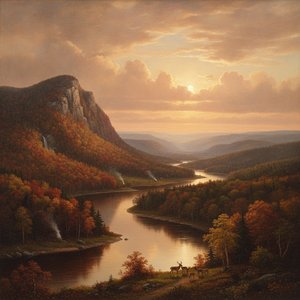
The Hudson River School: A Definitive Guide to America's Romantic Landscape Tradition
Explore the profound legacy of the Hudson River School. Discover how masters like Thomas Cole captured the American sublime through Romanticism and Luminism. A definitive guide for art historians and collectors seeking to understand America's wild beauty.