
 Podgląd w skali 1:1
 Wyślij jako kartkę
 Udostępnij
 Szczegóły dzieła
 Przewodnik

 Pobierz obraz
 Podobne obiekty
 RTG
RTG Pokaz slajdów
 Pytania i odpowiedzi
 Statystyki
John Plampin

- 60.0 x 50.0 cm


 Rozwiń treść
Giclée / Wydruk artystyczny
Wydruki giclée lub płótna o jakości muzealnej, szybka realizacja i szeroki wybór opcji wykończenia. ( Zamów ręcznie malowaną reprodukcję Przejdź do wersji cyfrowej)




P118B zł10

P118H zł10

P118W zł10

P438Z zł10

P508JH zł12

P508YH zł12

P805H zł10

P805Z zł10

P919BZ zł10

P919G zł10

P919XJ zł10

P959ZH zł10

P968JZ zł12

W106C zł8

W218G zł10

W218JH zł8

W218Y zł10

W307PJ zł10

W316G zł10

W316PJ zł8

W316Y zł10

W398PJ zł8

W4111J zł10

W500HY zł15

W500JH zł15

W692G zł12

W849H zł8

W940BG zł15

W953PJ zł8




Wybierz spośród naszych standardowych rozmiarów, które zachowują oryginalne proporcje dzieła sztuki.

Wpisz wymaganą szerokość i wysokość, aby dopasować grafikę do ramy lub ściany. Wydruk można jedynie przyciąć, nigdy nie powiększając go poza oryginalny obraz, dlatego format o innych proporcjach spowoduje utratę części kompozycji. Przed rozpoczęciem druku prześlemy Ci cyfrowy podgląd do zatwierdzenia. Obraz wyświetlany na tej stronie nie pokazuje rzeczywistego przycięcia — jedynie podgląd oddaje ten efekt.
Dostawa na cały świat () w ciągu 2 tygodni zamiast standardowych 4/5 tygodni. (12 Listopad)

Bezpłatna ekspresowa wysyłka na cały świat

Wysokiej jakości płótno lniane

Pełne ubezpieczenie przesyłki

Gwarancja zwrotu należności celnych i podatków importowych

Gwarancja wiernego odwzorowania kolorów

100-dniowa polityka zwrotów (tylko w przypadku wad)

Gwarancja 100% zwrotu pieniędzy

Zniżka przy zakupie wielu sztuk
 Opcja ze szkłem jest dostępna wyłącznie w rozmiarach poniżej 110 cm

John Plampin
Giclée / Wydruk artystyczny
Wymiary reprodukcji
-


Cena całkowita
zł 316
A Moment of Serene Grace: Thomas Gainsborough’s *John Plampin*
Thomas Gainsborough's *John Plampin*, painted in 1755, is more than just a portrait; it’s an exquisite distillation of the Rococo era’s emphasis on natural beauty and understated elegance. Housed within the hallowed halls of the National Gallery in London, this oil-on-canvas masterpiece invites us into a world of quiet contemplation, where the subject, John Plampin himself, becomes inextricably linked to the idyllic landscape surrounding him. The painting immediately establishes a sense of relaxed intimacy – a gentleman seemingly lost in a moment of peaceful observation, his posture suggesting both confidence and gentle amusement.
The composition is masterfully balanced. Plampin’s pose, with his foot resting casually on a tree branch and his hand gently cradling a spotted dog, speaks volumes about the era's fascination with pastoral life and the pursuit of simple pleasures. The dog, a small, endearing creature, isn’t merely a decorative element; it subtly reinforces the theme of companionship and contentment. Gainsborough’s skill lies not just in depicting the subject accurately but in conveying his character through subtle gestures and expressions – a hint of a smile playing on Plampin's lips hints at an inner life beyond the formal portraiture conventions of the time.
The Language of Rococo: Brushstrokes and Light
Gainsborough’s signature style, firmly rooted in the Rococo movement, is immediately apparent. The artist employs a remarkably delicate brushwork, creating a sense of shimmering light and atmospheric depth. Notice how he uses loose, flowing strokes to capture the texture of the tree bark and the dappled sunlight filtering through the leaves – these aren't sharply defined details but rather impressions, contributing to the painting’s overall feeling of softness and movement. The palette is restrained yet luminous, dominated by muted greens, blues, and browns, punctuated by the vibrant gold of Plampin’s coat buttons. This careful control of color and light is a hallmark of Gainsborough's technique, elevating the portrait beyond mere likeness to a truly evocative experience.
The background landscape isn’t merely a backdrop; it actively participates in the narrative. The trees, rendered with an almost dreamlike quality, create a sense of enclosure and tranquility. It’s a deliberate choice that draws the viewer into Plampin's world, suggesting a connection between the individual and the natural realm – a core tenet of the Rococo aesthetic.
A Portrait of an Era: Context and Symbolism
*John Plampin* was painted during a period of significant social and artistic change in Britain. The late 18th century witnessed a growing interest in landscape painting, fueled by the ideals of the Enlightenment and a renewed appreciation for nature. Gainsborough himself embraced this trend, moving increasingly towards landscapes while retaining his skill as a portraitist. The inclusion of Plampin’s dog can be interpreted symbolically – representing loyalty, companionship, and perhaps even a connection to rural life, values that were becoming increasingly important in the evolving British social landscape.
Furthermore, the painting reflects the aristocratic tastes of the time, with its emphasis on leisure, refinement, and an appreciation for beauty. The blue coat, adorned with gold buttons, speaks to wealth and status, while Plampin’s relaxed demeanor suggests a man comfortable in his position. It's a portrait that captures not just a likeness but also a social standing.
Bringing *John Plampin* Home: Reproduction and Inspiration
OriginalUniqueArt offers meticulously crafted hand-painted reproductions of *John Plampin*, allowing you to experience the artistry and beauty of this iconic work in your own home. Our skilled artists replicate Gainsborough’s delicate brushwork, nuanced color palette, and atmospheric depth with exceptional precision. Whether you're an art collector, a design enthusiast, or simply seeking a piece that evokes a sense of serenity and timeless elegance, a OriginalUniqueArt reproduction of *John Plampin* is the perfect choice.
Consider how this painting’s themes – connection to nature, quiet contemplation, and understated grace – can inform your own interior design choices. The soft colors and relaxed composition create a calming atmosphere, making it an ideal addition to any room where you seek tranquility and beauty. Explore our collection today and bring the timeless charm of *John Plampin* into your world.
Pytania i odpowiedzi
Jakie umiejscowienie najlepiej pasuje do formatu dzieła „John Plampin” – Thomas Gainsborough?
Format (Pozioma) oraz rekomendowana przestrzeń (Salon lub strefa dzienna) to dwa parametry dotyczące rozmieszczenia dzieła „John Plampin” – Thomas Gainsborough.
Jaki jest format dzieła "John Plampin"?
Format dzieła „John Plampin” to Pozioma. Jest to pomocna informacja podczas planowania miejsca, w którym zostanie umieszczona reprodukcja.
Gdzie mogę znaleźć dzieła sztuki podobne do „John Plampin” – Thomas Gainsborough?
Dzieła podobne do „John Plampin” można znaleźć na stronie Podobne dzieła danego dzieła.
Biografia artysty
Wczesne lata, rodzina i kształcenie
W cichym miasteczku rynkowym Sudbury w Wielkiej Brytanii, 14 maja 1727 roku, rozpoczęła się historia, którą napisał Thomas Gainsborough. Był najmłodszym synem Johna Gainsborough, człowieka, który utrzymywał rodzinę jako tkacz i handlarz wełną. Choć rzemiosło rodzinne wymagało zupełnie innego rodzaju precyzji, młody Thomas czuł nieodparty pociąg ku innej formie tworzenia. Już od niezwykle wczesnych lat przejawiał wrodzoną wrażliwość artystyczną, która zdawała się dręczyć go od wewnątrz. Nie tylko obserwował otaczający go świat; on czuł głęboką, narastającą potrzebę uchwycenia go za pomocą rysunku i malarstwa.
To naturalne skłonności nie pozostały długo jedynie dziecięcą rozrywką. Gdy miał trzynaście lat, magnetyzm stolicy stał się zbyt silny, by go ignorować, i w 1740 roku porzucił znajome krajobrazy Suffolk, by udać się na gwarne ulice Londynu. To właśnie tam szukał rygoru formalnego wykształcenia, ostatecznie kształcąc się pod okiem francuskiego malarza, którym był Hubert-François Gravelot. Ten okres nauki zapewnił mu fundament techniczny niezbędny do przekształcenia surowego talentu w zdyscyplinowany warsztat. Elegancja francuskiego stylu miała ostatecznie splotć się z jego własną, dojrzewającą wizją, pomagając mu wyjść poza proste szkice młodości w stronę bardziej wyrafinowanej biegłości w posługiwaniu się medium.
Formacyjne lata w Ipswich i Bath
Po opuszczeniu bezpiecznej przystani rodzinnego domu, Thomas Gainsborough przeniósł się do Ipswich po 1748 roku. To właśnie w tych latach jego sława zaczęła wykraczać poza lokalne kręgi, w których dorastał. Przestał być jedynie utalentowanym młodzieńcem o zacięciu do szkicowania, a stał się profesjonalistą, który pewnie stawiał kroki wśród kupców i lokalnej szlachty. Ten czas transformacji pozwolił mu udoskonalić umiejętność chwytania prawdziwego charakteru swoich modeli – dar, który stał się fundamentem jego późniejszej, wielkiej kariery.
W 1759 roku nastąpił przełomowy moment, gdy artysta zdecydował się na przeprowadzkę do Bath. Zamieszkał pod numerem 17 przy The Circus, w samym sercu tętniącego życiem, modnego społeczeństwa. Miasto to stanowiło magnes dla najbogatszych i najbardziej wpływowych ludzi, a Thomas Gainsborough szybko nauczył się przyciągać tych wysokostatusowych klientów. Obecność w Bath pozwoliła mu poruszać się w kręgach wymagających nie tylko elegancji, ale i określonego statusu społecznego, co pchnęło jego sztukę w stronę wyrafinowanego gustu epoki. Zaczął wówczas umiejętnie balansować między rygorem zamówień portretowych a prywatną pasją do pejzażu, tworząc dualizm, który zdefiniował jego życie zawodowe w tym mieście.
- Portrait of a Woman, Possibly of the Lloyd Family (ok. 1750)
- The Gravenor Family (1752)
Lata londyńskie i królewski mecenat
Do 1774 roku przyciągająca siła stolicy stała się zbyt silna, by jej się oprzeć, i Thomas Gainsborough przeniósł się do Londynu, by szukać tam swojego ostatecznego przeznaczenia. Założył pracownię przy Pall Mall, w miejscu, które umieściło go w samym sercu życia społecznego i artystycznego miasta. To właśnie w tym okresie, stając się współzałożycielem Royal Academy, pomógł ukształtować przyszłość brytyjskiej sztuki. Jego obecność w metropolii sprawiła, że jego nazwisko zaczęto wymieniać obok najbardziej wpływowych postaci epoki.
Sukces w stolicy wprowadził go do najbliższych kręgów władzy. Stał się ulubionym malarzem króla Jerzego III oraz rodziny królewskiej, zyskując poziom mecenatu, o jakim niewielu mógł tylko marzyć. Ta bliska więź z tronem zapewniła mu stały strumień prestiżowych zleceń, pozwalając na doskonalenie umiejętności oddawania godności i statusu najwyższych warstw społeczeństwa. Nawet gdy poruszał się w zawiłościach londyńskiej sceny artystycznej, jego tęsknota za spokojem angielskiej wsi pozostawała niezmienna, mimo że malował już dla najpotężniejszych ludzi w królestwie.
- Mrs. Thomas Gainsborough, née Margaret Burr (1778)
- Królowa Charlotta (bez daty)
Technika i styl artystyczny
Jego pędzel poruszał się po płótnach z pewną niepokojącą energią, faworyzując szybkie, zdecydowane pociągnięcia, które sugerowały formę, zamiast mozolnie ją definiować. Preferował jasną paletę barw, często łącząc miękkie tony z głębokimi, ziemistymi brązami, aby stworzyć wrażenie naturalizmu. Takie podejście zapewniało dziełom niezwykłą płynność, jak gdyby sama farba wciąż pozostawała w ruchu. Nie szukał on jedynie rejestracji twarzy, lecz pragnął uchwycić subtelną grę między ludzkimi emocjami a splendorem świata natury. W jego dłoniach model i otaczające go środowisko nigdy nie były odrębnymi od siebie bytami.
Ta więź stawała się najbardziej widoczna w jego nawyku płynnego integrowania krajobrazu z portretem. Umieszczał swoich bohaterów w szerokich, otwartych przestrzeniach angielskiej wsi, pozwalając atmosferze nieba i teksturze drzew nadawać charakter postaci przedstawionej na obrazie. Metoda ta pozwalała mu zasypać przepaść między formalnymi wymogami portretu a jego własną, głęboką pasją do pejzażu. Jego prace często opierały się na przezroczystości pociągnięć pędzla, wykorzystując syntetyczne znaki, by zasugerować delikatną fakturę jedwabiu lub ulotne światło tańczące na polu.
- The Blue Boy (ok. 1770)
- Mr and Mrs Andrews (ok. 1750)
- Mrs. Sarah Siddons (1785)
Kluczowe dzieła i arcydzieła
Jego pędzel często dążył do harmonijnego połączenia godności modela z tętniącym życiem, rozległym krajobrazem. W obrazie Mr and Mrs Andrews artysta zrobił coś znacznie więcej niż tylko uwiecznił parę małżeńską; przedstawił sam krajobraz, który należał do modeli, zakorzeniając ich status społeczny w samej ziemi. Ta nierozerwalna więź między człowiekiem a miejscem stała się powracającym motywem w jego twórczości, gdy poruszał się w kręgach szlachty. Nawet jego bardziej intymne studia, jak portret Mrs. Sarah Siddons namalowany w 1785 roku, niosły w sobie głębokie poczucie charakteru i osobowości.
Istnieją w jego dorobku dzieła, które zdają się posiadać własne życie, wykraczając poza ramy tradycyjnej galerii. The Blue Boy, olej na płótnie, uważany jest za portret Jonathana Buttalla, jednak dzieło to zyskało obecność, która wykracza daleko poza jego pierwotny cel. To obraz, który pozostaje w pamięci widza długo po tym, jak ten odwróci wzrok. Nawet takie dzieło jak The Gravenor Family odnalazło swoje nieoczekiwane, drugie życie, zostając wyciętym i wklejonym w okładkę książki wydanej w 1983 roku.
- The Blue Boy
- Mr and Mrs Andrews
- Mrs. Sarah Siddons
- The Gravenor Family
Gdzie dziś można podziwiać jego dzieła
Spacer po pokojach Gainsborough’s House w Sudbury to nic innego jak wkroczenie w sam środek środowiska, które wykarmiło jego wczesną wizję artystyczną. Ten dom-muzeum zachowuje nieuchwytną atmosferę jego dzieciństwa, oferując namacalną więź z krajobrazem Suffolk, tak często powracającym na jego płótnach. To wciąż ciche miejsce, w którego murach, będących miejscem jego narodzin, wciąż można wyczuć rytm jego formacyjnych lat.
Dziedzictwo jego pędzla wykracza daleko poza granice hrabstwa Suffolk. W Ipswich, w Christchurch Mansion, znajduje się znacząca kolekcja jego malarstwa, gdzie jego wyrafinowane portrety sąsiadują z dziełami innych wielkich mistrzów. Dla tych, którzy pragną osobiście obcować z jego niezwykłym talentem, National Gallery w Londynie oferuje przestrzeń do bezpośredniego spotkania z jego kunsztem. Jego wpływ sięga jednak jeszcze dalej, przez Ocean Atlantycki, aż do Metropolitan Museum of Art w Nowym Jorku, gdzie jego płótna są nadal chronione i podziwiane przez ludzi oddalonych od sielskich krajobrazów Anglii.
- The Blue Boy (ok. 1770)
- Mr and Mrs Andrews (ok. 1750)
- Mrs. Thomas Gainsborough, nee Margaret Burr (1778)

Thomas Gainsborough
1727 - 1788 , Wielka Brytania
Krótka nota
- Artistic Movement Or Style: Rokoko, Romantyzm
- Artists Or Movements Influenced By This Artist:
- Impresjoniści
- John Constable
- Artists Who Influenced This Artist:
- Hubert Gravelot
- William Hogarth
- Date Of Birth: 1727
- Date Of Death: 1788
- Full Name: Thomas Gainsborough
- Nationality: Brytyjska
- Notable Artworks:
- Conversation in a Park
- Mr and Mrs Andrews
- The Blue Boy
- Mrs. Thomas Gainsborough
- Place Of Birth: Sudbury, Wielka Brytania
Powiązane artykuły

Mastering the Brush: The Top 25 Essential Artworks by Thomas Gainsborough
Immerse yourself in the elegance of Thomas Gainsborough. Explore 25 iconic masterpieces, from luminous landscapes to aristocratic portraits. Find inspiration for museum-quality art reproductions and timeless decor. Discover all masterpieces on OriginalUniqueArt.com.

Spokojne Wizje: Badanie Tranquillity w Historii Sztuki i Współczesnej Praktyce
Odkryj historię spokoju w sztuce – od klasycznych pejzaży po współczesne interpretacje. Analiza dzieł, inspiracje i wpływ natury na artystyczną wizję. Ekspercka wiedza OriginalUniqueArt.

Holenderski Barok: 10 Arcydzieł, Które Zdefiniowały Epokę | OriginalUniqueArt
Poznaj 10 arcydzieł holenderskiego baroku! Odkryj historie Rembrandta, Vermeera i innych mistrzów XVII wieku. Reprodukcje obrazów najwyższej jakości – idealne do Twojego wnętrza. OriginalUniqueArt.com
Arcydzieła XIX Wieku: 10 Obrazów Opowiadających Epokę | OriginalUniqueArt
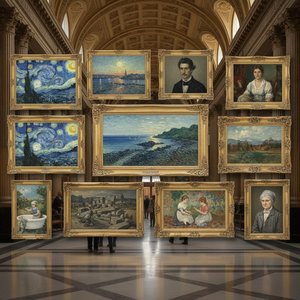
Odkryj 10 arcydzieł XIX wieku! Poznaj historię Monet, Van Gogha i Courbeta. Imesjonizm, realizm, romantyzm – obrazy pełne emocji i piękna czekają na OriginalUniqueArt.com. Znajdź idealny obraz do swojego wnętrza!

Masterpieces of Elegance: The Top 25 Artworks by Thomas Gainsborough
Immerse yourself in the elegance of British portraiture. Explore 25 iconic masterpieces by Thomas Gainsborough, from fluid landscapes to refined Rococo portraits. Find inspiration for museum-quality art reproductions and timeless decor. Discover all masterpieces on OriginalUniqueArt.com.


