Contemporary Realism · 1874
Forgiven (Thomas Faed, 1874)
Thomas Faed (1826–1900) stworzył Forgiven. Dzieło pochodzi z 1874. Należy do nurtu Contemporary Realism. Wykonano w technice Oil On Canvas. Przechowywane jest w Guildhall Art Gallery w Londyn, Zjednoczone Królestwo. Wymiary to 36 × 48 cm.
- 1874
- Oil On Canvas
- 36 × 48 cm
- Guildhall Art Gallery, Londyn

 Podgląd w skali 1:1

 Ręcznie malowany obraz olejny
 Wyślij jako kartkę
 Udostępnij
 Karta informacyjna


 Pobierz obraz
 Podobne obiekty
 RTG
 Pokaz slajdów
 Pytania i odpowiedzi

 Statystyki
Forgiven w skrócie
- Tytuł
- Forgiven
- Artysta
- Thomas Faed (1826–1900)
- Miejsce urodzenia artysty
- Kirkcudbright, Wielka Brytania
- Data powstania
- 1874
- Technika wykonania
- Oil On Canvas
- Wymiary
- 36 × 48 cm
- Gdzie można je zobaczyć
- Guildhall Art Gallery, Londyn, Zjednoczone Królestwo
- Epoka
- 19th Century
- Temat
- family portrait, domestic scene, victorian era, warmth, rural life, intimate moment
Co przedstawia Forgiven?
Identification of Forgiven by Thomas Faed
In this intimate oil on canvas, titled Forgiven, the Scottish artist Thomas Faed explores the quietude of domestic life. Created in 1874, the work offers a glimpse into the sentimental realism that defined much of Faed's career. The piece is modest in scale, measuring 36 x 48 cm, which encourages a close, personal encounter with the figures depicted.
Faed, born in 1826 in Gatehouse of Fleet, United Kingdom, possessed a particular sensitivity to the textures of everyday existence. Through Forgiven, he captures a specific moment of familial connection, utilizing the medium of oil to build a sense of warmth within a humble setting. The work remains a significant example of his ability to translate human emotion into a visual narrative.
The Composition and Visual Elements
The scene unfolds within a dimly lit, rustic interior, capturing a quiet moment of domesticity. At the center of the composition, a family group is gathered around a table, consisting of an older man, a woman, and a young child. The arrangement feels somewhat cluttered, with various objects scattered throughout the space to suggest a lived-in, humble setting. This density of detail creates a sense of immediacy, as if we have stumbled upon a private, unposed instance of daily life.
Lighting is used with great subtlety here. The primary source of illumination emanates from a fireplace located on the left side of the frame, casting soft light across the figures and creating deep shadows that provide a sense of volume. This interplay of light and shadow allows for a clear sense of depth, achieved through the careful layering of the figures and the surrounding furniture. The atmosphere remains somber and quiet, grounded by a color palette dominated by muted greens, browns, and grays.
Technique and Style
The work is executed in oil on canvas, utilizing a painterly technique that prioritizes the immediate sensation of the scene. You can see the visible brushstrokes throughout the composition, which lend a sense of immediacy to the domestic setting. The lines are predominantly organic and slightly loose, avoiding the rigid precision of more academic works. This approach allows the forms to settle into the space with a natural, unforced quality.
The lighting is subdued, emanating from a fireplace to the side, which has a profound effect on how the shapes are perceived. Because of this soft illumination, the edges of the figures and objects lack sharpness; instead, they appear somewhat softened, blending gently into the shadows. This creates a palpable sense of volume and depth within the rustic interior. You can feel the tactile nature of the environment through the way the paint is applied to the rough wooden surfaces and the heavy folds of the fabric.
Where to See This Work Today
You may find this work at the Guildhall Art Gallery in London, United Kingdom. It is part of the collection held by the City of London, England. The gallery is situated within the Moorgate area, offering a quiet space to observe the nuances of Faed's brushwork.
The museum itself is housed in a stone building designed in a semi-Gothic style. It provides a dignified setting for such intimate domestic scenes. If you find yourself in the city, the architecture of the gallery complements the historical weight of the pieces within its walls.
Related Works by Thomas Faed
To understand the breadth of Faed's output, one might look toward his earlier compositions, such as His Only Pair, which dates from about 1860. This period of his career also produced Listeners Ne'er Hear Any Good Of Themselves, a work that reflects his interest in the nuances of human interaction. His ability to handle narrative was further demonstrated in The Last of the Clan, completed in 1865. These pieces offer a glimpse into the development of his specific approach to genre painting and the quietude of domestic life.
Several of his most significant paintings are held in permanent collections, allowing for a deeper study of his technical skill. The Silken Gown is part of the collection at the Tate Gallery. In the Aberdeen Art Gallery, one can find both Highland Mary and The Reaper. These works, alongside celebrated pieces like The Motherless Bairn and Scott and His Literary Friends at Abbotsford, illustrate the range of his subject matter, from intimate studies to more expansive, literary-inspired scenes.
W którym muzeum znajduje się Forgiven?
Guildhall Art Gallery
Londyn, Zjednoczone Królestwo
Tkanina Czasu: Gdzie Wiktoriański Splendor Spotyka Rzymskie Echa W samym sercu historycznej dzielnicy City w Londynie, Guildhall Art Gallery oferuje znacznie więcej niż tylko zwykły pokaz płócien; zapewnia głęboką, zmysłową podróż przez warstwy ludzkiej cywilizacji. Przekroczenie jego progów to wejście w przestrzeń, w której wyrafinowana elegancja epoki wiktoriańskiej współistnieje z surowymi i trwałymi kamieniami rzymskiej Brytanii. Ta wyjątkowa instytucja osiąga rzadki w świecie muzealnym wyczyn, płynnie splatając delikatne pociągnięcia pędzla dziewiętnastowiecznych mistrzów z namacalnymi, podziemnymi echami starożytnego imperium.

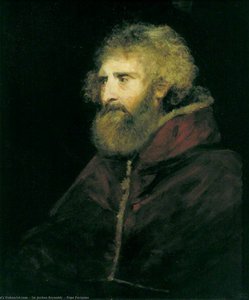

Zdjęcia w wysokiej rozdzielczości dzieła Forgiven
Domena publiczna: artysta zmarł w 1900.
Thomas Faed, Forgiven (1874), Guildhall Art Gallery. Domena publiczna
Odpowiedzi na pytania dotyczące Forgiven
Gdzie można zobaczyć oryginał „Forgiven” – Thomas Faed?
Oryginał dzieła „Forgiven” można zobaczyć w Guildhall Art Gallery, Londyn, Zjednoczone Królestwo.
W którym roku powstało dzieło "Forgiven"?
„Forgiven” – Thomas Faed powstało w 1874.
W jakiej technice wykonano „Forgiven” – Thomas Faed?
Thomas Faed wykorzystał/a technikę Oil On Canvas w pracy „Forgiven”. Technika ta definiuje materię oryginalnego dzieła.
Jakie są rzeczywiste wymiary dzieła „Forgiven” – Thomas Faed?
Oryginalny utwór „Forgiven” – Thomas Faed ma wymiary 36 x 48 cm.
Co przedstawia "Forgiven"?
Tematyka obecna w „Forgiven” – Thomas Faed obejmuje family portrait, domestic scene, victorian era, warmth, rural life, intimate moment, family bonds, soft lighting. Razem stanowią one podsumowanie tematyki dzieła.
Czy dzieło "Forgiven" znajduje się w domenie publicznej?
„Forgiven” – Thomas Faed znajduje się w domenie publicznej (należy do domeny publicznej – autorskie prawa majątkowe wygasły). Status ten określa zasady reprodukcji obrazu tego dzieła.
Kto stworzył "Forgiven"?
Autorstwo dzieła "Forgiven" przypisuje się Thomas Faed.
Do jakiego nurtu artystycznego należy „Forgiven” – Thomas Faed?
„Forgiven” – Thomas Faed należy do nurtu Contemporary Realism. Nurt ten stanowi stylistyczny kontekst dzieła.
Do którego okresu twórczości Thomas Faed należy dzieło "Forgiven"?
"Forgiven" reprezentuje Mature Period twórczości Thomas Faed.
O artyście: Thomas Faed

1826–1900, Wielka Brytania
Thomas Faed
Dziedzictwo Szkockiej Wrażliwości Thomas Faed zajmuje wyjątkowe miejsce w annałach sztuki szkockiej, często opisywany z głęboką czcią, jaką można by przypisać wpływowi Roberta Burnsa na szkocką pieśń. Urodzony w Kirkcudbrightshire, w Barlay Mill, Faed był częścią niezwykłej rodziny twórców; jego bracia James i John oraz siostra Susan dzielili to samo głębokie artystyczne powołanie. Jego wczesne lata były zakorzenione w surowym, a zarazem pięknym krajobrazach Galloway – środowisku, które bez wątpienia ukształtowało ciepło i domową atmosferę odnajdywaną w jego najcenniejszych dziełach. Po odebraniu formalnego wykształcenia artystycznego w szkole projektowania w Edynburgu, rozpoczął podróż, która miała zaprowadzić go z serca Szkocji do prestiżowych pracowni Londynu.
Inne prace Thomas Faed
 Worn Out
 Highland Mary1857
 Faults on Both Sides1861
 The Doctor's Visit1889
Eseje o Forgiven
 The Timeless Beauty of Oil on Canvas: A Masterclass in Texture, Impasto, and Artistic MasteryDiscover the profound allure of oil on canvas. Explore the mastery of impasto textures, the science of pigment longevity, and expert guides…
 Masterpieces of Quinten Metsys: The Top 25 Essential ArtworksExplore 25 iconic works by Quinten Metsys, the master of the Antwerp School. Discover his Flemish Renaissance gems on OriginalUniqueArt.com.
 Masterpieces of Realism: The Top 25 Artworks by Thomas EakinsExplore the top 25 masterpieces of American Realism by Thomas Eakins. Discover his iconic works and find curated art on OriginalUniqueArt.c…