
 Podgląd w skali 1:1
 Wyślij jako kartkę
 Udostępnij
 Szczegóły dzieła
 Przewodnik

 Pobierz obraz
 Podobne obiekty
 RTG
RTG Pokaz slajdów
 Pytania i odpowiedzi
 Statystyki
Romans of the Decadence

- 466.0 x 773.0 cm


 Rozwiń treść
Giclée / Wydruk artystyczny
Wydruki giclée lub płótna o jakości muzealnej, szybka realizacja i szeroki wybór opcji wykończenia. ( Zamów ręcznie malowaną reprodukcję Przejdź do wersji cyfrowej)




P118B zł10

P118H zł10

P118W zł10

P438Z zł10

P508JH zł12

P508YH zł12

P805H zł10

P805Z zł10

P919BZ zł10

P919G zł10

P919XJ zł10

P959ZH zł10

P968JZ zł12

W106C zł8

W218G zł10

W218JH zł8

W218Y zł10

W307PJ zł10

W316G zł10

W316PJ zł8

W316Y zł10

W398PJ zł8

W4111J zł10

W500HY zł15

W500JH zł15

W692G zł12

W849H zł8

W940BG zł15

W953PJ zł8




Wybierz spośród naszych standardowych rozmiarów, które zachowują oryginalne proporcje dzieła sztuki.

Wpisz wymaganą szerokość i wysokość, aby dopasować grafikę do ramy lub ściany. Wydruk można jedynie przyciąć, nigdy nie powiększając go poza oryginalny obraz, dlatego format o innych proporcjach spowoduje utratę części kompozycji. Przed rozpoczęciem druku prześlemy Ci cyfrowy podgląd do zatwierdzenia. Obraz wyświetlany na tej stronie nie pokazuje rzeczywistego przycięcia — jedynie podgląd oddaje ten efekt.
Dostawa na cały świat () w ciągu 2 tygodni zamiast standardowych 4/5 tygodni. (8 Listopad)

Bezpłatna ekspresowa wysyłka na cały świat

Wysokiej jakości płótno lniane

Pełne ubezpieczenie przesyłki

Gwarancja zwrotu należności celnych i podatków importowych

Gwarancja wiernego odwzorowania kolorów

100-dniowa polityka zwrotów (tylko w przypadku wad)

Gwarancja 100% zwrotu pieniędzy

Zniżka przy zakupie wielu sztuk
 Opcja ze szkłem jest dostępna wyłącznie w rozmiarach poniżej 110 cm

Romans of the Decadence
Giclée / Wydruk artystyczny
Wymiary reprodukcji
-


Cena całkowita
zł 317
A Monumental Vision of Antiquity
In the hallowed, quiet corridors of the Musée d'Orsay, there exists a window into a world of fading glory, captured through the masterful lens of Thomas Couture. His 1847 masterpiece, Romans in Their Decadence, is far more than a mere historical tableau; it is a visceral exploration of an empire in its twilight. This colossal oil on canvas, measuring an imposing 466 x 773 cm, stands as an arresting testament to the artistic fervor of the mid-nineteenth century—a period grappling with shifting intellectual currents and a profound yearning for a return to classical ideals. The painting presents a lavish gathering of figures within an opulent architectural setting, where the grandeur of ancient Rome meets the inevitable shadow of moral and societal erosion.
The composition pulsates with a restless dynamism, capturing a crowded scene that feels almost like a tableau vivant—a staged event designed to overwhelm the senses. As the viewer’s eye wanders through the dense arrangement of bodies, one encounters a symphony of movement: figures dancing, conversing, reclining, and observing in a state of luxurious excess. At the heart of this chaotic splendor, a statue of Venus stands prominently on a pedestal, framed by majestic Corinthian columns. This central icon serves as a silent witness to the surrounding revelry, embodying the very beauty and passion that the era's decadence sought to consume.
The Intersection of Neoclassicism and Romantic Emotion
Couture’s technical prowess lies in his ability to bridge two seemingly opposing worlds: the disciplined precision of Neoclassicism and the emotive turbulence of Romanticism. The architectural details—the meticulously rendered stone, the geometric stability of the arches, and the idealized forms of the figures—speak to a deep respect for classical tradition. Yet, this structural rigidity is infused with a Romantic soul through dramatic lighting and deeply expressive faces. A strong, theatrical light source illuminates the central area, casting long, heavy shadows that enhance the sense of depth and volume, creating an atmosphere that is simultaneously magnificent and haunting.
<The color palette further reinforces this emotional duality. Dominated by warm, earthy tones—rich browns, deep reds, and shimmering golds—the painting evokes a sense of heat, passion, and material wealth. These are sharply contrasted against cooler blues and whites found in the architectural elements and flowing drapery, providing a visual tension that mirrors the societal tension within the subject matter itself. Through layered brushwork and a sophisticated use of texture, Couture breathes life into fabric, skin, and stone, making the decadence feel tangibly present.
A Legacy for the Discerning Collector
For the art lover, the collector, or the interior designer, Romans in Their Decadence offers more than just historical interest; it provides a profound emotional resonance. It is a piece that commands attention, making it an ideal centerpiece for spaces that celebrate drama, history, and classical elegance. Whether placed in a grand salon or a sophisticated study, a high-quality reproduction of this work brings with it the weight of history and the spirit of rebellion that defined Couture’s career.
Owning a piece inspired by this masterpiece allows one to inhabit the tension between strength and decay, beauty and excess. It serves as a constant reminder of the cyclical nature of empires and the enduring power of art to capture the fleeting moments of human history. For those seeking to infuse their surroundings with a sense of monumental scale and narrative depth, Couture’s vision remains an unparalleled source of inspiration.
Pytania i odpowiedzi
W jaki sposób Academic Art dzieła „Romans of the Decadence” nawiązuje do kraju pochodzenia artysty?
Dzieło z nurtu Academic Art, zatytułowane "Romans of the Decadence", zostało stworzone przez artystę urodzonego w Francja.
Jaka paleta barw została wykorzystana w „Romans of the Decadence” – Thomas Couture?
Paleta dzieła „Romans of the Decadence” – Thomas Couture jest opisywana jako Earthy. Stanowi ona zwięzłe zestawienie barw użytych w pracy.
Jakie miejsce w dorobku twórczym Thomas Couture zajmuje dzieło "Romans of the Decadence"?
"Romans of the Decadence" wpisuje się w nurt Academic Art w twórczości Thomas Couture, której charakterystyczne motywy obejmują raphael's influence, classical ideals, roman decadence critique", 19th-century moral anxieties, romanticism's dramatic flair, couture's historical narratives, teaching & artistic legacy, exploring societal decline".
Biografia artysty
A Rebel in the Atelier: The Life and Legacy of Thomas Couture
Thomas Couture (1815–1879) stands as a singular figure in 19th-century French art—a painter who defied academic expectations while simultaneously mastering their formal conventions. Born in Senlis, France, his journey toward artistic recognition was marked by persistent rejection from the Prix de Rome competition, an event that would have secured him residency at the Académie de France in Rome. Rather than succumbing to disappointment, these setbacks instilled within Couture a conviction that the prevailing artistic system demanded reform, propelling him to forge his own path and establishing an independent atelier—a space dedicated to those yearning for alternatives to traditional instruction. This spirit of defiance would define not only his artistic practice but also his enduring legacy as a teacher and innovator.Early Life and Artistic Formation
Jean Couture, Thomas’s father, was a shoemaker who instilled in his son a love for craftsmanship and an appreciation for the tangible world—values that would inform Couture's artistic sensibilities throughout his life. Despite his father’s encouragement to pursue scholarly pursuits, Couture harbored a deep fascination with art from a young age, immersing himself in classical literature and philosophy alongside honing his drawing skills. Recognizing his talent, Jean Couture secured him admission to the École gratuite de dessin at the Conservatoire des arts et métiers in Paris—a formative experience that exposed Couture to the burgeoning currents of Romanticism and emphasized the importance of combining artistic vision with technical proficiency. He continued his studies at the École des Beaux-Arts under Antoine Gros and Paul Delaroche, absorbing their stylistic influences while simultaneously cultivating a distinctive aesthetic sensibility.The Scandalous “Romans During the Decadence”
Couture’s breakthrough arrived in 1847 with *Romans During the Decadence*, a monumental painting that immediately captivated audiences at the Paris Salon and ignited considerable controversy. Departing from the idealized depictions favored by academic painters, Couture presented a searing social critique—inspired by Juvenal's satirical verses—that exposed the moral corruption and opulent excess plaguing Roman society. The canvas pulsates with an unrestrained energy, populated by figures draped in sumptuous fabrics amidst crumbling classical ruins—a deliberate juxtaposition designed to mirror the perceived decline of French civilization under the Second Republic. Couture’s masterful manipulation of tonal contrasts—dark hues punctuated by brilliant highlights—amplified the painting's dramatic impact and underscored its symbolic significance. Critics lauded Couture’s boldness and originality, recognizing his refusal to conform to artistic conventions as a courageous assertion of intellectual independence.A Teacher Shaping Artistic Voices
Beyond his own artistic achievements, Couture exerted considerable influence through his role as an educator—a vocation he embraced wholeheartedly. He opened his atelier to a diverse cohort of aspiring artists, rejecting the rigid formalism of the École des Beaux-Arts and fostering an environment conducive to experimentation and critical engagement. Among Couture’s most celebrated pupils were luminaries who would reshape the landscape of modern art: Édouard Manet, Henri Fantin-Latour, Pierre Puvis de Chavannes, John La Farge, and many others. Couture championed “quick painting,” anticipating techniques later adopted by Impressionists, stressing the importance of direct observation from life, and encouraging students to develop their individual artistic voices—a pedagogical approach that prioritized intuition and expressive freedom over slavish adherence to academic rules.Legacy and Enduring Influence
Thomas Couture’s contribution to art history extends far beyond his impressive oeuvre. His *Méthode et entretiens d'atelier* (Method and Workshop Interviews), published in 1867, remains a seminal text—a forceful critique of artistic dogma advocating for an approach rooted in observation and emotional responsiveness. This treatise solidified Couture’s reputation as a visionary thinker who challenged prevailing assumptions about the nature of artmaking and inspired generations of artists to pursue their own creative paths. His legacy persists not only through his paintings—particularly *Romans During the Decadence*—but also through the indelible mark he left on the artistic sensibilities of some of France's most influential figures, cementing his place as a pivotal innovator in the history of art.
Thomas Couture
1815 - 1879 , Francja
Krótka nota
- Artistic Movement Or Style: Romanticizm i Realizm
- Artists Or Movements Influenced By This Artist:
- Édouard Manet
- Henri Fantin-Latour
- Artists Who Influenced This Artist:
- Antoine-Jean Gros
- Paul Delaroche
- Date Of Birth: Dec 21, 1815
- Date Of Death: Mar 30, 1879
- Full Name: Thomas Couture
- Nationality: Francuzi
- Notable Artworks:
- Romans Podczas Dekadencji
- Znamię Ludzka
- Place Of Birth: Senlis, France
Powiązane artykuły
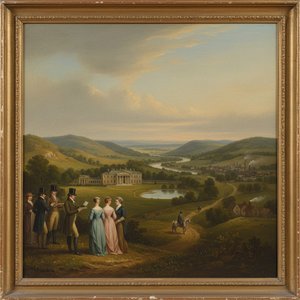
Thomas Barker of Bath: Landscape Painting & Societal Reflection in Early 19th-Century England
Explore the life & work of Thomas Barker of Bath, a key figure in 19th-century English Romanticism. Discover his Parisian success, iconic paintings like 'The Bride of Death', and lasting artistic legacy. Learn more at OriginalUniqueArt.

Arcydzieła XIX Wieku: 10 Obrazów Opowiadających Epokę | OriginalUniqueArt
Odkryj 10 arcydzieł XIX wieku! Poznaj historię Monet, Van Gogha i Courbeta. Imesjonizm, realizm, romantyzm – obrazy pełne emocji i piękna czekają na OriginalUniqueArt.com. Znajdź idealny obraz do swojego wnętrza!

Akademizm w sztuce XIX wieku: Tradycja, technika i poszukiwanie idealnej formy
Poznaj historię akademizmu w sztuce XIX wieku – od renesansowych korzeni po krytykę i wpływ na polskie malarstwo. Analiza technik, tematów i najwybitniejszych artystów. Odkryj świat klasycznej doskonałości!
Akademizm w Obrazie: 10 Arcydzieł Realizmu dla Twojego Domu | OriginalUniqueArt
Poznaj 10 arcydzieł realizmu akademickiego! Odkryj historie Bouguereau, Gérôme i Cabanel. Reprodukcje obrazów najwyższej jakości dla Twojego wnętrza. Inspiracje dekoracyjne na OriginalUniqueArt.com.
Akademizm w sztuce: Tradycja, Technika i Narodziny Modernizmu
Poznaj historię akademizmu w sztuce – od klasycznych technik i tradycji po narodziny modernizmu. Analiza wpływu Akademii Sztuk Pięknych, hierarchii tematów i krytyki tego nurtu. Ekspercka wiedza dla miłośników sztuki.


