
 Podgląd w skali
 Wyślij jako kartkę
 Udostępnij
 Szczegóły dzieła

 Pobierz
 Podobne obiekty
 RTG
RTG Pokaz slajdów
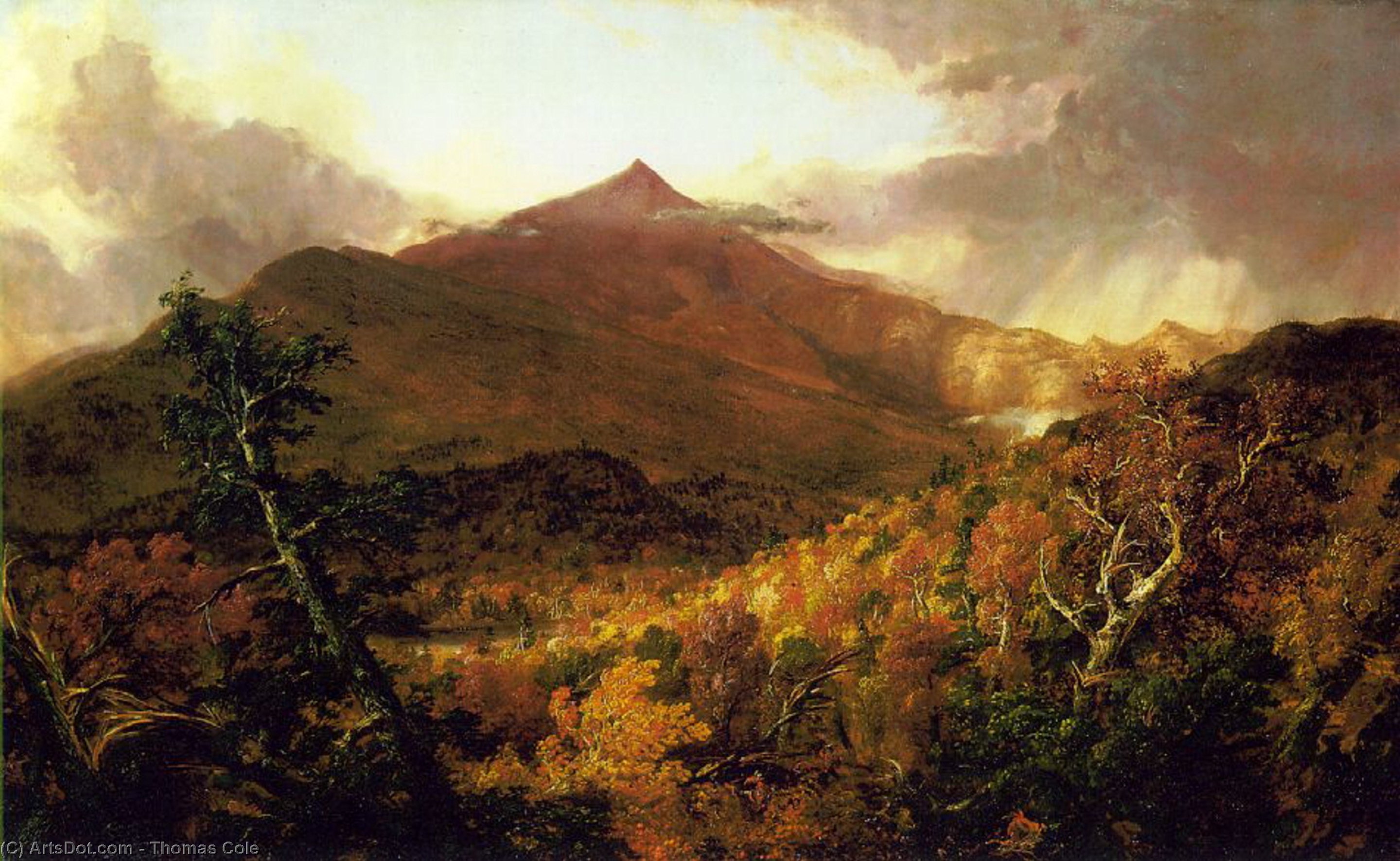
Schroon Mountain, Adirondacks
 Oil
Oil- WallArt
- Hudson River School
 1838
1838- 19th Century
 99.0 x 160.0 cm
 Rozwiń treść
Kup wysokiej rozdzielczości, ulepszony obraz cyfrowy o znacznie wyższej jakości niż podgląd online.
Każdy plik jest starannie przygotowywany przez naszych specjalistów przy użyciu zaawansowanych narzędzi oraz profesjonalnej, ręcznej retuszy. Dbamy o to, aby każdy obraz cechował się wyjątkową ostrością, precyzyjnym odwzorowaniem kolorów i subtelnymi detalami.
Ostateczny plik dostarczany jest drogą mailową w ciągu 72 godzin, zoptymalizowany do natychmiastowego wykorzystania w profesjonalnych zastosowaniach redakcyjnych i poligraficznych. To ta sama jakość, której ufają czołowe studia projektowe, wydawnictwa oraz galerie sztuki.
Obraz cyfrowy
Pobierz plik o wysokiej rozdzielczości do osobistego wyświetlania, druku oraz projektów kreatywnych. ( Zamów wydruk Przełącz na obraz ręcznie malowany)
W każdym zamówieniu na obraz cyfrowy znajduje się
Profesjonalna dostawa cyfrowa z gwarancją
Wybierając OriginalUniqueArt.com, nie otrzymujesz jedynie obrazu – otrzymujesz profesjonalnie udoskonalone cyfrowe dzieło sztuki, stworzone z najwyższą precyzją i objęte gwarancją satysfakcji. Oto wszystko, co automatycznie dołączane jest do Twojego zamówienia:

Błyskawiczna wysyłka e-mailowa
Plik z obrazem cyfrowym w wysokiej rozdzielczości zostanie przesłany na Twój adres e-mail w ciągu 72 godzin od złożenia zamówienia – gotowy do natychmiastowego użycia.

Plik cyfrowy wzbogacony przez AI
Twoja grafika została profesjonalnie zoptymalizowana przy użyciu zaawansowanych narzędzi AI oraz ręcznej edycji, co zapewnia maksymalną szczegółowość, klarowność i wierność kolorów.

Dożywotnia darmowa ponowna dostawa
Przypadkowo usunąłeś lub zgubiłeś swój plik? Bez obaw – prześlemy go Tobie ponownie w dowolnym momencie, bez żadnych opłat.

Bez opłat importowych – zawsze
Ciesz się swoją sztuką natychmiast, bez żadnych opłat celnych, należności ani kosztów dostawy – pliki cyfrowe są zawsze wolne od podatku.

Gwarancja wierności kolorów
Dzięki zastosowaniu profesjonalnych narzędzi i procesów zarządzania barwą zapewniamy, że Twoje cyfrowe zdjęcie odzwierciedla oryginalne kolory tak wiernie, jak to tylko możliwe.

60-dniowa gwarancja satysfakcji
Jeśli nie będziesz zadowolony ze swojego cyfrowego obrazu, dokonamy jego poprawki lub zwrócimy 100% kosztów w ciągu 60 dni – bez żadnych pytań.

100% Gwarancja zwrotu pieniędzy
Nie jesteś zadowolony? Otrzymaj pełny zwrot kosztów w ciągu 60 dni od otrzymania pliku cyfrowego – bez zbędnych pytań.

Rabaty przy zamówieniach hurtowych
Kup 3 obrazy, oszczędź 10% - Kup 5, oszczędź 15% - Kup 10+, oszczędź 20%. Idealne do projektów kreatywnych, galerii i agencji.
Opis kolekcjonerski
The Majesty of the American Wilderness
In the heart of the nineteenth century, as a young nation sought to define its soul, Thomas Cole captured the untamed spirit of the American landscape with unparalleled reverence. Schroon Mountain, Adirondacks, painted in 1838, serves as a profound testament to this era of discovery. The painting presents a breathtaking vista where the rugged peaks of the Adirondack range emerge through a soft, atmospheric haze, creating an immense sense of depth and geological permanence. In the foreground, lush greenery and meticulously rendered trees anchor the viewer within the scene, inviting one to step directly into the cool, mountain air. The interplay between the dense foliage and the distant, receding mountains evokes a sense of wandering through a pristine, untouched world, where nature remains the ultimate sovereign.
Cole’s technique is a masterclass in the Romantic tradition, utilizing light and texture to breathe life into the inanimate stone and leaf. Through subtle gradations of color and a sophisticated handling of light, he captures the ephemeral quality of a cloudy sky, which casts a soft, diffused glow over the landscape. This atmospheric approach does more than merely depict weather; it imbues the canvas with a palpable mood—a quiet, contemplative stillness that oscillates between peace and the overwhelming power of the wild. The artist’s ability to balance the intricate details of the foreground flora with the sweeping, monumental scale of the background mountains demonstrates a technical prowess that guides the eye on a journey from the intimate to the infinite.
A Legacy of Symbolism and Spirit
Beyond its topographical accuracy, this work is steeped in the allegorical language characteristic of the Hudson River School. For Cole, the American wilderness was not merely scenery; it was a cathedral of natural divinity. The towering presence of Schroon Mountain symbolizes strength, endurance, and the sublime—a concept that seeks to evoke awe and even a touch of terror at the scale of creation. The layering of the landscape, from the shadowed depths of the forest to the light-touched summits, serves as a metaphor for the human journey through the unknown. To possess a reproduction of this piece is to bring a fragment of this spiritual grandeur into one's own space, offering a window into a time when the wilderness was viewed as a sacred frontier.
For the discerning collector or interior designer, Schroon Mountain, Adirondacks offers more than mere decoration; it provides an emotional anchor. The painting’s palette of deep forest greens, earthy browns, and ethereal sky tones allows it to integrate seamlessly into sophisticated, classic, or rustic interiors alike. It acts as a focal point that commands attention while maintaining a serene presence, making it an ideal choice for those looking to infuse a room with a sense of history, tranquility, and the timeless allure of the natural world. This work remains a cornerstone of American art history, inviting every viewer to reconnect with the majestic pulse of the earth.
Biografia artysty
A Pioneer of American Landscape Painting
Thomas Cole, a name inextricably linked to the birth of distinctly American art, stands as a pivotal figure in 19th-century painting. Born in Bolton le Moors, Lancashire, England, in 1801, his early life offered little indication of the profound impact he would have on the artistic landscape. Emigrating to the United States with his family in 1818 and settling in Ohio, Cole’s journey was one of self-discovery and artistic awakening. Initially working as an itinerant portrait painter—a common trade at the time—he soon found himself drawn to the untamed beauty of the American wilderness. This shift wasn't merely a change in subject matter; it represented a fundamental divergence from European artistic traditions, which often focused on historical or mythological narratives. Cole’s landscapes weren’t simply depictions of scenery; they were imbued with a spiritual and allegorical depth that resonated deeply with a nation forging its own identity. His move to Catskill, New York, in 1825 proved transformative, providing him with both inspiration and a permanent base from which to explore the surrounding Hudson River Valley—a region that would become inextricably linked with his artistic legacy.The Hudson River School and Romantic Ideals
Cole is rightfully regarded as the founder of the Hudson River School, an art movement characterized by its romantic portrayal of the American landscape. However, to label him simply a “landscape painter” feels inadequate. His work transcended mere representation; it was deeply philosophical, often exploring themes of humanity’s relationship with nature, the passage of time, and the rise and fall of civilizations. Influenced by European Romanticism—particularly the works of Claude Lorrain and J.M.W. Turner—Cole adapted these sensibilities to an American context. Where European Romantics often depicted dramatic, sublime landscapes as a reflection of inner turmoil, Cole’s paintings frequently conveyed a sense of optimism and divine presence within the natural world. He saw in the vastness of the American wilderness a symbol of national potential and spiritual renewal. The Oxbow (1836), perhaps his most iconic work, exemplifies this perfectly—a sweeping vista that contrasts the wild, untamed river valley with the cultivated farmlands, representing both the promise and the challenges of westward expansion. The painting’s meticulous detail and subtle color variations capture not just a scene but also a feeling – a sense of awe and wonder at the power and beauty of nature.Allegory and The Course of Empire
While celebrated for his realistic depictions of nature, Cole’s artistic ambition extended beyond pure landscape painting. He frequently employed allegory to convey complex moral and philosophical ideas. This is most powerfully demonstrated in his monumental series The Course of Empire, created between 1833 and 1836. Comprising five canvases—“Savage State,” “Pastoral State,” “Arcadian State,” “Consummation,” and “Destruction”—the series traces the cyclical history of a civilization, from its pristine origins to its inevitable decline. The paintings are not merely historical narratives; they serve as cautionary tales about the dangers of unchecked ambition and the fragility of human achievement. The series was inspired by the writings of Count de Volney, whose book *Ruines; or Meditations on the Ruins of Empires* explored similar themes. The dramatic lighting and carefully chosen symbols in each painting—ranging from towering forests to crumbling ruins—invite viewers to contemplate the consequences of their actions and the impermanence of worldly power.Technique and Style
Cole’s artistic style was characterized by a remarkable blend of observation, skill, and imagination. He meticulously studied nature, often making numerous pencil sketches *en plein air* (outdoors) to capture the nuances of light, shadow, and color. However, he wasn't simply a recorder of reality; he skillfully manipulated these elements to create emotionally resonant compositions. Cole’s use of atmospheric perspective—the subtle blurring of distant objects—and his mastery of chiaroscuro (the contrast between light and dark) added depth and drama to his paintings. He was acutely aware of the limitations of his own technical abilities, famously stating that he avoided depicting human figures prominently in his landscapes, preferring instead to focus on the grandeur of nature itself. This decision allowed him to prioritize the spiritual and philosophical themes he sought to convey.Legacy and Enduring Influence
Thomas Cole’s untimely death in 1848 at the age of 47 marked a significant loss for the American art world. However, his influence continued to reverberate through generations of artists. He directly mentored Frederic Edwin Church, who would become one of the leading figures of the second generation of Hudson River School painters. His emphasis on observation from nature, combined with a deeply personal and symbolic approach to landscape painting, laid the foundation for a distinctly American artistic tradition. Cole’s work continues to be exhibited in major museums across the United States, including the New-York Historical Society, the National Gallery of Art in Washington D.C., and the Smithsonian American Art Museum. His paintings are not merely historical artifacts; they remain powerfully evocative and relevant today, prompting viewers to contemplate their own relationship with nature and the enduring questions about humanity’s place in the world. The Thomas Cole National Historic Site in Catskill, New York, preserves his home and studio, offering visitors a glimpse into the life and work of this remarkable artist.
Tomasz Cole
1801 - 1848 , Wielka Brytania
Krótka nota
- Artistic Movement Or Style: Szkoła Hudson
- Artists Or Movements Influenced By This Artist: ['Asher B. Durand']
- Date Of Birth: 1 lutego 1801
- Date Of Death: 11 lutego 1848
- Full Name: Thomas Cole
- Nationality: Amerykanin
- Notable Artworks:
- Course of Empire
- Oxbow
- Voyage of Life
- Place Of Birth: Bolton, Wielka Brytania

