

 Podgląd w skali
 Wyślij jako kartkę
 Udostępnij
 Szczegóły dzieła

 Pobierz
 Podobne obiekty
 RTG
RTG Pokaz slajdów
Pennsylvania Winter Scene


 Rozwiń treść
Giclée / Wydruk artystyczny
Druk giclée lub płótno o jakości muzealnej, szybka realizacja i szeroki wybór opcji wykończenia. ( Zamów ręcznie malowaną reprodukcję Kup obraz wysokiej rozdzielczości)




P118B $10

P118H $10

P118W $10

P438Z $10

P508JH $12

P508YH $12

P805H $10

P805Z $10

P919BZ $10

P919G $10

P919XJ $10

P959ZH $10

P968JZ $12

W106C $8

W218G $10

W218JH $8

W218Y $10

W307PJ $10

W316G $10

W316PJ $8

W316Y $10

W398PJ $8

W4111J $10

W500HY $15

W500JH $15

W692G $12

W849H $8

W940BG $15

W953PJ $8




Wybierz spośród naszych standardowych rozmiarów, które zachowują oryginalne proporcje dzieła sztuki.

Możesz wprowadzić własne wymiary, aby dopasować dzieło do konkretnej ramy lub przestrzeni. Jeśli wybrany rozmiar nie będzie odpowiadał proporcjom oryginalnego obrazu, przytniecie dzieło lub rozszerzymy obraz za pomocą odbicia lustrzanego lub jednolitego wypełnienia krawędzi. Przed rozpoczęciem produkcji prześlemy cyfrową wizualizację do Twojej akceptacji.
Prosimy pamiętać, że podgląd na ekranie nie odzwierciedla faktycznego przycinania ani rozszerzania. Tylko wizualizacja dokładnie pokaże końcową kompozycję.
Mimo dostępności niestandardowych rozmiarów, zalecamy wybór wymiaru z listy zdefiniowanej, aby zachować oryginalne proporcje.
Dostawa na cały świat () w ciągu 2 tygodni zamiast standardowych 4/5 tygodni. (23 Sierpień)

Bezpłatna ekspresowa wysyłka na cały świat

Wysokiej jakości płótno lniane

Pełne ubezpieczenie przesyłki

Gwarancja zwrotu należności celnych i podatków importowych

Gwarancja wiernego odwzorowania kolorów

Polityka 60-dniowego zwrotu (tylko w przypadku wad)

Gwarancja 100% zwrotu kosztów

Zniżka przy zamówieniu wielu produktów
 Opcja ze szkłem jest dostępna wyłącznie w rozmiarach poniżej 110 cm

Pennsylvania Winter Scene
Giclée / Wydruk artystyczny
Wymiary reprodukcji
-


Cena całkowita
$ 80
Opis kolekcjonerski
Pennsylvania Winter Scene: A Vision of Tranquility Frozen in Time
Thomas Birch’s “Pennsylvania Winter Landscape,” painted in 1842, isn't merely a depiction of snow-covered fields; it’s a carefully crafted tableau that embodies the Romantic spirit of its era and speaks to enduring themes of rural serenity and human connection. Executed with meticulous detail—a hallmark of Birch’s academic style—the canvas captures a quintessential winter scene in Chester County, Pennsylvania.
- Subject Matter: The painting centers around a modest farmhouse nestled amidst rolling hills blanketed in snow. A horse-drawn carriage traverses the road leading to the house, accompanied by figures venturing out into the crisp air—a common motif reflecting the burgeoning interest in documenting everyday life during this period.
- Style & Technique: Birch adheres to the Northern European landscape tradition championed by artists like Jacob van Ruisdael and Jan van Goyen, prioritizing atmospheric perspective and subdued color palettes. The artist skillfully employs glazing techniques – applying thin layers of translucent paint over underlying colors—to achieve a luminous quality that captures the ethereal glow of winter sunlight filtering through bare branches.
Historical Context: Romanticism's Embrace of Nature
Painted during the height of Romanticism, “Pennsylvania Winter Landscape” reflects the movement’s fascination with untamed beauty and its belief in nature as a source of moral inspiration. The Romantic aesthetic rejected Neoclassical formalism, favoring expressive brushwork and emotional intensity—qualities evident in Birch's depiction of the winter landscape.
- Influence: Birch’s work owes considerable debt to artists like George Durrie whose lithographs of the snowy landscapes captivated the public imagination. The painting aligns with broader trends in American art, mirroring similar explorations of rural life and seasonal change undertaken by contemporaries such as Jasper F. Cropsey and Frederic E. Church.
- Social Significance: The scene portrays a harmonious coexistence between humanity and nature—a sentiment resonating deeply within the Romantic worldview. It speaks to an idealized vision of pastoral tranquility, reflecting anxieties about industrialization and urbanization during this transformative period.
Symbolism & Emotional Resonance
Beyond its visual splendor, “Pennsylvania Winter Landscape” carries symbolic weight. The horse-drawn carriage symbolizes progress amidst the stillness of winter—a juxtaposition that underscores the Romantic preoccupation with reconciling reason and emotion. The figures walking along the road represent human activity within a larger natural framework, emphasizing our connection to the rhythms of the seasons.
- Color Palette: Birch’s restrained color palette – dominated by whites, browns, and muted blues—contributes significantly to the painting's mood of quiet contemplation. The subtle gradations of light and shadow enhance the sense of depth and realism, inviting viewers into a serene winter landscape.
- Composition: The oval composition created by the road and stream mirrors the influence of Dutch landscape painters like Rembrandt van Ruisdael—a deliberate stylistic choice that reinforces Birch’s commitment to artistic heritage.
A Legacy of Tranquility
"Pennsylvania Winter Scene" continues to inspire admiration for its masterful execution and evocative portrayal of winter's beauty. Its enduring appeal lies in its ability to transport viewers back to a time when art sought to capture the sublime—a testament to Thomas Birch’s artistic vision and his contribution to American landscape painting.
O artyście
A Transatlantic Vision: The Life and Art of Thomas Birch
Thomas Birch, born in Warwickshire, England, in 1779, embarked on a journey that would forever intertwine his artistic destiny with the burgeoning spirit of America. His story is one of inherited talent, transatlantic migration, and a remarkable transformation from portraiture to becoming a pivotal figure in the development of American marine painting – a genre uniquely shaped by both European traditions and an emerging national identity. In 1794, at the tender age of fifteen, Birch immigrated to Philadelphia with his family, joining a vibrant wave of artisans and entrepreneurs seeking opportunity within the young United States. His father, William Russell Birch, was already established as a respected engraver and miniaturist, and their collaborative venture – “Birch’s Views of Philadelphia” (1800) – quickly garnered recognition for its detailed depictions of the rapidly evolving urban landscape. This early project wasn't merely a commercial success; it instilled in Thomas a keen eye for meticulous observation, composition, and an appreciation for capturing the essence of a city undergoing rapid transformation—skills that would later inform his celebrated marine scenes.From Portraits to the Power of the Sea
Initially, Birch followed in his father’s footsteps, dedicating himself to the art of portraiture. He skillfully rendered likenesses of prominent figures within Philadelphia society, demonstrating an early aptitude for capturing personality and detail. However, by 1807, a profound shift occurred in his artistic trajectory. Drawn to the dramatic spectacle of maritime life—the power of the ocean, the clash of ships, and the spirit of adventure—he turned his attention to marine painting, a genre that would ultimately define his career and leave an indelible mark on American art history. This transition wasn’t arbitrary; it reflected both a deeply personal fascination with the sea and a growing national awareness of naval power, particularly as tensions escalated leading up to the War of 1812. Birch's early marine works reveal an evolving style, profoundly influenced by the Dutch masters – Jacob van Ruisdael and Jan van Goyen foremost among them—artists he deeply admired for their meticulous attention to atmospheric perspective, their ability to capture the subtle nuances of light on water, and their overall sense of realism. Yet, Birch wasn’t simply a diligent imitator; he was synthesizing these European techniques with an emerging American sensibility, imbuing his paintings with a patriotic fervor that resonated with audiences eager for artistic expressions of national pride.Naval Battles and National Identity
Birch's name became inextricably linked with depictions of naval engagements during the War of 1812. His paintings weren’t merely historical records; they were powerful visual narratives—celebrations of American courage, resilience, and burgeoning maritime strength. USS United States and HMS Macedonian, perhaps his most iconic work, immortalized a pivotal clash between American and British frigates, capturing the intensity of battle with dramatic composition, meticulous detail, and vibrant colors. The painting conveyed not just the physical action but also a potent sense of American triumph—a visual embodiment of national aspirations. Another significant piece, Engagement Between the U.S. Frigate Constitution and the British Frigate Guerriere, further solidified his reputation as a master of marine painting, showcasing his technical skill and ability to convey the drama of naval combat. Beyond these celebrated battle scenes, Birch also excelled at portraying tranquil harbor views—detailed ship portraits, and evocative winter landscapes—demonstrating his versatility and profound understanding of light, color, and composition. He was, in essence, the first American artist to truly specialize in ship portraiture, establishing a standard of accuracy and detail that would profoundly influence generations of artists to come.Influences and Artistic Development
Birch’s artistic development can be traced through his early works, which demonstrate a clear debt to Dutch masters like Jacob van Ruisdael and Jan van Goyen. He meticulously studied their techniques—particularly their masterful use of atmospheric perspective and their ability to capture the shimmering effects of light on water. However, Birch didn't simply replicate these styles; he adapted them to his own artistic vision, incorporating an emerging American sensibility into his work. His paintings of Philadelphia’s waterfront, for example, reflect a keen awareness of the city’s role as a vital port—a hub of commerce and maritime activity. As he matured as an artist, Birch began to experiment with new techniques and subjects, broadening his artistic horizons beyond naval battles and harbor scenes. He produced a series of evocative winter landscapes—often inspired by Dutch traditions—that showcased his ability to capture the beauty of the natural world.Legacy and Lasting Influence
Thomas Birch’s contributions to American art are undeniable. He didn't just paint ships; he captured a moment in history, reflecting the nation’s growing confidence and its aspirations on the world stage. His paintings provided valuable documentation of naval engagements—offering insights into maritime life during a crucial period of American development. His paintings served as both historical records and powerful symbols of national identity. Birch's influence extended beyond his immediate contemporaries; he helped establish marine painting as a significant genre within the American artistic landscape, paving the way for later artists to explore the beauty and drama of the sea. His works are now held in prestigious museum collections across the country—including the Pennsylvania Academy of the Fine Arts, the Smithsonian American Art Museum, and the Museum of Fine Arts, Boston—ensuring that his legacy will continue to inspire and captivate audiences for years to come. Elected an honorary member of the National Academy of Design in 1833, Birch’s life and art stand as a testament to the power of artistic vision and its ability to shape our understanding of history and national identity.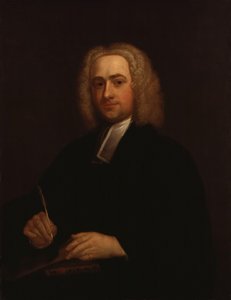
Thomas Birch
1779 - 1851 , Wielka Brytania
Krótka nota
- Artistic Movement Or Style: Malba morska, portrety
- Artists Or Movements Influenced By This Artist: ['Hudson River School']
- Artists Who Influenced This Artist:
- Jacob van Ruisdael
- Jan van Goyen
- Date Of Birth: 1779
- Date Of Death: 1851
- Full Name: Thomas Birch
- Nationality: Brytyjsko-amerykański
- Notable Artworks:
- USS United States
- HMS Macedonian
- Place Of Birth: Londyn, Anglia
Powiązane artykuły
The Hudson River School: A Definitive Guide to America's Romantic Landscape Tradition
Explore the profound legacy of the Hudson River School. Discover how masters like Thomas Cole captured the American sublime through Romanticism and Luminism. A definitive guide for art historians and collectors seeking to understand America's wild beauty.

Robert Spencer: Luminism, Narrative & the American Landscape Tradition
Explore the captivating world of Luminism & the Hudson River School with our expert analysis. Discover the history, artists, and enduring beauty of 19th-century American landscape painting. Find museum-quality reproductions at OriginalUniqueArt.
Capturing the American Spirit: A Journey Through Iconic Landscapes and the Legacy of the Hudson River School
Explore the profound beauty of American art history. From the Hudson River School to iconic landscapes, discover a curated journey through the masterpieces that defined a nation's spirit and the enduring legacy of American Romanticism.
Szkoła Rzeki Hudson: 10 arcydzieł, które ukształtowały pejzaż amerykańskiej sztuki | OriginalUniqueArt
Odkryj 10 arcydzieł Szkoły Rzeki Hudson – malarstwo krajobrazowe Cole'a, Churcha i Bierstadta. Poznaj historię artystów i inspiracje romantyzmu amerykańskiego. Reprodukcje obrazów najwyższej jakości na OriginalUniqueArt.com! Eksploruj kolekcję online.
Thomas Hill: Luminosity, Landscape & the American Pastoral Ideal
Explore the luminous landscapes of Thomas Hill, a pivotal figure in the Hudson River School & Luminism movements. Discover his artistic journey, philosophical depth, and enduring legacy with OriginalUniqueArt.

