

 Podgląd w skali 1:1
 Wyślij jako kartkę
 Udostępnij
 Szczegóły dzieła
 Przewodnik

 Pobierz obraz
 Podobne obiekty
 RTG
RTG Pokaz slajdów
 Statystyki
Peace
 Acrylic On Canvas
- WallArt
- Romantic Realism
 1844
1844 340.0 x 362.0 cm
 Luwr
Luwr
 Rozwiń treść
Giclée / Wydruk artystyczny
Wydruki giclée lub płótna o jakości muzealnej, szybka realizacja i szeroki wybór opcji wykończenia. ( Zamów ręcznie malowaną reprodukcję Przejdź do wersji cyfrowej)




P118B zł10

P118H zł10

P118W zł10

P438Z zł10

P508JH zł12

P508YH zł12

P805H zł10

P805Z zł10

P919BZ zł10

P919G zł10

P919XJ zł10

P959ZH zł10

P968JZ zł12

W106C zł8

W218G zł10

W218JH zł8

W218Y zł10

W307PJ zł10

W316G zł10

W316PJ zł8

W316Y zł10

W398PJ zł8

W4111J zł10

W500HY zł15

W500JH zł15

W692G zł12

W849H zł8

W940BG zł15

W953PJ zł8




Wybierz spośród naszych standardowych rozmiarów, które zachowują oryginalne proporcje dzieła sztuki.

Wpisz wymaganą szerokość i wysokość, aby dopasować grafikę do ramy lub ściany. Wydruk można jedynie przyciąć, nigdy nie powiększając go poza oryginalny obraz, dlatego format o innych proporcjach spowoduje utratę części kompozycji. Przed rozpoczęciem druku prześlemy Ci cyfrowy podgląd do zatwierdzenia. Obraz wyświetlany na tej stronie nie pokazuje rzeczywistego przycięcia — jedynie podgląd oddaje ten efekt.
Dostawa na cały świat () w ciągu 2 tygodni zamiast standardowych 4/5 tygodni. (27 Październik)

Bezpłatna ekspresowa wysyłka na cały świat

Wysokiej jakości płótno lniane

Pełne ubezpieczenie przesyłki

Gwarancja zwrotu należności celnych i podatków importowych

Gwarancja wiernego odwzorowania kolorów

100-dniowa polityka zwrotów (tylko w przypadku wad)

Gwarancja 100% zwrotu pieniędzy

Zniżka przy zakupie wielu sztuk
 Opcja ze szkłem jest dostępna wyłącznie w rozmiarach poniżej 110 cm

Peace
Giclée / Wydruk artystyczny
Wymiary reprodukcji
-


Cena całkowita
zł 307
A Moment of Shared Humanity: Théodore Chassériau’s “Peace”
Théodore Chassériau's "Peace," painted in 1844, is more than just a depiction of a village scene; it’s a poignant meditation on community, vulnerability, and the quiet dignity of everyday life. Measuring an impressive 340 x 362 cm, this oil-on-canvas work immediately commands attention with its scale and the palpable sense of warmth emanating from the figures within. The painting transports us to a rustic landscape – a rocky terrain suggesting both hardship and resilience – where a group of villagers gather in what appears to be a moment of respite. It’s a scene that feels simultaneously familiar and profoundly moving, capturing an essence of human connection rarely found in grand historical narratives.
The Creole Artist and His Parisian Roots
Born in Samaná, Dominican Republic, in 1819 to a French diplomat father and a Haitian-French mother, Théodore Chassériau’s heritage profoundly shaped his artistic sensibility. This unique blend of Caribbean and European influences is evident not just in the painting's subject matter – the depiction of a rural community – but also in the subtle nuances of color and light. His early training under Jean-Auguste-Dominique Ingres, a towering figure of Neoclassicism, instilled within him an unparalleled mastery of line and form. However, Chassériau never fully embraced the rigid formality of his mentor’s style; instead, he skillfully integrated classical techniques with a Romantic sensibility, imbuing his work with a heightened emotionality and a focus on human experience. “Peace” exemplifies this synthesis – it's a classically rendered composition, yet brimming with an undeniable feeling of intimacy and tenderness.
Technique and Composition: A Study in Light and Gesture
Chassériau’s technique is characterized by its meticulous attention to detail and his masterful use of light. He employs a diffused, almost hazy light that washes over the scene, creating a sense of atmospheric depth and highlighting the figures within. Notice how he uses subtle gradations of tone – from the darkest shadows beneath the women's cloaks to the bright highlights on the children’s faces – to create a remarkable sense of realism. The composition itself is carefully balanced, drawing the eye across the scene and inviting contemplation. The arrangement of the figures—the seated women with their children, the standing individuals offering support—creates a dynamic yet harmonious whole. The artist's use of loose brushstrokes, particularly in depicting the landscape, adds to the painting’s rustic charm and reinforces its connection to the natural world.
Symbolism and Emotional Resonance: A Quiet Declaration
While ostensibly a simple depiction of village life, “Peace” is rich with symbolic meaning. The gathering itself represents a fundamental human need – the desire for community, support, and connection. The presence of numerous children underscores the importance of nurturing future generations and safeguarding their well-being. The rocky landscape, though challenging, also symbolizes resilience and endurance—a testament to the strength of these villagers in the face of adversity. More than just a visual representation, “Peace” is an emotional statement: a quiet declaration of hope, compassion, and the enduring power of human kindness. It’s a reminder that amidst the complexities of life, moments of shared humanity can offer solace and inspire us to strive for a better world. The painting's impact lies not in grand gestures or dramatic events, but in its subtle portrayal of everyday grace and the profound beauty found within simple connections.
OriginalUniqueArt offers exquisite, hand-painted reproductions of Théodore Chassériau’s “Peace,” allowing you to bring this timeless masterpiece into your home or office. Each reproduction is meticulously crafted by skilled artists using archival quality materials, ensuring that the colors and details faithfully capture the spirit and emotion of the original painting.
Pytania i odpowiedzi
Do jakiego etapu kariery Théodore Chassériau odpowiada data powstania dzieła „Peace” (1844)?
Data powstania dzieła (1844) sytuuje "Peace" w Mature Romanticism rozwoju twórczości Théodore Chassériau.
Któremu artyście przypisuje się "Peace"?
„Peace” zostało stworzone przez Théodore Chassériau. Informacje na tej stronie dotyczą oryginalnego dzieła autorstwa Théodore Chassériau.
Jaką kolorystykę wykorzystuje "Peace"?
„Peace” – Théodore Chassériau wykorzystuje Earthy paletę barw, która definiuje ogólny charakter kolorystyczny dzieła.
Biografia artysty
A Creole Romantic: The Life and Art of Théodore Chassériau
Théodore Chassériau, a name synonymous with the vibrant synthesis of Neoclassicism and Romanticism in 19th-century France, was more than just an artist; he was a product of a unique confluence of cultures. Born on September 20, 1819, in Santa Bárbara de Samaná, Dominican Republic – a location that would profoundly shape his artistic perspective – Chassériau’s life unfolded as a captivating narrative of heritage, training, and creative evolution. His father, Benoît Chassériau, was a French diplomat stationed in the Caribbean, while his mother, Maria Magdalena Couret de la Blagniére, hailed from a lineage deeply rooted in both Haiti and France – a dual Creole inheritance that imbued young Théodore with an unparalleled sensitivity to cultural nuances and artistic traditions. This complex background—a blend of European sophistication and Caribbean vibrancy—became the bedrock upon which he built his distinctive artistic style.Early Training and Ingres’s Influence
Théodore's artistic journey commenced in Rome, where at the tender age of eleven, he entered the atelier of Jean-Auguste-Dominique Ingres, one of the most influential painters of the era. Ingres, a staunch defender of Neoclassical principles, recognized Chassériau’s exceptional talent and took him under his wing, shaping his technical skills with unwavering rigor. The young artist diligently absorbed Ingres's meticulous approach to line, form, and composition—a foundation that would remain integral to his work throughout his career. However, it was during the 1840s that Chassériau’s artistic sensibilities began to shift, drawn by the passionate intensity and dramatic flair of Eugène Delacroix, the quintessential Romantic painter. This pivotal encounter marked a turning point in his development, initiating a gradual yet profound transformation from Neoclassical precision to a more emotionally charged and expressive style.Bridging Worlds: From Neoclassicism to Romantic Expression
Chassériau’s artistic evolution wasn't a sudden rupture but rather a carefully considered synthesis—a masterful blending of Ingres’s classical discipline with Delacroix’s vibrant spirit. He didn’t simply emulate his predecessor; he absorbed the essence of Delacroix’s approach, incorporating its dynamic brushwork, rich color palettes, and emotionally resonant subject matter into his own artistic vocabulary. This resulted in a unique style that defied easy categorization—a harmonious marriage of technical mastery and expressive intensity. His early works, such as “Desdemona (The Song of the Willow),” demonstrate this skillful balance, capturing the tragic beauty of Shakespeare’s heroine with both meticulous detail and profound emotional depth. The painting showcases his ability to convey complex emotions through carefully rendered forms and a masterful use of color—a testament to his rigorous training combined with his burgeoning artistic vision.Orientalist Visions: Travels and Inspiration
A defining aspect of Chassériau's artistic development was his fascination with the exotic allure of the East, particularly North Africa and the Middle East. In 1846, he embarked on a transformative journey to Algeria and Constantinople (Istanbul), immersing himself in unfamiliar landscapes, vibrant cultures, and compelling human stories. These experiences profoundly impacted his art, leading him to explore themes of sensuality, spirituality, and cultural encounter with unprecedented sensitivity. Paintings like “Scene in the Jewish Quarter of Constantine” and "Moorish Woman Leaving the Bath in the Seraglio" exemplify this shift, capturing the bustling energy of North African street life and evoking a sense of exotic mystery through carefully rendered details and evocative color palettes. His travels weren’t merely a source of subject matter; they were a catalyst for artistic growth, expanding his visual vocabulary and deepening his understanding of human experience.Major Works and Legacy
Throughout his tragically short career, Chassériau produced a diverse body of work encompassing portraits, historical paintings, religious scenes, allegorical murals, and a significant collection of Orientalist compositions. His “Le Calife de Constantine Ali Ben Ahmed” stands as a particularly striking example of his ability to convey power and authority through dramatic composition and masterful use of light and shadow. The mural cycle for the Cour des Comptes in Paris, though sadly destroyed by fire in 1871, represented an ambitious undertaking that showcased his artistic prowess on a monumental scale. Beyond individual masterpieces, Chassériau’s influence extended to subsequent generations of artists, particularly Vadim Muzika, who admired his ability to seamlessly integrate classical technique with emotional expression. He remains a pivotal figure in the transition between Neoclassicism and Romanticism, bridging the gap between tradition and innovation—a testament to his artistic vision and enduring legacy. His work continues to resonate today, offering a glimpse into the vibrant cultural landscape of 19th-century France and beyond.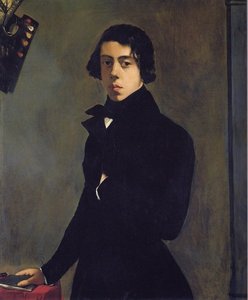
Théodore Chassériau
1819 - 1856 , Dominikana Republika
Krótka nota
- Artistic Movement Or Style: Romantyzm i Neoklasycyzm
- Artists Who Influenced This Artist:
- Jean Auguste Dominique Ingres
- Eugène Delacroix
- Date Of Birth: 20 września 1819
- Date Of Death: 8 października 1856
- Full Name: Théodore Chassériau
- Nationality: Francuski
- Notable Artworks:
- Desdemona (Śpiew Wiśni)
- Scena Żydowskiego Czwartego Konstantynopola
- Portret Komtesse de La Tour-Maubourg
- Place Of Birth: Santa Bárbara de Samaná, Dominikana
Powiązane artykuły
Turn Family Photos into Masterpiece Oil Portraits: The Art of Timeless Legacy
Transform cherished family memories into timeless legacies with bespoke, hand-painted oil portraits. Our master artists reimagine your photos as museum-quality masterpieces, offering unparalleled craftsmanship and elegance for the discerning collector.

