
 Podgląd w skali
 Wyślij jako kartkę
 Udostępnij
 Szczegóły dzieła

 Pobierz
 Podobne obiekty
 RTG
RTG Pokaz slajdów
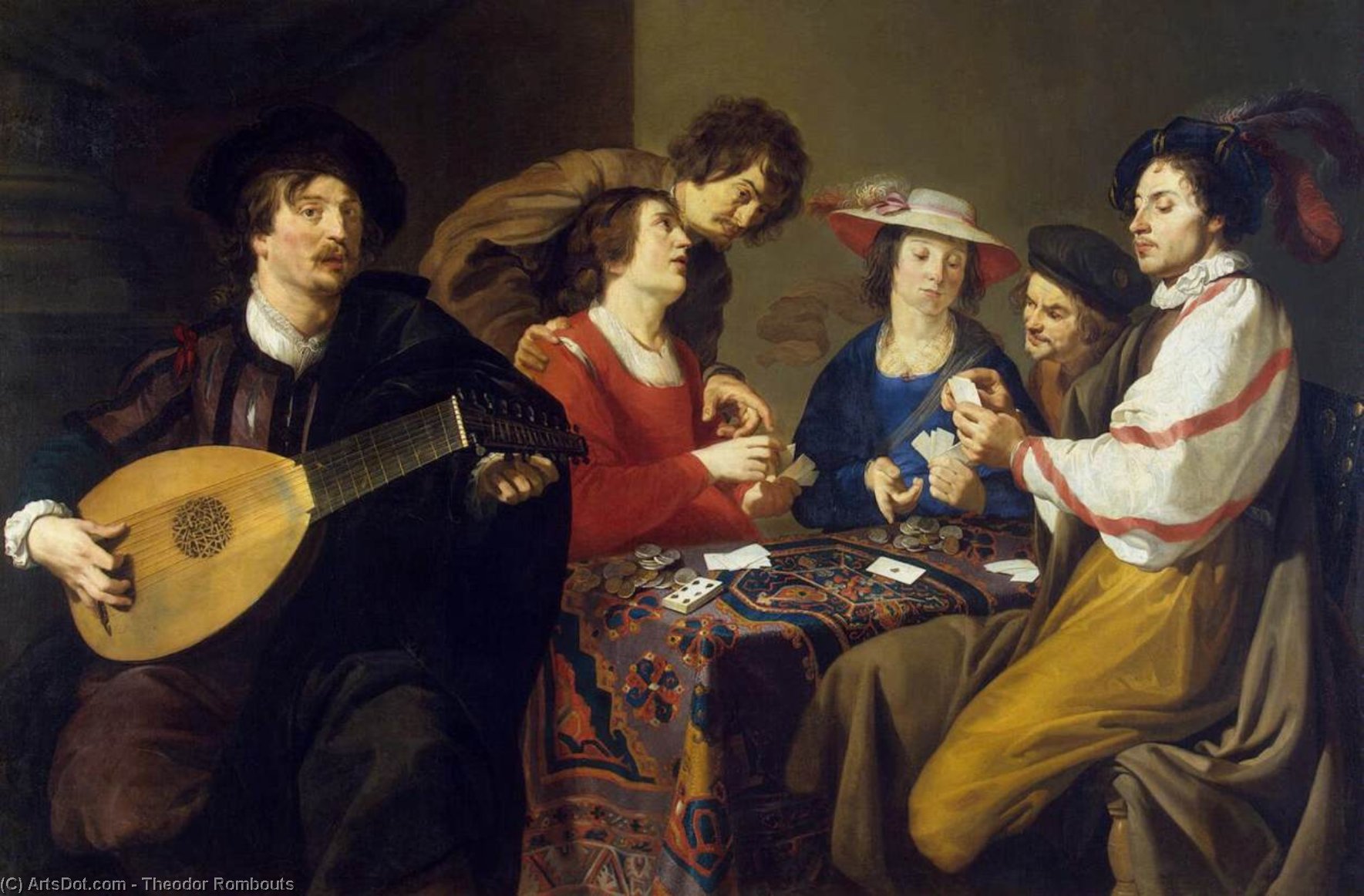
Card Game
 Oil On Canvas
- WallArt
- Baroque
 1620
1620- Early Modern
 143.0 x 224.0 cm
 Muzeum Ermitażu
 Rozwiń treść
Ręcznie malowana reprodukcja olejowa
Ręcznie malowany obraz olejny na płótnie, wykonany na zamówienie przez naszych artystów w wybranym przez Ciebie wymiarze i oprawie. ( Zamów wydruk Kup obraz wysokiej rozdzielczości)




P118B $10

P118H $10

P118W $10

P438Z $10

P508JH $12

P508YH $12

P805H $10

P805Z $10

P919BZ $10

P919G $10

P919XJ $10

P959ZH $10

P968JZ $12

W106C $8

W218G $10

W218JH $8

W218Y $10

W307PJ $10

W316G $10

W316PJ $8

W316Y $10

W398PJ $8

W4111J $10

W500HY $15

W500JH $15

W692G $12

W849H $8

W940BG $15

W953PJ $8




Wybierz spośród naszych standardowych rozmiarów, które zachowują oryginalne proporcje dzieła sztuki.

Możesz wprowadzić własne wymiary, aby dopasować obraz do konkretnej ramy lub przestrzeni. Jeśli wybrany rozmiar nie będzie odpowiadał proporcjom oryginału, przytniecie dzieło sztuki lub rozszerzymy je o dodatkowe elementy, ręcznie domalowane przez artystę. Przed rozpoczęciem produkcji wyślemy projekt cyfrowy do Twojej akceptacji.
Należy pamiętać, że podgląd na ekranie nie odzwierciedla rzeczywistego przycinania ani rozszerzania obrazu. Tylko projekt dokładnie pokaże ostateczną kompozycję.
Choć oferujemy możliwość zamówienia niestandardowych rozmiarów, zalecamy wybór wymiaru z gotowej listy, aby zachować oryginalne proporcje dzieła.
Po złożeniu zamówienia zespół OriginalUniqueArt.com skontaktuje się z klientem drogą mailową w celu uzyskania instrukcji i prześle wizualizację projektu
Dostawa na całym świecie () w ciągu 3–4 tygodni zamiast standardowych 5 tygodni. (15 Sierpień). Bez kompromisów w kwestii jakości.

Bezpłatna ekspresowa wysyłka na cały świat

Wysokiej jakości płótno lniane

Pełne ubezpieczenie przesyłki

Gwarancja zwrotu należności celnych i podatków importowych

Gwarancja wiernego odwzorowania kolorów

Polityka 60-dniowego zwrotu (tylko w przypadku wad)

Gwarancja 100% zwrotu kosztów

Zniżka przy zamówieniu wielu produktów
 Opcja ze szkłem jest dostępna wyłącznie w rozmiarach poniżej 110 cm

Card Game
Technika reprodukcji
Wymiary reprodukcji
-


Cena całkowita
$ 300
Opis dzieła
A Glimpse into Baroque Revelry: The Allure of "Card Game"
To stand before Theodor Rombouts' Card Game is to be instantly transported across the centuries, into the opulent, dimly lit drawing rooms of early seventeenth-century Antwerp. This painting is not merely a depiction of leisure; it is a meticulously crafted tableau vivant, capturing the very breath and intrigue of high society during the Baroque period. The air seems thick with whispered secrets, the clinking of unseen chips, and the resonant strumming of music from the lute held by the gentleman on the left. Rombouts masterfully freezes a moment of intense social engagement, inviting us, the modern viewer, to lean in and become an eavesdropper on this private gathering.
Mastery of Light and Shadow: The Caravaggesque Drama
Technically, the work is a profound testament to Rombouts' immersion in the dramatic realism pioneered by Caravaggio. Notice how the light does not simply illuminate; it sculpts. It falls with an almost theatrical spotlight effect upon the figures gathered around the table, leaving the background in rich, velvety shadow. This stark contrast, this tenebrism, is central to the painting's emotional weight. The interplay between brilliant highlights on silks and jewels against the deep gloom surrounding them creates a palpable sense of drama and immediacy. It speaks volumes about the artistic currents sweeping through Flanders at the turn of the century—a move away from idealized calm toward raw, human experience.
The Tapestry of Baroque Fashion and Society
Observe the attire with an eye for detail. The richness of the fabrics—the deep reds, the vibrant blues, the emerald greens—are not just decorative; they are markers of status. Each fold of velvet and every intricate pattern tells a story of wealth and social standing within the 1620s context. From the subdued elegance of the lutenist to the flamboyant flourish of the woman sporting an enormous feathered hat on the right, the fashion itself becomes a narrative element. It allows us, even today, to appreciate the sheer artistry involved in dressing for public life during this magnificent era.
Symbolism and the Human Condition
Beyond the surface glamour, the painting hints at deeper currents. The card game itself is a potent symbol—a microcosm of human chance, wit, and risk. Are these players celebrating fortune, or are they engaged in a subtle battle of wits? Rombouts captures that exquisite tension between pleasure and potential downfall. It speaks to the universal themes of human connection, the allure of sophisticated diversion, and the fleeting nature of worldly joys. Owning a reproduction of this piece allows one to bring not just a painting, but an entire atmosphere—one steeped in intellectual sparring and luxurious drama—into your own space.
O artyście
wczesne lata i kształcenie
theodoor rombouts, wybitny flamandzki malarz, przyszedł na świat w Antwerpii w 1597 roku. Był synem bartholomeusa romboutsa, zamożnego krawca, oraz barbary de greve. Pierwsze kroki w artystycznym rzemiośle stawiał pod okiem fransa (françoisa) van lanckvelta już w 1608 roku, a jego edukację kontynuowały studia u abrahama janssens oraz prawdopodobnie u nicolasa régniera w Antwerpii.włoskie wpływy i styl caravaggeski
W 1616 roku los rzucił romboutsa do Rzymu, gdzie zetknął się z potęgą dzieł caravaggia i jego następców. To przeżycie głęboko odmieniło jego wrażliwość, czyniąc go kluczową postacią ruchu flamandzkiego caravaggizmu. theodoor rombouts jest dziś uznawany za głównego i najbardziej oryginalnego przedstawiciela tego nurtu artystycznego.wybitne dzieła i styl
Po powrocie do Antwerpii w 1625 roku, rombouts został mistrzem cechu świętego luka. Jego twórczość z tego okresu zachwyca przede wszystkim:- musical company with bacchus (ok. 1630), gdzie artysta po mistrzowsku operuje żywymi kolorami i silnymi kontrastami, tak charakterystycznymi dla stylu caravaggeskiego.
- card and backgammon players. fight over cards (ok. 1620-1630), ukazujące niezwykłą zdolność malarza do chwytania dramatycznych momentów za pomocą intensywnego światłocienia.
- the lute player (ok. 1620), będący doskonałym przykładem jego portretów pojedynczych muzyków, na które wpływ miały dzieła manfrediego oraz valentina de boulogne.
muzea i kolekcje
Dzieła romboutsa można odnaleźć w prestiżowych galeriach świata, w tym:- the royal museums of fine arts of belgium (brussela, belgia), które skrywają bogatą kolekcję jego płócien.
- the kremer collection (amsterdam, holandia), przechowująca kilka jego znamienitych dzieł, takich jak musical company with bacchus.
dziedzictwo i wpływ
theodoor rombouts odegrał fundamentalną rolę w kształtowaniu flamandzkiego caravaggizmu. Jego artystyczny ślad odnaleźć można w pracach późniejszych mistrzów, takich jak jacob jordaens, gonzales coques, jan cossiers czy gillis remeeus.- Zobacz więcej dzieł romboutsa na OriginalUniqueArt.
- Dowiedz się więcej o flamandzkich malarzach i ich wpływie na świat sztuki w OriginalUniqueArt.
- Odkryj biografię i najważniejsze dzieła romboutsa na wikipedia.

Teodor Rombouts
1597 - 1637 , Belgia
Krótka nota
- Artistic Movement Or Style: Karawagizm
- Artists Or Movements Influenced By This Artist: Jacob Jordaens, Gonzalo Coques
- Artists Who Influenced This Artist: Caravaggio
- Date Of Birth: 1597 Antwerp Belgia
- Date Of Death: 1637
- Full Name: Theodoor Rombouts
- Nationality: Flamandzki
- Notable Artworks:
- Muzyczne towarzystwo z Bachusem
- Gracze w karty i tryktraka
- Kłótnia o karty
- Lutnista
- Place Of Birth: Antwerp Belgia
Powiązane artykuły

Pikselowy Prestiż: Badanie Rzadkości, Wartości i Kulturowego Oddziaływania Ograniczonych Nakładów Obrazów z Gier
Odkryj fascynujący świat kolekcjonerskich obrazów z gier! Analiza rzadkości, wartości kulturowej i inwestycyjnego potencjału pixel artu. Ekspercka wiedza dla pasjonatów i inwestorów.
Poza Pikselami i Rozrywką: Estetyczne i Tożsamościowe Znaczenie Sztuki Gier dla Współczesnego Kolekcjonera
Odkryj fascynujący świat sztuki gier! Analiza estetyki, rynku kolekcjonerskiego i prawnych aspektów inwestycji w gry. Ekspercka wiedza dla pasjonatów i kolekcjonerów.

Pixel & Palette: Exploring the Artistic Craftsmanship of Hand-Painted Game Universes and the Artists Who Bring Them to Life
Explore the artistry of hand-painted game universes! Discover techniques, artists & history behind this unique style. Expert insights for collectors & developers.
Decoding Baroque Grandeur: A Guide to the Drama and Emotion of 17th-Century Art
Explore the breathtaking drama of 17th-century Baroque art. Our expert guide decodes the use of chiaroscuro, emotional intensity, and historical grandeur to help you appreciate and curate timeless masterpieces for your collection.

Baroque Classicism: The Grandeur of Order and Drama in 17th-Century Art History
Explore the profound elegance of Baroque Classicism. Discover how 17th-century masters synthesized dramatic emotion with classical order through the lens of the Counter-Reformation and the works of legends like Carlo Maratta and Andrea Sacchi.

