

 Zobacz w skali 1:1
 Wyślij
 Udostępnij
 Szczegóły

 Pobierz plik obrazu
 Podobne obiekty
 RTG
RTG Pokaz slajdów
 Statystyki
Flowers Have Bloomed

 Czytaj więcej
Giclée / Wydruk artystyczny
Wydruki giclée lub płótna o jakości muzealnej, szybka realizacja i szeroki wybór opcji wykończenia. ( Kup ręcznie malowany obraz Przełącz na wersję cyfrową)




































Wybierz spośród naszych standardowych rozmiarów, które zachowują oryginalne proporcje dzieła sztuki.

Możesz wprowadzić własne wymiary, aby dopasować dzieło do konkretnej ramy lub przestrzeni. Jeśli wybrany rozmiar nie będzie odpowiadał proporcjom oryginalnego obrazu, przytniecie dzieło lub rozszerzymy obraz za pomocą odbicia lustrzanego lub jednolitego wypełnienia krawędzi. Przed rozpoczęciem produkcji prześlemy cyfrową wizualizację do Twojej akceptacji.
Prosimy pamiętać, że podgląd na ekranie nie odzwierciedla faktycznego przycinania ani rozszerzania. Tylko wizualizacja dokładnie pokaże końcową kompozycję.
Mimo dostępności niestandardowych rozmiarów, zalecamy wybór wymiaru z listy zdefiniowanej, aby zachować oryginalne proporcje.
Dostawa na cały świat () w ciągu 2 tygodni zamiast standardowych 4/5 tygodni. (16 Wrzesień)

Bezpłatna ekspresowa wysyłka na cały świat

Wysokiej jakości płótno lniane

Pełne ubezpieczenie transportowe

Gwarancja zwrotu należności celnych i podatków importowych

Gwarancja idealnego odwzorowania barw

100-dniowy okres na zwrot dzieła w przypadku wykrycia wad produkcyjnych

Gwarancja 100% zwrotu pieniędzy

Oferta przy zakupie wielu sztuk
 Opcja ze szkłem jest dostępna wyłącznie w rozmiarach poniżej 110 cm

Flowers Have Bloomed
Giclée / Wydruk artystyczny
Rozmiar reprodukcji
-


Suma do zapłaty
$ 80
A Playful Dance of Form and Color: Takashi Murakami's "Flowers Have Bloomed"
Takashi Murakami’s “Flowers Have Bloomed” is a captivating artwork that embodies his signature aesthetic – a vibrant blend of Pop Art, anime/manga influences, and the concept of "Superflat." This piece isn't merely a painting; it's an immersive experience, drawing viewers into a world of playful energy and subtle complexity. The composition features two large, symmetrical faces, rendered with exaggerated eyes that evoke a sense of *kawaii* (cuteness), a key element in Japanese popular culture. These faces are mirrored almost perfectly, creating a visual rhythm that is both engaging and slightly hypnotic. A delicate floral spray hangs between them, offering a softer counterpoint to the bold dynamism of the surrounding patterns. The neutral grey background allows the vibrant colors to truly pop, ensuring the artwork commands attention within any space.Superflat Technique & Artistic Influences
Murakami’s artistic style is deeply rooted in the "Superflat" movement he himself coined. This technique deliberately eliminates traditional perspective and shading, creating a flattened, graphic image reminiscent of Japanese woodblock prints (Ukiyo-e) and anime/manga aesthetics. The influence of Pop Art is also evident in the bold use of color and the incorporation of commercial imagery into fine art. The swirling patterns of red, blue, and white are not merely decorative; they contribute to a sense of movement and energy, reflecting the rapid pace of post-war Japanese culture – a culture Murakami seeks to both celebrate and critique. The small figures subtly integrated within the background add another layer of intrigue, hinting at a larger narrative beyond the immediate visual impact.Symbolism & Emotional Resonance
Beyond its striking visuals, "Flowers Have Bloomed" carries layers of symbolic meaning. The repetition and symmetry suggest themes of balance and harmony, while the floral element introduces a note of delicacy and beauty – a contrast that adds depth to the overall composition. The large eyes, characteristic of Murakami’s work, can be interpreted as both innocent and knowing, hinting at an underlying complexity beneath the surface-level playfulness. The artwork evokes feelings of joy, energy, and even a touch of surrealism, inviting viewers to contemplate the relationship between high art and popular culture, tradition and modernity. It's a piece that sparks conversation and encourages multiple interpretations.Materials & Technique
Murakami’s masterful use of acrylic paint on canvas creates a smooth, almost graphic surface. The lack of visible texture emphasizes the flatness characteristic of Superflat art. The colors are applied with precision, creating bold blocks and swirling patterns that contribute to the artwork's dynamic feel. This technique allows for a high level of detail and vibrancy, ensuring that "Flowers Have Bloomed" remains visually striking from any distance. The even lighting further enhances the graphic quality, making it an ideal piece for both modern and traditional interiors.Biografia artysty
A Universe of Superflat: The World of Takashi Murakami
Born in Tokyo in 1962, Takashi Murakami emerged as a pivotal figure in contemporary art, challenging conventional boundaries and forging a unique aesthetic language that resonates globally. His artistic journey began with an early fascination for the vibrant world of anime and manga – Japanese animation and comics respectively – fueling aspirations to work within the dynamic realm of animation. This childhood passion would profoundly shape his artistic vision, but his formal training took an unexpected turn when he enrolled at Tokyo University of the Arts. Initially intending to hone skills applicable to animation production, Murakami ultimately gravitated towards Nihonga, the traditional Japanese painting style steeped in centuries-old techniques and philosophical underpinnings. He excelled within this rigorous discipline, earning a Ph.D., yet found himself increasingly disillusioned by its inherent insularity and adherence to established norms. This dissatisfaction sparked a period of intense exploration, leading him to venture beyond tradition and embrace the exciting possibilities of contemporary art – a decision that would ultimately define his groundbreaking career.From Critique to Creation: The Genesis of Superflat
Murakami’s early artistic explorations were deeply rooted in social critique and satire, evident in projects like the Osaka Mixer Project (1992) and the Randoseru project (1991). These initial works demonstrated a keen awareness of societal structures and a willingness to challenge them through art. A crucial turning point arrived with the introduction of “Mr. DOB,” a recurring motif that rapidly evolved into a complex form of self-portraiture, embodying both personal identity and broader cultural anxieties. Mr. DOB, initially conceived as a playful character, quickly became a symbol of Murakami’s own artistic struggles and his observations about Japanese society. The year 1994 proved transformative; a fellowship from the Asian Cultural Council facilitated his participation in the PS1 International Studio Program in New York City. Exposure to Western contemporaries like Anselm Kiefer and Jeff Koons broadened his perspective dramatically, igniting new creative avenues and influencing his evolving artistic language. It was during this period that the concept of “Superflat” began to crystallize – a term he coined to describe a specific aesthetic sensibility rooted in Japanese art history. Superflat wasn’t merely an aesthetic style; it was a theoretical framework positing a historical continuity of flattened imagery within Japanese art—from the elegant simplicity of Ukiyo-e woodblock prints, with their iconic depictions of everyday life and landscapes, to the vibrant dynamism of manga and anime. Murakami argued that post-war Japanese society had experienced a “flattening” of social classes, blurring distinctions between high and low culture, and this phenomenon was reflected in the visual landscape – a flattening of perspective, a merging of traditional and modern aesthetics.Influences and Themes: A Tapestry of Culture
Murakami’s artistic universe is built upon a rich tapestry of influences, drawing from diverse sources to create his distinctive style. The stylized characters and vibrant color palettes of anime and manga are immediately apparent, lending his work a playful yet unsettling quality – a deliberate juxtaposition of innocence and underlying commentary. He draws inspiration from the Pop Art movement, particularly its embrace of mass-produced imagery and consumer culture references, but infuses it with a distinctly Japanese sensibility. The flat perspective and bold compositions found in his paintings echo the legacy of Ukiyo-e, traditional Japanese woodblock prints renowned for their exquisite craftsmanship and evocative depictions of everyday life – a deliberate homage to a rich artistic heritage. A central theme in Murakami’s work is the complex relationship between consumerism and commercialization. He deliberately blurs the lines between fine art and commercial products, creating merchandise like plush toys and t-shirts—a provocative gesture that challenges traditional notions of artistic value and authorship. This strategy isn't simply about profit; it’s a commentary on the commodification of culture and the blurring of boundaries between high and low art. His exploration extends to Japanese subcultures, particularly otaku culture – a term encompassing a vast range of interests including anime, manga, video games, and a fascination with all things cute or kawaii (adorable). Murakami incorporates elements of these subcultures into his work, creating a dialogue between traditional Japanese aesthetics and contemporary youth culture.Achievements and Legacy: A Global Impact
Takashi Murakami’s impact on the art world is undeniable. He founded Kaikai Kiki Co., Ltd., not only as a platform for his own work but also as a nurturing environment for younger artists, fostering a collaborative spirit and promoting emerging talent within the Japanese art scene. The Geisai art fair, which he organized, provided an invaluable launching pad for numerous young artists, showcasing their work to a wider audience and establishing Murakami as a key figure in supporting contemporary Japanese creativity. His exhibitions in major galleries and museums around the world – from the Venice Biennale to MOCA Los Angeles – have cemented his international recognition. Perhaps most notably, his collaborations with luxury brands like Louis Vuitton—designing iconic handbags adorned with his signature motifs—have further blurred the boundaries between high art and commercial design, generating significant media attention and solidifying his position as a truly innovative artist. Murakami’s “Superflat” theory has profoundly impacted contemporary art discourse, offering a fresh perspective on Japanese artistic traditions and post-war culture. He challenged conventional notions of artistic value by integrating commercial elements into his practice, influencing the development of Pop Art and consumer culture in art. His work helped introduce Japanese subcultures to a global audience, fostering cross-cultural understanding and appreciation. Takashi Murakami’s innovative approach continues to inspire countless artists and shape the landscape of contemporary art for generations to come.
Takashi Murakami
1962 - , Japonia
Najważniejsze informacje
- Artistic Movement Or Style: Superflat, Neo-Pop
- Artists Or Movements Influenced By This Artist:
- Nihonga
- Pop Art
- Artists Who Influenced This Artist:
- Andy Warhol
- Roy Lichtenstein
- Date Of Birth: 1 lutego 1962
- Full Name: Takashi Murakami
- Nationality: Japoński
- Notable Artworks:
- Tan tan bo
- Świat sfery
- Kwiaty rozkwitły
- Place Of Birth: Tokio, Japonia
Zobacz także powiązane artykuły

Crimson Threads of Narrative: Exploring Symbolism & Representation in Artworks Featuring the Red Dress
Explore the rich symbolism of the red dress in art history! From ancient power displays to iconic portraits like Cézanne’s 'Madame Cezanne', discover the cultural and artistic significance behind this captivating color. Expert analysis & insights.
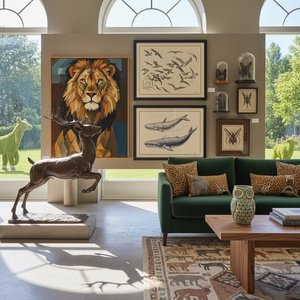
Zwierzęta w Sztuce: Wprowadzanie Życia do Twojej Przestrzeni
Odkryj fascynujący świat zwierząt w sztuce! Poznaj symbolikę, historię i współczesne interpretacje. Znajdź idealny obraz ze zwierzęciem do swojego wnętrza z .
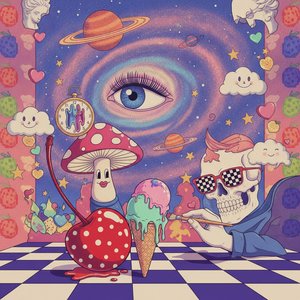
Pop Surrealism Unveiled: The Sophisticated Intersection of Vibrant Pop Art and Dreamlike Subconscious Landscapes
Explore the captivating world of Pop Surrealism. Discover how vibrant Pop Art meets dreamlike subconscious imagery through the works of masters like Jeff Soto and Ryan Heshka. An expert guide for discerning collectors seeking to understand this profound contemporary art movement.

Iconic Creatures: A Scholarly Exploration of the World's Greatest Animal Masterpieces in Art History
Embark on a scholarly journey through the world's greatest animal masterpieces. From ancient symbols to Impressionist light, explore the profound history of zoological art and discover museum-quality, hand-painted oil reproductions curated for the discerning collector.
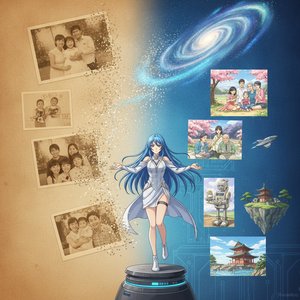
From Selfie to Studio Masterpiece: Transform Your Photos into Stunning AI-Driven Anime Art with OriginalUniqueArt
Step into the spotlight with OriginalUniqueArt's AI-driven transformation. Turn your photos into stunning, hand-painted anime oil masterpieces. Experience the perfect fusion of cutting-edge technology and museum-grade craftsmanship to create a timeless pop-culture legacy for your home.