

 Zobacz w skali 1:1
 Wyślij
 Udostępnij
 Szczegóły

 Pobierz plik obrazu
 Podobne obiekty
 RTG
RTG Pokaz slajdów
 Statystyki
Little Annie Rooney


 Czytaj więcej
Ręcznie malowana reprodukcja olejowa
Ręcznie malowany obraz olejny na płótnie, wykonany na zamówienie przez naszych artystów w wybranym przez Ciebie wymiarze i oprawie. ( Przełącz na wersję drukowaną Przełącz na wersję cyfrową)




P118B $10

P118H $10

P118W $10

P438Z $10

P508JH $12

P508YH $12

P805H $10

P805Z $10

P919BZ $10

P919G $10

P919XJ $10

P959ZH $10

P968JZ $12

W106C $8

W218G $10

W218JH $8

W218Y $10

W307PJ $10

W316G $10

W316PJ $8

W316Y $10

W398PJ $8

W4111J $10

W500HY $15

W500JH $15

W692G $12

W849H $8

W940BG $15

W953PJ $8




Wybierz spośród naszych standardowych rozmiarów, które zachowują oryginalne proporcje dzieła sztuki.

Możesz wprowadzić własne wymiary, aby dopasować obraz do konkretnej ramy lub przestrzeni. Jeśli wybrany rozmiar nie będzie odpowiadał proporcjom oryginału, przytniecie dzieło sztuki lub rozszerzymy je o dodatkowe elementy, ręcznie domalowane przez artystę. Przed rozpoczęciem produkcji wyślemy projekt cyfrowy do Twojej akceptacji.
Należy pamiętać, że podgląd na ekranie nie odzwierciedla rzeczywistego przycinania ani rozszerzania obrazu. Tylko projekt dokładnie pokaże ostateczną kompozycję.
Choć oferujemy możliwość zamówienia niestandardowych rozmiarów, zalecamy wybór wymiaru z gotowej listy, aby zachować oryginalne proporcje dzieła.
Po złożeniu zamówienia zespół OriginalUniqueArt.com skontaktuje się z klientem drogą mailową w celu uzyskania instrukcji i prześle wizualizację projektu
Dostawa na całym świecie () w ciągu 3–4 tygodni zamiast standardowych 5 tygodni. (17 Wrzesień). Bez kompromisów w kwestii jakości.

Bezpłatna ekspresowa wysyłka na cały świat

Wysokiej jakości płótno lniane

Pełne ubezpieczenie transportowe

Gwarancja zwrotu należności celnych i podatków importowych

Gwarancja idealnego odwzorowania barw

100-dniowy okres na zwrot dzieła w przypadku wykrycia wad produkcyjnych

Gwarancja 100% zwrotu pieniędzy

Oferta przy zakupie wielu sztuk
 Opcja ze szkłem jest dostępna wyłącznie w rozmiarach poniżej 110 cm

Little Annie Rooney
Technika wykonania
Rozmiar reprodukcji
-


Suma do zapłaty
$ 300
Little Annie Rooney – Odkrycie spokojnej refleksji
„Little Annie Rooney” autorstwa Susan Isabel Dacre, namalowanej w roku 1898, stanowi fascynujące spojrzenie na ducha epoki viktorianskiej i głębokie zainteresowanie kwestiami społecznymi oraz kobietami. Obraz prezentuje młodą dziewczynkę siedzącą w fotelu, zjednoczone ręce złożone przed sobą – gest pełen skupienia i wewnętrznej przemiany.
- Styl: Klasyczny realizm, który Dacre wykorzystuje do wiernego odwzorowania rzeczywistości oraz wyrażenia emocji charakterystycznych dla swojej epoki.
- Technika: Olej na płótnie. Artystka stosuje delikatną paletę kolorów i precyzyjne linie kreskówkowe, aby stworzyć obraz pełen ciepła i atmosfery spokoju.
- Historia i Kontekst Społeczny: Dacre była jedną z założycieli Manchester Society of Women Artists – organizacji walczącej o uznanie dla twórczości kobiet w sztuce. „Little Annie Rooney” odzwierciedla tę determinację i troskę o reprezentowanie kobiecej perspektywy.
Symbolizm obrazu jest subtelny, lecz istotny. Dziewczynka siedząca samotnie przy stole z pomarańczą przed sobą może być interpretowana jako metafora dzieciństwa, niewinności oraz nadziei na lepszą przyszłość – wartości cenione przez społeczeństwo viktorianskie.
- Pomarancz: Kolor pomarańczy symbolizuje energię życia i radość. Jego obecność w obrazie dodaje ciepła i optymizmu kompozycji.
- Fotel: Fotel reprezentuje komfort i bezpieczeństwo – przestrzeń wewnętrzną, gdzie dziewczynka może kontemplować świat i wyrażać swoje uczucia.
„Little Annie Rooney” wywołuje emocje spokoju, refleksji oraz ciepła wspomnień. Obraz zachęca do zadumy nad wartościami ludzkimi oraz pięknem prostoty – aspektami istotnymi dla sztuki viktorianskiej i inspiracją dla współczesnych twórców. Jego delikatna kolorystyka i precyzyjne linie kreskówkowe czynią go doskonałym wyborem zarówno dla kolekcjonerów sztuki klasycznej, jak i osób szukających pięknej dekoracji wnętrza.
Źródło: Manchester Art GalleryBiografia artysty
A Life Painted in Resilience: The Story of Susan Isabel Dacre
Susan Isabel Dacre, born in 1844 amidst the vibrant yet restrictive atmosphere of Victorian England, was far more than simply a painter; she embodied a quiet revolution – a testament to the burgeoning spirit of women challenging societal expectations and forging their own paths. Her life, spanning nearly nine decades into the early 20th century, mirrored the shifting landscapes of artistic expression and the passionate struggle for female emancipation. Born in Leamington Spa, a town renowned for its elegant Regency architecture and thriving arts scene, Dacre’s journey was not one paved with privilege or immediate recognition. Instead, it was meticulously crafted through keen observation, unwavering dedication to her craft, and an indomitable spirit that refused to be confined by the limitations imposed upon women of her era. Her early years were marked by a series of experiences – from attending convent schooling to serving as a governess – each contributing to a profound understanding of human nature and the complexities of the world around her. Notably, she witnessed firsthand the tumultuous events of the Franco-Prussian War during a period spent in Paris, an experience that undoubtedly shaped her perspective and instilled within her a heightened awareness of social injustice.Artistic Development and Influences: A Journey from Realism to Impressionism
Dacre’s formal artistic training began in 1871 when she enrolled at the Manchester School of Art, a progressive institution known for its emphasis on realism and technical skill. It was there that her talent quickly became apparent, culminating in a remarkable achievement – winning the prestigious Queen’s Prize in 1875. This victory served as a crucial validation of her abilities and solidified her commitment to pursuing painting as a profession—a bold decision considering the prevailing social norms that discouraged women from engaging in such endeavors. Her early style was characterized by meticulous realism, reflecting the dominant artistic trends of the Victorian period. However, Dacre’s artistic vision quickly evolved beyond mere imitation. She demonstrated an openness to contemporary movements, particularly those emerging from France, absorbing elements of Impressionism—notably in her landscape paintings—which introduced a greater sensitivity to light and color. The influence of Lord Leighton, a prominent Pre-Raphaelite painter known for his evocative landscapes and masterful use of color, is also discernible in her work. During a brief sojourn in Capri, he provided invaluable guidance on painting techniques, fostering a deeper understanding of composition and tonal harmony. Dacre’s portraits, however, remained central to her artistic practice, allowing her to explore the nuances of character and individuality with remarkable depth and empathy.Themes and Notable Works: Echoes of Italy and the Human Spirit
Dacre's oeuvre is remarkably diverse, encompassing a wide range of subjects—evocative landscapes, intimate genre scenes depicting everyday life, and compelling portraits that capture the essence of her subjects. Italian Women in Church stands as a particularly poignant example of her ability to convey emotional resonance through subtle details and atmospheric composition. The painting captures a moment of quiet contemplation within a religious setting, hinting at the spiritual lives of women in Victorian society. Her fascination with Italy is vividly expressed in works such as Assisi from Perugia and Assisi from the City Walls, where she masterfully employs soft brushstrokes and muted tones to evoke the beauty and tranquility of the Italian countryside—a landscape that clearly held a special significance for her. Perhaps one of her most touching pieces is The Artist’s Mother, a deeply personal portrait that showcases Dacre's exceptional skill in portraying familial bonds with sensitivity and grace. Recurring themes throughout her work include a celebration of female strength and individuality – often subtly conveyed through the expressions and postures of her subjects – alongside an enduring appreciation for the beauty of nature and glimpses into the rhythms of Victorian life. These weren’t merely aesthetic choices; they were reflections of her own values, beliefs, and a quiet resistance to the restrictive societal expectations placed upon women.A Champion of Women Artists and Suffrage: Breaking Barriers in a Male-Dominated World
Beyond her artistic achievements, Susan Isabel Dacre played a pivotal role in advocating for opportunities for female artists and championing the cause of women’s suffrage. In 1876, alongside Annie Louise Swynnerton, she co-founded the Manchester Society of Women Artists—a landmark achievement that provided a crucial platform for female artists to exhibit their work, network with peers, and gain recognition within an art world largely dominated by men. Serving as its president for several years, Dacre demonstrated her leadership qualities and unwavering commitment to fostering a supportive community for aspiring female artists. Her activism extended beyond the artistic realm; she was also a dedicated member of the executive committee of the Manchester National Society for Women’s Suffrage, tirelessly campaigning for women's right to vote. Her involvement in this movement reflected a deep-seated belief in social justice and equality—a conviction that fueled her efforts both within the art world and beyond. After years of persistent advocacy, she successfully became a member of the council of the Manchester Academy of Fine Arts in 1897 – a significant milestone that symbolized a broader shift towards greater inclusivity within established artistic institutions.Enduring Significance: A Legacy of Resilience and Inspiration
Susan Isabel Dacre passed away peacefully in 1933, leaving behind a legacy that continues to inspire and resonate today. Her significance transcends the purely aesthetic—her paintings offer valuable insights into Victorian society, gender roles, and the burgeoning feminist movement. More importantly, she embodied resilience, courage, and an unwavering commitment to her beliefs. She challenged societal norms, defied expectations, and actively worked to create opportunities for women in both the art world and beyond. Dacre’s life serves as a powerful reminder of the importance of perseverance, artistic vision, and the enduring need to fight for equality and justice—a legacy that ensures her place as a pioneering figure in British art history. Her paintings are not simply beautiful works of art; they are windows into a remarkable woman's life and a testament to her unwavering spirit.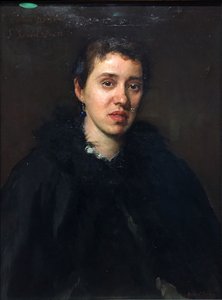
Susan Isabel Dacre
1844 - 1933 , Wielka Brytania
Najważniejsze informacje
- Artistic Movement Or Style: Realizm, Romantyzm
- Date Of Birth: 1844
- Date Of Death: 1933
- Full Name: Susan Isabel Dacre
- Nationality: Brytyjka
- Notable Artworks:
- W kobiety w kościele
- Widok z Assisi
- Matka artysty
- Place Of Birth: Leamington Spa, UK
Zobacz także powiązane artykuły

Muza Przez Wieki: Kobieta jako Przedmiot i Symbol w Historii Sztuki – Analiza i Interpretacje
Odkryj fascynującą historię kobiecości w sztuce! Analizujemy archetypy, portrety i ewolucję reprezentacji kobiet od antyku po współczesność. Ekspercka analiza i interpretacje.
25 Arcydzieł Brytyjskiego Muzeum: Historia Sztuki w Twoim Domu | OriginalUniqueArt
Odkryj 25 arcydzieł Brytyjskiego Muzeum! Poznaj historie słynnych obrazów, rzeźb i artefaktów od antyku po współczesność. Reprodukcje najwyższej jakości na OriginalUniqueArt.com – inspiracje dla Twojego wnętrza. Eksploruj pełną kolekcję online!
James Sant: Capturing Victorian Childhood & the Evolving Landscape of British Genre Painting
Explore the life & art of James Sant (1820-1916), renowned Victorian portraitist to Queen Victoria. Discover his captivating depictions of childhood, landscapes, and aristocratic society. Learn about his legacy & find fine art reproductions.

Dante Gabriel Rossetti: 25 Arcydzieł Pełnych Pasji i Symboliki | OriginalUniqueArt
Odkryj 25 najpiękniejszych obrazów Dante Gabriela Rossettiego! Poznaj historię, symbolikę i techniki prerafaelitów. Reprodukcje najwyższej jakości do Twojego wnętrza – OriginalUniqueArt.
Portrayals of Power & Perception: A Historical Survey of Women in Art
Explore the rich history of women in art – from iconic muses to groundbreaking artists. Discover feminist movements & reclaim female narratives with OriginalUniqueArt. Expert insights for discerning collectors.


