 Podgląd w skali 1:1
 Wyślij jako kartkę
 Udostępnij
 Szczegóły dzieła
 Przewodnik

 Pobierz obraz
 Podobne obiekty
 RTG
RTG Pokaz slajdów
 Pytania i odpowiedzi
 Statystyki

A View in Venice

- 35.0 x 27.0 cm


 Rozwiń treść
Otrzymaj plik gotowy do druku, którego jakość znacznie przewyższa podgląd internetowy. Każdy sprzedawany przez nas obraz cyfrowy pochodzi z wysokorozdzielczego pliku wzorcowego w naszej bazie — zazwyczaj o szerokości od 5 000 do 15 000 pikseli — dzięki czemu możesz drukować w dużym formacie, mocno kadrować lub z pełnym przekonaniem odwzorowywać najdrobniejsze detale.
Żaden plik nie opuszcza naszego studia bez odpowiedniej obróbki. Ekspert ds. cyfrowej edycji sprawdza zgodność kolorów z oryginałem i w razie potrzeby je koryguje, a następnie za pomocą profesjonalnych narzędzi do retuszu poprawia ostrość oraz szczegółowość — zawsze zachowując wierność pociągnięciom pędzla i stylowi artysty. Rezultatem jest obraz, który wygląda jak prawdziwe dzieło, a nie jak przefiltrowany skan.
Zatwierdzasz przed finalizacją zamówienia: nasz ekspert prześle obraz drogą mailową w ciągu 72 godzin do Twojego wglądu. Nie jesteś zadowolony? Poproś o poprawki lub korektę, bądź o zwrot kosztów, jeśli jakość nie spełnia oczekiwań.
To jakość, na której polegają wydawcy, studia projektowe, galerie oraz drukarnie.
Obraz cyfrowy
Pobierz plik o wysokiej rozdzielczości do osobistego użytku, druku oraz projektów kreatywnych. ( Przełącz na wydania drukowane Zamów ręcznie malowaną reprodukcję)
W każdym zamówieniu na obraz cyfrowy znajduje się
Profesjonalna dostawa cyfrowa z gwarancją
Wybierając OriginalUniqueArt.com, nie otrzymujesz jedynie obrazu – otrzymujesz profesjonalnie udoskonalone cyfrowe dzieło sztuki, stworzone z najwyższą precyzją i objęte gwarancją satysfakcji. Oto wszystko, co automatycznie dołączane jest do Twojego zamówienia:

Błyskawiczna wysyłka e-mailowa
Plik z obrazem cyfrowym w wysokiej rozdzielczości zostanie przesłany na Twój adres e-mail w ciągu 72 godzin od złożenia zamówienia – gotowy do natychmiastowego użycia.

Plik cyfrowy wzbogacony przez AI
Twoja grafika została profesjonalnie zoptymalizowana przy użyciu zaawansowanych narzędzi AI oraz ręcznej edycji, co zapewnia maksymalną szczegółowość, klarowność i wierność kolorów.

Darmowe ponowne przesyłki dożywotnio
Przypadkowo usunąłeś lub zgubiłeś swój plik? Bez obaw – prześlemy go Tobie ponownie w dowolnym momencie, bez żadnych opłat.

Bez opłat importowych – zawsze
Ciesz się swoją sztuką natychmiast, bez żadnych opłat celnych, należności ani kosztów dostawy – pliki cyfrowe są zawsze wolne od podatku.

Gwarancja wierności kolorów
Dzięki zastosowaniu profesjonalnych narzędzi i procesów zarządzania barwą zapewniamy, że Twoje cyfrowe zdjęcie odzwierciedla oryginalne kolory tak wiernie, jak to tylko możliwe.

Gwarancja satysfakcji przez 100 dni
Jeśli nie będziesz zadowolony ze swojego cyfrowego obrazu, dokonamy jego poprawki lub zwrócimy 100% kosztów w ciągu 100 dni – bez zbędnych pytań.

100% Gwarancja zwrotu pieniędzy
Nie jesteś zadowolony? Otrzymaj pełny zwrot kosztów w ciągu 100 dni od otrzymania pliku cyfrowego – bez zbędnych pytań.

Rabaty przy zamówieniach hurtowych
Kup 3 obrazy, oszczędź 10% - Kup 5, oszczędź 15% - Kup 10+, oszczędź 20%. Idealne do projektów kreatywnych, galerii i agencji.
A Window into Venetian Serenity
In her evocative 1880 masterpiece, A View in Venice, Susan Isabel Dacre invites the viewer to step away from the bustle of modern life and drift into a moment of profound tranquility. The painting captures a quintessential Venetian scene, where the rhythmic dance of light upon the water meets the timeless architecture of Italy's most romantic city. At first glance, one is struck by the warmth that radiates from the canvas; Dacre employs a palette dominated by sun-drenched oranges and deep reds, which cling to the facades of the closely packed buildings. These structures, complete with delicate balconies and weathered shutters, stand as silent witnesses to the passage of time, their surfaces reflecting the golden glow of a Mediterranean afternoon.
The composition is anchored by the gentle movement of boats navigating the canal, suggesting a life lived in harmony with the tides. A single figure stands near the center, perhaps a gondolier or a local resident, adding a touch of human narrative to the landscape. This presence serves as an emotional anchor, grounding the dreamlike atmosphere in a relatable reality. As the eye wanders across the water, it encounters the shimmering reflections of the sky and architecture, where the boundary between the solid world and its liquid mirror becomes beautifully blurred.
The Impressionist Touch and Technical Mastery
Technically, A View in Venice is a triumph of late 19th-century impressionistic sensibility. Dacre eschews rigid, clinical lines in favor of soft, fluid brushstrokes that prioritize the essence of light over mere topographical accuracy. This technique allows the artist to capture the ephemeral quality of atmosphere—the way humidity softens the edges of a distant palazzo or how sunlight scatters across a rippling canal. The use of oil on panel provides a rich, luminous depth, allowing the warm pigments to glow from within the layers of paint.
For the discerning collector or interior designer, this painting offers more than just a visual subject; it offers an atmosphere. The interplay of light and shadow creates a dynamic energy that breathes life into any space. Whether placed in a sunlit gallery or a sophisticated study, the work acts as a portal to another era. Its ability to evoke both realism through its architectural detail and dreamlike beauty through its loose execution makes it a versatile centerpiece for those seeking to infuse their surroundings with a sense of historical elegance and romantic nostalgia.
A Legacy of Resilience and Artistry
To understand the soul of this painting, one must consider the hand that held the brush. Susan Isabel Dacre was a woman of remarkable fortitude, navigating the complexities of the Victorian era as both an artist and an advocate for women's rights. Her life, marked by travels through war-torn Europe and her role in founding the Manchester Society of Women Artists, infused her work with a unique depth of perspective. In A View in Venice, we see the culmination of this worldly experience—a refined ability to find peace and beauty amidst the complexities of existence.
Owning a reproduction of this work is an opportunity to possess a fragment of art history. It is a tribute to a period when artists sought to capture the fleeting magic of the natural world, and it remains a timeless invitation to wander through the canals of Venice, lost in the soft light and the enduring charm of a bygone age.
Pytania i odpowiedzi
Jak intensywne są kolory w „A View in Venice” – Susan Isabel Dacre?
Intensywność barw w dziele „A View in Venice” wynosi Balanced. Intensywność określa, jak nasycone wydają się kolory.
Jakie miejsce w historii sztuki zajmuje "A View in Venice"?
Dzieło „A View in Venice” – Susan Isabel Dacre klasyfikuje się jako Impressionism, pochodzące z okresu 19th Century.
Czy „A View in Venice” – Susan Isabel Dacre to dobry pomysł na prezent i dla kogo?
„A View in Venice” – Susan Isabel Dacre jest polecane jako prezent dla Anniversary, szczególnie na Mood. Reprodukcję dzieła można podarować jako upominek.
Biografia artysty
A Life Painted in Resilience: The Story of Susan Isabel Dacre
Susan Isabel Dacre, born in 1844 amidst the vibrant yet restrictive atmosphere of Victorian England, was far more than simply a painter; she embodied a quiet revolution – a testament to the burgeoning spirit of women challenging societal expectations and forging their own paths. Her life, spanning nearly nine decades into the early 20th century, mirrored the shifting landscapes of artistic expression and the passionate struggle for female emancipation. Born in Leamington Spa, a town renowned for its elegant Regency architecture and thriving arts scene, Dacre’s journey was not one paved with privilege or immediate recognition. Instead, it was meticulously crafted through keen observation, unwavering dedication to her craft, and an indomitable spirit that refused to be confined by the limitations imposed upon women of her era. Her early years were marked by a series of experiences – from attending convent schooling to serving as a governess – each contributing to a profound understanding of human nature and the complexities of the world around her. Notably, she witnessed firsthand the tumultuous events of the Franco-Prussian War during a period spent in Paris, an experience that undoubtedly shaped her perspective and instilled within her a heightened awareness of social injustice.Artistic Development and Influences: A Journey from Realism to Impressionism
Dacre’s formal artistic training began in 1871 when she enrolled at the Manchester School of Art, a progressive institution known for its emphasis on realism and technical skill. It was there that her talent quickly became apparent, culminating in a remarkable achievement – winning the prestigious Queen’s Prize in 1875. This victory served as a crucial validation of her abilities and solidified her commitment to pursuing painting as a profession—a bold decision considering the prevailing social norms that discouraged women from engaging in such endeavors. Her early style was characterized by meticulous realism, reflecting the dominant artistic trends of the Victorian period. However, Dacre’s artistic vision quickly evolved beyond mere imitation. She demonstrated an openness to contemporary movements, particularly those emerging from France, absorbing elements of Impressionism—notably in her landscape paintings—which introduced a greater sensitivity to light and color. The influence of Lord Leighton, a prominent Pre-Raphaelite painter known for his evocative landscapes and masterful use of color, is also discernible in her work. During a brief sojourn in Capri, he provided invaluable guidance on painting techniques, fostering a deeper understanding of composition and tonal harmony. Dacre’s portraits, however, remained central to her artistic practice, allowing her to explore the nuances of character and individuality with remarkable depth and empathy.Themes and Notable Works: Echoes of Italy and the Human Spirit
Dacre's oeuvre is remarkably diverse, encompassing a wide range of subjects—evocative landscapes, intimate genre scenes depicting everyday life, and compelling portraits that capture the essence of her subjects. Italian Women in Church stands as a particularly poignant example of her ability to convey emotional resonance through subtle details and atmospheric composition. The painting captures a moment of quiet contemplation within a religious setting, hinting at the spiritual lives of women in Victorian society. Her fascination with Italy is vividly expressed in works such as Assisi from Perugia and Assisi from the City Walls, where she masterfully employs soft brushstrokes and muted tones to evoke the beauty and tranquility of the Italian countryside—a landscape that clearly held a special significance for her. Perhaps one of her most touching pieces is The Artist’s Mother, a deeply personal portrait that showcases Dacre's exceptional skill in portraying familial bonds with sensitivity and grace. Recurring themes throughout her work include a celebration of female strength and individuality – often subtly conveyed through the expressions and postures of her subjects – alongside an enduring appreciation for the beauty of nature and glimpses into the rhythms of Victorian life. These weren’t merely aesthetic choices; they were reflections of her own values, beliefs, and a quiet resistance to the restrictive societal expectations placed upon women.A Champion of Women Artists and Suffrage: Breaking Barriers in a Male-Dominated World
Beyond her artistic achievements, Susan Isabel Dacre played a pivotal role in advocating for opportunities for female artists and championing the cause of women’s suffrage. In 1876, alongside Annie Louise Swynnerton, she co-founded the Manchester Society of Women Artists—a landmark achievement that provided a crucial platform for female artists to exhibit their work, network with peers, and gain recognition within an art world largely dominated by men. Serving as its president for several years, Dacre demonstrated her leadership qualities and unwavering commitment to fostering a supportive community for aspiring female artists. Her activism extended beyond the artistic realm; she was also a dedicated member of the executive committee of the Manchester National Society for Women’s Suffrage, tirelessly campaigning for women's right to vote. Her involvement in this movement reflected a deep-seated belief in social justice and equality—a conviction that fueled her efforts both within the art world and beyond. After years of persistent advocacy, she successfully became a member of the council of the Manchester Academy of Fine Arts in 1897 – a significant milestone that symbolized a broader shift towards greater inclusivity within established artistic institutions.Enduring Significance: A Legacy of Resilience and Inspiration
Susan Isabel Dacre passed away peacefully in 1933, leaving behind a legacy that continues to inspire and resonate today. Her significance transcends the purely aesthetic—her paintings offer valuable insights into Victorian society, gender roles, and the burgeoning feminist movement. More importantly, she embodied resilience, courage, and an unwavering commitment to her beliefs. She challenged societal norms, defied expectations, and actively worked to create opportunities for women in both the art world and beyond. Dacre’s life serves as a powerful reminder of the importance of perseverance, artistic vision, and the enduring need to fight for equality and justice—a legacy that ensures her place as a pioneering figure in British art history. Her paintings are not simply beautiful works of art; they are windows into a remarkable woman's life and a testament to her unwavering spirit.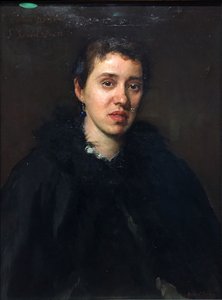
Susan Isabel Dacre
1844 - 1933 , Wielka Brytania
Krótka nota
- Artistic Movement Or Style: Realizm, Romantyzm
- Date Of Birth: 1844
- Date Of Death: 1933
- Full Name: Susan Isabel Dacre
- Nationality: Brytyjka
- Notable Artworks:
- W kobiety w kościele
- Widok z Assisi
- Matka artysty
- Place Of Birth: Leamington Spa, UK