

 Zobacz w skali 1:1
 Wyślij
 Udostępnij
 Szczegóły
 Przewodnik

 Pobierz plik obrazu
 Podobne obiekty
 RTG
RTG Pokaz slajdów
 Statystyki
John Barrow (1764–1848)
 Oil On Canvas
- WallArt
- Contemporary Realism
 1846
1846- 19th Century
 128.0 x 103.0 cm
 Towarzystwo Królewskie
 Czytaj więcej
Giclée / Wydruk artystyczny
Wydruki giclée lub płótna o jakości muzealnej, szybka realizacja i szeroki wybór opcji wykończenia. ( Kup ręcznie malowany obraz Przełącz na wersję cyfrową)




P118B zł10

P118H zł10

P118W zł10

P438Z zł10

P508JH zł12

P508YH zł12

P805H zł10

P805Z zł10

P919BZ zł10

P919G zł10

P919XJ zł10

P959ZH zł10

P968JZ zł12

W106C zł8

W218G zł10

W218JH zł8

W218Y zł10

W307PJ zł10

W316G zł10

W316PJ zł8

W316Y zł10

W398PJ zł8

W4111J zł10

W500HY zł15

W500JH zł15

W692G zł12

W849H zł8

W940BG zł15

W953PJ zł8




Wybierz spośród naszych standardowych rozmiarów, które zachowują oryginalne proporcje dzieła sztuki.

Wpisz wymaganą szerokość i wysokość, aby dopasować grafikę do ramy lub ściany. Wydruk można jedynie przyciąć, nigdy nie powiększając go poza oryginalny obraz, dlatego format o innym proporcji spowoduje utratę części kompozycji. Przed rozpoczęciem druku prześlemy Ci cyfrowy podgląd do zatwierdzenia. Obraz wyświetlany na tej stronie nie pokazuje rzeczywistego przycięcia — jedynie podgląd oddaje ten efekt.
Dostawa na cały świat () w ciągu 2 tygodni zamiast standardowych 4/5 tygodni. (25 Październik)

Bezpłatna ekspresowa wysyłka na cały świat

Wysokiej jakości płótno lniane

Pełne ubezpieczenie transportowe

Gwarancja zwrotu należności celnych i podatków importowych

Gwarancja idealnego odwzorowania barw

100-dniowy okres na zwrot dzieła w przypadku wykrycia wad produkcyjnych

Gwarancja 100% zwrotu pieniędzy

Oferta przy zakupie wielu sztuk
 Opcja ze szkłem jest dostępna wyłącznie w rozmiarach poniżej 110 cm

John Barrow (1764–1848)
Giclée / Wydruk artystyczny
Rozmiar reprodukcji
-


Suma do zapłaty
zł 307
A Legacy in Oil: The Dignified Presence of John Barrow
In the quiet, commanding presence of Stephen Pearce’s 1846 portrait of John Barrow, one finds more than just a likeness of a Victorian gentleman; one encounters the very essence of an era defined by exploration and imperial intellect. As the viewer gazes upon this masterful oil on canvas, they are immediately drawn into the orbit of a man whose life was inextricably linked to the frozen frontiers of the Arctic. The portrait captures Barrow not merely as a seated figure, but as a pillar of British maritime administration, embodying the gravity and authority required to oversee the mapping of empires and the pursuit of scientific truth in the world's most inhospitable climates.
The composition is a masterclass in traditional Victorian portraiture. Centered within a vertical frame, Barrow occupies the space with a settled, monumental stability. The artist utilizes a dark, indistinct background to strip away all worldly distractions, forcing an intimate confrontation between the subject and the observer. This deliberate use of negative space ensures that every detail of the sitter—from the subtle wisdom etched into his features to the heavy, dignified folds of his attire—commands absolute attention. It is a piece designed to inspire respect, making it an ideal centerpiece for a study, a library, or any sophisticated interior where history and character are celebrated.
The Artistry of Light and Texture
Stephen Pearce, a pupil of the renowned Sir Martin Archer Shee, brings a profound technical sophistication to this work. His mastery of chiaroscuro—the dramatic interplay between light and shadow—is palpable here. A single, soft light source emanating from the upper left illuminates Barrow’s face and hands, casting gentle shadows that lend a sculptural three-dimensionality to his form. This technique does more than create depth; it imbues the subject with a psychological presence, suggesting a mind illuminated by thought and experience.
The tactile quality of the painting is nothing short of extraordinary. Pearce employs meticulous layering techniques to render the diverse textures present in the scene: the coarse weight of the upholstery, the smooth, aged skin of the sitter, and the fine, soft strands of hair. His brushwork, while skillfully blended to achieve a seamless realism, retains a vitality that prevents the portrait from feeling static. For the discerning collector, this level of detail offers a sensory richness that is often lost in lesser works, providing a sense of luxury and permanence that elevates any room it inhabits.
Symbolism and the Spirit of Exploration
Beyond the technical brilliance, the painting serves as a symbolic window into the Victorian zeitgeist. The warm, somber palette of deep browns, rich reds, and creamy highlights evokes a sense of established tradition and intellectual warmth. Every element, from the sturdy armchair to the precise rendering of his clothing, speaks to a life of order, duty, and high social standing. Yet, beneath this veneer of stability lies the underlying spirit of adventure that Barrow himself represented.
To possess a reproduction of this work is to invite a piece of maritime history into one's home. It serves as a tribute to the era of the Great Explorers, reminding us of a time when the edges of the map were still being drawn by courage and scientific rigor. Whether used as an inspiration for interior designers seeking to create a "Old World" aesthetic or as a profound historical statement for art lovers, Pearce’s portrait of John Barrow remains a timeless testament to the enduring power of human character and the indelible mark of discovery.
Pytania i odpowiedzi
Czy „John Barrow (1764–1848)” autorstwa Stephen Pearce to jasne czy ciemne dzieło?
Postrzegana jasność dzieła „John Barrow (1764–1848)” autorstwa Stephen Pearce wynosi deep_shadow. Można ją dopasować do oświetlenia w docelowym pomieszczeniu.
Jaki format i orientacja druku są sugerowane dla „John Barrow (1764–1848)” autorstwa Stephen Pearce?
Rozmiar Large, orientacja Portrait: to sugerowane ustawienia druku dla „John Barrow (1764–1848)” autorstwa Stephen Pearce.
Co przedstawia „John Barrow (1764–1848)” autorstwa Stephen Pearce?
Tematyka obecna w „John Barrow (1764–1848)” autorstwa Stephen Pearce obejmuje portraiture, victorian era, formal art, elderly gentleman, rich fabrics, single light, authority, historical figure. Razem stanowią one podsumowanie tematyki dzieła.
Biografia artysty
Early Life and Artistic Foundations
Stephen Pearce, born in the heart of London on November 16, 1819, at King’s Mews, Charing Cross, entered a world subtly interwoven with England’s regal fabric. As the sole child of Stephen Pearce, a clerk within the Department of the Master of Horse, and Ann Whittington, his upbringing was steeped in service to the Crown—a connection that would profoundly resonate throughout his artistic journey. This proximity instilled not merely decorum but access to subjects that defined much of his early career: the magnificent horses of the Royal Mews. Formal training commenced at Sass’s Academy in Charlotte Street, a respected institution for aspiring artists, followed by rigorous study at the prestigious Royal Academy Schools beginning in 1840. A pivotal moment arrived in 1841 when he became a pupil of Sir Martin Archer Shee, a prominent portraitist whose influence shaped Pearce's approach to capturing likeness and character. These formative years laid the groundwork for a career balancing meticulous technique with an evolving artistic sensibility. He was baptised on December 17th, 1819 at St Martin in the Fields Church—a solemn occasion reflecting his family’s dedication to upholding royal traditions.A Versatile Career: Portraiture, Equine Art, and Literary Circles
Pearce’s professional life unfolded across decades, marked by remarkable versatility. From 1842 to 1846, he served as an amanuensis—a secretary—to the celebrated novelist Charles Lever. This period offered unique immersion into literary circles, broadening his understanding of narrative and character development – skills that subtly informed the psychological depth of his portraiture. His initial artistic successes centered on paintings of favored horses within the Royal Mews, exhibited at the Royal Academy in 1839 and again in 1841, establishing him as a skilled animalier. The meticulous observation of equine anatomy and musculature—a hallmark of Shee’s instruction—became central to Pearce's artistic practice. A sojourn to Italy around 1849 proved transformative, refining his aesthetic sensibilities before he resumed regular contributions to Burlington House exhibitions upon his return to England. His style underwent noticeable evolution; early works displayed metronomic precision with pronounced shadowing, reflecting the academic tradition of his time—a deliberate choice intended to convey dignity and composure. Simultaneously, Pearce cultivated connections within London’s intellectual elite, engaging in discussions about art, literature, and philosophy alongside prominent figures like Tennyson and Dickens.The Arctic Chronicles: A Defining Commission
It was through a unique confluence of artistic talent and historical circumstance that Pearce truly distinguished himself: his involvement in documenting the era’s fervent interest in Arctic exploration. Perhaps most notable is “The Arctic Council discussing a plan of search for Sir John Franklin” (1851), commissioned by Colonel John Barrow. This large-scale painting, depicting leading figures strategizing the rescue mission for the ill-fated explorer Sir John Franklin, captured the public’s imagination and served as a poignant reminder of the perils and heroism inherent in polar expeditions. The work is not merely a historical record but a carefully constructed drama, each figure rendered with individual character and contributing to the overall sense of anxious deliberation. Pearce skillfully employed chiaroscuro—the dramatic interplay of light and shadow—to heighten emotional impact and convey the seriousness of the undertaking. He meticulously researched the subject matter, consulting scientific journals and accounts from Arctic expeditions to ensure accuracy.Legacy and Historical Significance
Pearce’s artistic vision was shaped by 19th-century British art's prevailing currents. His training under Sir Martin Archer Shee firmly placed him within the tradition of formal, academic portraiture that dominated the era. The enduring popularity of equestrian subjects reflected a broader cultural fascination with horses and horsemanship, particularly among the aristocracy and landed gentry. He married Matilda Jane Cheswright in 1858, establishing a family rooted in London’s social landscape. His dedication to capturing human emotion alongside animal form—a hallmark of his oeuvre—earned him respect within artistic circles. The National Portrait Gallery holds an impressive collection of forty-four portraits by Pearce, including two self-portraits, underscoring his substantial contribution to British portraiture. Stephen Pearce died peacefully on January 31st, 1904, at Sussex Gardens, West London—a quiet end for a man who had spent his life pursuing artistic excellence and documenting the grandeur of Victorian Britain. His work continues to inspire admiration for its technical mastery and profound engagement with both human psychology and the natural world.
Stephen Pearce
1819 - 1904 , Wielka Brytania
Najważniejsze informacje
- Artistic Movement Or Style: Portretowanie Victorańskie
- Artists Who Influenced This Artist: ['Sir Martin Archer Shee']
- Date Of Birth: 1819-11-16
- Date Of Death: 1904-01-31
- Full Name: Stephen Pearce
- Nationality: Brytyjski
- Notable Artworks:
- Coursing at Ashdown Park
- Alexander Stewart
- John Rae
- Place Of Birth: Londyn, UK
Zobacz także powiązane artykuły

John Singer Sargent: 25 Arcydzieł Pełnych Elegancji i Światła | OriginalUniqueArt.com
Odkryj 25 arcydzieł Johna Singera Sargenta – mistrza portretu i impresjonizmu. Poznaj historie, techniki i inspiracje za jego najsłynniejszymi obrazami. Reprodukcje najwyższej jakości na OriginalUniqueArt.com. Eksploruj pełną kolekcję online!

John Gilbert: A Comprehensive Exploration of Technique, Context, and Enduring Legacy in Victorian Genre Painting
Explore the life & art of John Gilbert, a prolific Victorian painter renowned for his captivating genre scenes and Venetian-inspired style. Discover his legacy with OriginalUniqueArt.

John Constable: 25 Najlepszych Obrazów Mistrza Angielskiego Krajobrazu | OriginalUniqueArt
Odkryj 25 arcydzieł Johna Constable'a – mistrza angielskiego krajobrazu! Poznaj romantyczne pejzaże, technikę malarską i inspiracje z Dedham Vale. Reprodukcje obrazów najwyższej jakości na OriginalUniqueArt.com. Eksploruj pełną kolekcję online!

Trwała Spuścizna Malarstwa Olejnego: Technika, Historia i Estetyczny Wpływ
Poznaj historię i technikę malarstwa olejnego! Eksperckie artykuły o konserwacji, renowacji oraz współczesnych zastosowaniach. Dowiedz się więcej o mistrzach i trwałości obrazów olejnych.
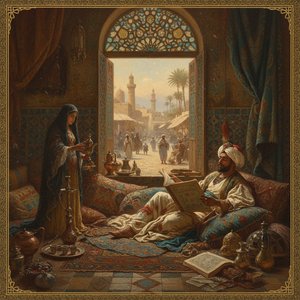
John Frederick Lewis: Orientalism, Detail & Genre Painting in 19th-Century British Art
Explore the captivating Orientalist paintings of John Frederick Lewis! Discover his mastery of detail, genre scenes & influence on 19th-century British art. Learn about his life, techniques & legacy at OriginalUniqueArt.
