
 Podgląd w skali 1:1
 Wyślij jako kartkę
 Udostępnij
 Szczegóły dzieła
 Przewodnik

 Pobierz obraz
 Podobne obiekty
 RTG
RTG Pokaz slajdów
 Pytania i odpowiedzi
 Statystyki
A Chestnut Hunter in a Landscape

 Rozwiń treść
Giclée / Wydruk artystyczny
Wydruki giclée lub płótna o jakości muzealnej, szybka realizacja i szeroki wybór opcji wykończenia. ( Zamów ręcznie malowaną reprodukcję Przejdź do wersji cyfrowej)




P118B zł10

P118H zł10

P118W zł10

P438Z zł10

P508JH zł12

P508YH zł12

P805H zł10

P805Z zł10

P919BZ zł10

P919G zł10

P919XJ zł10

P959ZH zł10

P968JZ zł12

W106C zł8

W218G zł10

W218JH zł8

W218Y zł10

W307PJ zł10

W316G zł10

W316PJ zł8

W316Y zł10

W398PJ zł8

W4111J zł10

W500HY zł15

W500JH zł15

W692G zł12

W849H zł8

W940BG zł15

W953PJ zł8




Wybierz spośród naszych standardowych rozmiarów, które zachowują oryginalne proporcje dzieła sztuki.

Wpisz wymaganą szerokość i wysokość, aby dopasować grafikę do ramy lub ściany. Wydruk można jedynie przyciąć, nigdy nie powiększając go poza oryginalny obraz, dlatego format o innych proporcjach spowoduje utratę części kompozycji. Przed rozpoczęciem druku prześlemy Ci cyfrowy podgląd do zatwierdzenia. Obraz wyświetlany na tej stronie nie pokazuje rzeczywistego przycięcia — jedynie podgląd oddaje ten efekt.
Dostawa na cały świat () w ciągu 2 tygodni zamiast standardowych 4/5 tygodni. (6 Listopad)

Bezpłatna ekspresowa wysyłka na cały świat

Wysokiej jakości płótno lniane

Pełne ubezpieczenie przesyłki

Gwarancja zwrotu należności celnych i podatków importowych

Gwarancja wiernego odwzorowania kolorów

100-dniowa polityka zwrotów (tylko w przypadku wad)

Gwarancja 100% zwrotu pieniędzy

Zniżka przy zakupie wielu sztuk
 Opcja ze szkłem jest dostępna wyłącznie w rozmiarach poniżej 110 cm

A Chestnut Hunter in a Landscape
Giclée / Wydruk artystyczny
Wymiary reprodukcji
-


Cena całkowita
zł 317
Biografia artysty
The Master of the English Hunt
In the golden age of British sporting art, few names evoke the thundering hooves and spirited pursuits of the Regency era quite like John Ferneley I. Born in 1782 in the quiet village of Thrussington, Leicestershire, Ferneley would grow to become a definitive chronicler of the English countryside. His life’s work serves as a vibrant window into a vanished world of aristocratic leisure, where the rhythm of rural life was dictated by the seasons and the exhilarating chase of the fox hunt. To study a Ferneley canvas is to step into the mist of an English morning, feeling the dampness of the dew and the palpable tension of the hounds in pursuit.
Ferneley’s artistic identity was forged through a profound connection to the landscape and the animals that inhabited it. His early training under the esteemed Benjamin Marshall provided him with more than just technical proficiency; it bestowed upon him a specialized vocabulary of movement. Under Marshall's mentorship, Ferneley learned to translate the raw energy of a galloping horse and the subtle shifts in a rider's posture onto canvas. This foundation allowed him to transition from a student of sporting art to a master of its most complex nuances, eventually leading him to the prestigious Royal Academy School where his talent was refined for the grandest stages of British society.
A Legacy of Motion and Detail
The true brilliance of Ferneley’s oeuvre lies in his ability to balance meticulous realism with an almost breathless sense of motion. His compositions are rarely static; instead, they pulse with the vitality of the hunt. He possessed a rare, anatomical understanding of equine musculature, allowing him to depict the strain of a horse in full stride or the sudden halt of a startled beast with startling accuracy. This dedication to detail extended to the human element as well, capturing the varied expressions of hunters—from the focused intensity of the seasoned rider to the breathless excitement of the spectator.
Throughout his prolific career, Ferneley secured the patronage of the highest echelons of British nobility. His studio in Melton Mowbray became a sanctuary for those seeking to immortalize their sporting triumphs. His catalog of work is vast, yet it maintains a consistent emotional resonance. Some of his most enduring contributions to the art world include:
- The Melton Mowbray Hunt: A sweeping tribute to the very heart of Leicestershire’s hunting traditions.
- Lord Henry Bentinck’s Chestnut Hunter ‘Firebird’: A masterful study in equine portraiture and individual character.
- St John’s Co-Cathedral: Demonstrating his ability to pivot from the kinetic energy of the hunt to more serene, architectural subjects.
Historical Significance and Enduring Influence
Beyond the mere documentation of social customs, Ferneley’s work holds a significant place in the evolution of British painting. While often categorized strictly within the genre of sporting art, his approach to light and atmosphere hinted at the burgeoning shifts in artistic thought that would later define the Impressionist movement. He did not merely paint horses; he painted the atmosphere in which they moved, capturing the fleeting qualities of light filtering through autumn leaves or the heavy gloom of a winter afternoon.
As we look back upon his life, which concluded in 1860, we see an artist who successfully bridged the gap between traditional sporting portraiture and a more expressive, atmospheric style. His legacy remains etched in the annals of art history, serving as a vital link to the traditions of the English landed gentry and providing a timeless celebration of the bond between man, horse, and the natural world. Today, his works continue to captivate collectors and historians alike, standing as enduring monuments to the elegance and vigor of a bygone era.

Sr John E Ferneley
1782 - 1860
Krótka nota
- Full Name: John E Ferneley Sr.
- Nationality: English
- Date Of Birth: 1782
- Date Of Death: 1860
- Place Of Birth: Thrussington, Leicestershire
- Notable Artworks:
- Three Hunters in a Landscape
- Bay Hunters with Their Groom
- Artistic Movement Or Style: Equine Painting
- Artists Who Influenced This Artist: ['Benjamin Marshall']
- Artists Or Movements Influenced By This Artist: ['British Art']
Powiązane artykuły

Arcydzieła XIX Wieku: 10 Obrazów Opowiadających Epokę | OriginalUniqueArt
Odkryj 10 arcydzieł XIX wieku! Poznaj historię Monet, Van Gogha i Courbeta. Imesjonizm, realizm, romantyzm – obrazy pełne emocji i piękna czekają na OriginalUniqueArt.com. Znajdź idealny obraz do swojego wnętrza!

Konie jako Muzy w Sztuce: Historyczna i Artystyczna Eksploracja Końskiego Wizerunku
Odkryj fascynującą historię koni w sztuce! Eksploracja końskiego wizerunku od mitologii po współczesność. Analiza symboliki, gatunków i wpływowych dzieł malarskich. Poznaj bogactwo artystycznej interpretacji konia.
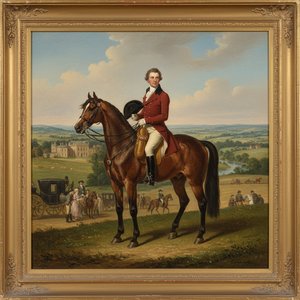
Sr. John E. Ferneley: Equestrian Portraiture & England's Social Fabric
Explore the captivating world of Sr. John E. Ferneley, a master of British sporting art. Discover his exquisite equestrian paintings & insights into 19th-century society. Invest in timeless masterpieces with OriginalUniqueArt.
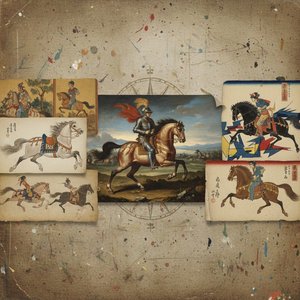
The Noble Steed on Canvas: A Historical & Artistic Exploration of Horse Painting Across Cultures
Explore the rich history of horse painting! Discover masterpieces from Stubbs to Munnings & learn about symbolism, techniques & artists. Find museum-quality reproductions at OriginalUniqueArt.
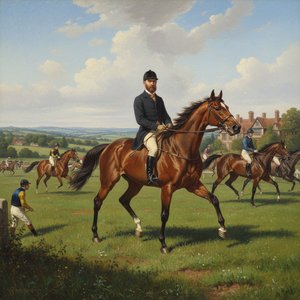
John Frederick Herring Sr.: Equestrian Mastery & the Rise of Sporting Art in Victorian England
Explore the life & work of John Frederick Herring Sr., a leading Victorian equestrian artist. Discover his masterpieces, patronage, techniques & investment potential. Expert insights for collectors.