
 Podgląd w skali 1:1
 Wyślij jako kartkę
 Udostępnij
 Szczegóły dzieła
 Przewodnik

 Pobierz obraz
 Podobne obiekty
 RTG
RTG Pokaz slajdów
 Q&A
Q&A Statystyki
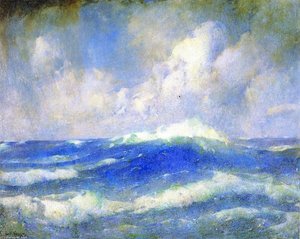
The Open Sea

- 122.0 x 147.0 cm


 Rozwiń treść
Giclée / Wydruk artystyczny
Wydruki giclée lub płótna o jakości muzealnej, szybka realizacja i szeroki wybór opcji wykończenia. ( Zamów ręcznie malowaną reprodukcję Przejdź do wersji cyfrowej)




P118B zł10

P118H zł10

P118W zł10

P438Z zł10

P508JH zł12

P508YH zł12

P805H zł10

P805Z zł10

P919BZ zł10

P919G zł10

P919XJ zł10

P959ZH zł10

P968JZ zł12

W106C zł8

W218G zł10

W218JH zł8

W218Y zł10

W307PJ zł10

W316G zł10

W316PJ zł8

W316Y zł10

W398PJ zł8

W4111J zł10

W500HY zł15

W500JH zł15

W692G zł12

W849H zł8

W940BG zł15

W953PJ zł8




Wybierz spośród naszych standardowych rozmiarów, które zachowują oryginalne proporcje dzieła sztuki.

Wpisz wymaganą szerokość i wysokość, aby dopasować grafikę do ramy lub ściany. Wydruk można jedynie przyciąć, nigdy nie powiększając go poza oryginalny obraz, dlatego format o innych proporcjach spowoduje utratę części kompozycji. Przed rozpoczęciem druku prześlemy Ci cyfrowy podgląd do zatwierdzenia. Obraz wyświetlany na tej stronie nie pokazuje rzeczywistego przycięcia — jedynie podgląd oddaje ten efekt.
Dostawa na cały świat () w ciągu 2 tygodni zamiast standardowych 4/5 tygodni. (2 Listopad)

Bezpłatna ekspresowa wysyłka na cały świat

Wysokiej jakości płótno lniane

Pełne ubezpieczenie przesyłki

Gwarancja zwrotu należności celnych i podatków importowych

Gwarancja wiernego odwzorowania kolorów

100-dniowa polityka zwrotów (tylko w przypadku wad)

Gwarancja 100% zwrotu pieniędzy

Zniżka przy zakupie wielu sztuk
 Opcja ze szkłem jest dostępna wyłącznie w rozmiarach poniżej 110 cm

The Open Sea
Giclée / Wydruk artystyczny
Wymiary reprodukcji
-


Cena całkowita
zł 311
A Tempestuous Vision: Soren Emil Carlsen’s “The Open Sea”
Soren Emil Carlsen's "The Open Sea," painted in 1909, isn’t merely a depiction of the ocean; it’s an immersion into its raw power and profound solitude. This monochromatic seascape, rendered in shades of gray and white, immediately commands attention with its dramatic composition – a clear division between the tumultuous sky and the vast expanse of water below. Carlsen, deeply influenced by both late 19th-century Realism and Impressionism, masterfully captures the atmospheric effects of an impending storm, evoking a sense of awe mingled with unease. The painting’s strength lies not in precise detail but in its ability to convey the *feeling* of being confronted by nature's formidable force – a sentiment powerfully resonant even today.
Crafting Atmosphere: Technique and Materials
Carlsen’s technique is characterized by a deliberate looseness, prioritizing texture and emotional impact over photographic accuracy. Visible brushstrokes dominate the canvas, creating a rough, uneven surface that mirrors the chaotic nature of the sea and sky. Thick impasto is particularly evident in areas representing crashing waves, lending them an almost sculptural quality. The absence of hard lines – instead, blurred edges and subtle gradations of gray – contribute to the painting’s atmospheric effect, drawing the viewer into a world shrouded in mist and anticipation. The choice of oil paint on canvas allowed for layering and blending, essential to achieving the depth and luminosity that define Carlsen's style. The monochromatic palette isn’t simply a stylistic choice; it amplifies the drama, stripping away distractions and focusing attention entirely on form, light, and shadow.
A Study in Light and Perspective
The lighting in “The Open Sea” is diffused and overcast, suggesting an approaching storm or a scene perpetually veiled in mist. There are no sharp shadows; instead, the artist employs subtle tonal variations to create a sense of depth and spatial recession. Atmospheric perspective – where distant objects appear lighter and less distinct – further enhances this effect, conveying the immense scale of the ocean and sky. The horizon line, slightly undulating due to the waves, adds dynamism to the composition while maintaining a sense of balance. The painting’s horizontal format reinforces this feeling of vastness, inviting the viewer to lose themselves in the endless expanse before them.
Symbolism and Emotional Resonance
Beyond its technical brilliance, “The Open Sea” carries significant symbolic weight. The turbulent ocean can be interpreted as a metaphor for the unknown, the challenges of life, or even the overwhelming forces of nature. The monochromatic palette reinforces a sense of somberness and introspection, inviting contemplation on themes of isolation, vulnerability, and perhaps even fear. Carlsen’s work taps into a primal human response to the sea – a mixture of respect, awe, and a recognition of our own insignificance in the face of such power. It's a painting that lingers in the mind long after viewing, prompting reflection on the beauty and terror inherent in the natural world.
Discovering the Artist: A Legacy of Luminism
Soren Emil Carlsen (1853-1932) was a pivotal figure in American painting, bridging the gap between European artistic traditions and the burgeoning modern art scene. Born in Copenhagen and later settling in Chicago, he developed a distinctive style characterized by tonalist landscapes and seascapes – a legacy deeply rooted in Danish Luminism, an approach emphasizing subtle gradations of light and color to evoke mood and atmosphere. His work, as evidenced by his other pieces like “Kattegat Landscape,” demonstrates a profound understanding of capturing the ephemeral qualities of light and weather. Explore more of Carlsen’s captivating oeuvre at OriginalUniqueArt to fully appreciate the breadth and depth of his artistic vision.
Pytania i odpowiedzi
Czy „The Open Sea” – Soren Emil Carlsen to obraz, rysunek czy grafika?
W katalogu dzieło „The Open Sea” – Soren Emil Carlsen zostało sklasyfikowane jako WallArt. Kategoria ta ułatwia odnajdywanie podobnych prac.
Jaki dominujący odcień przenika „The Open Sea” – Soren Emil Carlsen?
Dominującym odcieniem dzieła „The Open Sea” – Soren Emil Carlsen jest Green to Violet Spectrum. Odcień ten stanowi bazową tonację palety barw.
Do którego etapu twórczości Soren Emil Carlsen należy dzieło „The Open Sea”?
W dorobku artystycznym Soren Emil Carlsen dzieło „The Open Sea” przypada na Late Career. Ten etap pozwala zestawić je z innymi pracami twórcy.
Biografia artysty
Soren Emil Carlsen (1848 or 53 - 1932): The American Chardin
- Early Life and Artistic Foundations
- Emigration to America and Impressionist Influences
- The Mastery of Still Life: A Unique Style
- Teaching Legacy and Shaping Future Artists
- A Lasting Impact on American Art
Early Life and Artistic Foundations
Soren Emil Carlsen was born in Copenhagen, Denmark, on October 19, 1853 (though some records indicate 1848 or 1853), a fact that would later become central to his artistic identity. He descended from an artistic lineage; his mother practiced painting, and his cousin Viggo Johansen was a prominent Danish painter who profoundly impacted Carlsen’s worldview. Initially drawn to architecture at the Royal Academy in Copenhagen for four years—a discipline that instilled within him a meticulous understanding of structure and form—Carlsen swiftly recognized the allure of pure artistic expression. This formative period cemented his appreciation for visual harmony and geometric precision, elements that would subtly permeate his later landscapes and still lifes. His early training with Lauritz Holst, a marine artist celebrated for capturing the ethereal beauty of the Danish coastlines, further honed his observational skills and nurtured his fascination with light—a preoccupation that would become a defining characteristic of his artistic vision.Emigration to America and Impressionist Influences
A transformative juncture arrived in 1872 when Carlsen embarked on an ambitious journey across the Atlantic, establishing himself in Chicago, Illinois – a burgeoning epicenter for artistic innovation. This relocation wasn’t merely geographical; it represented a profound intellectual shift. Leaving behind his architectural pursuits, he pursued art with renewed fervor, enrolling at the Royal Academy and immersing himself in the teachings of Holst. Simultaneously, he cultivated friendships with fellow artists who championed innovative approaches to painting—most notably Jean-Baptiste-Siméon Chardin, whose masterful depictions of everyday objects imbued with quiet dignity captivated Carlsen’s imagination. The Parisian encounter proved pivotal, exposing him to Chardin's distinctive tonalist aesthetic—characterized by muted palettes, subtle gradations of light, and an unwavering focus on mood and atmosphere. This influence would indelibly shape Carlsen’s artistic style, guiding him toward a contemplative exploration of texture, form, and the passage of time.The Mastery of Still Life: A Unique Style
Carlsen quickly distinguished himself as “The American Chardin,” a testament to his unparalleled ability to transform commonplace objects into vehicles for poetic contemplation. His early works—often featuring copper pans gleaming softly, meticulously arranged game birds, and delicate flowers poised in vases—were deeply rooted in the tonalist tradition. He wasn’t merely replicating what he saw; rather, he sought to convey *how* he felt when observing it—a feat achieved through painstaking attention to detail and a masterful manipulation of light and color. This sensitivity to atmospheric conditions became his signature trait, setting him apart from many of his contemporaries who favored brighter hues and more dramatic compositions. He meticulously studied Chardin’s technique, adopting his approach to capturing the subtle nuances of light and texture—a decision that would propel Carlsen's artistic development toward a singular vision: one where beauty resided in simplicity and understated elegance.Teaching Legacy and Shaping Future Artists
Carlsen’s influence extended far beyond his own canvases; he was a devoted educator who profoundly impacted generations of aspiring artists. He inaugurated the first instructor of drawing and painting at the Chicago Academy of Design, laying the groundwork for countless future creatives—a role that instilled in him a deep conviction about the importance of fostering artistic curiosity and nurturing individual expression. Later, he served as director of the California School of Design (now San Francisco Art Institute) from 1887 to 1889, shaping the artistic landscape of the West Coast. His pedagogical philosophy emphasized observation, technical proficiency, and a comprehensive understanding of artistic principles—a commitment that earned him numerous accolades, including the Samuel T. Shaw Purchase Prize, the Gold Medal at the Louisiana Purchase Exposition, and membership in the National Academy of Design. Among his most notable students was Guy Rose, who would become a prominent figure in California Impressionism—a testament to Carlsen’s enduring legacy as a mentor and innovator.A Lasting Impact on American Art
Soren Emil Carlsen's artistic contribution solidified his position as one of America’s foremost painters. His distinctive style—characterized by tonalist palettes, meticulous attention to detail, and an unwavering devotion to capturing the ethereal beauty of light—continues to inspire artists today. He purchased a home in Falls Village, Connecticut in 1905, finding solace and inspiration in the Berkshire Mountains, where he painted numerous landscapes during his summers. His sales improved significantly after joining Macbeth Gallery, allowing him to live comfortably and pursue his artistic vision with unwavering dedication. Solo exhibitions at Macbeth Gallery throughout the 1910s and 1920s further cemented Carlsen’s reputation as a visionary artist—a figure whose paintings resonate with timeless elegance and profound emotional depth. His work resides in prominent museums across the United States, ensuring that his artistic legacy endures for generations to come.
Soren Emil Carlsen
1853 - 1932 , Dania
Krótka nota
- Artistic Movement Or Style: Impressionizm tonalistyczny
- Artists Or Movements Influenced By This Artist: ['Lauritz Holst']
- Artists Who Influenced This Artist: ['Jean-Baptiste-Siméon Chardin']
- Date Of Birth: 1853-10-19
- Full Name: Soren Emil Carlsen
- Nationality: Dania
- Notable Artworks:
- Żółw i muszle
- Kwiaty
- Place Of Birth: Kopenhaga, Dania
Powiązane artykuły
The Allure of the Horizon: A Comprehensive Exploration of Seascape Art Through History & Emotion
Explore the captivating world of seascape art! Discover its history, key artists & movements – from Dutch Masters to Impressionism. Expert insights for collectors and enthusiasts at OriginalUniqueArt.

The Soul of Impressionism: Why Oil on Canvas Captures Eternal Light and Timeless Emotion
Discover the enchanting alchemy of Impressionism. Explore how the mastery of oil on canvas, through glazing and impasto, captures eternal light and emotion. Perfect for lovers of Monet and Van Gogh seeking the profound depth of hand-painted fine art.

Olej na płótnie: Historia, techniki i ponadczasowy urok malarskiego medium
Poznaj historię i techniki malarstwa olejowego! Od renesansowych mistrzów po współczesne zastosowania – wszystko o oleju na płótnie. Poradniki, konserwacja i inspiracje dla pasjonatów sztuki.

Trwała Spuścizna Malarstwa Olejnego: Technika, Historia i Estetyczny Wpływ
Poznaj historię i technikę malarstwa olejnego! Eksperckie artykuły o konserwacji, renowacji oraz współczesnych zastosowaniach. Dowiedz się więcej o mistrzach i trwałości obrazów olejnych.

Romantic Realism's Finest: 10 Masterpieces for Your Home | OriginalUniqueArt
Explore 10 defining masterpieces of Romantic Realism! Discover Courbet, Millet & Daumier's powerful paintings—capturing emotion and social realities. Find museum-quality reproductions for your home at OriginalUniqueArt.com.