

 Zobacz w skali 1:1
 Wyślij
 Udostępnij
 Szczegóły
 Przewodnik

 Pobierz plik obrazu
 Podobne obiekty
 RTG
RTG Pokaz slajdów
 Statystyki
Blackfish and Clams
 Oil On Canvas
- WallArt
- Tonalism & Impressionism
 1880
1880- 19th Century
 87.0 x 97.0 cm
 Metropolitan Museum of Art
 Czytaj więcej
Giclée / Wydruk artystyczny
Wydruki giclée lub płótna o jakości muzealnej, szybka realizacja i szeroki wybór opcji wykończenia. ( Kup ręcznie malowany obraz Przełącz na wersję cyfrową)




P118B $10

P118H $10

P118W $10

P438Z $10

P508JH $12

P508YH $12

P805H $10

P805Z $10

P919BZ $10

P919G $10

P919XJ $10

P959ZH $10

P968JZ $12

W106C $8

W218G $10

W218JH $8

W218Y $10

W307PJ $10

W316G $10

W316PJ $8

W316Y $10

W398PJ $8

W4111J $10

W500HY $15

W500JH $15

W692G $12

W849H $8

W940BG $15

W953PJ $8




Wybierz spośród naszych standardowych rozmiarów, które zachowują oryginalne proporcje dzieła sztuki.

Możesz wprowadzić własne wymiary, aby dopasować dzieło do konkretnej ramy lub przestrzeni. Jeśli wybrany rozmiar nie będzie odpowiadał proporcjom oryginalnego obrazu, przytniecie dzieło lub rozszerzymy obraz za pomocą odbicia lustrzanego lub jednolitego wypełnienia krawędzi. Przed rozpoczęciem produkcji prześlemy cyfrową wizualizację do Twojej akceptacji.
Prosimy pamiętać, że podgląd na ekranie nie odzwierciedla faktycznego przycinania ani rozszerzania. Tylko wizualizacja dokładnie pokaże końcową kompozycję.
Mimo dostępności niestandardowych rozmiarów, zalecamy wybór wymiaru z listy zdefiniowanej, aby zachować oryginalne proporcje.
Dostawa na cały świat () w ciągu 2 tygodni zamiast standardowych 4/5 tygodni. (27 Wrzesień)

Bezpłatna ekspresowa wysyłka na cały świat

Wysokiej jakości płótno lniane

Pełne ubezpieczenie transportowe

Gwarancja zwrotu należności celnych i podatków importowych

Gwarancja idealnego odwzorowania barw

100-dniowy okres na zwrot dzieła w przypadku wykrycia wad produkcyjnych

Gwarancja 100% zwrotu pieniędzy

Oferta przy zakupie wielu sztuk
 Opcja ze szkłem jest dostępna wyłącznie w rozmiarach poniżej 110 cm

Blackfish and Clams
Giclée / Wydruk artystyczny
Rozmiar reprodukcji
-


Suma do zapłaty
$ 80
The Quiet Bounty of Still Life
To gaze upon Blackfish and Clams is to be drawn into a moment suspended in time—a quiet tableau of sustenance and domestic grace. Søren Emil Carlsen, with his masterful hand, has captured not merely objects, but the very essence of a bountiful catch laid out for contemplation. The composition itself speaks volumes; it is structured around a gentle, almost unconscious triangle, drawing the eye from the central woven basket outward to the dark, mysterious expanse upon which everything rests. This arrangement lends an immediate sense of visual stability, grounding the viewer in the rich materiality of the scene.
A Study in Contrasts and Textures
Carlsen’s technical brilliance shines through in his handling of texture. One can almost feel the rough weave of the basket against the slick, cool skin of the blackfish. The artist employs a sophisticated interplay between light and shadow; the diffused illumination seems to emanate from an unseen source above, casting soft gradients that define every fold in the white linens and every curve upon the shells. This masterful use of chiaroscuro allows the muted palette—dominated by deep browns, blacks, and creamy whites—to achieve remarkable depth. It is a dialogue between the organic fluidity of nature’s bounty and the structured geometry provided by the basket.
Symbolism of Sustenance and Intimacy
Beyond its immediate realism, this painting whispers tales of human connection to the earth. The subject matter—fish, clams, and fine linens—evokes potent themes of abundance, provision, and the simple rituals of domestic life. The dark background, so enveloping, adds a layer of subtle mystery, suggesting that while the bounty is before us, it emerges from depths unknown. It invites the viewer to pause, to consider the source of nourishment, both literal and metaphorical.
Echoes of Late 19th-Century Realism
Painted around 1880, this work stands as a beautiful testament to the late 19th-century dedication to realism in Danish art. Carlsen’s technique, involving thin, luminous glazes over oil paint, allowed him to achieve an almost photographic verisimilitude while retaining the warmth of hand-painted artistry. For those who appreciate historical depth or seek artwork that anchors a space with quiet dignity, this piece offers an unparalleled connection to a bygone era of meticulous craftsmanship.
Biografia artysty
Soren Emil Carlsen (1848 or 53 - 1932): The American Chardin
- Early Life and Artistic Foundations
- Emigration to America and Impressionist Influences
- The Mastery of Still Life: A Unique Style
- Teaching Legacy and Shaping Future Artists
- A Lasting Impact on American Art
Early Life and Artistic Foundations
Soren Emil Carlsen was born in Copenhagen, Denmark, on October 19, 1853 (though some records indicate 1848 or 1853), a fact that would later become central to his artistic identity. He descended from an artistic lineage; his mother practiced painting, and his cousin Viggo Johansen was a prominent Danish painter who profoundly impacted Carlsen’s worldview. Initially drawn to architecture at the Royal Academy in Copenhagen for four years—a discipline that instilled within him a meticulous understanding of structure and form—Carlsen swiftly recognized the allure of pure artistic expression. This formative period cemented his appreciation for visual harmony and geometric precision, elements that would subtly permeate his later landscapes and still lifes. His early training with Lauritz Holst, a marine artist celebrated for capturing the ethereal beauty of the Danish coastlines, further honed his observational skills and nurtured his fascination with light—a preoccupation that would become a defining characteristic of his artistic vision.Emigration to America and Impressionist Influences
A transformative juncture arrived in 1872 when Carlsen embarked on an ambitious journey across the Atlantic, establishing himself in Chicago, Illinois – a burgeoning epicenter for artistic innovation. This relocation wasn’t merely geographical; it represented a profound intellectual shift. Leaving behind his architectural pursuits, he pursued art with renewed fervor, enrolling at the Royal Academy and immersing himself in the teachings of Holst. Simultaneously, he cultivated friendships with fellow artists who championed innovative approaches to painting—most notably Jean-Baptiste-Siméon Chardin, whose masterful depictions of everyday objects imbued with quiet dignity captivated Carlsen’s imagination. The Parisian encounter proved pivotal, exposing him to Chardin's distinctive tonalist aesthetic—characterized by muted palettes, subtle gradations of light, and an unwavering focus on mood and atmosphere. This influence would indelibly shape Carlsen’s artistic style, guiding him toward a contemplative exploration of texture, form, and the passage of time.The Mastery of Still Life: A Unique Style
Carlsen quickly distinguished himself as “The American Chardin,” a testament to his unparalleled ability to transform commonplace objects into vehicles for poetic contemplation. His early works—often featuring copper pans gleaming softly, meticulously arranged game birds, and delicate flowers poised in vases—were deeply rooted in the tonalist tradition. He wasn’t merely replicating what he saw; rather, he sought to convey *how* he felt when observing it—a feat achieved through painstaking attention to detail and a masterful manipulation of light and color. This sensitivity to atmospheric conditions became his signature trait, setting him apart from many of his contemporaries who favored brighter hues and more dramatic compositions. He meticulously studied Chardin’s technique, adopting his approach to capturing the subtle nuances of light and texture—a decision that would propel Carlsen's artistic development toward a singular vision: one where beauty resided in simplicity and understated elegance.Teaching Legacy and Shaping Future Artists
Carlsen’s influence extended far beyond his own canvases; he was a devoted educator who profoundly impacted generations of aspiring artists. He inaugurated the first instructor of drawing and painting at the Chicago Academy of Design, laying the groundwork for countless future creatives—a role that instilled in him a deep conviction about the importance of fostering artistic curiosity and nurturing individual expression. Later, he served as director of the California School of Design (now San Francisco Art Institute) from 1887 to 1889, shaping the artistic landscape of the West Coast. His pedagogical philosophy emphasized observation, technical proficiency, and a comprehensive understanding of artistic principles—a commitment that earned him numerous accolades, including the Samuel T. Shaw Purchase Prize, the Gold Medal at the Louisiana Purchase Exposition, and membership in the National Academy of Design. Among his most notable students was Guy Rose, who would become a prominent figure in California Impressionism—a testament to Carlsen’s enduring legacy as a mentor and innovator.A Lasting Impact on American Art
Soren Emil Carlsen's artistic contribution solidified his position as one of America’s foremost painters. His distinctive style—characterized by tonalist palettes, meticulous attention to detail, and an unwavering devotion to capturing the ethereal beauty of light—continues to inspire artists today. He purchased a home in Falls Village, Connecticut in 1905, finding solace and inspiration in the Berkshire Mountains, where he painted numerous landscapes during his summers. His sales improved significantly after joining Macbeth Gallery, allowing him to live comfortably and pursue his artistic vision with unwavering dedication. Solo exhibitions at Macbeth Gallery throughout the 1910s and 1920s further cemented Carlsen’s reputation as a visionary artist—a figure whose paintings resonate with timeless elegance and profound emotional depth. His work resides in prominent museums across the United States, ensuring that his artistic legacy endures for generations to come.
Soren Emil Carlsen
1853 - 1932 , Dania
Najważniejsze informacje
- Artistic Movement Or Style: Impressionizm tonalistyczny
- Artists Or Movements Influenced By This Artist: ['Lauritz Holst']
- Artists Who Influenced This Artist: ['Jean-Baptiste-Siméon Chardin']
- Date Of Birth: 1853-10-19
- Full Name: Soren Emil Carlsen
- Nationality: Dania
- Notable Artworks:
- Żółw i muszle
- Kwiaty
- Place Of Birth: Kopenhaga, Dania
Zobacz także powiązane artykuły
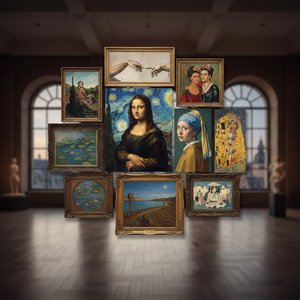
10 arcydzieł malarstwa olejnego, które na zawsze zmieniły sztukę | OriginalUniqueArt.com
Poznaj 10 arcydzieł malarstwa olejowego, które zrewolucjonizowały świat sztuki! Van Gogh, Monet, Picasso i inni – odkryj historie, techniki i emocje w słynnych obrazach. Reprodukcje najwyższej jakości na OriginalUniqueArt.com. Eksploruj kolekcję online!

Trwała Spuścizna Malarstwa Olejnego: Technika, Historia i Estetyczny Wpływ
Poznaj historię i technikę malarstwa olejnego! Eksperckie artykuły o konserwacji, renowacji oraz współczesnych zastosowaniach. Dowiedz się więcej o mistrzach i trwałości obrazów olejnych.

Odbitki Giclée: Jakość Archiwalna i Estetyczne Niuanse dla Wymagającego Kolekcjonera
Poznaj sekrety druku giclée – technologii zapewniającej najwyższą jakość reprodukcji sztuki i trwałość archiwalaną. Poradnik dla wymagających kolekcjonerów o wyborze papieru, tuszy i profilach kolorystycznych.

Olej na płótnie: Historia, techniki i ponadczasowy urok malarskiego medium
Poznaj historię i techniki malarstwa olejowego! Od renesansowych mistrzów po współczesne zastosowania – wszystko o oleju na płótnie. Poradniki, konserwacja i inspiracje dla pasjonatów sztuki.

Trwała Spuścizna Malarstwa Olejnego: Technika, Historia i Współczesna Praktyka
Poznaj historię i techniki malarstwa olejnego. Poradniki dla artystów, informacje o konserwacji oraz możliwość zamówienia wysokiej jakości reprodukcji obrazów. Ekspercka wiedza i gwarancja trwałości dzieł sztuki.