

 Podgląd w skali 1:1
 Wyślij jako kartkę
 Udostępnij
 Szczegóły dzieła
 Przewodnik

 Pobierz obraz
 Podobne obiekty
 RTG
RTG Pokaz slajdów
 Statystyki
Guardian II
 Other
Other 1994
1994 152.0 x 122.0 cm
 University of Birmingham
 Rozwiń treść
Dzieło sztuki prezentowane na tej stronie podlega ochronie prawem autorskim, co oznacza, że nie mamy prawa do tworzenia ani sprzedaży jego identycznej reprodukcji. Ochrona ta jest egzekwowana na mocy umów międzynarodowych, takich jak Konwencja berneńska oraz przez przepisy prawa krajowego, w tym te określone w Prawo autorskie USA – Tytuł 17.
Metoda ta jest w pełni zgodna z przepisami prawa autorskiego, ponieważ nie polega na kopiowaniu ani powielaniu chronionego dzieła. Stanowi ona kreatywną reinterpretację – nowy obraz, który czerpie inspirację z oryginału, ale nie jest z nim tożsamy.
Giclée / Wydruk artystyczny
Wydruki giclée lub płótna o jakości muzealnej, szybka realizacja i szeroki wybór opcji wykończenia. ( Zamów ręcznie malowaną reprodukcję Przejdź do wersji cyfrowej)




P118B zł10

P118H zł10

P118W zł10

P438Z zł10

P508JH zł12

P508YH zł12

P805H zł10

P805Z zł10

P919BZ zł10

P919G zł10

P919XJ zł10

P959ZH zł10

P968JZ zł12

W106C zł8

W218G zł10

W218JH zł8

W218Y zł10

W307PJ zł10

W316G zł10

W316PJ zł8

W316Y zł10

W398PJ zł8

W4111J zł10

W500HY zł15

W500JH zł15

W692G zł12

W849H zł8

W940BG zł15

W953PJ zł8




Wybierz spośród naszych standardowych rozmiarów, które zachowują oryginalne proporcje dzieła sztuki.

Wpisz wymaganą szerokość i wysokość, aby dopasować grafikę do ramy lub ściany. Wydruk można jedynie przyciąć, nigdy nie powiększając go poza oryginalny obraz, dlatego format o innych proporcjach spowoduje utratę części kompozycji. Przed rozpoczęciem druku prześlemy Ci cyfrowy podgląd do zatwierdzenia. Obraz wyświetlany na tej stronie nie pokazuje rzeczywistego przycięcia — jedynie podgląd oddaje ten efekt.
Dostawa na cały świat () w ciągu 2 tygodni zamiast standardowych 4/5 tygodni. (25 Październik)

Bezpłatna ekspresowa wysyłka na cały świat

Wysokiej jakości płótno lniane

Pełne ubezpieczenie przesyłki

Gwarancja zwrotu należności celnych i podatków importowych

Gwarancja wiernego odwzorowania kolorów

100-dniowa polityka zwrotów (tylko w przypadku wad)

Gwarancja 100% zwrotu pieniędzy

Zniżka przy zakupie wielu sztuk
 Opcja ze szkłem jest dostępna wyłącznie w rozmiarach poniżej 110 cm

Guardian II
Giclée / Wydruk artystyczny
Wymiary reprodukcji
-


Cena całkowita
zł 307
Biografia artysty
Sonia Lawson: A Yorkshire Visionary of Pain and Beauty
Sonia Lawson (1934-2023) wasn’t a name widely familiar during her lifetime, yet her art possesses a haunting resonance that continues to captivate. Born in the heart of North Yorkshire, amidst the windswept beauty of the Dales, Lawson’s life and work were inextricably linked to this rugged landscape – its starkness, its quiet dignity, and ultimately, its capacity for both profound sorrow and unexpected grace. Her journey as an artist wasn't a straightforward ascent; it was forged in the crucible of personal hardship, shaped by familial influences, and fueled by a deeply felt sense of social responsibility.
Lawson’s artistic lineage began with her parents, Fred and Muriel Lawson – both accomplished artists themselves. Her father, a landscape painter, instilled in her an appreciation for the natural world, while her mother, a watercolorist battling Graves' Disease, provided a poignant counterpoint of vulnerability and resilience. Raised within this creative environment, Sonia absorbed not just techniques but also a profound understanding of how art could reflect – and perhaps even transcend – human experience. The Dales became her constant muse, informing the muted palettes, evocative textures, and often melancholic atmosphere that characterize much of her work. Early visitors to their cottage included notable figures like Jacob Kramer, J.B. Priestly, James Kirkup, and Dorothy Una Ratcliffe, further enriching her artistic education.
The Early Years: Formal Training and Emerging Style
Lawson’s formal training began at Doncaster School of Art in the late 1950s, followed by a prestigious place at the Royal College of Art in London. It was here that she honed her skills, experimenting with various media and styles before ultimately establishing a distinctive approach rooted in both realism and abstraction. Her graduation work, including a series of paintings depicting everyday life – “Mug with Wild Flowers,” for example – demonstrated an early willingness to blend traditional techniques with modern sensibilities. The influence of the post-war art scene was palpable, yet Lawson remained steadfastly independent, refusing to be confined by prevailing trends.
A pivotal moment in her artistic development came with a travelling scholarship that took her to France in 1960. This experience broadened her perspective and exposed her to European modernism, subtly shaping the direction of her future work. Upon her return, she began teaching at Harrow School of Art and Central St Martin’s, sharing her knowledge and inspiring a new generation of artists.
A Voice for Suffering: Social Commentary and Darker Themes
The mid-1960s marked a significant shift in Lawson's artistic focus. Deeply affected by the social injustices and human tragedies unfolding around her – particularly the plight of children – she began to incorporate themes of suffering, cruelty, and political persecution into her paintings. This period saw the emergence of powerfully unsettling works like “Figure at Dawn” (1967), a depiction of a captive awaiting execution that served as a stark indictment of violence and injustice. Her art became a vehicle for bearing witness to human misery, reflecting a profound sense of moral responsibility.
Lawson’s commitment to social commentary was further underscored by her commission to document the British Army's Exercise “Operation Lionheart” in Wesphalia, Germany, in 1982. This project resulted in a series of unflinching images that exposed the realities of war and its devastating consequences. Her work during this time garnered critical acclaim, with Carel Weight famously describing "Figure at Dawn" as disturbing in its intensity – a testament to Lawson’s ability to evoke profound emotional responses.
Personal Tragedy and Enduring Resilience
In 1982, tragedy struck when a devastating house fire destroyed much of Lawson's artwork and left her severely burned. This traumatic event profoundly impacted her life, both physically and emotionally. Yet, remarkably, she persevered, continuing to create art despite the immense challenges she faced. The experience fueled a renewed sense of purpose and led her to explore themes of personal loss, resilience, and the enduring bonds of family – particularly her relationship with her mother, Muriel, who had suffered from Graves’ Disease and depression.
Her exploration of her mother's life culminated in poignant works like “Gallant Child” (1976), a deeply moving depiction of a woman reading to her child at night. Lawson’s ability to transform personal pain into art served as a testament to her remarkable resilience and artistic integrity.
Legacy and Recognition
Sonia Lawson's work remained largely under the radar during much of her career, yet it has gained increasing recognition in recent years. Her paintings are now held in numerous private collections across the UK, Germany, Australia, and the United States, and her retrospective exhibition at the Dean Clough Gallery in Halifax in 1996 brought renewed attention to her extraordinary talent. Lawson was elected a Royal Academician in 1991, a prestigious honor that acknowledged her significant contributions to British art. Her legacy extends beyond individual artworks; she represents a powerful voice for social conscience and a testament to the enduring power of art to confront difficult truths and offer solace in times of suffering.

Sonia Lawson
1934 -
Krótka nota
- Full Name: Sonia Lawson
- Nationality: British
- Date Of Birth: 1934
- Date Of Death: 15 May 2023
- Place Of Birth: Darlington, UK
- Notable Artworks:
- Guardian II
- Tobias and the Angel
- Sleeping Angel
- Letter with sketch
- Artistic Movement Or Style: Contemporary, Yorkshire Landscape
- Artists Who Influenced This Artist:
- Fred Lawson
- Muriel Metcalfe
- Artists Or Movements Influenced By This Artist:
- Francis Bacon
- Jacob Kramer
Powiązane artykuły

Evocations of Place: A Historical Journey Through Landscape Art
Explore the rich history of landscape art with OriginalUniqueArt. Discover renowned artists, movements like Impressionism & Romanticism, and expert guidance for collecting timeless pieces. Find your perfect serene escape today!

Echa Miejsca: Historyczna Podróż przez Sztukę Krajobrazu
Odkryj historię sztuki krajobrazu – od romantycznych wizji Friedricha po surrealistyczne pejzaże Dalego. Analizy, inspiracje i reprodukcje obrazów najwyższej jakości na OriginalUniqueArt.com.

Romantyczny Krajobraz w Malarstwie: 10 Arcydzieł, Które Zdefiniowały Epokę | OriginalUniqueArt.com
Odkryj 10 arcydzieł romantyzmu w malarstwie! Poznaj historie Caspara Davida Friedricha, Turnera i innych mistrzów. Inspiracje wnętrzarskie & reprodukcje obrazów najwyższej jakości na OriginalUniqueArt.com. Eksploruj kolekcję online!
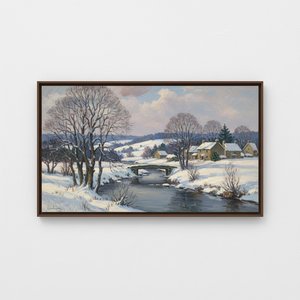
Ernest Lawson: A Pioneer of American Impressionism & His Vision of the Rural Landscape
Explore the life & art of Ernest Lawson, a pivotal figure in American Impressionism. Discover his evocative landscapes, influences, and lasting legacy with OriginalUniqueArt.

John Constable: 25 Najlepszych Obrazów Mistrza Angielskiego Krajobrazu | OriginalUniqueArt
Odkryj 25 arcydzieł Johna Constable'a – mistrza angielskiego krajobrazu! Poznaj romantyczne pejzaże, technikę malarską i inspiracje z Dedham Vale. Reprodukcje obrazów najwyższej jakości na OriginalUniqueArt.com. Eksploruj pełną kolekcję online!