

 Wyślij jako kartkę
 Udostępnij
 Szczegóły dzieła

 Pobierz
 Podobne obiekty
 Pokaz slajdów
Łaskotanie dzikich koni


 Rozwiń treść
Giclée / Wydruk artystyczny
Druk giclée lub płótno o jakości muzealnej, szybka realizacja i szeroki wybór opcji wykończenia. ( Zamów ręcznie malowaną reprodukcję Kup obraz wysokiej rozdzielczości)




































Wybierz spośród naszych standardowych rozmiarów, które zachowują oryginalne proporcje dzieła sztuki.

Możesz wprowadzić własne wymiary, aby dopasować dzieło do konkretnej ramy lub przestrzeni. Jeśli wybrany rozmiar nie będzie odpowiadał proporcjom oryginalnego obrazu, przytniecie dzieło lub rozszerzymy obraz za pomocą odbicia lustrzanego lub jednolitego wypełnienia krawędzi. Przed rozpoczęciem produkcji prześlemy cyfrową wizualizację do Twojej akceptacji.
Prosimy pamiętać, że podgląd na ekranie nie odzwierciedla faktycznego przycinania ani rozszerzania. Tylko wizualizacja dokładnie pokaże końcową kompozycję.
Mimo dostępności niestandardowych rozmiarów, zalecamy wybór wymiaru z listy zdefiniowanej, aby zachować oryginalne proporcje.
Dostawa na cały świat () w ciągu 2 tygodni zamiast standardowych 4/5 tygodni. (29 Sierpień)

Bezpłatna ekspresowa wysyłka na cały świat

Wysokiej jakości płótno lniane

Pełne ubezpieczenie przesyłki

Gwarancja zwrotu należności celnych i podatków importowych

Gwarancja wiernego odwzorowania kolorów

Polityka 60-dniowego zwrotu (tylko w przypadku wad)

Gwarancja 100% zwrotu kosztów

Zniżka przy zamówieniu wielu produktów
 Opcja ze szkłem jest dostępna wyłącznie w rozmiarach poniżej 110 cm

Łaskotanie dzikich koni
Giclée / Wydruk artystyczny
Wymiary reprodukcji
-


Cena całkowita
$ 80
Solon Hannibal Borglum’s “Lassoing Wild Horses”: A Symphony of Bronze and Frontier Spirit
Solon Hannibal de la Mothe Borglum’s bronze sculpture, "Lassoing Wild Horses," is more than just a depiction of a cowboy and his steed; it's a powerful embodiment of the American West—its ruggedness, its spirit of independence, and the complex relationship between humanity and nature. Created in 1898 but cast later, this dynamic work offers a captivating glimpse into the artistic vision of a lesser-known yet remarkably talented sculptor within the Borglum family – a lineage inextricably linked to monumental projects like Mount Rushmore.
The sculpture immediately commands attention with its dramatic composition. A cowboy, positioned slightly off-center, extends his arm in a decisive gesture, holding aloft a lasso poised to capture another horse galloping fiercely on the right side of the frame. This central action—the pursuit and potential capture—is brilliantly balanced by the receding form of the second horse, creating an immediate sense of depth and movement that draws the viewer into the scene. Borglum masterfully utilizes lines; the strong diagonal created by the lasso itself cuts across the composition, while meticulously rendered musculature defines both horses and the rider’s clothing, showcasing a remarkable understanding of anatomy.
Technique and Material: The Language of Bronze
Borglum's skill as a sculptor is evident in his masterful manipulation of bronze. The piece was likely created using the *cire perdue* (lost-wax) casting technique, a process renowned for its ability to capture intricate detail and achieve exceptional surface texture. The bronze itself—a carefully chosen alloy—is treated with a patina, subtly enhancing its color and adding layers of visual interest. Close examination reveals the roughness and deliberate imperfections inherent in the sculpting process; these aren’t flaws but rather testaments to Borglum's dedication to realism and his desire to convey the tactile quality of the material.
The lighting, though not explicitly represented in the original sculpture, is powerfully suggested through the play of light and shadow. A single, implied light source illuminates the scene from the front-left, casting dramatic shadows that accentuate the three-dimensionality of the figures and their surroundings. This technique creates a sense of immediacy and drama, as if we are witnessing this pivotal moment unfold before our eyes.
Symbolism and the American West
"Lassoing Wild Horses" resonates with potent symbolism deeply rooted in the narrative of the American West. Beyond its literal depiction of horsemanship and ranching activities, it speaks to themes of control versus freedom, skill versus instinct, and the enduring tension between humanity and the untamed wilderness. The cowboy’s determined posture and outstretched arm represent an attempt to dominate nature, while the wild horses embody the spirit of resistance and independence. It's a visual metaphor for the ongoing negotiation between civilization and the frontier—a theme that continues to fascinate and inspire.
A Reproduction Worth Cherishing
OriginalUniqueArt offers meticulously crafted hand-painted reproductions of “Lassoing Wild Horses,” allowing you to bring this iconic work into your home or office. Our artists replicate Borglum’s attention to detail, capturing the sculpture's dynamic energy and rich textures with unparalleled accuracy. Whether you are an art enthusiast, a collector seeking a significant piece for your collection, or simply someone drawn to the evocative imagery of the American West, a OriginalUniqueArt reproduction provides a beautiful and authentic way to experience this remarkable work of art.
O artyście
A Sculptor of the American West: The Life and Art of Solon Hannibal Borglum
Solon Hannibal de la Mothe Borglum, born December 22, 1868, in Ogden, Utah, was a sculptor whose work became inextricably linked with the spirit and landscape of the American West. Though often overshadowed by his more famous brother, Gutzon Borglum – creator of Mount Rushmore – Solon carved out a distinct artistic identity, one deeply rooted in realism and imbued with a sensitive portrayal of frontier life. His story is one of familial complexity, artistic dedication, and a profound connection to the evolving narrative of a nation forging its identity. The early years of his life were marked by an unconventional family dynamic; his father, James Borglum, a Danish immigrant and Mormon polygamist, was married to two sisters, Ida and Christina Mikkelsen. This arrangement led to a fractured childhood for Solon, particularly after his mother, Christina, left the family when he was young – a subject discouraged from discussion within the household. He spent formative years on the Nebraska prairie where his father practiced medicine, developing an intimate understanding of the land and its inhabitants. Initially drawn to the life of a cowboy-rancher, it was his brother Gutzon who recognized and nurtured Solon’s artistic inclinations, encouraging him to pursue formal training.From Paris to the Prairie: Artistic Development and Style
Solon's artistic journey led him first to the Cincinnati Art Academy from 1895 to 1897, where he began to hone his skills. However, it was his subsequent studies in Paris at the Académie Julian under Emmanuel Fremiet that truly shaped his aesthetic vision. There, he gained recognition as “le sculpteur de la prairie” – the sculptor of the prairie – a testament to the unique perspective he brought to European artistic circles. His time in Paris exposed him to classical traditions and refined sculpting techniques, yet he remained steadfastly committed to depicting the scenes and subjects that resonated with his American experience. Borglum’s style is characterized by meticulous realism, an acute understanding of anatomy and movement, and a narrative depth that breathes life into his creations. He didn't merely represent figures; he captured moments, emotions, and the essence of a disappearing way of life. His work focused primarily on depicting life in the American West, particularly scenes involving cowboys, Native Americans, and the vast, untamed landscapes that defined the era. Notable sculptures include “Saint John the Baptist baptizing on the banks of the river” (1900), now housed in Recife, Brazil, a piece demonstrating his mastery of Baroque realism and dramatic composition, and drawings like "Cow" at the Smithsonian American Art Museum, showcasing his ability to capture the raw power and beauty of animal life.War, Teaching, and a Lasting Legacy
The outbreak of World War I saw Solon shift his focus from artistic creation to service. He worked with the YMCA, contributing to Les Foyers du Soldat service clubs in France, providing respite and support for soldiers on the front lines. His dedication was recognized with the Croix de Guerre, a testament to his selfless contributions during wartime. Following the war, Borglum returned to the United States and founded the School of American Sculpture in New York City. Driven by a desire to pass on his knowledge and expertise, he mentored aspiring artists, developing a textbook titled *Sound Construction* as a guide for his students. This pedagogical endeavor reflects his commitment to fostering a new generation of sculptors grounded in both technical skill and artistic vision. Tragically, Solon Borglum’s life was cut short on January 31, 1922, following an appendectomy. However, his legacy endured through the dedication of his wife, Emma Vignal, and later through his daughter Monica and her husband, who diligently preserved and exhibited his work, ensuring that his artistic contributions would not be forgotten.A Bridge Between Eras: Historical Significance
Solon Borglum’s impact on American sculpture lies in his ability to bridge the gap between realism and iconic representations of frontier life. He didn't romanticize the West; he depicted it with honesty, sensitivity, and a deep understanding of its complexities. His sympathetic portrayal of Native Americans was particularly noteworthy, challenging prevailing stereotypes and offering a more nuanced perspective on their culture and experiences. Borglum’s teachings and artistic style influenced numerous artists, including Paul Manship, who studied under him and went on to become a prominent sculptor in his own right. Today, the New Britain Museum of American Art houses a significant collection of Borglum's sculptures and related materials, safeguarding his art for future generations. His work provides invaluable insights into the cultural landscape of the late 19th and early 20th centuries, reflecting both the romantic allure and the harsh realities of life in the American West. Through his remarkable sculptures and drawings, Solon Hannibal Borglum continues to inspire artists and art enthusiasts alike, reminding us of a pivotal era in American history and the enduring power of artistic expression. His legacy is not merely one of sculpted forms but of stories told in bronze and stone, capturing the heart and soul of a nation.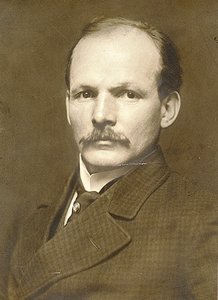
Solon Hannibal Borglum
1868 - 1922 , United States of America
Krótka nota
- Artistic Movement Or Style: Realism, Western art
- Artists Or Movements Influenced By This Artist: ['Paul Manship']
- Artists Who Influenced This Artist:
- Emmanuel Fremiet
- Gutzon Borglum
- Date Of Birth: December 22, 1868
- Date Of Death: January 31, 1922
- Full Name: Solon Hannibal Borglum
- Nationality: American
- Notable Artworks:
- Saint John the Baptist
- Cow
- The teacher of sciences
- Place Of Birth: Ogden, USA
Powiązane artykuły

10 Legendarnych Brązów, Które Zrewolucjonizowały Sztukę | OriginalUniqueArt
Odkryj 10 legendarnych rzeźb brązowych, które zrewolucjonizowały sztukę! Poznaj historie Rodina, Donatello i innych mistrzów. Inspiracje wnętrzarskie & reprodukcje najwyższej jakości na OriginalUniqueArt.com.

10 Legendarnych Brązów Rzeźbiarskich, Które Zmieniły Sztukę | OriginalUniqueArt
Odkryj 10 legendarnych rzeźb brązowych od Rodina, Degasa i innych mistrzów! Poznaj historię powstania arcydzieł sztuki i inspiruj się do dekoracji wnętrz. Reprodukcje najwyższej jakości na OriginalUniqueArt.com – zobacz kolekcję!

Trwałe Dziedzictwo Bronzu: Historia, Techniki i Artystyczna Ekspresja dla Kolekcjonera
Poznaj historię i techniki odlewania brązu. Poradnik dla kolekcjonerów o konserwacji, wartościowaniu i inwestycjach w sztukę brązową. Ekspercka wiedza i inspiracje.
Trwała Spuścizna Rzeźby z Brązu: Przewodnik Kolekcjonera po Formie i Znaczeniu Kulturowym
Kompleksowy przewodnik po rzeźbie z brązu dla kolekcjonerów i pasjonatów sztuki. Poznaj historię, techniki, wycenę i konserwację unikalnych dzieł. Ekspercka wiedza i porady inwestycyjne.
Trwała Spuścizna Bronzu: Historia, Technika i Ekspresja Artystyczna dla Kolekcjonera
Poznaj historię i techniki rzeźby z brązu. Ekspercka analiza wartości inwestycyjnej, konserwacji oraz ewolucji stylistycznej dla wymagających kolekcjonerów. Odkryj świat XIX-wiecznych arcydzieł Rodina i innych mistrzów.


