
 Podgląd w skali 1:1
 Wyślij jako kartkę
 Udostępnij
 Szczegóły dzieła
 Przewodnik

 Pobierz obraz
 Podobne obiekty
 RTG
RTG Pokaz slajdów
 Pytania i odpowiedzi
 Statystyki
Vue de la Bastide

 Rozwiń treść
Giclée / Wydruk artystyczny
Wydruki giclée lub płótna o jakości muzealnej, szybka realizacja i szeroki wybór opcji wykończenia. ( Zamów ręcznie malowaną reprodukcję Przejdź do wersji cyfrowej)




P118B zł10

P118H zł10

P118W zł10

P438Z zł10

P508JH zł12

P508YH zł12

P805H zł10

P805Z zł10

P919BZ zł10

P919G zł10

P919XJ zł10

P959ZH zł10

P968JZ zł12

W106C zł8

W218G zł10

W218JH zł8

W218Y zł10

W307PJ zł10

W316G zł10

W316PJ zł8

W316Y zł10

W398PJ zł8

W4111J zł10

W500HY zł15

W500JH zł15

W692G zł12

W849H zł8

W940BG zł15

W953PJ zł8




Wybierz spośród naszych standardowych rozmiarów, które zachowują oryginalne proporcje dzieła sztuki.

Wpisz wymaganą szerokość i wysokość, aby dopasować grafikę do ramy lub ściany. Wydruk można jedynie przyciąć, nigdy nie powiększając go poza oryginalny obraz, dlatego format o innych proporcjach spowoduje utratę części kompozycji. Przed rozpoczęciem druku prześlemy Ci cyfrowy podgląd do zatwierdzenia. Obraz wyświetlany na tej stronie nie pokazuje rzeczywistego przycięcia — jedynie podgląd oddaje ten efekt.
Dostawa na cały świat () w ciągu 2 tygodni zamiast standardowych 4/5 tygodni. (3 Listopad)

Bezpłatna ekspresowa wysyłka na cały świat

Wysokiej jakości płótno lniane

Pełne ubezpieczenie przesyłki

Gwarancja zwrotu należności celnych i podatków importowych

Gwarancja wiernego odwzorowania kolorów

100-dniowa polityka zwrotów (tylko w przypadku wad)

Gwarancja 100% zwrotu pieniędzy

Zniżka przy zakupie wielu sztuk
 Opcja ze szkłem jest dostępna wyłącznie w rozmiarach poniżej 110 cm

Vue de la Bastide
Giclée / Wydruk artystyczny
Wymiary reprodukcji
-


Cena całkowita
zł 317
Biografia artysty
A Life Bathed in Light: The Story of Alfred Smith
Alfred Smith, a name that whispers of quiet landscapes and the gentle touch of Impressionism, was born in Bordeaux, France, in 1854. Though his surname evokes English heritage—a lineage stemming from his father’s Welsh roots—Smith became intrinsically linked to the artistic spirit of his adopted homeland. He wasn't merely a painter; he was an interpreter of atmosphere, a chronicler of fleeting moments, and a subtle innovator within the vibrant French art scene of the late 19th and early 20th centuries.
Smith’s initial artistic journey unfolded within a circle of local Bordeaux artists who admired the realism of Gustave Courbet and the poetic lyricism of Jean-Baptiste-Camille Corot. He formally studied under Hippolyte Pradelles in 1876, followed by Léonce Chabry in 1880 and Amadeus Baudit in 1884—a foundational education that instilled a respect for traditional techniques while simultaneously opening his mind to the burgeoning possibilities of modern painting. His debut at the Paris Salon in 1880, earning an honorable mention, signaled the beginning of a career marked by consistent recognition.
From Bordeaux to Monet: Early Influences and Development
The early works of Alfred Smith bear a striking resemblance to those of Claude Monet—a testament to the profound impact the master Impressionist had on his artistic vision. Smith’s initial canvases were characterized by a similar fascination with light, color, and the ephemeral qualities of nature. He captured scenes around Bordeaux, depicting the bustling quays along the Garonne River, the sun-drenched vineyards that defined the region, and intimate garden views. However, Smith wasn't simply an imitator; he possessed a unique sensitivity to nuance, a subtle palette that distinguished his work from the bolder strokes of many of his contemporaries.
By the 1880s, Smith had risen as a leading figure in the Bordeaux school of painters. While financially independent allowed him to pursue his art without immediate commercial pressures, he didn’t fully dedicate himself to painting until 1886. This period of exploration and refinement saw him move beyond mere imitation, developing a distinctive style that blended Impressionistic techniques with elements of Post-Impressionism.
The Creuse Valley and the Crozant School
A pivotal moment in Smith’s artistic development came with his discovery of the Creuse valley. This region, known for its rugged landscapes and picturesque villages, became a source of endless inspiration. He associated himself with the Crozant School—a loose collective of artists drawn to the area's natural beauty and influenced by Courbet’s emphasis on realism. Here, Smith’s palette began to evolve, embracing brighter tones and more expressive brushwork.
His paintings from this period capture the essence of rural life in the Creuse valley—woods bathed in golden light, tranquil gardens teeming with flowers, and intimate scenes of everyday existence. He wasn't interested in grand narratives or dramatic compositions; instead, he focused on capturing the subtle beauty of the ordinary, imbuing his canvases with a sense of quiet contemplation.
Recognition and Legacy
Alfred Smith enjoyed consistent recognition throughout his career. He received a third-class medal at the Salon des Artistes Français in 1888, followed by a bronze medal in 1889. In 1894, he was honored with the title of chevalier of the Legion of Honour—a testament to his contributions to French art. He continued exhibiting regularly at French salons into the 1920s, solidifying his reputation as a respected and accomplished painter.
Today, Smith’s works are held in numerous French and Italian museums, including the Musée des Beaux-Arts de Bordeaux and the Musée d'Orsay. His paintings offer a glimpse into a bygone era—a world of quiet beauty, subtle emotions, and the enduring power of light. While perhaps not as widely celebrated as some of his more famous contemporaries, Alfred Smith’s contribution to Impressionism is significant. He was a master of atmosphere, a chronicler of everyday life, and an artist whose work continues to resonate with viewers seeking moments of peace and contemplation.
- Key Characteristics: Atmospheric landscapes, subtle palette, Impressionistic techniques blended with Post-Impressionist elements.
- Influences: Gustave Courbet, Jean-Baptiste-Camille Corot, Claude Monet.
- Major Themes: Rural life, gardens, cityscapes, the beauty of everyday existence.
Smith’s legacy lies not in revolutionary innovation but in his ability to capture the essence of a place and time with remarkable sensitivity. He reminds us that true artistry often resides in the quiet moments—the fleeting glimpses of light, the subtle nuances of color, and the enduring power of human connection.
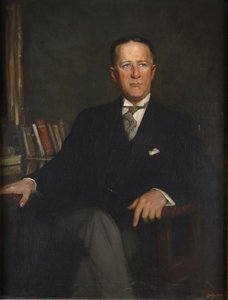
Smith Alfred
1853 - 1936 , France
Krótka nota
- Full Name: Vincent Willem van Gogh
- Nationality: Dutch
- Date Of Birth: 1853
- Date Of Death: 1936
- Place Of Birth: Bordeaux, France
- Notable Artworks:
- Sunflowers
- Bedroom in Arles
- Starry Night
- Wheatfield with Crows
- Artistic Movement Or Style: Post-Impressionism
- Artists Who Influenced This Artist: ['Jean-François Millet']
- Artists Or Movements Influenced By This Artist:
- Fauves
- Expressionism
Powiązane artykuły

Echa Miejsca: Historyczna Podróż przez Sztukę Krajobrazu
Odkryj historię sztuki krajobrazu – od romantycznych wizji Friedricha po surrealistyczne pejzaże Dalego. Analizy, inspiracje i reprodukcje obrazów najwyższej jakości na OriginalUniqueArt.com.

Evocations of Place: A Historical Journey Through Landscape Art
Explore the rich history of landscape art with OriginalUniqueArt. Discover renowned artists, movements like Impressionism & Romanticism, and expert guidance for collecting timeless pieces. Find your perfect serene escape today!

Paul Cézanne: 25 Arcydzieł, które Zrewolucjonizowały Świat Sztuki | OriginalUniqueArt
Odkryj 25 arcydzieł Paula Cézanne'a – od impresjonizmu po postimpresjonizm. Poznaj historie, techniki i inspiracje malarza, który zrewolucjonizował sztukę. Reprodukcje obrazów najwyższej jakości na OriginalUniqueArt.com!

10 Arcydzieł Impresjonizmu Krajobrazowego, Które Zdefiniowały Sztukę
Odkryj 10 arcydzieł impresjonizmu krajobrazowego! Poznaj historie Moneta, Renoir'a i Van Gogha. Inspiracje wnętrzarskie, techniki malarskie i piękne reprodukcje obrazów na OriginalUniqueArt.com. Eksploruj kolekcję online!

Sir Alfred James Munnings: 25 Arcydzieł Malarstwa Koni i Angielskiej Wsi | OriginalUniqueArt.com
Odkryj 25 arcydzieł Sir Alfreda Jamesa Munningsa – mistrza malarstwa koni i angielskiego krajobrazu. Poznaj historię, technikę i piękno jego obrazów. Reprodukcje najwyższej jakości na OriginalUniqueArt.com! Eksploruj pełną kolekcję online.