

 Zobacz w skali 1:1
 Wyślij
 Udostępnij
 Szczegóły
 Przewodnik

 Pobierz plik obrazu
 Podobne obiekty
 RTG
RTG Pokaz slajdów
 Statystyki
MRS ISAAC CUTHBERT


 Czytaj więcej
Ręcznie malowana reprodukcja olejowa
Ręcznie malowany obraz olejny na płótnie, wykonany na zamówienie przez naszych artystów w wybranym przez Ciebie wymiarze i oprawie. ( Przełącz na wersję drukowaną Przełącz na wersję cyfrową)




P118B zł10

P118H zł10

P118W zł10

P438Z zł10

P508JH zł12

P508YH zł12

P805H zł10

P805Z zł10

P919BZ zł10

P919G zł10

P919XJ zł10

P959ZH zł10

P968JZ zł12

W106C zł8

W218G zł10

W218JH zł8

W218Y zł10

W307PJ zł10

W316G zł10

W316PJ zł8

W316Y zł10

W398PJ zł8

W4111J zł10

W500HY zł15

W500JH zł15

W692G zł12

W849H zł8

W940BG zł15

W953PJ zł8




Wybierz spośród naszych standardowych rozmiarów, które zachowują oryginalne proporcje dzieła sztuki.

Wpisz wymaganą szerokość i wysokość, aby obraz pasował do Twojej ramy lub ściany. Ponieważ jest to dzieło malowane ręcznie, w przypadku rozmiaru o innym proporcji artysta może domalować nieco więcej wokół obrazu lub przyciąć fragmenty — wybór należy do Ciebie. Przed rozpoczęciem pracy prześlemy Ci cyfrową wizualizację do zatwierdzenia. Obraz widoczny na tej stronie nie przedstawia rzeczywistego efektu — jedynie wizualizacja oddaje realny rezultat.
Po złożeniu zamówienia zespół OriginalUniqueArt.com skontaktuje się z klientem drogą mailową w celu uzyskania instrukcji i prześle wizualizację projektu
Dostawa na całym świecie () w ciągu 3–4 tygodni zamiast standardowych 5 tygodni. (23 Październik). Bez kompromisów w kwestii jakości.

Bezpłatna ekspresowa wysyłka na cały świat

Wysokiej jakości płótno lniane

Pełne ubezpieczenie transportowe

Gwarancja zwrotu należności celnych i podatków importowych

Gwarancja idealnego odwzorowania barw

100-dniowy okres na zwrot dzieła w przypadku wykrycia wad produkcyjnych

Gwarancja 100% zwrotu pieniędzy

Oferta przy zakupie wielu sztuk
 Opcja ze szkłem jest dostępna wyłącznie w rozmiarach poniżej 110 cm

MRS ISAAC CUTHBERT
Technika wykonania
Rozmiar reprodukcji
-


Suma do zapłaty
zł 1155
A Portrait of Regency Grace: Sir Thomas Lawrence’s Mrs Isaac Cuthbert
Sir Thomas Lawrence's "Mrs. Isaac Cuthbert" is more than just a portrait; it’s a meticulously crafted window into the opulent world of Regency England. Painted around 1795, this remarkable work captures not merely a likeness but an entire atmosphere – the refined elegance and subtle power of a wealthy woman navigating her social sphere. Lawrence, already establishing himself as the foremost court painter of his time, masterfully employs Neoclassical techniques to present Mrs. Cuthbert as both a subject of admiration and a symbol of status.
The painting immediately draws the eye with its balanced composition. The sitter occupies the central space, her posture conveying an air of dignified composure – a subtle suggestion of control and grace. Her attire, rich in velvet, silk, and intricate embroidery, speaks volumes about her family’s wealth and connections. The carefully draped fabrics, rendered with astonishing detail through Lawrence's signature brushwork, create a sense of luxurious depth, while the muted palette of deep reds, browns, and creamy highlights evokes the warmth and sophistication of a well-appointed interior. Notice particularly how he uses light to sculpt her form – soft, diffused illumination emphasizes the contours of her face and clothing, subtly hinting at shadows that add volume and dimension.
Neoclassical Precision and Romantic Detail
Lawrence’s skill lies not only in his ability to capture a likeness but also in his masterful command of technique. The painting is executed in oil on canvas, utilizing a layering of paint—a hallmark of the era—that creates a remarkable sense of texture and realism. The smooth, flowing lines defining her dress and hair are characteristic of Neoclassicism, reflecting an admiration for classical antiquity. However, subtle Romantic elements – particularly in the expressive quality of her gaze and the slightly melancholic undertones of the composition – hint at the emotional complexities beneath the surface of aristocratic life.
The background, a carefully constructed illusion of a room interior, provides crucial context. The draped fabric, suggesting a luxurious chaise lounge or settee, reinforces the sense of wealth and comfort. The shallow perspective, typical of portraiture during this period, focuses attention entirely on Mrs. Cuthbert, emphasizing her importance within the scene. Even the inclusion of the book she holds – a symbol of education and refinement – subtly communicates her intellectual standing.
Symbolism and Social Commentary
Beyond its aesthetic beauty, “Mrs. Isaac Cuthbert” offers a glimpse into Regency society’s values and expectations. The pose itself—seated with an open hand holding a book—was deliberately chosen to project an image of virtue, intelligence, and domesticity – qualities highly valued in women of her social standing. The painting subtly reinforces the role of women as guardians of the home and patrons of learning, while simultaneously acknowledging their position within the broader social hierarchy.
Furthermore, Lawrence’s meticulous attention to detail reveals a keen awareness of his subject's status. The quality of the fabrics, the arrangement of the furniture, and even the subtle expressions on Mrs. Cuthbert’s face all contribute to a carefully constructed image of wealth, refinement, and social grace. It is a portrait that speaks not only of beauty but also of power – a testament to the influence and importance of women within Regency society.
A Legacy of Elegance
Sir Thomas Lawrence’s “Mrs. Isaac Cuthbert” remains a captivating example of Neoclassical portraiture, showcasing his exceptional technical skill and artistic vision. Reproductions offer an opportunity to appreciate this masterpiece in detail, bringing its elegance and historical significance into any home or gallery space. Consider how the painting's rich colors and textures would complement your existing décor, creating a focal point that speaks volumes about sophistication and refined taste.
Pytania i odpowiedzi
O czym jest "MRS ISAAC CUTHBERT"?
Tematyka dzieła "MRS ISAAC CUTHBERT" to portraiture, regency era, wealthy woman, formal pose, noble subject, elegant style, classical art, detailed rendering.
Czy istnieje przewodnik dla „MRS ISAAC CUTHBERT” autorstwa Tomasz Lawrence?
Przewodnik po "MRS ISAAC CUTHBERT" to strona Przewodnik dzieła sztuki – nadrukowalna karta informacyjna prezentująca utwór wraz z podpisem, informacją o autorstwie oraz tabelą danych (artysta, daty, technika, wymiary oryginału, kolekcja).
Do czego zaleca się wykorzystanie reprodukcji „MRS ISAAC CUTHBERT” autorstwa Tomasz Lawrence?
Zalecanym zastosowaniem wydruku "MRS ISAAC CUTHBERT" jest Statement.
Biografia artysty
A Brushstroke of Regency Splendor: The Life and Art of Sir Thomas Lawrence
Sir Thomas Lawrence, a name synonymous with the elegance and sophistication of the Regency era, was more than just a portrait painter; he was a chronicler of his time. Born in Bristol in 1769 amidst the bustling port city’s vibrant atmosphere, his early life was marked by a nomadic existence, following his father's innkeeping ventures through Devizes and Bath. It was within these convivial settings that young Lawrence first discovered his artistic talent, sketching remarkably accurate portraits for patrons – a skill honed without formal instruction, fueled by innate ability and keen observation. Even at a young age, he demonstrated an entrepreneurial spirit, supporting his family with his pastel drawings while still in Bath, showcasing a remarkable independence of character.Ascension to Portraiture’s Pinnacle
The move to London at the tender age of eighteen marked Lawrence's true ascent into the heart of British society. He swiftly established himself as a portrait painter in oils, securing his first royal commission – a captivating portrait of Queen Charlotte in 1789 – which catapulted him to prominence. This was not merely a display of technical skill; Lawrence possessed an extraordinary ability to capture *character*, imbuing his subjects with a flattering yet insightful presence. He became renowned for his capacity to portray the glamour and sophistication of the Regency period, painting nobility, royalty, and prominent figures with a virtuoso handling of paint that drew comparisons to Sir Joshua Reynolds, whom he deeply admired. His election as an associate, then full member, of the Royal Academy in 1791 and 1794 respectively solidified his position within the established art world, marking him as one of Britain’s leading artists. He succeeded Reynolds as Painter-in-Ordinary to the King in 1792, a prestigious role that afforded him unparalleled access to the highest echelons of power and further elevated his status.Patronage, Prestige, and the Waterloo Chamber
The patronage of the Prince Regent (later King George IV) proved instrumental in Lawrence’s career trajectory. This influential relationship led to one of his most ambitious undertakings: the commission to paint portraits of allied leaders for the Waterloo Chamber at Windsor Castle. These monumental works, intended as a lasting tribute to the victory over Napoleon, showcased not only Lawrence's exceptional technical prowess but also his ability to handle large-scale compositions and capture the gravitas of international figures. The project, a testament to his artistic vision and organizational skills, brought him widespread acclaim across Europe and cemented his reputation as one of Britain’s foremost artists. Lawrence’s meticulous attention to detail, combined with his understanding of historical context and political significance, resulted in portraits that were both aesthetically pleasing and historically informative.A Complex Life and Enduring Legacy
Despite his considerable success and the admiration he garnered, Lawrence's life was not without its complexities. He grappled with persistent financial difficulties throughout much of his career, often burdened by debt despite earning substantial sums from his commissions. His personal life was marked by tumultuous relationships, notably with Sally and Maria Siddons, daughters of the celebrated actress Sarah Siddons – connections that provided inspiration but also brought heartache and scandal. Furthermore, Lawrence’s sitters reflected the social realities of his time, including both slave owners and abolitionists, a poignant reminder of the moral ambiguities inherent in Regency society. His reputation experienced a decline during the Victorian era as tastes shifted towards more didactic art forms, yet his work has since been reevaluated and recognized for its elegance, technical brilliance, and ability to capture the essence of an era. His portraits offer a captivating glimpse into the world of Regency England, revealing not only the outward appearances of the aristocracy but also their personalities and aspirations.Influences and Artistic Development
Lawrence’s artistic development was profoundly shaped by Sir Joshua Reynolds, whose emphasis on capturing character and employing a fluid brushstroke resonated deeply with the young artist. He diligently studied Old Master drawings, particularly those by Michelangelo and Raphael, absorbing their anatomical precision and compositional skills. While rooted in tradition, Lawrence's work also reflected the emerging Romantic sensibilities of his time, embracing glamour and emotional intensity. His influence can be seen in the works of later portrait painters who sought to emulate his style and capture the spirit of an era. Though he faced personal struggles and a decline in popularity during the Victorian period, Sir Thomas Lawrence’s legacy endures as one of Britain's most accomplished and captivating portraitists, a testament to his talent, charm, and enduring contribution to the world of art.
Tomasz Lawrence
1769 - 1830 , Wielka Brytania
Najważniejsze informacje
- Artistic Movement Or Style: Portretystyka Regencyjska
- Artists Or Movements Influenced By This Artist: ['Romantyzm']
- Artists Who Influenced This Artist: ['Joshua Reynolds']
- Date Of Birth: 13 kwietnia 1769
- Date Of Death: 7 stycznia 1830
- Full Name: Sir Thomas Lawrence
- Nationality: Brytyjski
- Notable Artworks:
- Portrety Królowej Charlotty
- Komnaty Waterloo
- Place Of Birth: Bristol, Wielka Brytania
Zobacz także powiązane artykuły
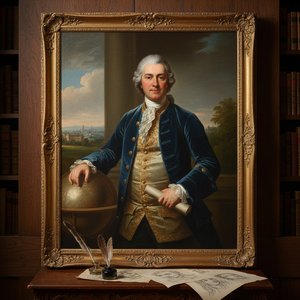
Thomas Hudson: A Study in 18th-Century Portraiture & British Artistic Identity
Explore the life & work of Thomas Hudson, a leading 18th-century British portraitist. Discover his mastery of the 'Grand Manner,' influential style, and lasting impact on British art. Learn about his notable portraits like Judge William Noel & Alexander Van Aken.

Arcydzieła XVIII Wieku: 10 Obrazów, Które Zdefiniowały Epokę | OriginalUniqueArt
Odkryj 10 arcydzieł XVIII wieku! Poznaj historie Watteau, Fragonarda i Canaletta. Reprodukcje obrazów w stylu rokoko i klasycyzmu idealne do Twojego wnętrza. Inspiracje artystyczne na OriginalUniqueArt.com

Sir Thomas Lawrence: Portraiture, Power & Regency Society's Aesthetics
Explore the captivating world of Sir Thomas Lawrence, Regency England's premier portraitist. Discover his artistic techniques, powerful representations of society, and enduring legacy. Expert insights for discerning art collectors.
Sir Joshua Reynolds: 25 Arcydzieł Pełnych Elegancji i Historii | OriginalUniqueArt.com
Odkryj 25 arcydzieł Sir Joshua Reynoldsa – mistrza angielskiego rokoko i neoklasycyzmu. Poznaj historie portretów, techniki malarskie i inspiracje wnętrzarskie. Reprodukcje najwyższej jakości na OriginalUniqueArt.com! Eksploruj pełną kolekcję online.

Sir Alfred James Munnings: 25 Arcydzieł Malarstwa Koni i Angielskiej Wsi | OriginalUniqueArt.com
Odkryj 25 arcydzieł Sir Alfreda Jamesa Munningsa – mistrza malarstwa koni i angielskiego krajobrazu. Poznaj historię, technikę i piękno jego obrazów. Reprodukcje najwyższej jakości na OriginalUniqueArt.com! Eksploruj pełną kolekcję online.


