

 Zobacz w skali 1:1
 Wyślij
 Udostępnij
 Szczegóły
 Przewodnik

 Pobierz plik obrazu
 Podobne obiekty
 RTG
RTG Pokaz slajdów
 Statystyki
Lord Amherst
 Acrylic
- WallArt
- Romantic Portraiture
 1821
1821 1460.0 x 2360.0 cm
 Muzeum Sztuki w Toledo
 Czytaj więcej
Ręcznie malowana reprodukcja olejowa
Ręcznie malowany obraz olejny na płótnie, wykonany na zamówienie przez naszych artystów w wybranym przez Ciebie wymiarze i oprawie. ( Przełącz na wersję drukowaną Przełącz na wersję cyfrową)




P118B zł10

P118H zł10

P118W zł10

P438Z zł10

P508JH zł12

P508YH zł12

P805H zł10

P805Z zł10

P919BZ zł10

P919G zł10

P919XJ zł10

P959ZH zł10

P968JZ zł12

W106C zł8

W218G zł10

W218JH zł8

W218Y zł10

W307PJ zł10

W316G zł10

W316PJ zł8

W316Y zł10

W398PJ zł8

W4111J zł10

W500HY zł15

W500JH zł15

W692G zł12

W849H zł8

W940BG zł15

W953PJ zł8




Wybierz spośród naszych standardowych rozmiarów, które zachowują oryginalne proporcje dzieła sztuki.

Możesz wprowadzić własne wymiary, aby dopasować obraz do konkretnej ramy lub przestrzeni. Jeśli wybrany rozmiar nie będzie odpowiadał proporcjom oryginału, przytniecie dzieło sztuki lub rozszerzymy je o dodatkowe elementy, ręcznie domalowane przez artystę. Przed rozpoczęciem produkcji wyślemy projekt cyfrowy do Twojej akceptacji.
Należy pamiętać, że podgląd na ekranie nie odzwierciedla rzeczywistego przycinania ani rozszerzania obrazu. Tylko projekt dokładnie pokaże ostateczną kompozycję.
Choć oferujemy możliwość zamówienia niestandardowych rozmiarów, zalecamy wybór wymiaru z gotowej listy, aby zachować oryginalne proporcje dzieła.
Po złożeniu zamówienia zespół OriginalUniqueArt.com skontaktuje się z klientem drogą mailową w celu uzyskania instrukcji i prześle wizualizację projektu
Dostawa na całym świecie () w ciągu 3–4 tygodni zamiast standardowych 5 tygodni. (11 Październik). Bez kompromisów w kwestii jakości.

Bezpłatna ekspresowa wysyłka na cały świat

Wysokiej jakości płótno lniane

Pełne ubezpieczenie transportowe

Gwarancja zwrotu należności celnych i podatków importowych

Gwarancja idealnego odwzorowania barw

100-dniowy okres na zwrot dzieła w przypadku wykrycia wad produkcyjnych

Gwarancja 100% zwrotu pieniędzy

Oferta przy zakupie wielu sztuk
 Opcja ze szkłem jest dostępna wyłącznie w rozmiarach poniżej 110 cm

Lord Amherst
Technika wykonania
Rozmiar reprodukcji
-


Suma do zapłaty
zł 1117
A Portrait of Dignified Distinction: Exploring Lord Amherst by Sir Thomas Lawrence
- Subject Matter: This monumental portrait depicts Lord Amherst, a prominent figure in British aristocratic society during the Regency era. The subject’s commanding gaze and formal posture convey an aura of authority and refinement – characteristics emblematic of his position within the government.
- Style: Lawrence's style embodies the Romantic spirit tempered with Neoclassical precision. While acknowledging influences from artists like Ingres, he skillfully blends classical ideals of beauty and proportion with a humanist sensibility, capturing Lord Amherst’s character with remarkable subtlety.
Technique and Materials: Mastering Light and Texture
- Medium: Executed in oil paint on canvas, the artwork demonstrates Lawrence's mastery of chiaroscuro – the dramatic interplay of light and shadow—a technique favored by artists of his time. This masterful manipulation creates depth and dimensionality, highlighting Lord Amherst’s facial features and clothing with luminous detail.
- Brushwork: Lawrence employed a loose yet controlled brushstroke, layering pigments to achieve a velvety surface texture that enhances the realism of the portrait. Careful attention was paid to capturing subtle nuances in skin tone and drapery folds, reflecting his meticulous approach to artistic representation.
Historical Context: The Regency Era and Portraiture
- Era: Painted in 1821, Lord Amherst’s portrait resides firmly within the opulent Regency period (1811-1820), a time characterized by lavish social gatherings and artistic innovation. Portraits served as crucial instruments of status and identity, documenting the lives of influential individuals and reflecting prevailing aesthetic ideals.
- Social Significance: Commissioned to commemorate Lord Amherst’s achievements in diplomatic service—particularly his role as Governor General of India—the painting underscores the importance of patronage within the British aristocracy. Lawrence's depiction aims to portray Lord Amherst not merely as a man, but as an embodiment of noble virtue and intellect.
Symbolism and Emotional Resonance
- Composition: The carefully balanced composition—Lord Amherst positioned centrally against a muted backdrop—emphasizes his dignified presence. The inclusion of a book symbolizes Lord Amherst’s erudition and intellectual pursuits, aligning with the broader cultural values of the Regency.
- Color Palette: Lawrence utilized a restrained color palette dominated by earthy tones – reds, browns, and blacks – reflecting the seriousness of the subject matter. However, flashes of gold trim on Lord Amherst’s robe subtly convey wealth and prestige, reinforcing his social standing.
A Legacy of Elegance: Reproductions for Today's Appreciation
- Contemporary Relevance: A high-quality reproduction of Lord Amherst allows viewers to experience the grandeur and artistry of Lawrence’s masterpiece firsthand. It serves as a testament to the enduring appeal of classical portraiture and invites contemplation on themes of power, intellect, and social distinction.
Pytania i odpowiedzi
Co łączy "Lord Amherst" z resztą twórczości Tomasz Lawrence?
"Lord Amherst" należy do nurtu Romantic Portraiture w twórczości Tomasz Lawrence, której rozpoznawalne motywy obejmują neoclassical ideals, british prestige, intellectual status, lawrence’s signature style, portrait excellence.
Jaki rozmiasto wydruku "Lord Amherst" będzie odpowiedni do mojego pokoju?
W przypadku Living Room zalecany rozmiatr wydruku dzieła „Lord Amherst” autorstwa Tomasz Lawrence to Large.
Czy „Lord Amherst” autorstwa Tomasz Lawrence to jasne czy ciemne dzieło?
Postrzegana jasność dzieła „Lord Amherst” autorstwa Tomasz Lawrence wynosi shadow. Można ją dopasować do oświetlenia w docelowym pomieszczeniu.
Gdzie mogę znaleźć dzieła sztuki podobne do „Lord Amherst” autorstwa Tomasz Lawrence?
Dzieła podobne do „Lord Amherst” autorstwa Tomasz Lawrence zostały zgromadzone na stronie Podobne dzieła danego dzieła.
Gdzie można obecnie zobaczyć dzieło „Lord Amherst” autorstwa Tomasz Lawrence?
Oryginał dzieła „Lord Amherst” autorstwa Tomasz Lawrence znajduje się w Muzeum Sztuki w Toledo, Toledo, Stany Zjednoczone Ameryki. Reprodukcja pozwala na eksponowanie pracy w domu.
Do którego okresu twórczości Tomasz Lawrence należy dzieło „Lord Amherst”?
„Lord Amherst” należy do Regency Era w twórczości Tomasz Lawrence. Klasyfikacja ta wiąże dzieło z rozwojem artysty.
Czy mogę obejrzeć "Lord Amherst" w formie pełnoekranowej prezentacji slajdów?
Dzieło „Lord Amherst” autorstwa Tomasz Lawrence można obejrzeć w formie pokazu slajdów na stronie Pokaz slajdów danego dzieła.
Czy prawa autorskie do „Lord Amherst” autorstwa Tomasz Lawrence pozwalają na tworzenie reprodukcji?
Status praw autorskich do dzieła „Lord Amherst” autorstwa Tomasz Lawrence jest jasny: utwór znajduje się w stanowi domenę publiczną – autorskie prawa majątkowe wygasły. Jego obecność w Muzeum Sztuki w Toledo nie zmienia tego stanu rzeczy.
Biografia artysty
A Brushstroke of Regency Splendor: The Life and Art of Sir Thomas Lawrence
Sir Thomas Lawrence, a name synonymous with the elegance and sophistication of the Regency era, was more than just a portrait painter; he was a chronicler of his time. Born in Bristol in 1769 amidst the bustling port city’s vibrant atmosphere, his early life was marked by a nomadic existence, following his father's innkeeping ventures through Devizes and Bath. It was within these convivial settings that young Lawrence first discovered his artistic talent, sketching remarkably accurate portraits for patrons – a skill honed without formal instruction, fueled by innate ability and keen observation. Even at a young age, he demonstrated an entrepreneurial spirit, supporting his family with his pastel drawings while still in Bath, showcasing a remarkable independence of character.Ascension to Portraiture’s Pinnacle
The move to London at the tender age of eighteen marked Lawrence's true ascent into the heart of British society. He swiftly established himself as a portrait painter in oils, securing his first royal commission – a captivating portrait of Queen Charlotte in 1789 – which catapulted him to prominence. This was not merely a display of technical skill; Lawrence possessed an extraordinary ability to capture *character*, imbuing his subjects with a flattering yet insightful presence. He became renowned for his capacity to portray the glamour and sophistication of the Regency period, painting nobility, royalty, and prominent figures with a virtuoso handling of paint that drew comparisons to Sir Joshua Reynolds, whom he deeply admired. His election as an associate, then full member, of the Royal Academy in 1791 and 1794 respectively solidified his position within the established art world, marking him as one of Britain’s leading artists. He succeeded Reynolds as Painter-in-Ordinary to the King in 1792, a prestigious role that afforded him unparalleled access to the highest echelons of power and further elevated his status.Patronage, Prestige, and the Waterloo Chamber
The patronage of the Prince Regent (later King George IV) proved instrumental in Lawrence’s career trajectory. This influential relationship led to one of his most ambitious undertakings: the commission to paint portraits of allied leaders for the Waterloo Chamber at Windsor Castle. These monumental works, intended as a lasting tribute to the victory over Napoleon, showcased not only Lawrence's exceptional technical prowess but also his ability to handle large-scale compositions and capture the gravitas of international figures. The project, a testament to his artistic vision and organizational skills, brought him widespread acclaim across Europe and cemented his reputation as one of Britain’s foremost artists. Lawrence’s meticulous attention to detail, combined with his understanding of historical context and political significance, resulted in portraits that were both aesthetically pleasing and historically informative.A Complex Life and Enduring Legacy
Despite his considerable success and the admiration he garnered, Lawrence's life was not without its complexities. He grappled with persistent financial difficulties throughout much of his career, often burdened by debt despite earning substantial sums from his commissions. His personal life was marked by tumultuous relationships, notably with Sally and Maria Siddons, daughters of the celebrated actress Sarah Siddons – connections that provided inspiration but also brought heartache and scandal. Furthermore, Lawrence’s sitters reflected the social realities of his time, including both slave owners and abolitionists, a poignant reminder of the moral ambiguities inherent in Regency society. His reputation experienced a decline during the Victorian era as tastes shifted towards more didactic art forms, yet his work has since been reevaluated and recognized for its elegance, technical brilliance, and ability to capture the essence of an era. His portraits offer a captivating glimpse into the world of Regency England, revealing not only the outward appearances of the aristocracy but also their personalities and aspirations.Influences and Artistic Development
Lawrence’s artistic development was profoundly shaped by Sir Joshua Reynolds, whose emphasis on capturing character and employing a fluid brushstroke resonated deeply with the young artist. He diligently studied Old Master drawings, particularly those by Michelangelo and Raphael, absorbing their anatomical precision and compositional skills. While rooted in tradition, Lawrence's work also reflected the emerging Romantic sensibilities of his time, embracing glamour and emotional intensity. His influence can be seen in the works of later portrait painters who sought to emulate his style and capture the spirit of an era. Though he faced personal struggles and a decline in popularity during the Victorian period, Sir Thomas Lawrence’s legacy endures as one of Britain's most accomplished and captivating portraitists, a testament to his talent, charm, and enduring contribution to the world of art.
Tomasz Lawrence
1769 - 1830 , Wielka Brytania
Najważniejsze informacje
- Artistic Movement Or Style: Portretystyka Regencyjska
- Artists Or Movements Influenced By This Artist: ['Romantyzm']
- Artists Who Influenced This Artist: ['Joshua Reynolds']
- Date Of Birth: 13 kwietnia 1769
- Date Of Death: 7 stycznia 1830
- Full Name: Sir Thomas Lawrence
- Nationality: Brytyjski
- Notable Artworks:
- Portrety Królowej Charlotty
- Komnaty Waterloo
- Place Of Birth: Bristol, Wielka Brytania
Zobacz także powiązane artykuły

Sir Thomas Lawrence: Portraiture, Power & Regency Society's Aesthetics
Explore the captivating world of Sir Thomas Lawrence, Regency England's premier portraitist. Discover his artistic techniques, powerful representations of society, and enduring legacy. Expert insights for discerning art collectors.

The Enduring Legacy of Fine Art Prints: Technique, History & Aesthetic Impact
Explore the rich history & techniques of fine art prints. Discover investment potential, assess authenticity, and learn how to preserve your collection with expert guidance. Trusted insights for discerning collectors.
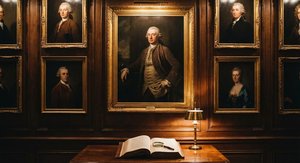
Sir Joshua Reynolds: 25 Arcydzieł Pełnych Elegancji i Historii | OriginalUniqueArt.com
Odkryj 25 arcydzieł Sir Joshua Reynoldsa – mistrza angielskiego rokoko i neoklasycyzmu. Poznaj historie portretów, techniki malarskie i inspiracje wnętrzarskie. Reprodukcje najwyższej jakości na OriginalUniqueArt.com! Eksploruj pełną kolekcję online.

Sir Alfred James Munnings: 25 Arcydzieł Malarstwa Koni i Angielskiej Wsi | OriginalUniqueArt.com
Odkryj 25 arcydzieł Sir Alfreda Jamesa Munningsa – mistrza malarstwa koni i angielskiego krajobrazu. Poznaj historię, technikę i piękno jego obrazów. Reprodukcje najwyższej jakości na OriginalUniqueArt.com! Eksploruj pełną kolekcję online.

Odbitki Giclée: Jakość Archiwalna i Estetyczne Niuanse dla Wymagającego Kolekcjonera
Poznaj sekrety druku giclée – technologii zapewniającej najwyższą jakość reprodukcji sztuki i trwałość archiwalaną. Poradnik dla wymagających kolekcjonerów o wyborze papieru, tuszy i profilach kolorystycznych.


