
 Podgląd w skali 1:1
 Wyślij jako kartkę
 Udostępnij
 Szczegóły dzieła
 Przewodnik

 Pobierz obraz
 Podobne obiekty
 RTG
RTG Pokaz slajdów
 Q&A
Q&A Statystyki
Head of a Boy

- 43.0 x 33.0 cm


 Rozwiń treść
Giclée / Wydruk artystyczny
Wydruki giclée lub płótna o jakości muzealnej, szybka realizacja i szeroki wybór opcji wykończenia. ( Zamów ręcznie malowaną reprodukcję Przejdź do wersji cyfrowej)




P118B zł10

P118H zł10

P118W zł10

P438Z zł10

P508JH zł12

P508YH zł12

P805H zł10

P805Z zł10

P919BZ zł10

P919G zł10

P919XJ zł10

P959ZH zł10

P968JZ zł12

W106C zł8

W218G zł10

W218JH zł8

W218Y zł10

W307PJ zł10

W316G zł10

W316PJ zł8

W316Y zł10

W398PJ zł8

W4111J zł10

W500HY zł15

W500JH zł15

W692G zł12

W849H zł8

W940BG zł15

W953PJ zł8




Wybierz spośród naszych standardowych rozmiarów, które zachowują oryginalne proporcje dzieła sztuki.

Wpisz wymaganą szerokość i wysokość, aby dopasować grafikę do ramy lub ściany. Wydruk można jedynie przyciąć, nigdy nie powiększając go poza oryginalny obraz, dlatego format o innych proporcjach spowoduje utratę części kompozycji. Przed rozpoczęciem druku prześlemy Ci cyfrowy podgląd do zatwierdzenia. Obraz wyświetlany na tej stronie nie pokazuje rzeczywistego przycięcia — jedynie podgląd oddaje ten efekt.
Dostawa na cały świat () w ciągu 2 tygodni zamiast standardowych 4/5 tygodni. (2 Listopad)

Bezpłatna ekspresowa wysyłka na cały świat

Wysokiej jakości płótno lniane

Pełne ubezpieczenie przesyłki

Gwarancja zwrotu należności celnych i podatków importowych

Gwarancja wiernego odwzorowania kolorów

100-dniowa polityka zwrotów (tylko w przypadku wad)

Gwarancja 100% zwrotu pieniędzy

Zniżka przy zakupie wielu sztuk
 Opcja ze szkłem jest dostępna wyłącznie w rozmiarach poniżej 110 cm

Head of a Boy
Giclée / Wydruk artystyczny
Wymiary reprodukcji
-


Cena całkowita
zł 312
A Portrait of Innocence: Sir Thomas Lawrence’s “Head of a Boy”
Sir Thomas Lawrence's "Head of a Boy," a captivating oil painting rendered in the delicate brushstrokes characteristic of the Regency era, is more than just a portrait; it’s a poignant meditation on youth, contemplation, and the subtle beauty of fleeting moments. Completed around 1820, this intimate piece offers a glimpse into the world of aristocratic England, capturing not merely a likeness but an essence – a quiet serenity that speaks volumes despite its restrained composition.
The subject himself is a young boy, his features rendered with remarkable sensitivity and detail. Dark, tightly curled hair frames a face flushed with youthful vitality, punctuated by rosy cheeks that hint at both innocence and a nascent awareness of the world around him. Lawrence’s masterful use of light – soft, diffused, and almost ethereal – washes over the boy's countenance, highlighting his features without overwhelming them. The lighting creates a gentle glow, suggesting an inner peace and a contemplative mood. The background, hazy and atmospheric, is deliberately indistinct, drawing all attention to the central figure and reinforcing the sense of intimacy.
A Window into Regency Portraiture
Sir Thomas Lawrence was arguably the most prominent portrait painter of his time, becoming President of the Royal Academy in 1820 – a testament to his influence and artistic skill. His style during this period is often described as Romantic Realism; he skillfully blended meticulous observation with an emotional depth that resonated deeply with his patrons. Unlike earlier, more formal portraits, Lawrence’s subjects were frequently depicted in relaxed poses, engaging in everyday activities or lost in thought. This shift reflected the changing social landscape of Regency England, where a greater emphasis was placed on individual expression and personal connection.
Lawrence's work was deeply intertwined with the political and cultural currents of his era. He served as court painter to George IV, capturing the grandeur and extravagance of the royal court while also subtly reflecting the social anxieties and aspirations of the time. His portraits were not merely representations of individuals; they were carefully constructed narratives that conveyed status, wealth, and social standing – all within a framework of refined elegance.
The Language of Impasto
Examining the painting’s technique reveals a fascinating interplay of observation and artistic license. Lawrence employs a rich impasto technique, layering paint thickly to create a textured surface that is both visually arresting and remarkably tactile. Notice particularly the rendering of the hair – each strand meticulously defined with short, deliberate brushstrokes that capture its unruly texture. Similarly, the skin tones are built up in layers of color, creating a sense of depth and luminosity. This technique not only adds visual interest but also contributes to the painting’s overall emotional impact, conveying a feeling of warmth and vitality.
The loose, expressive lines that define the boy's features further enhance the painting’s Romantic sensibility. Lawrence eschews rigid formality in favor of a more fluid, intuitive approach, allowing his brushstrokes to guide the composition and imbue it with a sense of spontaneity. This deliberate looseness contrasts beautifully with the meticulous detail evident in the rendering of the hair and facial features, creating a dynamic tension that is both captivating and profoundly moving.
Symbolism and Emotional Resonance
While seemingly simple on the surface, “Head of a Boy” is rich in symbolic meaning. The boy’s contemplative gaze invites us to contemplate his inner world – his hopes, dreams, and perhaps even anxieties. His quiet stillness suggests a sense of introspection and self-awareness, qualities that were increasingly valued during the Romantic era. The hazy background serves as a metaphor for the unknown future, hinting at the challenges and uncertainties that lie ahead.
Ultimately, “Head of a Boy” is a timeless portrait – a testament to Lawrence’s artistic skill and his ability to capture the essence of human experience. It's a piece that invites viewers to pause, reflect, and connect with the quiet beauty of youth and the enduring power of contemplation.
Pytania i odpowiedzi
Czy mogę zobaczyć podgląd „Head of a Boy” – Tomasz Lawrence przed złożeniem zamówienia?
Aby podglądnąć reprodukcję dzieła „Head of a Boy” – Tomasz Lawrence, otwórz stronę Podgląd w pomieszczeniu danego utworu.
Do którego etapu twórczości Tomasz Lawrence należy dzieło „Head of a Boy”?
W dorobku artystycznym Tomasz Lawrence dzieło „Head of a Boy” przypada na Mature Period. Ten etap pozwala zestawić je z innymi pracami twórcy.
Czy „Head of a Boy” – Tomasz Lawrence to obraz, rysunek czy grafika?
W katalogu dzieło „Head of a Boy” – Tomasz Lawrence zostało sklasyfikowane jako WallArt. Kategoria ta ułatwia odnajdywanie podobnych prac.
Biografia artysty
A Brushstroke of Regency Splendor: The Life and Art of Sir Thomas Lawrence
Sir Thomas Lawrence, a name synonymous with the elegance and sophistication of the Regency era, was more than just a portrait painter; he was a chronicler of his time. Born in Bristol in 1769 amidst the bustling port city’s vibrant atmosphere, his early life was marked by a nomadic existence, following his father's innkeeping ventures through Devizes and Bath. It was within these convivial settings that young Lawrence first discovered his artistic talent, sketching remarkably accurate portraits for patrons – a skill honed without formal instruction, fueled by innate ability and keen observation. Even at a young age, he demonstrated an entrepreneurial spirit, supporting his family with his pastel drawings while still in Bath, showcasing a remarkable independence of character.Ascension to Portraiture’s Pinnacle
The move to London at the tender age of eighteen marked Lawrence's true ascent into the heart of British society. He swiftly established himself as a portrait painter in oils, securing his first royal commission – a captivating portrait of Queen Charlotte in 1789 – which catapulted him to prominence. This was not merely a display of technical skill; Lawrence possessed an extraordinary ability to capture *character*, imbuing his subjects with a flattering yet insightful presence. He became renowned for his capacity to portray the glamour and sophistication of the Regency period, painting nobility, royalty, and prominent figures with a virtuoso handling of paint that drew comparisons to Sir Joshua Reynolds, whom he deeply admired. His election as an associate, then full member, of the Royal Academy in 1791 and 1794 respectively solidified his position within the established art world, marking him as one of Britain’s leading artists. He succeeded Reynolds as Painter-in-Ordinary to the King in 1792, a prestigious role that afforded him unparalleled access to the highest echelons of power and further elevated his status.Patronage, Prestige, and the Waterloo Chamber
The patronage of the Prince Regent (later King George IV) proved instrumental in Lawrence’s career trajectory. This influential relationship led to one of his most ambitious undertakings: the commission to paint portraits of allied leaders for the Waterloo Chamber at Windsor Castle. These monumental works, intended as a lasting tribute to the victory over Napoleon, showcased not only Lawrence's exceptional technical prowess but also his ability to handle large-scale compositions and capture the gravitas of international figures. The project, a testament to his artistic vision and organizational skills, brought him widespread acclaim across Europe and cemented his reputation as one of Britain’s foremost artists. Lawrence’s meticulous attention to detail, combined with his understanding of historical context and political significance, resulted in portraits that were both aesthetically pleasing and historically informative.A Complex Life and Enduring Legacy
Despite his considerable success and the admiration he garnered, Lawrence's life was not without its complexities. He grappled with persistent financial difficulties throughout much of his career, often burdened by debt despite earning substantial sums from his commissions. His personal life was marked by tumultuous relationships, notably with Sally and Maria Siddons, daughters of the celebrated actress Sarah Siddons – connections that provided inspiration but also brought heartache and scandal. Furthermore, Lawrence’s sitters reflected the social realities of his time, including both slave owners and abolitionists, a poignant reminder of the moral ambiguities inherent in Regency society. His reputation experienced a decline during the Victorian era as tastes shifted towards more didactic art forms, yet his work has since been reevaluated and recognized for its elegance, technical brilliance, and ability to capture the essence of an era. His portraits offer a captivating glimpse into the world of Regency England, revealing not only the outward appearances of the aristocracy but also their personalities and aspirations.Influences and Artistic Development
Lawrence’s artistic development was profoundly shaped by Sir Joshua Reynolds, whose emphasis on capturing character and employing a fluid brushstroke resonated deeply with the young artist. He diligently studied Old Master drawings, particularly those by Michelangelo and Raphael, absorbing their anatomical precision and compositional skills. While rooted in tradition, Lawrence's work also reflected the emerging Romantic sensibilities of his time, embracing glamour and emotional intensity. His influence can be seen in the works of later portrait painters who sought to emulate his style and capture the spirit of an era. Though he faced personal struggles and a decline in popularity during the Victorian period, Sir Thomas Lawrence’s legacy endures as one of Britain's most accomplished and captivating portraitists, a testament to his talent, charm, and enduring contribution to the world of art.
Tomasz Lawrence
1769 - 1830 , Wielka Brytania
Krótka nota
- Artistic Movement Or Style: Portretystyka Regencyjska
- Artists Or Movements Influenced By This Artist: ['Romantyzm']
- Artists Who Influenced This Artist: ['Joshua Reynolds']
- Date Of Birth: 13 kwietnia 1769
- Date Of Death: 7 stycznia 1830
- Full Name: Sir Thomas Lawrence
- Nationality: Brytyjski
- Notable Artworks:
- Portrety Królowej Charlotty
- Komnaty Waterloo
- Place Of Birth: Bristol, Wielka Brytania
Powiązane artykuły

Romantic Realism's Finest: 10 Masterpieces for Your Home | OriginalUniqueArt
Explore 10 defining masterpieces of Romantic Realism! Discover Courbet, Millet & Daumier's powerful paintings—capturing emotion and social realities. Find museum-quality reproductions for your home at OriginalUniqueArt.com.

Sir Thomas Lawrence: Portraiture, Power & Regency Society's Aesthetics
Explore the captivating world of Sir Thomas Lawrence, Regency England's premier portraitist. Discover his artistic techniques, powerful representations of society, and enduring legacy. Expert insights for discerning art collectors.
The Timeless Beauty of Oil on Canvas: A Masterclass in Texture, Impasto, and Artistic Mastery
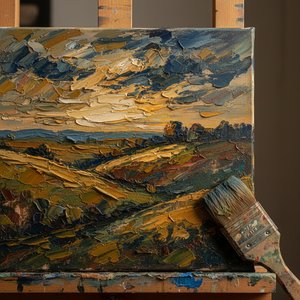
Discover the profound allure of oil on canvas. Explore the mastery of impasto textures, the science of pigment longevity, and expert guides to selecting museum-quality reproductions that elevate your collection with timeless elegance and tactile depth.

Trwała Spuścizna Malarstwa Olejnego: Technika, Historia i Estetyczny Wpływ
Poznaj historię i technikę malarstwa olejnego! Eksperckie artykuły o konserwacji, renowacji oraz współczesnych zastosowaniach. Dowiedz się więcej o mistrzach i trwałości obrazów olejnych.

The Timeless Charm of Oil on Board: Reimagining Texture and Light through the Impressionist Lens
Discover the profound intimacy of oil on panel. Explore how Impressionist masters used rigid supports to capture light, texture, and impasto depth through exquisite, handmade oil reproductions for discerning collectors.


