

 Podgląd w skali 1:1
 Wyślij jako kartkę
 Udostępnij
 Szczegóły dzieła
 Przewodnik

 Pobierz obraz
 Podobne obiekty
 RTG
RTG Pokaz slajdów
 Statystyki
Young Rimbaud
 Spray Paint
- WallArt
- Australian Modernism
 Contemporary
 152.0 x 122.0 cm
 Canberra Museum and Gallery
 Rozwiń treść
Dzieło sztuki prezentowane na tej stronie podlega ochronie prawem autorskim, co oznacza, że nie mamy prawa do tworzenia ani sprzedaży jego identycznej reprodukcji. Ochrona ta jest egzekwowana na mocy umów międzynarodowych, takich jak Konwencja berneńska oraz przez przepisy prawa krajowego, w tym te określone w Prawo autorskie USA – Tytuł 17.
Metoda ta jest w pełni zgodna z przepisami prawa autorskiego, ponieważ nie polega na kopiowaniu ani powielaniu chronionego dzieła. Stanowi ona kreatywną reinterpretację – nowy obraz, który czerpie inspirację z oryginału, ale nie jest z nim tożsamy.
Giclée / Wydruk artystyczny
Wydruki giclée lub płótna o jakości muzealnej, szybka realizacja i szeroki wybór opcji wykończenia. ( Zamów ręcznie malowaną reprodukcję Przejdź do wersji cyfrowej)




P118B zł10

P118H zł10

P118W zł10

P438Z zł10

P508JH zł12

P508YH zł12

P805H zł10

P805Z zł10

P919BZ zł10

P919G zł10

P919XJ zł10

P959ZH zł10

P968JZ zł12

W106C zł8

W218G zł10

W218JH zł8

W218Y zł10

W307PJ zł10

W316G zł10

W316PJ zł8

W316Y zł10

W398PJ zł8

W4111J zł10

W500HY zł15

W500JH zł15

W692G zł12

W849H zł8

W940BG zł15

W953PJ zł8




Wybierz spośród naszych standardowych rozmiarów, które zachowują oryginalne proporcje dzieła sztuki.

Wpisz wymaganą szerokość i wysokość, aby dopasować grafikę do ramy lub ściany. Wydruk można jedynie przyciąć, nigdy nie powiększając go poza oryginalny obraz, dlatego format o innych proporcjach spowoduje utratę części kompozycji. Przed rozpoczęciem druku prześlemy Ci cyfrowy podgląd do zatwierdzenia. Obraz wyświetlany na tej stronie nie pokazuje rzeczywistego przycięcia — jedynie podgląd oddaje ten efekt.
Dostawa na cały świat () w ciągu 2 tygodni zamiast standardowych 4/5 tygodni. (25 Październik)

Bezpłatna ekspresowa wysyłka na cały świat

Wysokiej jakości płótno lniane

Pełne ubezpieczenie przesyłki

Gwarancja zwrotu należności celnych i podatków importowych

Gwarancja wiernego odwzorowania kolorów

100-dniowa polityka zwrotów (tylko w przypadku wad)

Gwarancja 100% zwrotu pieniędzy

Zniżka przy zakupie wielu sztuk
 Opcja ze szkłem jest dostępna wyłącznie w rozmiarach poniżej 110 cm

Young Rimbaud
Giclée / Wydruk artystyczny
Wymiary reprodukcji
-


Cena całkowita
zł 307
A Visionary Encounter: The Spirit of Young Rimbaud
In the vast landscape of twentieth-century Australian modernism, few works possess the haunting, ethereal magnetism of Sir Sidney Robert Nolan’s “Young Rimbaud.” Created in 1982, this monumental canvas serves as a profound dialogue between two restless spirits: the Australian master of myth, Nolan, and the French symbolist poet, Arthur Rimbaud. The painting is far more than a mere portrait; it is an evocative exploration of the subconscious, capturing the very essence of poetic transcendence. As one gazes upon the face of the young poet, there is an immediate sense of stepping into a dreamscape where the boundaries between reality and imagination begin to dissolve.
The subject matter draws its lifeblood from Rimbaud’s seminal work, Illuminations—a collection Nolan himself revered as a "book of miracles." Through this piece, Nolan attempts to translate the linguistic magic of Rimbaud's prose into a visual language. The face, appearing with eyes closed in a state of deep introspection or perhaps spiritual trance, invites the viewer to contemplate the internal world of the visionary. It is an invitation to experience what Rimbaud famously called the "systematic derangement of the senses," making the artwork a centerpiece for those who find beauty in the profound and the mysterious.
Technique and the Geometry of Constraint
What distinguishes “Young Rimbaud” from traditional portraiture is Nolan’s daring embrace of spray paint. By the early 1980s, Nolan had moved toward this medium to achieve a level of immediacy and textural complexity that traditional oils could rarely provide. The spray technique allows for a soft, atmospheric layering of color, creating a nebulous quality that mirrors the ephemeral nature of thought and memory. This method lends the work an almost cinematic depth, where colors bleed into one another with a ghostly, luminous grace.
Interwoven with this fluid application is a striking use of geometric structure. A deliberate, cage-like frame surrounds the central visage, acting as a powerful visual metaphor. This geometric constraint represents the "cage" of rational thought and the physical limitations of the human condition that Rimbaud so often sought to escape through his verse. For the discerning collector or interior designer, this tension between the soft, sprayed textures and the sharp, structural lines provides a sophisticated visual rhythm, making it an intellectually stimulating addition to any curated space.
A Legacy for the Modern Collector
To possess a reproduction of such a significant work is to bring a piece of art history into the contemporary home. Nolan’s ability to weave together the harsh realities of his Australian upbringing with the high-minded symbolism of European literature creates a universal appeal. The painting does not merely decorate a room; it anchors it, providing a focal point that sparks conversation and emotional resonance. Whether placed in a minimalist gallery setting or a richly textured study, “Young Rimbaud” radiates an aura of intellectual depth and artistic courage.
For those seeking to invest in art that transcends trends, this work offers a timeless connection to the era of the Angry Penguins and the evolution of modernism. It is a masterpiece of texture, a triumph of medium, and a soulful tribute to the power of the written word, rendered in the vibrant, experimental spirit of one of Australia's greatest legends.
Pytania i odpowiedzi
Któremu artyście przypisuje się "Young Rimbaud"?
Autorstwo dzieła "Young Rimbaud" przypisuje się Sir Sidney Robert Nolan.
Jaki nastrój i emocje łączą się w "Young Rimbaud"?
W "Young Rimbaud" nastrojowi Calm towarzyszy emocja Melancholic.
Do jakiego nurtu w sztuce należy „Young Rimbaud” – Sir Sidney Robert Nolan?
„Young Rimbaud” to dzieło należące do nurtu Australian Modernism. Nurt ten określa tradycję artystyczną, w której osadzone jest dzieło.
Biografia artysty
A Life Painted in Myth and Landscape
Sir Sidney Robert Nolan, born in Melbourne in 1917, stands as a monumental figure in 20th-century Australian art. His journey was not one of conventional artistic training but rather an explosive emergence from the working-class streets of St Kilda into a world of vibrant imagination and relentless experimentation. Nolan wasn’t simply a painter; he was a visual storyteller, a mythmaker who wrestled with Australia's history, its landscapes, and its very identity. From his early days as a runner for an illegal betting ring to his eventual acclaim on the international stage, Nolan’s life was marked by a restless energy and a refusal to be confined by artistic norms. He absorbed influences from diverse sources – the poetry of Rimbaud, the spatial innovations of Cézanne, the raw emotion of Danila Vassilieff – yet forged a style uniquely his own, one that resonated with a distinctly Australian sensibility. His early exposure to the harsh realities of Melbourne life and the allure of its underbelly would profoundly shape his artistic vision, imbuing his work with a sense of both defiance and vulnerability.The Shaping of an Iconoclast
Nolan’s formative years were steeped in intellectual ferment. The Heide Circle, centered around patrons John and Sunday Reed, proved pivotal. This haven for artists and writers fostered a spirit of radical experimentation and provided Nolan with crucial support during his developing phase. It was at Heide that he encountered kindred spirits – Albert Tucker, Joy Hester, Arthur Boyd – all grappling with the challenge of creating a distinctly Australian modernism. The influence of modernist literature, particularly the Symbolist poets, cannot be overstated. Rimbaud’s call for a “systematic derangement of the senses” became a guiding principle for Nolan, liberating him from representational constraints and encouraging him to explore the emotional power of color, form, and symbolism. His early works demonstrate this influence, often featuring fragmented figures and dreamlike landscapes that hint at deeper psychological truths. He wasn’t interested in merely depicting reality; he sought to capture its essence, its underlying emotions, and its hidden narratives. This period also saw Nolan experimenting with various media, from stage design for the Ballet Russes to commercial art, each experience contributing to his growing technical prowess and artistic vocabulary.Early Influences and Artistic Development
Nolan’s artistic education began informally, fueled by a voracious appetite for literature and visual arts. He devoured books on Pablo Picasso, Paul Klee, Henri Matisse and the surrealists—artists who championed spontaneity and intuition as antidotes to rationalism. Particularly compelling was Klee's approach, which deliberately undermined accepted boundaries of art through experimentation and a range of techniques, media and juxtaposition of subject matter. Klee’s belief that art should be childlike – embracing simplicity and uninhibited emotion – resonated deeply with Nolan’s artistic sensibilities. He recognized the importance of rejecting academic conventions and pursuing personal vision—a conviction that would permeate his entire oeuvre. His early paintings reflect these influences, characterized by bold colors, simplified forms, and a deliberate disregard for photographic realism. This initial stylistic exploration laid the groundwork for his later mastery of monumental canvases and iconic imagery.The Kelly Cycle: Mythmaking as Art
Nolan’s most celebrated achievement is undoubtedly *The Kelly Cycle*, a series of 26 paintings depicting the exploits of Ned Kelly, Australia's legendary bushranger. This project represents Nolan’s culmination of his lifelong fascination with Australian mythology and history—a quest to transform legend into art. He approached the subject matter not as a historian recounting events but as a poet crafting an epic poem. The resulting canvases are striking in their scale, color palette, and compositional daring—each painting imbued with a palpable sense of drama and psychological depth. Nolan’s use of black armor as a dominant visual motif symbolizes defiance and impenetrability—a deliberate rejection of conventional heroic representations. He sought to capture the spirit of Kelly not merely as an outlaw but as a complex human being grappling with moral dilemmas and confronting the forces of law and order. The Kelly Cycle cemented Nolan's reputation as one of Australia’s foremost artists, establishing him as a visionary who redefined the boundaries of artistic expression.Legacy and Enduring Influence
Sir Sidney Robert Nolan’s contribution to Australian art is profound and enduring. He challenged artistic conventions, embraced experimentation, and created a body of work that continues to inspire artists today. His bold depictions of Ned Kelly have become iconic images—symbols of Australia's rebellious spirit and its ambivalent relationship with its past. Beyond his monumental canvases, Nolan’s influence extends across various mediums—from sculpture to ceramics to stage design—demonstrating his versatility as an artist and his unwavering commitment to exploring the complexities of human experience. His paintings are held in major museums worldwide, ensuring that his vision will continue to captivate audiences for generations to come. He left behind not just a collection of artworks but a new way of seeing Australia—a land of myth, mystery, and artistic potential—solidifying his place as one of the most important figures in Australian art history.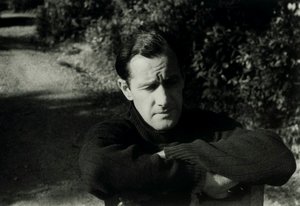
Sir Sidney Robert Nolan
1917 - 1992 , Australia
Krótka nota
- Artistic Movement Or Style: Modernist
- Artists Who Influenced This Artist:
- Rimbaud
- Cézanne
- Kandinsky
- Klee
- Date Of Birth: April 22, 1917
- Date Of Death: November 28, 1992
- Full Name: Sir Sidney Robert Nolan
- Nationality: Australian
- Notable Artworks:
- Ned Kelly series
- Carriers of Horses
- AFL Series
- Place Of Birth: Melbourne, Australia
Powiązane artykuły

The Frame as Argument: An Expert Guide to Selecting the Perfect Frame for Your Art
Master the art of presentation with our expert guide on choosing the perfect frame. Learn how to enhance your artwork's value, complement your interior design, and ensure long-term preservation through professional framing techniques for collectors and enthusiasts alike.
The Frame as Argument: How the Right Frame Completes or Ruins a Painting
Discover how the perfect frame acts as a silent partner to Impressionist masterpieces. Explore expert insights on selecting frames that enhance light, texture, and historical value for your collection.

Dobór Opraw do Dzieł Sztuki: Przewodnik Eksperta dla Dekoratorów Wnętrz
Profesjonalny przewodnik po doborze opraw do dzieł sztuki. Poznaj rodzaje ram, passe-partout i trendy w aranżacji wnętrz. Ekspert pomoże Ci podkreślić piękno obrazu!
Beyond the Canvas: Framing as a Catalyst for Value & Aesthetic Impact in Luxury Art Reproduction
Discover how expert framing elevates your art investment & interior design. Explore museum-quality options, bespoke sizing, and preservation techniques for discerning collectors. Enhance value & aesthetic impact with OriginalUniqueArt.
Ramy jako element percepcji wizualnej: Kompleksowy przewodnik po wyborze opraw podkreślających styl wnętrza i wartość dzieł sztuki
Kompleksowy przewodnik po wyborze idealnych ram obrazowych! Poznaj historię, rodzaje i zasady doboru opraw podkreślających styl wnętrza i wartość dzieł sztuki. Ekspert pomoże Ci stworzyć harmonijną przestrzeń.


