

 Zobacz w skali 1:1
 Wyślij
 Udostępnij
 Szczegóły
 Przewodnik

 Pobierz plik obrazu
 Podobne obiekty
 RTG
RTG Pokaz slajdów
 Statystyki
Untitled
 Spray Paint
- Australian Expressionism
 Modern
 182.0 x 160.0 cm
 Canberra Museum and Gallery
 Czytaj więcej
Dzieło sztuki prezentowane na tej stronie podlega ochronie prawem autorskim, co oznacza, że nie mamy prawa do tworzenia ani sprzedaży jego identycznej reprodukcji. Ochrona ta jest egzekwowana na mocy umów międzynarodowych, takich jak Konwencja berneńska oraz przez przepisy prawa krajowego, w tym te określone w Prawo autorskie USA – Tytuł 17.
Metoda ta jest w pełni zgodna z przepisami prawa autorskiego, ponieważ nie polega na kopiowaniu ani powielaniu chronionego dzieła. Stanowi ona kreatywną reinterpretację – nowy obraz, który czerpie inspirację z oryginału, ale nie jest z nim tożsamy.
Giclée / Wydruk artystyczny
Wydruki giclée lub płótna o jakości muzealnej, szybka realizacja i szeroki wybór opcji wykończenia. ( Kup ręcznie malowany obraz Przełącz na wersję cyfrową)




P118B zł10

P118H zł10

P118W zł10

P438Z zł10

P508JH zł12

P508YH zł12

P805H zł10

P805Z zł10

P919BZ zł10

P919G zł10

P919XJ zł10

P959ZH zł10

P968JZ zł12

W106C zł8

W218G zł10

W218JH zł8

W218Y zł10

W307PJ zł10

W316G zł10

W316PJ zł8

W316Y zł10

W398PJ zł8

W4111J zł10

W500HY zł15

W500JH zł15

W692G zł12

W849H zł8

W940BG zł15

W953PJ zł8




Wybierz spośród naszych standardowych rozmiarów, które zachowują oryginalne proporcje dzieła sztuki.

Wpisz wymaganą szerokość i wysokość, aby dopasować grafikę do ramy lub ściany. Wydruk można jedynie przyciąć, nigdy nie powiększając go poza oryginalny obraz, dlatego format o innym proporcji spowoduje utratę części kompozycji. Przed rozpoczęciem druku prześlemy Ci cyfrowy podgląd do zatwierdzenia. Obraz wyświetlany na tej stronie nie pokazuje rzeczywistego przycięcia — jedynie podgląd oddaje ten efekt.
Dostawa na cały świat () w ciągu 2 tygodni zamiast standardowych 4/5 tygodni. (23 Październik)

Bezpłatna ekspresowa wysyłka na cały świat

Wysokiej jakości płótno lniane

Pełne ubezpieczenie transportowe

Gwarancja zwrotu należności celnych i podatków importowych

Gwarancja idealnego odwzorowania barw

100-dniowy okres na zwrot dzieła w przypadku wykrycia wad produkcyjnych

Gwarancja 100% zwrotu pieniędzy

Oferta przy zakupie wielu sztuk
 Opcja ze szkłem jest dostępna wyłącznie w rozmiarach poniżej 110 cm

Untitled
Giclée / Wydruk artystyczny
Rozmiar reprodukcji
-


Suma do zapłaty
zł 308
A Tapestry of Memory and Motion
In the vast, evocative landscape of twentieth-century modernism, few works capture the ephemeral nature of thought as poignantly as Sir Sidney Nolan’s "Untitled." Created between 1938 and 1939, this monumental canvas serves as a profound meditation on the fluidity of human recollection. Rather than presenting a static portrait, Nolan invites the viewer into a psychological realm where the boundaries between the self and the external world begin to dissolve. The painting presents a distorted, abstracted visage that seems to emerge from—and perhaps recede back into—the depths of a dream. Through a vibrant interplay of blue and pink hues, the work transcends mere representation, offering instead a visceral experience of what it feels to remember.
The subject matter of this piece is less about a specific individual and more about the essence of identity caught in the act of transformation. The head, rendered with a striking sense of abstraction, acts as a vessel for Nolan’s exploration of the human psyche. By deconstructing the familiar features of a portrait, the artist mirrors the way memories fragment and shift over time. For the discerning collector or interior designer, this piece offers a sophisticated focal point that commands attention not through literal detail, but through its profound emotional resonance and its ability to spark deep, contemplative dialogue within a curated space.
The Alchemy of Technique and Spirit
Nolan’s technical approach in "Untitled" is a masterclass in the beauty of spontaneity. Eschewing the rigid constraints of academic precision, he embraced a method that prioritized texture and immediacy. The artist famously utilized spray paint to create a surface that feels alive with movement, contributing to a layered, atmospheric quality that mimics the hazy edges of a fading thought. This deliberate use of unconventional tools allowed for a certain level of chance, where the paint settles into textures that suggest both the grit of the Australian earth and the ethereal lightness of a cloud.
This technique is deeply intertwined with Nolan’s fascination with the poetry of Arthur Rimbaud. Just as Rimbaud sought to reach the unknown through a "derangement of all the senses," Nolan used his brush and spray to bypass the intellect and speak directly to the emotions. The resulting texture is not merely a surface treatment but a structural component of the narrative; it provides a tactile depth that makes the vibrant pinks and cool blues feel as though they are breathing. For those seeking a high-quality reproduction, capturing this specific interplay of light and grit is essential to preserving the artwork's original, restless energy.
A Visionary Presence for the Modern Interior
Beyond its historical significance, "Untitled" possesses an extraordinary aesthetic versatility that makes it a coveted choice for contemporary art enthusiasts. The painting’s bold color palette—a striking juxtaposition of warm pinks and deep, atmospheric blues—allows it to integrate seamlessly into diverse design schemes. In a minimalist setting, the work acts as a burst of expressive life; in a more classical or traditional room, its avant-garde spirit provides a sophisticated, modern counterpoint.
Owning a piece that embodies the spirit of the Angry Penguins movement is an opportunity to possess a fragment of Australian art history. This artwork does not merely decorate a wall; it transforms an environment into a gallery of thought. It serves as a reminder of the power of the imagination and the enduring strength of the human spirit to find beauty in abstraction and meaning in the fragmented. Whether placed in a private study, a grand salon, or a professional creative studio, Nolan’s "Untitled" remains a timeless testament to the art of looking inward.
Pytania i odpowiedzi
W jaki sposób kontrast i harmonia łączą się w "Untitled"?
W "Untitled" Statement kontrast współgra z Discordant Palette harmonią.
W jaki sposób nurt i epoka przenikają się w „Untitled” autorstwa Sir Sidney Robert Nolan?
"Untitled" należy do nurtu Australian Expressionism, a jego twórca tworzył w epoce Nowoczesność.
Jaki jest format i wymiary dzieła "Untitled"?
Format dzieła "Untitled" to Portrait, a wymiary oryginału to 182 x 160 cm. Obie te informacje są przydatne przy planowaniu reprodukcji.
Biografia artysty
A Life Painted in Myth and Landscape
Sir Sidney Robert Nolan, born in Melbourne in 1917, stands as a monumental figure in 20th-century Australian art. His journey was not one of conventional artistic training but rather an explosive emergence from the working-class streets of St Kilda into a world of vibrant imagination and relentless experimentation. Nolan wasn’t simply a painter; he was a visual storyteller, a mythmaker who wrestled with Australia's history, its landscapes, and its very identity. From his early days as a runner for an illegal betting ring to his eventual acclaim on the international stage, Nolan’s life was marked by a restless energy and a refusal to be confined by artistic norms. He absorbed influences from diverse sources – the poetry of Rimbaud, the spatial innovations of Cézanne, the raw emotion of Danila Vassilieff – yet forged a style uniquely his own, one that resonated with a distinctly Australian sensibility. His early exposure to the harsh realities of Melbourne life and the allure of its underbelly would profoundly shape his artistic vision, imbuing his work with a sense of both defiance and vulnerability.The Shaping of an Iconoclast
Nolan’s formative years were steeped in intellectual ferment. The Heide Circle, centered around patrons John and Sunday Reed, proved pivotal. This haven for artists and writers fostered a spirit of radical experimentation and provided Nolan with crucial support during his developing phase. It was at Heide that he encountered kindred spirits – Albert Tucker, Joy Hester, Arthur Boyd – all grappling with the challenge of creating a distinctly Australian modernism. The influence of modernist literature, particularly the Symbolist poets, cannot be overstated. Rimbaud’s call for a “systematic derangement of the senses” became a guiding principle for Nolan, liberating him from representational constraints and encouraging him to explore the emotional power of color, form, and symbolism. His early works demonstrate this influence, often featuring fragmented figures and dreamlike landscapes that hint at deeper psychological truths. He wasn’t interested in merely depicting reality; he sought to capture its essence, its underlying emotions, and its hidden narratives. This period also saw Nolan experimenting with various media, from stage design for the Ballet Russes to commercial art, each experience contributing to his growing technical prowess and artistic vocabulary.Early Influences and Artistic Development
Nolan’s artistic education began informally, fueled by a voracious appetite for literature and visual arts. He devoured books on Pablo Picasso, Paul Klee, Henri Matisse and the surrealists—artists who championed spontaneity and intuition as antidotes to rationalism. Particularly compelling was Klee's approach, which deliberately undermined accepted boundaries of art through experimentation and a range of techniques, media and juxtaposition of subject matter. Klee’s belief that art should be childlike – embracing simplicity and uninhibited emotion – resonated deeply with Nolan’s artistic sensibilities. He recognized the importance of rejecting academic conventions and pursuing personal vision—a conviction that would permeate his entire oeuvre. His early paintings reflect these influences, characterized by bold colors, simplified forms, and a deliberate disregard for photographic realism. This initial stylistic exploration laid the groundwork for his later mastery of monumental canvases and iconic imagery.The Kelly Cycle: Mythmaking as Art
Nolan’s most celebrated achievement is undoubtedly *The Kelly Cycle*, a series of 26 paintings depicting the exploits of Ned Kelly, Australia's legendary bushranger. This project represents Nolan’s culmination of his lifelong fascination with Australian mythology and history—a quest to transform legend into art. He approached the subject matter not as a historian recounting events but as a poet crafting an epic poem. The resulting canvases are striking in their scale, color palette, and compositional daring—each painting imbued with a palpable sense of drama and psychological depth. Nolan’s use of black armor as a dominant visual motif symbolizes defiance and impenetrability—a deliberate rejection of conventional heroic representations. He sought to capture the spirit of Kelly not merely as an outlaw but as a complex human being grappling with moral dilemmas and confronting the forces of law and order. The Kelly Cycle cemented Nolan's reputation as one of Australia’s foremost artists, establishing him as a visionary who redefined the boundaries of artistic expression.Legacy and Enduring Influence
Sir Sidney Robert Nolan’s contribution to Australian art is profound and enduring. He challenged artistic conventions, embraced experimentation, and created a body of work that continues to inspire artists today. His bold depictions of Ned Kelly have become iconic images—symbols of Australia's rebellious spirit and its ambivalent relationship with its past. Beyond his monumental canvases, Nolan’s influence extends across various mediums—from sculpture to ceramics to stage design—demonstrating his versatility as an artist and his unwavering commitment to exploring the complexities of human experience. His paintings are held in major museums worldwide, ensuring that his vision will continue to captivate audiences for generations to come. He left behind not just a collection of artworks but a new way of seeing Australia—a land of myth, mystery, and artistic potential—solidifying his place as one of the most important figures in Australian art history.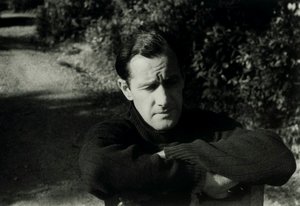
Sir Sidney Robert Nolan
1917 - 1992 , Australia
Najważniejsze informacje
- Artistic Movement Or Style: Modernist
- Artists Who Influenced This Artist:
- Rimbaud
- Cézanne
- Kandinsky
- Klee
- Date Of Birth: April 22, 1917
- Date Of Death: November 28, 1992
- Full Name: Sir Sidney Robert Nolan
- Nationality: Australian
- Notable Artworks:
- Ned Kelly series
- Carriers of Horses
- AFL Series
- Place Of Birth: Melbourne, Australia
Zobacz także powiązane artykuły

Romantyczny Krajobraz w Malarstwie: 10 Arcydzieł, Które Zdefiniowały Epokę | OriginalUniqueArt.com
Odkryj 10 arcydzieł romantyzmu w malarstwie! Poznaj historie Caspara Davida Friedricha, Turnera i innych mistrzów. Inspiracje wnętrzarskie & reprodukcje obrazów najwyższej jakości na OriginalUniqueArt.com. Eksploruj kolekcję online!

Geometria Sztuki: 10 Arcydzieł Abstrakcji Geometrycznej | OriginalUniqueArt.com
Odkryj 10 arcydzieł abstrakcji geometrycznej! Poznaj historię Mondriana, Kandinskiego i Maleвича. Inspiracje wnętrzarskie z malarstwem abstrakcyjnym – reprodukcje najwyższej jakości na OriginalUniqueArt.com. Eksploruj kolekcję online!

Top 10 arcydzieł ekspresjonizmu abstrakcyjnego – inspiracje dla Twojego wnętrza | OriginalUniqueArt.com
Odkryj 10 arcydzieł ekspresjonizmu abstrakcyjnego – Pollock, Rothko, de Kooning i inni. Poznaj historie artystów, techniki i inspiracje dla Twojego wnętrza. Reprodukcje najwyższej jakości na OriginalUniqueArt.com!
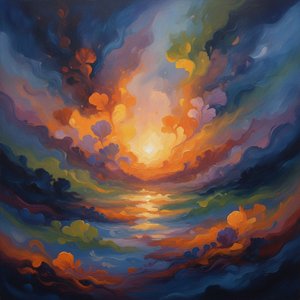
The Soul of Color: A Journey into the Emotional Resonance of Lyrical Abstraction
Embark on a cultural journey through Lyrical Abstraction. Explore how masters like Kandinsky used color and motion to translate emotion into visual poetry. Discover the profound beauty of abstract expressionism and learn to curate emotional resonance in your own art collection.

25 Arcydzieł Kandinskiego: Kolor, Duchowość i Abstrakcja w Twoim Domu | OriginalUniqueArt.com
Odkryj 25 arcydzieł Wassily Kandinskiego – pioniera abstrakcji i ekspresjonizmu! Poznaj historie, techniki i emocje kryjące się za jego kolorowymi kompozycjami. Reprodukcje obrazów najwyższej jakości na OriginalUniqueArt.com. Eksploruj pełną kolekcję online!


