
 Podgląd w skali 1:1
 Wyślij jako kartkę
 Udostępnij
 Szczegóły dzieła
 Przewodnik

 Pobierz obraz
 Podobne obiekty
 RTG
RTG Pokaz slajdów
 Q&A
Q&A Statystyki
A Winding Road - Cornish Landscape

- 650.0 x 536.0 cm


 Rozwiń treść
Dzieło sztuki prezentowane na tej stronie podlega ochronie prawem autorskim, co oznacza, że nie mamy prawa do tworzenia ani sprzedaży jego identycznej reprodukcji. Ochrona ta jest egzekwowana na mocy umów międzynarodowych, takich jak Konwencja berneńska oraz przez przepisy prawa krajowego, w tym te określone w Prawo autorskie USA – Tytuł 17.
Metoda ta jest w pełni zgodna z przepisami prawa autorskiego, ponieważ nie polega na kopiowaniu ani powielaniu chronionego dzieła. Stanowi ona kreatywną reinterpretację – nowy obraz, który czerpie inspirację z oryginału, ale nie jest z nim tożsamy.
Giclée / Wydruk artystyczny
Wydruki giclée lub płótna o jakości muzealnej, szybka realizacja i szeroki wybór opcji wykończenia. ( Zamów ręcznie malowaną reprodukcję Przejdź do wersji cyfrowej)




P118B zł10

P118H zł10

P118W zł10

P438Z zł10

P508JH zł12

P508YH zł12

P805H zł10

P805Z zł10

P919BZ zł10

P919G zł10

P919XJ zł10

P959ZH zł10

P968JZ zł12

W106C zł8

W218G zł10

W218JH zł8

W218Y zł10

W307PJ zł10

W316G zł10

W316PJ zł8

W316Y zł10

W398PJ zł8

W4111J zł10

W500HY zł15

W500JH zł15

W692G zł12

W849H zł8

W940BG zł15

W953PJ zł8




Wybierz spośród naszych standardowych rozmiarów, które zachowują oryginalne proporcje dzieła sztuki.

Wpisz wymaganą szerokość i wysokość, aby dopasować grafikę do ramy lub ściany. Wydruk można jedynie przyciąć, nigdy nie powiększając go poza oryginalny obraz, dlatego format o innych proporcjach spowoduje utratę części kompozycji. Przed rozpoczęciem druku prześlemy Ci cyfrowy podgląd do zatwierdzenia. Obraz wyświetlany na tej stronie nie pokazuje rzeczywistego przycięcia — jedynie podgląd oddaje ten efekt.
Dostawa na cały świat () w ciągu 2 tygodni zamiast standardowych 4/5 tygodni. (1 Listopad)

Bezpłatna ekspresowa wysyłka na cały świat

Wysokiej jakości płótno lniane

Pełne ubezpieczenie przesyłki

Gwarancja zwrotu należności celnych i podatków importowych

Gwarancja wiernego odwzorowania kolorów

100-dniowa polityka zwrotów (tylko w przypadku wad)

Gwarancja 100% zwrotu pieniędzy

Zniżka przy zakupie wielu sztuk
 Opcja ze szkłem jest dostępna wyłącznie w rozmiarach poniżej 110 cm

A Winding Road - Cornish Landscape
Giclée / Wydruk artystyczny
Wymiary reprodukcji
-


Cena całkowita
zł 311
A Winding Road - Cornish Landscape by Sir Matthew Smith
Sir Matthew Smith’s “A Winding Road – Cornish Landscape,” completed in 1920, is more than just a depiction of a rural scene; it's a vibrant testament to the burgeoning artistic currents of the early 20th century. This expansive canvas, measuring 650 x 536 cm, transports the viewer directly into the heart of Cornwall’s rugged beauty, capturing not merely its visual elements but also an undeniable sense of atmosphere and emotion. The painting immediately draws the eye along the dirt track, a ribbon of earth cutting through a landscape dominated by ancient trees – a motif frequently employed in British art to represent timelessness and connection to the land.
A Fauvist Influence & Cornish Inspiration
- Artist’s Background: Born in Manchester in 1879, Sir Matthew Smith's artistic journey was profoundly shaped by his time with Henri Matisse in Paris. His early training at the Manchester and Slade Schools instilled a rigorous approach to form and color, but it was in France that he embraced the radical ideas of Fauvism – a movement characterized by its unrestrained use of intense, non-naturalistic colors.
- Cornish Subject Matter: Smith’s relocation to Cornwall in the early 1920s provided him with a new source of inspiration. The dramatic light and shadow, the wild coastline, and the traditional farming communities offered a rich palette for his artistic explorations. This landscape isn't simply a picturesque view; it’s infused with the spirit of the region.
Technique & Color – A Symphony of Impressionism
Smith’s technique in “A Winding Road” is immediately recognizable as a masterful blend of Impressionistic and Fauvist influences. Thick, visible brushstrokes—a hallmark of his style—create a sense of movement and energy across the canvas. The color palette is extraordinarily rich, dominated by vibrant blues, pinks, and greens that evoke the Cornish light at different times of day. Note the deliberate use of complementary colors – the juxtaposition of blue and orange, for instance – to heighten visual impact and create a dynamic tension within the scene. The artist’s handling of light is particularly noteworthy; he doesn't simply record it but actively manipulates it to convey warmth and atmosphere. The presence of birds, subtly integrated into the composition, adds an element of spontaneity and life to the otherwise tranquil landscape.
Symbolism & Emotional Impact
Beyond its aesthetic qualities, “A Winding Road” carries a subtle symbolic weight. The winding road itself can be interpreted as a metaphor for life’s journey – a path filled with twists and turns, leading to an unknown destination. The houses in the background represent human settlement and connection to the land, while the trees stand as silent witnesses to centuries of history. The overall effect is one of serene contemplation and quiet beauty. The painting evokes a feeling of nostalgia, inviting the viewer to step back in time and experience the timeless charm of the Cornish countryside. It’s a piece that speaks to our innate desire for escape and connection with nature.
Pytania i odpowiedzi
Jak nasycone są kolory w „A Winding Road - Cornish Landscape” – Sir Matthew Smith?
Kolory w „A Winding Road - Cornish Landscape” – Sir Matthew Smith charakteryzują się Balanced intensywnością.
Do którego etapu kariery Sir Matthew Smith należy dzieło „A Winding Road - Cornish Landscape” (1920)?
Biorąc pod uwagę datę powstania (1920), dzieło „A Winding Road - Cornish Landscape” wpisuje się w Mature Period twórczości Sir Matthew Smith.
Do czego sugerowane jest wykorzystanie „A Winding Road - Cornish Landscape” – Sir Matthew Smith?
Zalecanym zastosowaniem wydruku "A Winding Road - Cornish Landscape" jest Accent.
Biografia artysty
wczesne lata i edukacja
sir matthew smith, znamienity brytyjski malarz, przyszedł na świat 22 października 1879 roku w Halifax w hrabstwie Yorkshire. Swoją artystyczną drogę rozpoczął od studiów projektowych w Manchester School of Art, by później kontynuować naukę w prestiżowej Slade School of Art w Londynie. To jednak Paryż stał się kluczowym punktem zwrotnym w jego życiu; pod okiem henri matte smith zafascynował się fowizmem – stylem, który zachwyca odważną paletą barw oraz pełnym energii, ekspresyjnym pociągnięciem pędzla.styl artystyczny i wybitne dzieła
styl smitha charakteryzował się stosowaniem niezwykle żywych, wręcz nienaturalnych kolorów oraz bogatej, gęstej faktury malarskiej. Jego twórczość, będąca popisowym pokazem mistrzostwa w operowaniu formą i barwą, często skupiała się na aktach, martwych naturach oraz pejzażach. Wśród jego najbardziej znaczących dokonań należy wymienić:- still life with apples, urzekające dzieło olejowe na płótnie, które w mistrzowski sposób oddaje grę światła i koloru.
- the garden at les lauves, pracę inspirowaną kubizmem, ukazującą eksperymenty artysty z formami geometrycznymi i abstrakcyjnymi koncepcjami.
- contrasted forms, dzieło nurtu tubizmu, które podkreśla nowatorskie podejście smitha do kompozycji i koloru.
kolekcje muzealne i wystawy
dorobek smitha zdobi ściany wielu prestiżowych instytucji, w tym ucl art museum oraz tate britain. Jego obrazy były prezentowane w licznych galeriach, takich jak londyńska barbican art gallery, a znacząca grupa jego prac została zaprezentowana podczas słynnej weneckiej biennale w 1950 roku.nagrody i dziedzictwo
zasługi smitha dla sztuki brytyjskiej zostały uhonorowane w wyjątkowy sposób; w 1949 roku otrzymał tytuł komandora orderu Imperium Brytyjskiego (CBE), a w 1954 roku został pasowany na rycerza. Jego wpływ na kulturę był wielokrotnie podkreślany podczas wystaw, w tym podczas wielkiej retrospektywy w barbican art gallery w 1983 roku.- podziwiaj dzieła smitha na OriginalUniqueArt.com
- zgłębiaj tajniki fowizmu i jego wpływ na sztukę brytyjską na stronie poświęconej fowizmowi w OriginalUniqueArt.com
- dowiedz się więcej o życiu i twórczości smitha na stronie muzeum tate
referencje
- sir matthew smith, wikipedia
- ucl art museum, OriginalUniqueArt.com
- tate britain, OriginalUniqueArt.com
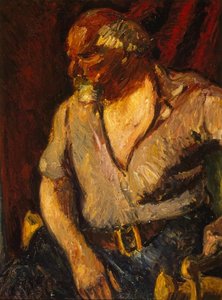
Sir Matthew Smith
1879 - 1959 , Zjednoczone Królestwo
Powiązane artykuły

Thomas Stuart Smith: A Study in British Impressionism & the Poetic Landscape
Explore the captivating world of Thomas Stuart Smith (1815-1869), a Scottish painter bridging Romantic realism and British Impressionism. Discover his genre scenes, philanthropic legacy & stunning interiors.
Fauwiści: 10 arcydzieł, które zrewolucjonizowały malarstwo | OriginalUniqueArt.com
Poznaj 10 arcydzieł Fauwyzmu! Odkryj historię Matisse'a, Deraina i innych artystów tego rewolucyjnego ruchu. Żywe kolory, ekspresja i inspiracje wnętrzarskie czekają. Reprodukcje obrazów najwyższej jakości na OriginalUniqueArt.com

Sir Joshua Reynolds: 25 Arcydzieł Pełnych Elegancji i Historii | OriginalUniqueArt.com
Odkryj 25 arcydzieł Sir Joshua Reynoldsa – mistrza angielskiego rokoko i neoklasycyzmu. Poznaj historie portretów, techniki malarskie i inspiracje wnętrzarskie. Reprodukcje najwyższej jakości na OriginalUniqueArt.com! Eksploruj pełną kolekcję online.

Sir Alfred James Munnings: 25 Arcydzieł Malarstwa Koni i Angielskiej Wsi | OriginalUniqueArt.com
Odkryj 25 arcydzieł Sir Alfreda Jamesa Munningsa – mistrza malarstwa koni i angielskiego krajobrazu. Poznaj historię, technikę i piękno jego obrazów. Reprodukcje najwyższej jakości na OriginalUniqueArt.com! Eksploruj pełną kolekcję online.

Odważne Wizje: 10 Arcydzieł Pełnych Mocy i Ekspresji | OriginalUniqueArt
Odkryj 10 odważnych arcydzieł sztuki, które definiują moc i ekspresję! Poznaj historie Van Gogha, Picassa i Muncha. Reprodukcje obrazów najwyższej jakości na OriginalUniqueArt.com – inspiracje do wnętrz i galeria online.