
 Podgląd w skali
 Wyślij jako kartkę
 Udostępnij
 Szczegóły dzieła

 Pobierz
 Podobne obiekty
 RTG
RTG Pokaz slajdów
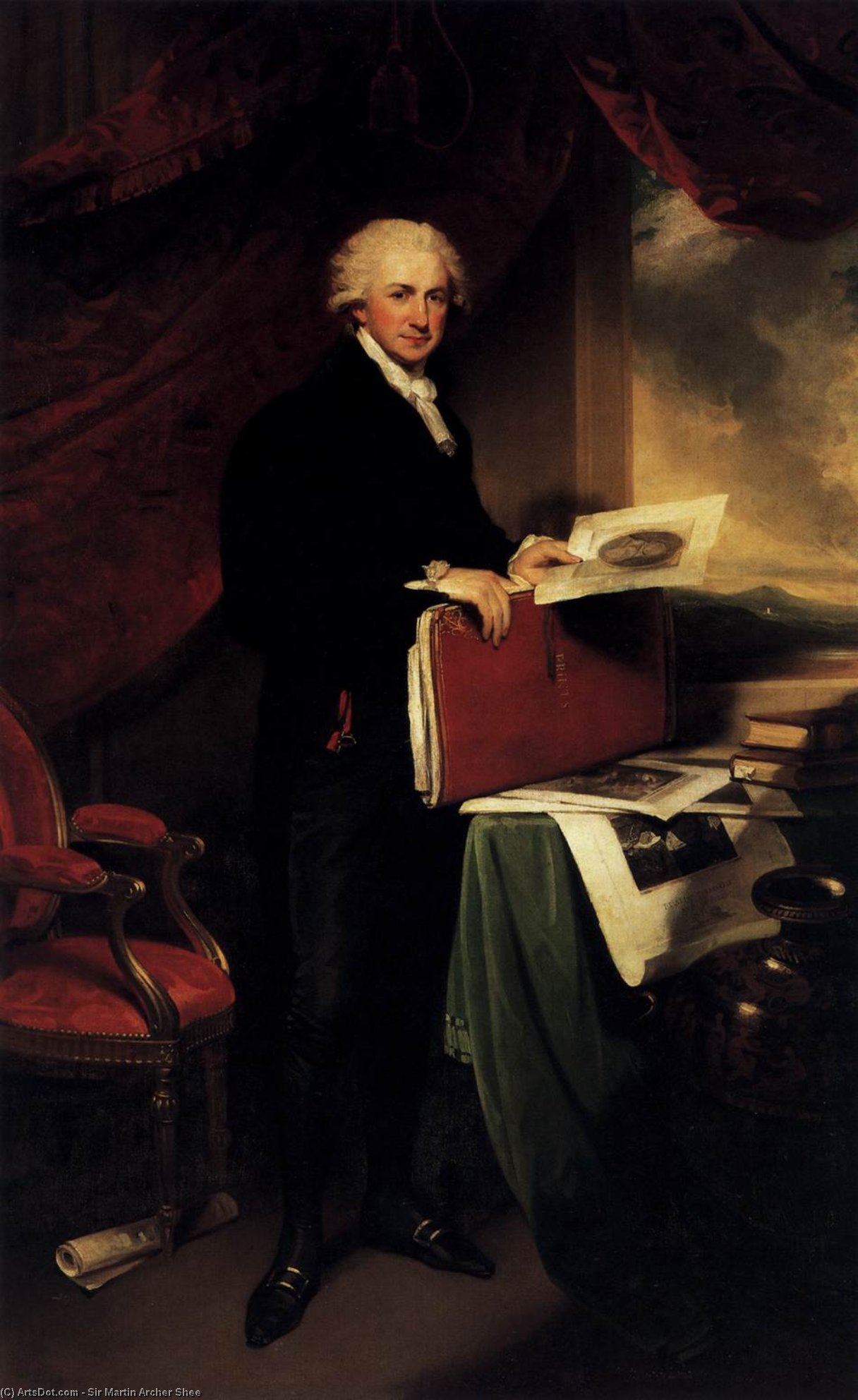
Mr. Storer
 Oil On Canvas
- WallArt
- Neoclassical Style
 19th Century
 239.0 x 148.0 cm
 Muzeum Prado
 Rozwiń treść
Giclée / Wydruk artystyczny
Druk giclée lub płótno o jakości muzealnej, szybka realizacja i szeroki wybór opcji wykończenia. ( Zamów ręcznie malowaną reprodukcję Kup obraz wysokiej rozdzielczości)




P118B $10

P118H $10

P118W $10

P438Z $10

P508JH $12

P508YH $12

P805H $10

P805Z $10

P919BZ $10

P919G $10

P919XJ $10

P959ZH $10

P968JZ $12

W106C $8

W218G $10

W218JH $8

W218Y $10

W307PJ $10

W316G $10

W316PJ $8

W316Y $10

W398PJ $8

W4111J $10

W500HY $15

W500JH $15

W692G $12

W849H $8

W940BG $15

W953PJ $8




Wybierz spośród naszych standardowych rozmiarów, które zachowują oryginalne proporcje dzieła sztuki.

Możesz wprowadzić własne wymiary, aby dopasować dzieło do konkretnej ramy lub przestrzeni. Jeśli wybrany rozmiar nie będzie odpowiadał proporcjom oryginalnego obrazu, przytniecie dzieło lub rozszerzymy obraz za pomocą odbicia lustrzanego lub jednolitego wypełnienia krawędzi. Przed rozpoczęciem produkcji prześlemy cyfrową wizualizację do Twojej akceptacji.
Prosimy pamiętać, że podgląd na ekranie nie odzwierciedla faktycznego przycinania ani rozszerzania. Tylko wizualizacja dokładnie pokaże końcową kompozycję.
Mimo dostępności niestandardowych rozmiarów, zalecamy wybór wymiaru z listy zdefiniowanej, aby zachować oryginalne proporcje.
Dostawa na cały świat () w ciągu 2 tygodni zamiast standardowych 4/5 tygodni. (27 Sierpień)

Bezpłatna ekspresowa wysyłka na cały świat

Wysokiej jakości płótno lniane

Pełne ubezpieczenie przesyłki

Gwarancja zwrotu należności celnych i podatków importowych

Gwarancja wiernego odwzorowania kolorów

Polityka 60-dniowego zwrotu (tylko w przypadku wad)

Gwarancja 100% zwrotu kosztów

Zniżka przy zamówieniu wielu produktów
 Opcja ze szkłem jest dostępna wyłącznie w rozmiarach poniżej 110 cm

Mr. Storer
Giclée / Wydruk artystyczny
Wymiary reprodukcji
-


Cena całkowita
$ 80
A Moment of Intellectual Grace
In the quietude of a private study, where the soft glow of candlelight might dance across leather-bound volumes, resides the profound presence of Sir Martin Archer Shee’s Mr. Storer. This neoclassical masterpiece is far more than a mere likeness; it is an intimate window into the soul of Anthony Morris Storer, captured with a level of psychological depth that transcends the boundaries of time. As one gazes upon the subject, there is an immediate sense of being invited into a sacred space of contemplation. The man stands poised, his gaze meeting the viewer with a gentle, knowing sincerity, while the weight of his scholarly pursuits is palpable in the very air surrounding him. It is a portrait that does not merely demand attention but commands respect through its understated elegance and quiet dignity.
The technical brilliance of Shee’s execution is nothing short of mesmerizing, particularly in his masterful command of chiaroscuro. By orchestrating a dramatic interplay between light and shadow, the artist sculpts Storer’s figure with a three-dimensional vitality that makes the subject feel almost tangible. The light falls softly upon the crisp white of his cravat and the thoughtful contours of his face, while deep, velvety shadows retreat into the background, creating an illusionistic depth that draws the eye inward. His palette is a rich tapestry of warmth; deep, resonant reds and earthy browns anchor the composition, providing a striking contrast to the muted, mossy greens of the drapery. Every brushstroke serves a purpose, meticulously rendering the luxurious texture of the red velvet chair and the delicate, weathered pages of the open book held in his hand.
Symbolism and the Victorian Ideal
Beyond its aesthetic splendor, Mr. Storer is a profound vessel of symbolism, reflecting the lofty cultural ambitions of 19th-century Britain. The inclusion of the open book is a deliberate nod to the era's reverence for knowledge and the intellectual life, suggesting that Storer was a man of profound learning and scholarly engagement. This theme of refinement is further bolstered by the presence of the red velvet chair—a symbol of both physical comfort and high social standing. Every element within the frame, from the heavy, dramatic curtains to the subtle placement of spectacles on a green-clothed table, works in harmony to construct an image of a gentleman defined by his education, wealth, and moral responsibility.
For the discerning collector or interior designer, this reproduction offers an unparalleled opportunity to infuse a space with historical gravity and sophisticated charm. Whether placed in a grand library, a formal dining room, or a contemporary study, the painting acts as a focal point of intellectual prestige. It brings with it the spirit of the Royal Academy’s golden age, offering a sense of permanence and classical beauty that modern decor often lacks. To possess such a piece is to hold a fragment of history—a tribute to an era where art was used to elevate the human spirit and celebrate the enduring virtues of the enlightened mind.
O artyście
A Dubliner’s Ascent: The Life and Art of Sir Martin Archer Shee
Born in the vibrant city of Dublin on December 23rd, 1769, Sir Martin Archer Shee emerged as a pivotal figure in 19th-century British art. His journey was not simply that of a talented portraitist, but also of an administrator dedicated to shaping the artistic landscape of his time. Initially met with familial disapproval – his merchant father deemed painting an unsuitable profession for a man of their standing – young Martin’s passion proved unyielding. He began his studies at the Royal Dublin Society, laying the foundation for a career that would ultimately lead him to the heart of London's art world and the presidency of the Royal Academy. A crucial introduction by Edmund Burke in 1788 to Joshua Reynolds opened doors to the Royal Academy Schools, marking a turning point in Shee’s artistic development. Early works like “Head of an Old Man” and “Portrait of a Gentleman,” exhibited in 1789, signaled the arrival of a promising new talent, one poised to capture the essence of his era through brush and canvas.The Brush and the Bureau: A Dual Path to Prominence
Shee’s career blossomed steadily throughout the late 18th and early 19th centuries. He quickly established himself as a sought-after portraitist, skillfully capturing the likenesses of prominent figures with an elegance and sensitivity that resonated deeply with his clientele. In 1798 he was elected an associate of the Royal Academy, a testament to his growing reputation, followed by full membership just two years later in 1800 – a remarkable ascent for an artist of his age. However, Shee’s ambitions extended beyond the purely artistic realm. He possessed a keen interest in the administration of the art world, believing that artists had a responsibility not only to create but also to shape the future of their discipline. This dedication culminated in his election as President of the Royal Academy in 1830, succeeding Sir Thomas Lawrence. For over two decades, he served as a powerful advocate for artists and a staunch defender of academic standards, guiding the institution through a period of significant change and ensuring its continued vitality. His presidency was characterized by stability and a commitment to fostering artistic excellence within Britain. He championed traditional techniques while simultaneously encouraging experimentation—a delicate balance that cemented his legacy as a visionary leader in the field.A Neoclassical Vision: Style and Subject Matter
While celebrated primarily as a portraitist, Shee’s *oeuvre* extended beyond capturing individual likenesses. He ventured into historical and literary subjects, demonstrating versatility and intellectual depth. Among his most renowned works are “Belisarius” (1826), a dramatic depiction of the exiled Roman general that speaks to themes of injustice and resilience; portraits of Queen Victoria and King George IV – testaments to his status as a royal painter—and paintings inspired by classical literature, revealing a deep engagement with the intellectual currents of his time. His style is characterized by a refined neoclassical sensibility, profoundly influenced by Joshua Reynolds and other masters of the era. Shee’s portraits are notable for their meticulous detail, subtle modeling, and psychological insight. He possessed an uncanny ability to convey not just physical resemblance but also something of the sitter's character and inner life—a skill that distinguished him from many of his contemporaries. His paintings weren’t merely representations; they were interpretations imbued with a sense of dignity and grace. The careful use of chiaroscuro, combined with precise anatomical accuracy, exemplifies the stylistic hallmarks of Reynoldsian portraiture and solidified Shee’s reputation as one of Britain's foremost neoclassical painters.Early Life and Artistic Foundations
He was born in Dublin to Martin Shee, a merchant, and his wife Mary Archer, who tragically died in 1771 when Shee was still an infant. His father moved back to Dublin in 1781 where Shee received a comprehensive classical education under the guidance of the Dominicans—a formative experience that instilled in him a lifelong appreciation for humanist ideals and artistic tradition. Recognizing his innate talent for drawing, Shee enrolled at the Royal Dublin Society’s academy, securing prestigious scholarships that propelled his artistic development forward. This early exposure to art would prove instrumental in shaping his future career path. Around this time, he married Mary Power from Co. Cork—a union marked by considerable familial opposition due to disparities in financial circumstances—yet it blossomed into a happy partnership.Notable Achievements and Legacy
Shee’s ascension within the Royal Academy was swift and decisive. Elected an associate in 1798, followed by full membership in 1800, he rapidly ascended the ranks of British artistic leadership. His unwavering dedication to upholding academic standards—particularly during his tenure as President from 1830 until his death in 1850—secured his place as a pivotal figure in shaping Victorian art history. Beyond his prolific portraiture, Shee’s contributions extended to theatrical productions and literary endeavors, demonstrating an intellectual breadth that transcended artistic boundaries. His enduring influence can be seen not only in the masterpieces he created but also in the broader cultural landscape of his time—a testament to the transformative power of talent combined with unwavering commitment to artistic excellence.Further Exploration
- Explore more works by Sir Martin Archer Shee at: https://OriginalUniqueArt.com/@/sir-martin-archer-shee
- Discover the Royal Academy of Arts collection at: /pl/art/show/art-d3cf6h-pl/
- Learn more about Shee’s life and works on Wikipedia: https://en.wikipedia.org/wiki/martin_archer_shee

Sir Martin Archer Shee
1769 - 1850 , Irlandia
Krótka nota
- Artistic Movement Or Style: Neoklasycizm
- Artists Or Movements Influenced By This Artist: ['Royal Academy']
- Artists Who Influenced This Artist:
- Joshua Reynolds
- Thomas Lawrence
- Date Of Birth: Dublin, Irlandia (1769)
- Date Of Death: Brighton, Anglia (1850)
- Full Name: Sir Martin Archer Shee
- Nationality: Irlandzka
- Notable Artworks:
- Belisarius
- Portret króla Wiktora
- Lavinia
- Place Of Birth: Dublin
Powiązane artykuły
Sir Joshua Reynolds: 25 Arcydzieł Pełnych Elegancji i Historii | OriginalUniqueArt.com
Odkryj 25 arcydzieł Sir Joshua Reynoldsa – mistrza angielskiego rokoko i neoklasycyzmu. Poznaj historie portretów, techniki malarskie i inspiracje wnętrzarskie. Reprodukcje najwyższej jakości na OriginalUniqueArt.com! Eksploruj pełną kolekcję online.

Sir Alfred James Munnings: 25 Arcydzieł Malarstwa Koni i Angielskiej Wsi | OriginalUniqueArt.com
Odkryj 25 arcydzieł Sir Alfreda Jamesa Munningsa – mistrza malarstwa koni i angielskiego krajobrazu. Poznaj historię, technikę i piękno jego obrazów. Reprodukcje najwyższej jakości na OriginalUniqueArt.com! Eksploruj pełną kolekcję online.
Sir Joshua Reynolds: Shaping British Art Through Grand Style & Societal Portraiture
Explore the life & work of Sir Joshua Reynolds, a master of British portraiture and founder of the Royal Academy. Discover his 'Grand Style,' techniques, and lasting influence on art history. Learn more at OriginalUniqueArt.
Sir John Lavery: A Study in Scottish Impressionism & the Portraiture of a Generation
Explore the life & art of Sir John Lavery, a master of Scottish Impressionism and renowned portraitist. Discover his captivating works, Irish heritage, and lasting legacy with OriginalUniqueArt.
Mastering the Light: An Art Historian's Guide to the Grand Style of Sir Joshua Reynolds
Explore the luminous legacy of Sir Joshua Reynolds. Discover how the master of the 'Grand Style' used dramatic light and classical elegance to define 18th-century British portraiture in this expert art history guide for collectors and enthusiasts.



