Zobacz w skali 1:1
 Wyślij
 Udostępnij
 Szczegóły
 Przewodnik

 Pobierz plik obrazu
 Podobne obiekty
 RTG
RTG Pokaz slajdów
 Statystyki
Self Portrait
 Oil On Canvas
- WallArt
- Neoclassicism
 19th Century
 74.0 x 61.0 cm
 Chequers Court
 Czytaj więcej
Giclée / Wydruk artystyczny
Wydruki giclée lub płótna o jakości muzealnej, szybka realizacja i szeroki wybór opcji wykończenia. ( Kup ręcznie malowany obraz Przełącz na wersję cyfrową)




P118B $10

P118H $10

P118W $10

P438Z $10

P508JH $12

P508YH $12

P805H $10

P805Z $10

P919BZ $10

P919G $10

P919XJ $10

P959ZH $10

P968JZ $12

W106C $8

W218G $10

W218JH $8

W218Y $10

W307PJ $10

W316G $10

W316PJ $8

W316Y $10

W398PJ $8

W4111J $10

W500HY $15

W500JH $15

W692G $12

W849H $8

W940BG $15

W953PJ $8




Wybierz spośród naszych standardowych rozmiarów, które zachowują oryginalne proporcje dzieła sztuki.

Możesz wprowadzić własne wymiary, aby dopasować dzieło do konkretnej ramy lub przestrzeni. Jeśli wybrany rozmiar nie będzie odpowiadał proporcjom oryginalnego obrazu, przytniecie dzieło lub rozszerzymy obraz za pomocą odbicia lustrzanego lub jednolitego wypełnienia krawędzi. Przed rozpoczęciem produkcji prześlemy cyfrową wizualizację do Twojej akceptacji.
Prosimy pamiętać, że podgląd na ekranie nie odzwierciedla faktycznego przycinania ani rozszerzania. Tylko wizualizacja dokładnie pokaże końcową kompozycję.
Mimo dostępności niestandardowych rozmiarów, zalecamy wybór wymiaru z listy zdefiniowanej, aby zachować oryginalne proporcje.
Dostawa na cały świat () w ciągu 2 tygodni zamiast standardowych 4/5 tygodni. (25 Wrzesień)

Bezpłatna ekspresowa wysyłka na cały świat

Wysokiej jakości płótno lniane

Pełne ubezpieczenie transportowe

Gwarancja zwrotu należności celnych i podatków importowych

Gwarancja idealnego odwzorowania barw

100-dniowy okres na zwrot dzieła w przypadku wykrycia wad produkcyjnych

Gwarancja 100% zwrotu pieniędzy

Oferta przy zakupie wielu sztuk
 Opcja ze szkłem jest dostępna wyłącznie w rozmiarach poniżej 110 cm

Self Portrait
Giclée / Wydruk artystyczny
Rozmiar reprodukcji
-


Suma do zapłaty
$ 80
A Window into the Soul: Sir Joshua Reynolds’ “Self-Portrait” (1788)
Sir Joshua Reynolds' "Self-Portrait" of 1788 is more than just a likeness; it’s a carefully constructed declaration, a glimpse into the mind and ambitions of one of Britain’s most influential artists. Painted during a period of immense artistic and social change, this work embodies the Neoclassical ideals that defined Reynolds' career – a harmonious blend of classical restraint and contemporary sensibility. The portrait isn’t merely a representation of the artist; it’s an assertion of his status as a leading figure in the burgeoning world of British art, a testament to his mastery of technique, and a subtle reflection on the role of the artist within society.
The composition is remarkably controlled. Reynolds presents himself in a three-quarter pose, seated before a dark, indistinct background – a deliberate choice that directs the viewer’s attention entirely onto his face and figure. His gaze is direct, intelligent, and subtly self-assured. He wears a meticulously rendered white shirt with delicate lace cuffs, a symbol of wealth and refinement, alongside a dark waistcoat and jacket, grounding him in the formality of the era. The lighting, dramatic and directional, sculpts his features with exquisite precision – highlighting the strong lines of his face, the thoughtful curve of his brow, and the subtle play of light on his skin. Reynolds’ mastery of chiaroscuro—the contrast between light and shadow—creates a sense of depth and volume, imbuing the portrait with a palpable realism.
The Grand Manner: Reynolds' Artistic Philosophy
“Self-Portrait” is a prime example of what Reynolds termed the “Grand Manner,” a style he championed as a reaction against the Rococo excesses that had dominated much of the preceding century. Rejecting the frivolous ornamentation and emotionalism of earlier styles, Reynolds sought to emulate the idealized forms and balanced compositions of ancient Greek and Roman art. This is evident in the portrait’s carefully controlled pose, its emphasis on classical proportions, and its overall sense of dignified restraint. He believed that a true artist should be a scholar, a gentleman, and above all, a moral exemplar – qualities he sought to project through his own image.
Reynolds wasn't simply copying antiquity; he was adapting it to the sensibilities of the 18th century. The portrait reflects the growing importance of portraiture as a means of social advancement and status display. As portraits became increasingly popular among the wealthy, artists like Reynolds recognized their potential to elevate their own reputations and secure lucrative commissions. This self-portrait served not only as a personal statement but also as a carefully crafted advertisement for his artistic talents.
Symbolism and Status: A Portrait of Power
Beyond its technical brilliance, “Self-Portrait” is laden with symbolic meaning. The artist’s attire—the white shirt, the lace cuffs—are indicators of wealth and social standing, reflecting Reynolds' position as a respected member of London society. The dark background serves to isolate him, emphasizing his importance and drawing attention to his carefully cultivated image. Even the pose itself – upright, composed, and direct – conveys an air of authority and self-confidence.
Furthermore, the portrait’s creation coincided with Reynolds' tenure as President of the Royal Academy, a pivotal moment in the history of British art. The Academy, founded in 1768, represented a new era of artistic patronage and professionalization. Reynolds’ role as its leader solidified his position as a leading figure in the art world, and this self-portrait can be seen as a visual embodiment of that power and influence. It's a declaration of his commitment to establishing a rigorous and elevated standard for British painting – a legacy that continues to resonate today.
A Timeless Masterpiece: Reproduction and Appreciation
Reproductions of “Self-Portrait” offer a remarkable opportunity to appreciate the artistry and sophistication of Sir Joshua Reynolds’ work. The intricate details, the masterful use of light and shadow, and the carefully considered composition are all brought to life in high-resolution images. Whether displayed as a statement piece in a grand salon or incorporated into a more intimate setting, this portrait remains a timeless symbol of artistic achievement and human intellect. It's a window into the soul of one of Britain’s greatest artists – an invitation to contemplate the enduring power of art to both reflect and shape our understanding of ourselves and the world around us.
Biografia artysty
A Luminary of the Enlightenment: The Life and Art of Sir Joshua Reynolds
Sir Joshua Reynolds, born in 1723 in the quaint Devonshire town of Plympton, emerged as a pivotal figure during a period of immense cultural transformation in Britain. His father, Reverend Samuel Reynolds, instilled in him a love for learning and intellectual pursuits, initially steering young Joshua towards a scholarly path. However, an undeniable artistic inclination soon surfaced, leading to his apprenticeship with Thomas Hudson in London at the age of seventeen. This formative experience provided Reynolds with a solid foundation in portraiture—a genre that would define his illustrious career. Hudson’s studio was a bustling hub of fashionable society, exposing Reynolds to the demands and expectations of aristocratic patrons, shaping not only his technique but also his understanding of the social landscape he would come to depict so masterfully. It wasn't merely about capturing likeness; it was about constructing an image that reflected status, taste, and aspiration.Forging a ‘Grand Style’ for British Portraiture
Reynolds didn’t simply replicate what he learned from Hudson. He embarked on a journey of artistic exploration, fueled by a deep admiration for the Old Masters—particularly Raphael, Michelangelo, and Titian. A pivotal moment in his development was a sojourn to Rome in 1750, where he immersed himself in classical art and absorbed the principles of the ‘Grand Style’ – an approach that prioritized idealized beauty, dramatic composition, and historical or mythological allusions. Upon returning to England, Reynolds sought to elevate British portraiture beyond mere representation, infusing it with a sense of dignity and intellectual weight previously unseen. He believed that portraits should not just record physical appearances but also reveal the sitter's character and social standing. This ambition led him to incorporate elements of history painting into his work, often depicting his subjects in elaborate costumes or staged settings reminiscent of classical narratives. He wasn’t merely painting *people*; he was crafting enduring images of power, intellect, and refinement. Reynolds meticulously studied the works of Rubens and Van Dyck, absorbing their techniques for creating a sense of grandeur and elegance.The First President and Champion of the Royal Academy
Reynolds' influence extended far beyond his own canvas. In 1768, he became a founding member of the Royal Academy of Arts, and crucially, its first president—a position he held until his death in 1792. This was a watershed moment for British art, establishing an institution dedicated to fostering artistic talent and promoting national identity. Reynolds tirelessly advocated for the importance of art education and championed the recognition of artists as professionals deserving of respect and patronage. His annual Discourses – lectures delivered to Academy students – became seminal texts on artistic theory and practice, outlining his vision for a distinctly British school of painting. He stressed the importance of studying nature, mastering technique, and cultivating imagination, urging artists to strive for originality while remaining grounded in tradition. Reynolds’ leadership transformed the landscape of British art, elevating its status and laying the foundation for future generations of artistic innovation.Capturing an Era: Notable Works and Enduring Legacy
Reynolds' prolific output encompassed portraits of some of the most prominent figures of 18th-century Britain—members of the aristocracy, literary luminaries, and military heroes. His portrait of Duke of Devonshire, for example, exudes an air of aristocratic power and sophistication, while his depiction of Peter Darnell Muilman, Charles Crokatt and William Keable in a Landscape showcases his ability to integrate figures seamlessly into natural settings. Mr and Mrs William Lindow is another compelling example of his skill in capturing the intimacy and social dynamics of family life. Beyond individual portraits, Reynolds also excelled at group compositions, skillfully arranging multiple figures within a single frame to create dynamic and engaging narratives. His work wasn’t simply about technical proficiency; it was about storytelling—about conveying the essence of an era through carefully constructed images. Reynolds' paintings are renowned for their masterful use of light and shadow, creating a sense of depth and drama that draws the viewer into the scene.A Complex Figure: Reynolds and Social Commentary
While celebrated for his artistic achievements, it’s important to acknowledge a more complex aspect of Reynolds’ legacy. His work has recently been subjected to critical scrutiny regarding its relationship to the institution of slavery. Several of his portraits depict individuals who were enslaved or whose families benefited from the trade, raising uncomfortable questions about the ethical implications of his patronage and the broader context in which he operated. However, it's also worth noting that Reynolds himself was a vocal abolitionist, actively supporting the Society for Effecting the Abolition of the Slave Trade. This duality—his artistic success intertwined with the realities of slavery—adds another layer to our understanding of this fascinating and influential figure. His later works increasingly reflected his growing awareness of social injustice, suggesting a genuine desire to challenge the prevailing norms of his time.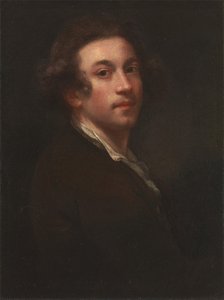
Sojuszy Joshua Reynolds
1723 - 1792 , Wielka Brytania
Najważniejsze informacje
- Artistic Movement Or Style: Grand Style portret
- Artists Or Movements Influenced By This Artist: ['Thomas Gainsborough']
- Artists Who Influenced This Artist: ['Thomas Hudson']
- Date Of Birth: 1723
- Date Of Death: 1792
- Full Name: Sir Joshua Reynolds
- Nationality: Brytyjski
- Notable Artworks:
- Peter Darnell...
- Mr i Mrs Lindow
- Portret Johna Hayesa
- Place Of Birth: Plympton, UK
Zobacz także powiązane artykuły
Sir Joshua Reynolds: 25 Arcydzieł Pełnych Elegancji i Historii | OriginalUniqueArt.com
Odkryj 25 arcydzieł Sir Joshua Reynoldsa – mistrza angielskiego rokoko i neoklasycyzmu. Poznaj historie portretów, techniki malarskie i inspiracje wnętrzarskie. Reprodukcje najwyższej jakości na OriginalUniqueArt.com! Eksploruj pełną kolekcję online.

The Soul of Impressionism: Why Oil on Canvas Captures Eternal Light and Timeless Emotion
Discover the enchanting alchemy of Impressionism. Explore how the mastery of oil on canvas, through glazing and impasto, captures eternal light and emotion. Perfect for lovers of Monet and Van Gogh seeking the profound depth of hand-painted fine art.

Olej na płótnie: Historia, techniki i ponadczasowy urok malarskiego medium
Poznaj historię i techniki malarstwa olejowego! Od renesansowych mistrzów po współczesne zastosowania – wszystko o oleju na płótnie. Poradniki, konserwacja i inspiracje dla pasjonatów sztuki.

Trwała Spuścizna Malarstwa Olejnego: Technika, Historia i Współczesna Praktyka
Poznaj historię i techniki malarstwa olejnego. Poradniki dla artystów, informacje o konserwacji oraz możliwość zamówienia wysokiej jakości reprodukcji obrazów. Ekspercka wiedza i gwarancja trwałości dzieł sztuki.

Trwała Spuścizna Malarstwa Olejnego: Technika, Historia i Estetyczny Wpływ
Poznaj historię i technikę malarstwa olejnego! Eksperckie artykuły o konserwacji, renowacji oraz współczesnych zastosowaniach. Dowiedz się więcej o mistrzach i trwałości obrazów olejnych.