() ·

Obraz stworzony dla Ciebie, własnoręcznie

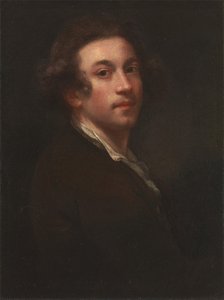
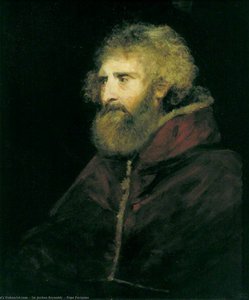
Self Portrait

Ręcznie malowana reprodukcja olejowa

Ręcznie malowany obraz olejny na płótnie, wykonany na zamówienie przez naszych artystów w wybranym przez Ciebie wymiarze i oprawie. ( Przełącz na wydania drukowane Przejdź do wersji cyfrowej)

Opis obiektu

Explore Sir Joshua Reynolds’ "Self Portrait" (1788). A neoclassical masterpiece showcasing dramatic lighting & realistic detail. Discover 18th-century British art.

Biografia artysty

Sir Joshua Reynolds (1723-1792): Pionier brytyjskiego malarstwa portretowego, znany z 'Grand Style'. Wprowadził do sztuki nowy poziom elegancji i prestiżu. Pierwszy prezydent Akademii Sztuk.

od ·

Rozdział 1

Jak duży powinien być ten format?

Przesuń suwak, aby zmienić rozmiar; obraz po lewej stronie przedstawia ramę w jej rzeczywistej szerokości. Zachowano proporcje oryginału.

Standardowy format
personalizowane
CM
INCH

Wybierz spośród naszych standardowych rozmiarów, które zachowują oryginalne proporcje dzieła sztuki.

szerokość
wysokość

Wpisz wymaganą szerokość i wysokość, aby obraz pasował do Twojej ramy lub ściany. Ponieważ jest to dzieło malowane ręcznie, w przypadku rozmiaru o innych proporcjach artysta może domalować nieco więcej wokół obrazu lub przyciąć jego fragmenty — wybór należy do Ciebie. Przed rozpoczęciem pracy prześlemy Ci cyfrową wizualizację do zatwierdzenia. Obraz widoczny na tej stronie nie przedstawia rzeczywistego efektu — jedynie wizualizacja oddaje realny rezultat.

Rozdział 2

W jaki sposób ma zostać dostarczone?

Wybierz krawędzie płótna naciągniętego na ramę

Wybierz ramę

Corner sample of the WhiteWrap canvas edge finish, stretched on lite drewno bars
Białe krawędzie zł1
Corner sample of the BlurSideWrap canvas edge finish, stretched on lite drewno bars
rozmyte krawędzie zł1
Corner sample of the ExtendedWrap canvas edge finish, stretched on lite drewno bars
Przedłużony zł1
Corner sample of the P118B picture frame: polistyren formowany, 5 cm wide and 3 cm thick
P118B zł10
Corner sample of the P118H picture frame: polistyren formowany, 5 cm wide and 3 cm thick
P118H zł10
Corner sample of the P118W picture frame: polistyren formowany, 5 cm wide and 3 cm thick
P118W zł10
Corner sample of the P438Z picture frame: polistyren formowany, 5.5 cm wide and 3.5 cm thick
P438Z zł10
Corner sample of the P508JH picture frame: polistyren formowany, 7 cm wide and 3.5 cm thick
P508JH zł12
Corner sample of the P508YH picture frame: polistyren formowany, 7 cm wide and 3.5 cm thick
P508YH zł12
Corner sample of the P805H picture frame: polistyren formowany, 5 cm wide and 3.5 cm thick
P805H zł10
Corner sample of the P805Z picture frame: polistyren formowany, 5 cm wide and 3.5 cm thick
P805Z zł10
Corner sample of the P919BZ picture frame: polistyren formowany, 7 cm wide and 3.5 cm thick
P919BZ zł10
Corner sample of the P919G picture frame: polistyren formowany, 7 cm wide and 3.5 cm thick
P919G zł10
Corner sample of the P919XJ picture frame: polistyren formowany, 7 cm wide and 3.5 cm thick
P919XJ zł10
Corner sample of the P959ZH picture frame: polistyren formowany, 5 cm wide and 3 cm thick
P959ZH zł10
Corner sample of the P968JZ picture frame: polistyren formowany, 6 cm wide and 4 cm thick
P968JZ zł12
Corner sample of the W106C picture frame: lite drewno, 5 cm wide and 3 cm thick
W106C zł8
Corner sample of the W218G picture frame: lite drewno, 5 cm wide and 3 cm thick
W218G zł10
Corner sample of the W218JH picture frame: lite drewno, 5 cm wide and 3 cm thick
W218JH zł8
Corner sample of the W218Y picture frame: lite drewno, 5 cm wide and 3 cm thick
W218Y zł10
Corner sample of the W307PJ picture frame: lite drewno, 6 cm wide and 3 cm thick
W307PJ zł10
Corner sample of the W316G picture frame: lite drewno, 6 cm wide and 3 cm thick
W316G zł10
Corner sample of the W316PJ picture frame: lite drewno, 6 cm wide and 3 cm thick
W316PJ zł8
Corner sample of the W316Y picture frame: lite drewno, 6 cm wide and 3 cm thick
W316Y zł10
Corner sample of the W398PJ picture frame: lite drewno, 5 cm wide and 3 cm thick
W398PJ zł8
Corner sample of the W4111J picture frame: lite drewno, 6.5 cm wide and 3.5 cm thick
W4111J zł10
Corner sample of the W500HY picture frame: lite drewno, 7 cm wide and 5 cm thick
W500HY zł15
Corner sample of the W500JH picture frame: lite drewno, 7 cm wide and 5 cm thick
W500JH zł15
Corner sample of the W692G picture frame: lite drewno, 8 cm wide and 4 cm thick
W692G zł12
Corner sample of the W849H picture frame: lite drewno, 5 cm wide and 3 cm thick
W849H zł8
Corner sample of the W940BG picture frame: lite drewno, 7.5 cm wide and 4.5 cm thick
W940BG zł15
Corner sample of the W953PJ picture frame: lite drewno, 6 cm wide and 3.5 cm thick
W953PJ zł8
Corner sample of the H24-GOLD picture frame: rzeźbione drewno pokryte gipsem, 10 cm wide and 6 cm thick
H24-GOLD zł30
Corner sample of the H24-SILVER picture frame: rzeźbione drewno pokryte gipsem, 10 cm wide and 6 cm thick
H24-SILVER zł30
Corner sample of the H36-GOLD picture frame: rzeźbione drewno pokryte gipsem, 15 cm wide and 6.5 cm thick
H36-GOLD zł45
Corner sample of the H36-SILVER picture frame: rzeźbione drewno pokryte gipsem, 15 cm wide and 6.5 cm thick
H36-SILVER zł45

Profil: . Wymiar całkowity w ramie: .

Rozdział 3

Kto go maluje i czy coś powinno ulec zmianie?

Przykłady możliwych zmian: Zastąpienie twarzy zdjęciem klienta; Dodanie zwierzęcia (np. zamiana kota na psa); Ukrycie wiadomości w tle; Zmiana krajobrazu lub elementów tła.
Po złożeniu zamówienia zespół OriginalUniqueArt.com skontaktuje się z klientem drogą mailową w celu uzyskania instrukcji i prześle podgląd projektu

Dostawa na całym świecie () w ciągu 3–4 tygodni zamiast standardowych 5 tygodni. (9 Listopad). Bez kompromisów w kwestii jakości.

Rozdział 4

Ostatnie szlify

Tabliczka informacyjna, jak w muzeum?

Szczegóły grawerowanej brązowej tabliczki

This elegant plaque features the artist's name and the title of the artwork, finely engraved for a timeless presentation.

It is made from bronze with a refined, elegant finish. The text is precisely laser-engraved for a sharp and permanent result. Measuring 9x2 cm, the plaque is compact yet easy to read. It's built to be durable and scratch-resistant, offering a professional, museum-quality look. Mounting is simple thanks to the included adhesive backing.

Szczegóły przezroczystej tabliczki akrylowej

The plaque includes essential engraved details such as the artist's name, the title of the artwork, the date it was created, the type of media used-like oil on canvas or watercolor-a brief description of the piece, and a QR code that links to the complete artwork information.

It is crafted from clear acrylic, offering a sleek, modern appearance. The text is UV-engraved in black to ensure strong visual contrast. With a size of 10x15 cm, it ensures optimal readability. It comes equipped with two metal hooks for secure wall mounting. The plaque is designed to be weather-resistant, making it suitable for various environments, and it includes interactive features that work seamlessly with smartphone scanning.

Szczegóły czarnej tabliczki akrylowej

This elegant plaque includes engraved information such as the artist's name, the title of the artwork, the date it was created, the type of media used (like oil on canvas or watercolor), a short description of the artwork, and a QR code for quick access to more information.

The plaque itself is made from refined black acrylic with a premium finish. The text is laser-engraved in white for high contrast and readability. Its size is 10x15 cm, designed to be easy to read. It comes with two metal hooks for professional mounting. The design is sleek and fits any interior style. It is also weather-resistant and durable, with built-in digital integration for mobile compatibility.

Werniks ochronny?

Kiedy potrzebujesz dostawy?

Rozdział 5

Twoje dzieło, dokładnie tak, jak zamówiłeś

Self Portrait

Technika reprodukcji

Wymiary reprodukcji

-

Wybitny mistrz artystyczny

Większa szczegółowość, finezja i dodatkowy czas na realizację

-

Opcje oprawy reprodukcji

-

-

W przypadku dzieł sztuki lub reprodukcji, których którykolwiek z boków przekracza 105 cm (około 41 cali), rama zostanie wysłana w formie zestawu do samodzielnego montażu. Metoda ta zapewnia bezpieczną dostawę i zapobiega uszkodzeniom podczas transportu.

Wymagany profesjonalny montaż – nie jest to produkt typu DIY.
Zestaw musi zostać złożony, a płótno naciągnięte przez doświadczonego profesjonalnego ramiarza, przy użyciu kleju do drewna (brak w zestawie), kleszczy do naciągania płótna oraz ścisków, które utrzymają krosna w równej pozycji podczas schnięcia kleju. Nieprawidłowy montaż lub nierównomierne napięcie płótna może trwale uszkodzić dzieło sztuki i nie podlega naszej gwarancji.

  • W zestawie znajdują się wszystkie listwy z litego drewna, precyzyjnie docięte do wymiarów.

  • Montaż odbywa się przy użyciu dołączonych wkrętów oraz kleju do drewna do łączenia narożników, którego zestaw nie zawiera i który musi zostać dostarczony przez ramiarza.

  • Wymagane są profesjonalne narzędzia, których nie ma w zestawie: kleszcze do naciągania płótna (napinacz) oraz zaciski, które pozwolą utrzymać listwy w równej pozycji podczas schnięcia kleju.

Ważne:
Do połączenia narożników niezbędny jest klej do drewna, listwy należy unieruchomić za pomocą ścisków do momentu całkowitego wyschnięcia kleju, a naciągnięcie płótna na złożoną ramę wymaga użycia kleszczy do naciągania płótna. Żaden z tych elementów nie jest dołączony do zestawu. Przed zamówieniem tego rozmiaru zalecamy konsultację z doświadczonym ramiarzem.

Etykieta obiektu

-

-

Lakier ochronny

Lakier z połyskiem (pogłębia kolory, chroni przed światłem i wilgocią)

-

Personalizacja dzieła

Przykłady możliwości personalizacji: zastąp twarz zdjęciem klienta; dodaj zwierzę domowe (np. zamień kota na psa); umieść ukrytą wiadomość w tle; zmień krajobraz lub elementy tła.

-

Ekspresowa

Dostawa na cały świat () w ciągu 3–4 tygodni zamiast standardowych 5 tygodni. (9 Listopad). Bez kompromisów w kwestii jakości.

-

Przesyłka ekspresowa

Dostawa na cały świat () w ciągu 5 tygodni. (16 Listopad).

W cenie

Cena całkowita

zł 1175

Suma całkowita zł 1175

Opcja ze szkłem jest dostępna wyłącznie w rozmiarach poniżej 110 cm

W każdym zamówieniu

  • Bezpłatna ekspresowa wysyłka na cały świat
  • Wysokiej jakości płótno lniane
  • Pełne ubezpieczenie przesyłki
  • Gwarancja zwrotu należności celnych i podatków importowych
  • Gwarancja wiernego odwzorowania kolorów
  • 100-dniowa polityka zwrotów (tylko w przypadku wad)
  • Gwarancja 100% zwrotu pieniędzy
  • Zniżka przy zakupie wielu sztuk

A Masterpiece of Neoclassical Restraint and Psychological Insight

Sir Joshua Reynolds' “Self Portrait,” completed around 1788, stands as a cornerstone of British portraiture during the High Georgian era—a period defined by intellectual fervor and aristocratic patronage. More than just a likeness, it’s an exquisitely crafted meditation on identity, ambition, and the artist’s own perception of his place within society.

  • Subject Matter: Reynolds meticulously rendered himself in a pose embodying classical ideals—a deliberate choice reflecting the burgeoning influence of Greek sculpture and Roman portraiture on artistic sensibilities. The figure is positioned centrally, commanding attention with an unwavering gaze that speaks to both confidence and introspection.
  • Style & Technique: Executed in oil paint on canvas using meticulous brushstrokes and shading techniques, Reynolds’ approach exemplifies Neoclassicism's commitment to realism combined with idealized form. He skillfully employs chiaroscuro—the dramatic interplay of light and shadow—to sculpt the contours of his face and drapery, creating a palpable sense of depth and volume.

Historical Context: The Enlightenment’s Embrace of Form and Reflection

Reynolds' oeuvre was deeply rooted in the intellectual currents of the Enlightenment. This era championed reason, observation, and an appreciation for classical antiquity as models for moral conduct and artistic excellence. “Self Portrait” embodies these values—a testament to Reynolds’ belief that art could elevate the human spirit and capture the essence of individual character.

  • Social Significance: Portraits like this served not merely as visual records but also as statements of social status and ambition. Reynolds' self-portrait was commissioned by wealthy patrons eager to secure their legacy through artistic representation—a practice that underscored the importance of appearance and reputation within Georgian society.
  • Reynolds’ Artistic Philosophy: Reynolds famously argued that an artist should strive to depict “the soul” rather than simply capturing a superficial likeness. This conviction is powerfully conveyed in “Self Portrait,” where Reynolds' gaze conveys both dignity and vulnerability—a subtle acknowledgment of the complexities inherent in human experience.

Decoding Symbolism: Light, Shadow, and Artistic Identity

The masterful use of light and shadow contributes significantly to the artwork’s symbolic resonance. The stark contrast between illuminated areas and darkened recesses emphasizes Reynolds' facial features—drawing attention to his eyes, which appear to hold a profound awareness. Furthermore, the dark background serves as a foil to the figure’s luminosity, reinforcing the idea that inner beauty transcends outward appearances.

  • Classical Influence: Reynolds’ compositional choices align with established conventions of Neoclassical portraiture—drawing inspiration from sculptures by artists like Michelangelo and Bernini. These figures conveyed similar notions of idealized form and psychological depth.
  • Artist's Self-Representation: Ultimately, “Self Portrait” is a profound exploration of artistic identity—a declaration that Reynolds recognized himself as both an individual and a conduit for conveying universal human truths. It remains a compelling reminder of the power of art to illuminate the complexities of the human condition.

A Legacy Enduring Through Reproduction

Today, high-quality reproductions of Sir Joshua Reynolds’ “Self Portrait” allow admirers worldwide to experience the artistry and intellectual spirit of this pivotal moment in British art history. OriginalUniqueArt offers exceptional prints that faithfully capture the nuances of Reynolds' technique and evoke the same sense of dignified contemplation.

Pytania i odpowiedzi

W którym roku powstało dzieło „Self Portrait” – Sojuszy Joshua Reynolds?

„Self Portrait” – Sojuszy Joshua Reynolds powstało w 1788.

W którym muzeum znajduje się oryginał "Self Portrait"?

Oryginał dzieła „Self Portrait” – Sojuszy Joshua Reynolds znajduje się w English Heritage, Londyn, Wielka Brytania. Reprodukcja pozwala na eksponowanie pracy w domu.

Jak harmonijna jest kolorystyka dzieła „Self Portrait” – Sojuszy Joshua Reynolds?

Kolory dzieła „Self Portrait” – Sojuszy Joshua Reynolds wykazują Strong Color Unity harmonię. Harmonia ta opisuje wzajemne relacje między barwami.

Więcej o tym obrazie

Podgląd w skali 1:1 Podgląd AR Przełącz na wydania drukowane Przejdź do wersji cyfrowej Wyślij jako kartkę
Szczegóły dzieła Przewodnik Dodaj do ulubionych Pobierz obraz Podobne obiekty RTG Pokaz slajdów Pytania i odpowiedzi Statystyki

W liczbach

  • 1788rok powstania dzieła
  • 29dostępne ramy do wyboru
  • standardowe formaty, w ich własnych proporcjach
  • 5tygodni na namalowanie i dostarczenie dzieła
Sojuszy Joshua Reynolds

Sojuszy Joshua Reynolds

1723 - 1792, Wielka Brytania

Krótkie informacje o Sojuszy Joshua Reynolds

  • Artistic Movement Or Style: Grand Style portret
  • Artists Or Movements Influenced By This Artist: ['Thomas Gainsborough']
  • Artists Who Influenced This Artist: ['Thomas Hudson']
  • Date Of Birth: 1723
  • Date Of Death: 1792
  • Full Name: Sir Joshua Reynolds
  • Nationality: Brytyjski
  • Notable Artworks:
    • Peter Darnell...
    • Mr i Mrs Lindow
    • Portret Johna Hayesa
  • Place Of Birth: Plympton, UK

Biografia artysty

A Luminary of the Enlightenment: The Life and Art of Sir Joshua Reynolds

Sir Joshua Reynolds, born in 1723 in the quaint Devonshire town of Plympton, emerged as a pivotal figure during a period of immense cultural transformation in Britain. His father, Reverend Samuel Reynolds, instilled in him a love for learning and intellectual pursuits, initially steering young Joshua towards a scholarly path. However, an undeniable artistic inclination soon surfaced, leading to his apprenticeship with Thomas Hudson in London at the age of seventeen. This formative experience provided Reynolds with a solid foundation in portraiture—a genre that would define his illustrious career. Hudson’s studio was a bustling hub of fashionable society, exposing Reynolds to the demands and expectations of aristocratic patrons, shaping not only his technique but also his understanding of the social landscape he would come to depict so masterfully. It wasn't merely about capturing likeness; it was about constructing an image that reflected status, taste, and aspiration.

Forging a ‘Grand Style’ for British Portraiture

Reynolds didn’t simply replicate what he learned from Hudson. He embarked on a journey of artistic exploration, fueled by a deep admiration for the Old Masters—particularly Raphael, Michelangelo, and Titian. A pivotal moment in his development was a sojourn to Rome in 1750, where he immersed himself in classical art and absorbed the principles of the ‘Grand Style’ – an approach that prioritized idealized beauty, dramatic composition, and historical or mythological allusions. Upon returning to England, Reynolds sought to elevate British portraiture beyond mere representation, infusing it with a sense of dignity and intellectual weight previously unseen. He believed that portraits should not just record physical appearances but also reveal the sitter's character and social standing. This ambition led him to incorporate elements of history painting into his work, often depicting his subjects in elaborate costumes or staged settings reminiscent of classical narratives. He wasn’t merely painting *people*; he was crafting enduring images of power, intellect, and refinement. Reynolds meticulously studied the works of Rubens and Van Dyck, absorbing their techniques for creating a sense of grandeur and elegance.

The First President and Champion of the Royal Academy

Reynolds' influence extended far beyond his own canvas. In 1768, he became a founding member of the Royal Academy of Arts, and crucially, its first president—a position he held until his death in 1792. This was a watershed moment for British art, establishing an institution dedicated to fostering artistic talent and promoting national identity. Reynolds tirelessly advocated for the importance of art education and championed the recognition of artists as professionals deserving of respect and patronage. His annual Discourses – lectures delivered to Academy students – became seminal texts on artistic theory and practice, outlining his vision for a distinctly British school of painting. He stressed the importance of studying nature, mastering technique, and cultivating imagination, urging artists to strive for originality while remaining grounded in tradition. Reynolds’ leadership transformed the landscape of British art, elevating its status and laying the foundation for future generations of artistic innovation.

Capturing an Era: Notable Works and Enduring Legacy

Reynolds' prolific output encompassed portraits of some of the most prominent figures of 18th-century Britain—members of the aristocracy, literary luminaries, and military heroes. His portrait of Duke of Devonshire, for example, exudes an air of aristocratic power and sophistication, while his depiction of Peter Darnell Muilman, Charles Crokatt and William Keable in a Landscape showcases his ability to integrate figures seamlessly into natural settings. Mr and Mrs William Lindow is another compelling example of his skill in capturing the intimacy and social dynamics of family life. Beyond individual portraits, Reynolds also excelled at group compositions, skillfully arranging multiple figures within a single frame to create dynamic and engaging narratives. His work wasn’t simply about technical proficiency; it was about storytelling—about conveying the essence of an era through carefully constructed images. Reynolds' paintings are renowned for their masterful use of light and shadow, creating a sense of depth and drama that draws the viewer into the scene.

A Complex Figure: Reynolds and Social Commentary

While celebrated for his artistic achievements, it’s important to acknowledge a more complex aspect of Reynolds’ legacy. His work has recently been subjected to critical scrutiny regarding its relationship to the institution of slavery. Several of his portraits depict individuals who were enslaved or whose families benefited from the trade, raising uncomfortable questions about the ethical implications of his patronage and the broader context in which he operated. However, it's also worth noting that Reynolds himself was a vocal abolitionist, actively supporting the Society for Effecting the Abolition of the Slave Trade. This duality—his artistic success intertwined with the realities of slavery—adds another layer to our understanding of this fascinating and influential figure. His later works increasingly reflected his growing awareness of social injustice, suggesting a genuine desire to challenge the prevailing norms of his time.

Najważniejsze informacje

  • Year: 1788
  • Artist: Sir Joshua Reynolds
  • Location: Kenwood House
  • Medium: Oil on Canvas
  • Notable elements or techniques: Dramatic lighting; Impasto texture
  • Title: Self Portrait

Quiz o sztuce

Do każdego pytania dotyczy tylko jedna poprawna odpowiedź.

Pytanie 1:
What artistic style is predominantly evident in Sir Joshua Reynolds’ "Self Portrait"?
Pytanie 2:
The dramatic lighting in the portrait contributes to what effect?
Pytanie 3:
Around what year was "Self Portrait" painted?
Pytanie 4:
What medium was Reynolds primarily known for using in his portraits?
Pytanie 5:
Symbolically, what does the self-portrait represent according to art historians?