
 Podgląd w skali 1:1
 Wyślij jako kartkę
 Udostępnij
 Szczegóły dzieła
 Przewodnik

 Pobierz obraz
 Podobne obiekty
 RTG
RTG Pokaz slajdów
 Pytania i odpowiedzi
 Statystyki
James Murray

- 239.0 x 145.0 cm


 Rozwiń treść
Otrzymaj plik gotowy do druku, którego jakość znacznie przewyższa podgląd internetowy. Każdy sprzedawany przez nas obraz cyfrowy pochodzi z wysokorozdzielczego pliku wzorcowego w naszej bazie — zazwyczaj o szerokości od 5 000 do 15 000 pikseli — dzięki czemu możesz drukować w dużym formacie, mocno kadrować lub z pełnym przekonaniem odwzorowywać najdrobniejsze detale.
Żaden plik nie opuszcza naszego studia bez odpowiedniej obróbki. Ekspert ds. cyfrowej edycji sprawdza zgodność kolorów z oryginałem i w razie potrzeby je koryguje, a następnie za pomocą profesjonalnych narzędzi do retuszu poprawia ostrość oraz szczegółowość — zawsze zachowując wierność pociągnięciom pędzla i stylowi artysty. Rezultatem jest obraz, który wygląda jak prawdziwe dzieło, a nie jak przefiltrowany skan.
Zatwierdzasz przed finalizacją zamówienia: nasz ekspert prześle obraz drogą mailową w ciągu 72 godzin do Twojego wglądu. Nie jesteś zadowolony? Poproś o poprawki lub korektę, bądź o zwrot kosztów, jeśli jakość nie spełnia oczekiwań.
To jakość, na której polegają wydawcy, studia projektowe, galerie oraz drukarnie.
Obraz cyfrowy
Pobierz plik o wysokiej rozdzielczości do osobistego użytku, druku oraz projektów kreatywnych. ( Przełącz na wydania drukowane Zamów ręcznie malowaną reprodukcję)
W każdym zamówieniu na obraz cyfrowy znajduje się
Profesjonalna dostawa cyfrowa z gwarancją
Wybierając OriginalUniqueArt.com, nie otrzymujesz jedynie obrazu – otrzymujesz profesjonalnie udoskonalone cyfrowe dzieło sztuki, stworzone z najwyższą precyzją i objęte gwarancją satysfakcji. Oto wszystko, co automatycznie dołączane jest do Twojego zamówienia:

Błyskawiczna wysyłka e-mailowa
Plik z obrazem cyfrowym w wysokiej rozdzielczości zostanie przesłany na Twój adres e-mail w ciągu 72 godzin od złożenia zamówienia – gotowy do natychmiastowego użycia.

Plik cyfrowy wzbogacony przez AI
Twoja grafika została profesjonalnie zoptymalizowana przy użyciu zaawansowanych narzędzi AI oraz ręcznej edycji, co zapewnia maksymalną szczegółowość, klarowność i wierność kolorów.

Darmowe ponowne przesyłki dożywotnio
Przypadkowo usunąłeś lub zgubiłeś swój plik? Bez obaw – prześlemy go Tobie ponownie w dowolnym momencie, bez żadnych opłat.

Bez opłat importowych – zawsze
Ciesz się swoją sztuką natychmiast, bez żadnych opłat celnych, należności ani kosztów dostawy – pliki cyfrowe są zawsze wolne od podatku.

Gwarancja wierności kolorów
Dzięki zastosowaniu profesjonalnych narzędzi i procesów zarządzania barwą zapewniamy, że Twoje cyfrowe zdjęcie odzwierciedla oryginalne kolory tak wiernie, jak to tylko możliwe.

Gwarancja satysfakcji przez 100 dni
Jeśli nie będziesz zadowolony ze swojego cyfrowego obrazu, dokonamy jego poprawki lub zwrócimy 100% kosztów w ciągu 100 dni – bez zbędnych pytań.

100% Gwarancja zwrotu pieniędzy
Nie jesteś zadowolony? Otrzymaj pełny zwrot kosztów w ciągu 100 dni od otrzymania pliku cyfrowego – bez zbędnych pytań.

Rabaty przy zamówieniach hurtowych
Kup 3 obrazy, oszczędź 10% - Kup 5, oszczędź 15% - Kup 10+, oszczędź 20%. Idealne do projektów kreatywnych, galerii i agencji.
James Murray - A Portrait of Dignified Nobility Under Reynolds' Grand Style
Sir Joshua Reynolds’s “James Murray” stands as a testament to the burgeoning grandeur of British portraiture during the Enlightenment, capturing not merely likeness but also an idealized representation of aristocratic virtue. Painted circa 1785-86, this monumental canvas exemplifies Reynolds’s signature ‘Grand Manner,’ prioritizing compositional balance and theatrical lighting to elevate its subject beyond mere physical appearance—a deliberate strategy reflecting the artistic sensibilities of his time.- Subject Matter: The portrait depicts James Murray (1743 – 1820), a Scottish lawyer and politician who served as Solicitor General for Scotland and later Lord Advocate. Reynolds skillfully portrays Murray with an air of quiet confidence, seated in a richly appointed interior—a common motif in aristocratic portraits designed to convey status and prestige.
- Style & Technique: Reynolds’s masterful brushwork is characterized by smooth tonal gradations and meticulous attention to detail, particularly evident in the drapery folds and Murray's facial features. He employed a technique known as ‘sfumato,’ subtly blending colors to create soft transitions and atmospheric depth—a hallmark of his style that distinguishes it from earlier Mannerist approaches.
- Historical Context: Reynolds’s work emerged during a period marked by intellectual ferment and artistic ambition, fueled by the rediscovery of classical ideals and influenced by artists like Rembrandt and Rubens. The Grand Manner aesthetic sought to emulate the monumental scale and dramatic lighting of Roman sculpture and painting, reflecting a desire for elevated artistic expression that mirrored the aspirations of the British elite.
- Symbolism: Murray’s pose—seated upright with hands clasped in contemplation—suggests thoughtfulness and moral integrity – qualities highly valued by Reynolds and his patrons. The opulent surroundings reinforce Murray's social standing, symbolizing wealth and influence within the aristocratic hierarchy.
Further Exploration: Georges Keating's Engraving After Reynolds
Georges Keating’s engraving after Sir Joshua Reynolds offers a compelling visual counterpart to Reynolds’s monumental painting. Keating meticulously reproduced Reynolds’s masterful depiction of Murray, capturing the artist’s nuanced tonal palette and dramatic lighting with remarkable precision—a testament to Keating’s skill as an engraver and his dedication to preserving Reynolds's artistic legacy. This print exemplifies the enduring fascination with Reynolds’s style and its ability to convey both visual beauty and psychological depth.Related Artists: James Thornhill
James Thornhill, another influential British Baroque painter, similarly embraced the Grand Manner aesthetic—creating large-scale murals for prominent buildings like Greenwich Palace and St Paul’s Cathedral. Like Reynolds, Thornhill prioritized compositional balance and theatrical lighting to elevate his subjects, reflecting a shared commitment to artistic grandeur and historical narrative.Beyond Reynolds: Scottish Romanticism
Patrick Nasmyth's landscapes—characterized by luminous color palettes and meticulous observation of natural detail—represent a significant departure from the formal conventions of Reynolds’s time. Yet, Nasmyth nonetheless acknowledges Reynolds’s influence, adopting elements of his Grand Manner style to imbue his paintings with an aura of solemn dignity and artistic ambition—demonstrating how artistic traditions evolved across generations.Resources:
- James Murray
- James Murray
- Sir Joshua Reynolds
- Georges Keating After Sir Joshua Reynolds
- Sir James Thornhill
- Patrick Nasmyth: A Scottish Romantic's Vision of History & the Grand Manner
Additional Information:
Explore OriginalUniqueArt’s extensive collection of reproductions and original artworks by Sir Joshua Reynolds.
Pytania i odpowiedzi
Jaki rozmiar wydruku jest zalecany dla „James Murray” – Sojuszy Joshua Reynolds?
Zalecany rozmiar wydruku dla „James Murray” – Sojuszy Joshua Reynolds to Large.
Jaki nastrój i emocje wyraża „James Murray” – Sojuszy Joshua Reynolds?
W "James Murray" nastrojowi Elegant towarzyszy emocja Calm.
Jaki rozmiar wydruku „James Murray” – Sojuszy Joshua Reynolds będzie odpowiedni do zalecanego pomieszczenia?
Zalecane zestawienie dla „James Murray” – Sojuszy Joshua Reynolds: wydruk w formacie Large do Living Room.
Biografia artysty
A Luminary of the Enlightenment: The Life and Art of Sir Joshua Reynolds
Sir Joshua Reynolds, born in 1723 in the quaint Devonshire town of Plympton, emerged as a pivotal figure during a period of immense cultural transformation in Britain. His father, Reverend Samuel Reynolds, instilled in him a love for learning and intellectual pursuits, initially steering young Joshua towards a scholarly path. However, an undeniable artistic inclination soon surfaced, leading to his apprenticeship with Thomas Hudson in London at the age of seventeen. This formative experience provided Reynolds with a solid foundation in portraiture—a genre that would define his illustrious career. Hudson’s studio was a bustling hub of fashionable society, exposing Reynolds to the demands and expectations of aristocratic patrons, shaping not only his technique but also his understanding of the social landscape he would come to depict so masterfully. It wasn't merely about capturing likeness; it was about constructing an image that reflected status, taste, and aspiration.Forging a ‘Grand Style’ for British Portraiture
Reynolds didn’t simply replicate what he learned from Hudson. He embarked on a journey of artistic exploration, fueled by a deep admiration for the Old Masters—particularly Raphael, Michelangelo, and Titian. A pivotal moment in his development was a sojourn to Rome in 1750, where he immersed himself in classical art and absorbed the principles of the ‘Grand Style’ – an approach that prioritized idealized beauty, dramatic composition, and historical or mythological allusions. Upon returning to England, Reynolds sought to elevate British portraiture beyond mere representation, infusing it with a sense of dignity and intellectual weight previously unseen. He believed that portraits should not just record physical appearances but also reveal the sitter's character and social standing. This ambition led him to incorporate elements of history painting into his work, often depicting his subjects in elaborate costumes or staged settings reminiscent of classical narratives. He wasn’t merely painting *people*; he was crafting enduring images of power, intellect, and refinement. Reynolds meticulously studied the works of Rubens and Van Dyck, absorbing their techniques for creating a sense of grandeur and elegance.The First President and Champion of the Royal Academy
Reynolds' influence extended far beyond his own canvas. In 1768, he became a founding member of the Royal Academy of Arts, and crucially, its first president—a position he held until his death in 1792. This was a watershed moment for British art, establishing an institution dedicated to fostering artistic talent and promoting national identity. Reynolds tirelessly advocated for the importance of art education and championed the recognition of artists as professionals deserving of respect and patronage. His annual Discourses – lectures delivered to Academy students – became seminal texts on artistic theory and practice, outlining his vision for a distinctly British school of painting. He stressed the importance of studying nature, mastering technique, and cultivating imagination, urging artists to strive for originality while remaining grounded in tradition. Reynolds’ leadership transformed the landscape of British art, elevating its status and laying the foundation for future generations of artistic innovation.Capturing an Era: Notable Works and Enduring Legacy
Reynolds' prolific output encompassed portraits of some of the most prominent figures of 18th-century Britain—members of the aristocracy, literary luminaries, and military heroes. His portrait of Duke of Devonshire, for example, exudes an air of aristocratic power and sophistication, while his depiction of Peter Darnell Muilman, Charles Crokatt and William Keable in a Landscape showcases his ability to integrate figures seamlessly into natural settings. Mr and Mrs William Lindow is another compelling example of his skill in capturing the intimacy and social dynamics of family life. Beyond individual portraits, Reynolds also excelled at group compositions, skillfully arranging multiple figures within a single frame to create dynamic and engaging narratives. His work wasn’t simply about technical proficiency; it was about storytelling—about conveying the essence of an era through carefully constructed images. Reynolds' paintings are renowned for their masterful use of light and shadow, creating a sense of depth and drama that draws the viewer into the scene.A Complex Figure: Reynolds and Social Commentary
While celebrated for his artistic achievements, it’s important to acknowledge a more complex aspect of Reynolds’ legacy. His work has recently been subjected to critical scrutiny regarding its relationship to the institution of slavery. Several of his portraits depict individuals who were enslaved or whose families benefited from the trade, raising uncomfortable questions about the ethical implications of his patronage and the broader context in which he operated. However, it's also worth noting that Reynolds himself was a vocal abolitionist, actively supporting the Society for Effecting the Abolition of the Slave Trade. This duality—his artistic success intertwined with the realities of slavery—adds another layer to our understanding of this fascinating and influential figure. His later works increasingly reflected his growing awareness of social injustice, suggesting a genuine desire to challenge the prevailing norms of his time.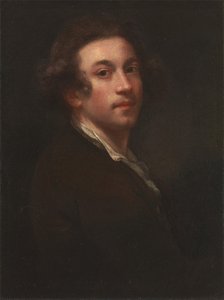
Sojuszy Joshua Reynolds
1723 - 1792 , Wielka Brytania
Krótka nota
- Artistic Movement Or Style: Grand Style portret
- Artists Or Movements Influenced By This Artist: ['Thomas Gainsborough']
- Artists Who Influenced This Artist: ['Thomas Hudson']
- Date Of Birth: 1723
- Date Of Death: 1792
- Full Name: Sir Joshua Reynolds
- Nationality: Brytyjski
- Notable Artworks:
- Peter Darnell...
- Mr i Mrs Lindow
- Portret Johna Hayesa
- Place Of Birth: Plympton, UK