Podgląd w skali
 Wyślij jako kartkę
 Udostępnij
 Szczegóły dzieła

 Pobierz
 Podobne obiekty
 RTG
RTG Pokaz slajdów
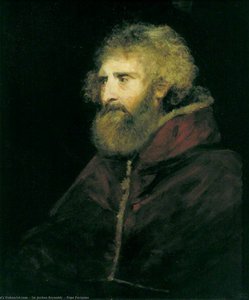
Dr Joseph Warton
 Oil On Canvas
- WallArt
- Grand Style Portraiture
 1777
1777 75.0 x 63.0 cm
 Ashmolean Museum of Art and Archaeology
 Rozwiń treść
Giclée / Wydruk artystyczny
Druk giclée lub płótno o jakości muzealnej, szybka realizacja i szeroki wybór opcji wykończenia. ( Zamów ręcznie malowaną reprodukcję Kup obraz wysokiej rozdzielczości)




P118B $10

P118H $10

P118W $10

P438Z $10

P508JH $12

P508YH $12

P805H $10

P805Z $10

P919BZ $10

P919G $10

P919XJ $10

P959ZH $10

P968JZ $12

W106C $8

W218G $10

W218JH $8

W218Y $10

W307PJ $10

W316G $10

W316PJ $8

W316Y $10

W398PJ $8

W4111J $10

W500HY $15

W500JH $15

W692G $12

W849H $8

W940BG $15

W953PJ $8




Wybierz spośród naszych standardowych rozmiarów, które zachowują oryginalne proporcje dzieła sztuki.

Możesz wprowadzić własne wymiary, aby dopasować dzieło do konkretnej ramy lub przestrzeni. Jeśli wybrany rozmiar nie będzie odpowiadał proporcjom oryginalnego obrazu, przytniecie dzieło lub rozszerzymy obraz za pomocą odbicia lustrzanego lub jednolitego wypełnienia krawędzi. Przed rozpoczęciem produkcji prześlemy cyfrową wizualizację do Twojej akceptacji.
Prosimy pamiętać, że podgląd na ekranie nie odzwierciedla faktycznego przycinania ani rozszerzania. Tylko wizualizacja dokładnie pokaże końcową kompozycję.
Mimo dostępności niestandardowych rozmiarów, zalecamy wybór wymiaru z listy zdefiniowanej, aby zachować oryginalne proporcje.
Dostawa na cały świat () w ciągu 2 tygodni zamiast standardowych 4/5 tygodni. (29 Sierpień)

Bezpłatna ekspresowa wysyłka na cały świat

Wysokiej jakości płótno lniane

Pełne ubezpieczenie przesyłki

Gwarancja zwrotu należności celnych i podatków importowych

Gwarancja wiernego odwzorowania kolorów

Polityka 60-dniowego zwrotu (tylko w przypadku wad)

Gwarancja 100% zwrotu kosztów

Zniżka przy zamówieniu wielu produktów
 Opcja ze szkłem jest dostępna wyłącznie w rozmiarach poniżej 110 cm

Dr Joseph Warton
Giclée / Wydruk artystyczny
Wymiary reprodukcji
-


Cena całkowita
$ 80
A Portrait of Enlightenment: Sir Joshua Reynolds’ Dr. Joseph Warton
Sir Joshua Reynolds' "Dr. Joseph Warton," painted in 1777, is more than simply a likeness; it’s a meticulously crafted embodiment of the ideals and social dynamics of the late 18th century. This oil on canvas, currently residing within the Ashmolean Museum in Oxford, offers a captivating glimpse into the world of British intellectualism and aristocratic patronage during the Age of Enlightenment. Reynolds, a towering figure in British art history, masterfully employed his signature ‘Grand Style’ to present Dr. Warton not merely as an individual, but as a symbol of learning, refinement, and civic virtue – qualities highly valued within the circles he depicted.
The subject himself, Joseph Warton (1722-1800), was a prominent literary critic and translator, renowned for his scholarly editions of classical texts. Reynolds’ decision to portray him in such a formal and dignified manner speaks volumes about Warton's standing within the intellectual landscape. The painting immediately draws the eye with its carefully orchestrated composition. Dr. Warton is positioned centrally, bathed in soft, diffused light that highlights his features and attire. His posture exudes an air of quiet contemplation, suggesting a mind deeply engaged in philosophical pursuits.
The Grand Style: Technique and Composition
Reynolds’ ‘Grand Style’ was characterized by its emphasis on elegant composition, subtle color palettes, and the skillful rendering of textures – particularly fabrics. Notice the intricate detailing of Warton's black suit, the luxurious sheen of his white collar, and the carefully arranged folds of his wig. These details aren’t merely decorative; they contribute to a sense of realism and sophistication, reflecting the wealth and status associated with the subject. The background is deliberately muted, allowing Dr. Warton to remain the focal point. The use of atmospheric perspective – subtly blurring elements in the distance – creates a sense of depth and spatial awareness within the painting.
Reynolds’ technique demonstrates his mastery of chiaroscuro, the dramatic contrast between light and shadow. This technique not only adds visual interest but also serves to emphasize Warton's face and form, drawing the viewer’s attention to his expression and features. The subtle gradations of tone create a sense of volume and three-dimensionality, making the portrait remarkably lifelike.
Symbolism and Context
Beyond its technical brilliance, “Dr. Joseph Warton” is laden with symbolic meaning. The subject’s attire – the black suit, white collar, and wig – were all markers of respectability and intellectual standing within Georgian society. The inclusion of a book (implied by his posture) further reinforces his role as a scholar and gentleman. Reynolds was acutely aware of the social conventions of his time, and he skillfully used visual cues to convey these values. The painting can be interpreted as an advertisement for Warton’s intellectual prowess and a celebration of the virtues associated with the Enlightenment – reason, learning, and civic engagement.
Furthermore, it's important to consider the context in which this portrait was created. Reynolds was a Royal Academician and a key figure in shaping British art during the 18th century. His portraits were commissioned by wealthy patrons—often aristocrats—and served as both social statements and investments. "Dr. Joseph Warton" exemplifies his ability to seamlessly blend artistic skill with the demands of aristocratic clientele, creating works that were both aesthetically pleasing and socially significant.
A Timeless Masterpiece: Reproduction Possibilities
OriginalUniqueArt offers meticulously crafted hand-painted reproductions of “Dr. Joseph Warton,” allowing you to bring this iconic portrait into your home or office. Our skilled artists replicate Reynolds’ masterful technique with the utmost care, ensuring that every detail – from the subtle nuances of color to the intricate textures – is faithfully reproduced. Whether you're an art enthusiast, a collector, or simply seeking a stunning piece of decorative art, our reproductions provide an authentic and beautiful representation of this remarkable work. Explore the available options on our website and experience the legacy of Sir Joshua Reynolds firsthand.
O artyście
A Luminary of the Enlightenment: The Life and Art of Sir Joshua Reynolds
Sir Joshua Reynolds, born in 1723 in the quaint Devonshire town of Plympton, emerged as a pivotal figure during a period of immense cultural transformation in Britain. His father, Reverend Samuel Reynolds, instilled in him a love for learning and intellectual pursuits, initially steering young Joshua towards a scholarly path. However, an undeniable artistic inclination soon surfaced, leading to his apprenticeship with Thomas Hudson in London at the age of seventeen. This formative experience provided Reynolds with a solid foundation in portraiture—a genre that would define his illustrious career. Hudson’s studio was a bustling hub of fashionable society, exposing Reynolds to the demands and expectations of aristocratic patrons, shaping not only his technique but also his understanding of the social landscape he would come to depict so masterfully. It wasn't merely about capturing likeness; it was about constructing an image that reflected status, taste, and aspiration.Forging a ‘Grand Style’ for British Portraiture
Reynolds didn’t simply replicate what he learned from Hudson. He embarked on a journey of artistic exploration, fueled by a deep admiration for the Old Masters—particularly Raphael, Michelangelo, and Titian. A pivotal moment in his development was a sojourn to Rome in 1750, where he immersed himself in classical art and absorbed the principles of the ‘Grand Style’ – an approach that prioritized idealized beauty, dramatic composition, and historical or mythological allusions. Upon returning to England, Reynolds sought to elevate British portraiture beyond mere representation, infusing it with a sense of dignity and intellectual weight previously unseen. He believed that portraits should not just record physical appearances but also reveal the sitter's character and social standing. This ambition led him to incorporate elements of history painting into his work, often depicting his subjects in elaborate costumes or staged settings reminiscent of classical narratives. He wasn’t merely painting *people*; he was crafting enduring images of power, intellect, and refinement. Reynolds meticulously studied the works of Rubens and Van Dyck, absorbing their techniques for creating a sense of grandeur and elegance.The First President and Champion of the Royal Academy
Reynolds' influence extended far beyond his own canvas. In 1768, he became a founding member of the Royal Academy of Arts, and crucially, its first president—a position he held until his death in 1792. This was a watershed moment for British art, establishing an institution dedicated to fostering artistic talent and promoting national identity. Reynolds tirelessly advocated for the importance of art education and championed the recognition of artists as professionals deserving of respect and patronage. His annual Discourses – lectures delivered to Academy students – became seminal texts on artistic theory and practice, outlining his vision for a distinctly British school of painting. He stressed the importance of studying nature, mastering technique, and cultivating imagination, urging artists to strive for originality while remaining grounded in tradition. Reynolds’ leadership transformed the landscape of British art, elevating its status and laying the foundation for future generations of artistic innovation.Capturing an Era: Notable Works and Enduring Legacy
Reynolds' prolific output encompassed portraits of some of the most prominent figures of 18th-century Britain—members of the aristocracy, literary luminaries, and military heroes. His portrait of Duke of Devonshire, for example, exudes an air of aristocratic power and sophistication, while his depiction of Peter Darnell Muilman, Charles Crokatt and William Keable in a Landscape showcases his ability to integrate figures seamlessly into natural settings. Mr and Mrs William Lindow is another compelling example of his skill in capturing the intimacy and social dynamics of family life. Beyond individual portraits, Reynolds also excelled at group compositions, skillfully arranging multiple figures within a single frame to create dynamic and engaging narratives. His work wasn’t simply about technical proficiency; it was about storytelling—about conveying the essence of an era through carefully constructed images. Reynolds' paintings are renowned for their masterful use of light and shadow, creating a sense of depth and drama that draws the viewer into the scene.A Complex Figure: Reynolds and Social Commentary
While celebrated for his artistic achievements, it’s important to acknowledge a more complex aspect of Reynolds’ legacy. His work has recently been subjected to critical scrutiny regarding its relationship to the institution of slavery. Several of his portraits depict individuals who were enslaved or whose families benefited from the trade, raising uncomfortable questions about the ethical implications of his patronage and the broader context in which he operated. However, it's also worth noting that Reynolds himself was a vocal abolitionist, actively supporting the Society for Effecting the Abolition of the Slave Trade. This duality—his artistic success intertwined with the realities of slavery—adds another layer to our understanding of this fascinating and influential figure. His later works increasingly reflected his growing awareness of social injustice, suggesting a genuine desire to challenge the prevailing norms of his time.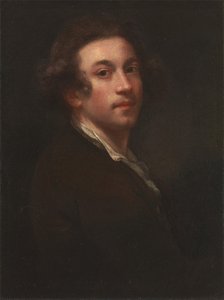
Sojuszy Joshua Reynolds
1723 - 1792 , Wielka Brytania
Krótka nota
- Artistic Movement Or Style: Grand Style portret
- Artists Or Movements Influenced By This Artist: ['Thomas Gainsborough']
- Artists Who Influenced This Artist: ['Thomas Hudson']
- Date Of Birth: 1723
- Date Of Death: 1792
- Full Name: Sir Joshua Reynolds
- Nationality: Brytyjski
- Notable Artworks:
- Peter Darnell...
- Mr i Mrs Lindow
- Portret Johna Hayesa
- Place Of Birth: Plympton, UK
Powiązane artykuły
Sir Joshua Reynolds: 25 Arcydzieł Pełnych Elegancji i Historii | OriginalUniqueArt.com
Odkryj 25 arcydzieł Sir Joshua Reynoldsa – mistrza angielskiego rokoko i neoklasycyzmu. Poznaj historie portretów, techniki malarskie i inspiracje wnętrzarskie. Reprodukcje najwyższej jakości na OriginalUniqueArt.com! Eksploruj pełną kolekcję online.
Sir Joshua Reynolds: Shaping British Art Through Grand Style & Societal Portraiture
Explore the life & work of Sir Joshua Reynolds, a master of British portraiture and founder of the Royal Academy. Discover his 'Grand Style,' techniques, and lasting influence on art history. Learn more at OriginalUniqueArt.
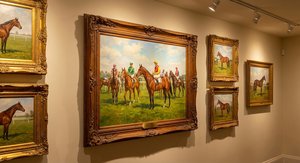
Sir Alfred James Munnings: 25 Arcydzieł Malarstwa Koni i Angielskiej Wsi | OriginalUniqueArt.com
Odkryj 25 arcydzieł Sir Alfreda Jamesa Munningsa – mistrza malarstwa koni i angielskiego krajobrazu. Poznaj historię, technikę i piękno jego obrazów. Reprodukcje najwyższej jakości na OriginalUniqueArt.com! Eksploruj pełną kolekcję online.
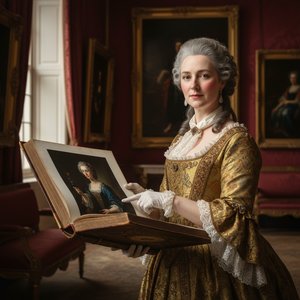
Mastering the Light: An Art Historian's Guide to the Grand Style of Sir Joshua Reynolds
Explore the luminous legacy of Sir Joshua Reynolds. Discover how the master of the 'Grand Style' used dramatic light and classical elegance to define 18th-century British portraiture in this expert art history guide for collectors and enthusiasts.

Sir George Clausen: Capturing Edwardian Life & British Impressionism's Nuances
Explore the luminous world of Sir George Clausen, a leading British Impressionist painter. Discover his captivating scenes of Edwardian life, rural England & poignant war art. Learn about his legacy and find high-quality reproductions at OriginalUniqueArt.