Pre-Raphaelite Revival · 1847
Infancy (John Everett Millais, 1847)
John Everett Millais (1829–1896) stworzył Infancy. Dzieło pochodzi z 1847. Należy do nurtu Pre-Raphaelite Revival. Wykonano w technice Oil On Canvas. Przechowywane jest w Leeds Art Gallery w Leeds, Zjednoczone Królestwo.
- 1847
- Oil On Canvas
- Leeds Art Gallery

 Podgląd w skali 1:1

 Ręcznie malowany obraz olejny
 Wyślij jako kartkę
 Udostępnij
 Przewodnik


 Pobierz obraz
 Podobne obiekty
 RTG
 Pokaz slajdów
 Pytania i odpowiedzi

 Statystyki
Infancy: najważniejsze informacje
- Tytuł
- Infancy
- Artysta
- John Everett Millais (1829–1896)
- Miejsce urodzenia artysty
- Southampton, Wielka Brytania
- Data powstania
- 1847
- Technika wykonania
- Oil On Canvas
- Gdzie można je zobaczyć
- Leeds Art Gallery, Leeds, Zjednoczone Królestwo
- Epoka
- 19th Century
- Temat
- motherhood, childhood, pastoral, innocence, victorian, landscape
Co przedstawia Infancy?
Infancy by Sir John Everett Millais: A Window into Victorian Sentiment
Sir John Everett Millais’s “Infancy,” completed in 1847, is more than just a depiction of a mother and her children; it's a meticulously crafted meditation on innocence, domesticity, and the burgeoning ideals of the Pre-Raphaelite movement. This serene scene, rendered with an almost unsettling realism, immediately draws the viewer into a world of quiet contemplation, inviting us to witness a tender moment frozen in time. The painting’s arched composition, reminiscent of medieval altarpieces, elevates the subject matter, suggesting a sacredness and timeless quality that resonated deeply with Victorian sensibilities.
A Masterclass in Pre-Raphaelite Technique
- Detailed Observation: Millais’s genius lay in his unwavering commitment to observation. He spent an extraordinary amount of time studying the subjects – the model, the children, and even the sheep – striving for a level of accuracy that bordered on photographic. This dedication is evident in every detail, from the delicate folds of the mother's dress to the individual strands of hair framing her face.
- Layered Application: The painting’s remarkable smoothness stems from Millais’s masterful technique of layering paint. He built up tones gradually, creating subtle gradations that give the figures and landscape a palpable sense of depth and volume. This painstaking process demanded immense patience and control.
- Color Palette & Light: The muted color palette – dominated by blues, creams, and browns – contributes significantly to the painting’s tranquil atmosphere. Millais expertly manipulated light, employing soft, diffused illumination that eliminates harsh shadows and enhances the sense of serenity.
Symbolism and Emotional Resonance
“Infancy” is rich in symbolic meaning, reflecting the prevailing concerns and aesthetic values of Victorian society. The presence of sheep, a recurring motif in Millais’s work, carries multiple layers of interpretation. They can be seen as representing purity, gentleness, or even allusions to biblical imagery – particularly the story of Jacob wrestling with the angel. Beyond these specific references, the painting powerfully conveys feelings of peace, tenderness, and maternal devotion. The arched format itself suggests a portal, a sacred space where the viewer is invited to contemplate the beauty and sanctity of family life.
Historical Context and Artistic Influence
Created during a period of significant artistic upheaval in Britain, “Infancy” stands as a pivotal work within the Pre-Raphaelite Brotherhood. This group of artists rebelled against the academic conventions of the Royal Academy, seeking to revive the style and spirit of art produced before Raphael. Millais’s meticulous realism, his emphasis on naturalism, and his rejection of idealized forms were all hallmarks of this movement. “Infancy” exemplifies these principles perfectly, solidifying Millais's position as a leading figure in British art and profoundly influencing generations of artists to come. The painting’s enduring appeal lies not only in its technical brilliance but also in its ability to evoke a timeless sense of wonder and beauty.
W którym muzeum znajduje się Infancy?
Leeds Art Gallery
Leeds, Zjednoczone Królestwo
Wiktoriańskie sanktuarium brytyjskiej wizji Położona w tętniącym życiem sercu West Yorkshire, Leeds Art Gallery stanowi głęboki dowód mecenatu artystycznego i obywatelskiej dumy. Założona w 1888 roku, aby upamiętnić Złoty Jubileusz Królowej Wiktorii, galeria zrodziła się z wielkiego gestu intelektualnego wzbogacenia, odzwierciedlając głębokie zaangażowanie tamtej epoki w postęp i estetyczne wyrafinowanie. Sam budynek jest arcydziełem architektury Beaux Arts, zaprojektowanym przez wizjonera Williama Henry'ego Thorpa.


Infancy w wysokiej rozdzielczości
Domena publiczna: artysta zmarł w 1896.
John Everett Millais, Infancy (1847), Leeds Art Gallery. Domena publiczna
Ekspert ds. cyfrowych weryfikuje kolory względem oryginału i retuszuje plik, zachowując wierność pociągnięciom pędzla artysty.
Kup obraz w wysokiej rozdzielczościPytania o Infancy
W jaki sposób kontrast i harmonia łączą się w "Infancy"?
Kompozycja kolorystyczna „Infancy” – John Everett Millais łączy w sobie Statement kontrast z Softly Mixed Palette harmonią.
Do którego pomieszczenia w domu najlepiej pasuje reprodukcja "Infancy"?
Dzieło „Infancy” – John Everett Millais jest rekomendowane do Living Room. Sugestia ta opiera się na tematyce, kolorystyce oraz nastroju pracy.
Jaki klimat wprowadziłaby do wnętrza reprodukcja „Infancy” – John Everett Millais?
Dzięki swojemu Serene nastrojowi, "Infancy" idealnie sprawdzi się w Living Room.
Jaki rozmiar wydruku „Infancy” – John Everett Millais będzie odpowiedni do zalecanego pomieszczenia?
Zalecane zestawienie dla „Infancy” – John Everett Millais: wydruk w formacie Large do Living Room.
Czy istnieje karta informacyjna o „Infancy” – John Everett Millais przeznaczona dla studentów?
Strona Karta informacyjna dla uczniów dzieła „Infancy” – John Everett Millais oferuje dwustronicową kartę informacyjną w formacie do druku: samo dzieło wraz z tabelą identyfikacyjną, oś czasu umieszczającą je w latach życia artysty, inne prace tego twórcy, zmierzoną paletę kolorystyczną oraz gotowe do skopiowania cytaty w czterech stylach.
Czy „Infancy” – John Everett Millais to portret, pejzaż czy kompozycja kwadratowa?
„Infancy” – John Everett Millais to kompozycja w formacie Panoramic. Warto sprawdzić proporcje przed wyborem rozmiaru wydruku.
Kiedy powstało i w jakim nurcie utrzymane jest dzieło „Infancy” – John Everett Millais?
„Infancy” – John Everett Millais datowane jest na 1847 rok i reprezentuje nurt Pre-Raphaelite Revival.
Jaką harmonię kolorów prezentuje „Infancy” – John Everett Millais?
„Infancy” – John Everett Millais prezentuje Softly Mixed Palette harmonię kolorystyczną.
Czy mogę zobaczyć obraz „Infancy” – John Everett Millais w widoku rentgenowskim?
Widok rentgenowski dzieła „Infancy” – John Everett Millais jest dostępny na stronie Analiza rentgenowska: to interaktywna analiza obrazu obejmująca jedenaście warstw optycznych.
O artyście: John Everett Millais

1829–1896, Wielka Brytania
John Everett Millais
Życie Sir Johna Everetta Millais Historia Sir Johna Everetta Millais rozpoczyna się w Southampton w Anglii, gdzie przyszedł na świat 8 czerwca 1829 roku. Już w tych wczesnych latach było jasne, że drzemie w nim niezwykły talent. Był dzieckiem uzdolnionym, posiadającym naturalne powołanie do pędzla, którego mogło pozazdrościć mu niewielu. Ten dar zaprowadził go do Royal Academy Schools w zdumiewającym wieku jedenastu lat, czyniąc go najmłodszym studentem, jaki kiedykolwiek został przyjęty w te progi.
O John Everett Millais Najważniejsze dzieła John Everett Millais
Inne prace John Everett Millais
 Ofelia1851
 Chrystus w domu swoich rodziców (Warsztat stolarski)1849
 Ślepa dziewczyna1856
 Hugenot w Dzień św. Bartłomieja odmawiający ochrony przed niebezpieczeństwem poprzez noszenie katolickiej odznaki1852
Eseje o Infancy
 10 Pre-Raphaelite Masterpieces: Vivid Colors and Timeless DetailExplore iconic Pre-Raphaelite works by Millais and Waterhouse. Discover museum-quality art on OriginalUniqueArt.com.
 Sir John Everett Millais: Pre-Raphaelite Rebellion & Victorian Narrative DetailExplore the revolutionary art of Sir John Everett Millais & the Pre-Raphaelite Brotherhood. Discover their radical realism, symbolic narrat…
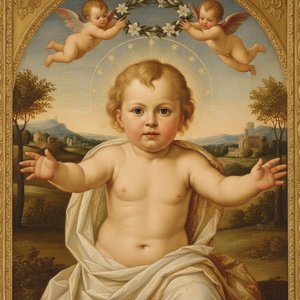 Divine Innocence: A Guide to Capturing the Beauty of Baby Jesus in Fine Art HistoryExplore the profound beauty of Baby Jesus in fine art history. From Raphael's Renaissance masterpieces to symbolic light, discover how clas…