
 Podgląd w skali 1:1
 Wyślij jako kartkę
 Udostępnij
 Szczegóły dzieła
 Przewodnik

 Pobierz obraz
 Podobne obiekty
 RTG
RTG Pokaz slajdów
 Q&A
Q&A Statystyki
Intellectual Depression

- 2020.0 x 2420.0 cm


 Rozwiń treść
Dzieło sztuki prezentowane na tej stronie podlega ochronie prawem autorskim, co oznacza, że nie mamy prawa do tworzenia ani sprzedaży jego identycznej reprodukcji. Ochrona ta jest egzekwowana na mocy umów międzynarodowych, takich jak Konwencja berneńska oraz przez przepisy prawa krajowego, w tym te określone w Prawo autorskie USA – Tytuł 17.
Metoda ta jest w pełni zgodna z przepisami prawa autorskiego, ponieważ nie polega na kopiowaniu ani powielaniu chronionego dzieła. Stanowi ona kreatywną reinterpretację – nowy obraz, który czerpie inspirację z oryginału, ale nie jest z nim tożsamy.
Giclée / Wydruk artystyczny
Wydruki giclée lub płótna o jakości muzealnej, szybka realizacja i szeroki wybór opcji wykończenia. ( Zamów ręcznie malowaną reprodukcję Przejdź do wersji cyfrowej)




P118B zł10

P118H zł10

P118W zł10

P438Z zł10

P508JH zł12

P508YH zł12

P805H zł10

P805Z zł10

P919BZ zł10

P919G zł10

P919XJ zł10

P959ZH zł10

P968JZ zł12

W106C zł8

W218G zł10

W218JH zł8

W218Y zł10

W307PJ zł10

W316G zł10

W316PJ zł8

W316Y zł10

W398PJ zł8

W4111J zł10

W500HY zł15

W500JH zł15

W692G zł12

W849H zł8

W940BG zł15

W953PJ zł8




Wybierz spośród naszych standardowych rozmiarów, które zachowują oryginalne proporcje dzieła sztuki.

Wpisz wymaganą szerokość i wysokość, aby dopasować grafikę do ramy lub ściany. Wydruk można jedynie przyciąć, nigdy nie powiększając go poza oryginalny obraz, dlatego format o innych proporcjach spowoduje utratę części kompozycji. Przed rozpoczęciem druku prześlemy Ci cyfrowy podgląd do zatwierdzenia. Obraz wyświetlany na tej stronie nie pokazuje rzeczywistego przycięcia — jedynie podgląd oddaje ten efekt.
Dostawa na cały świat () w ciągu 2 tygodni zamiast standardowych 4/5 tygodni. (2 Listopad)

Bezpłatna ekspresowa wysyłka na cały świat

Wysokiej jakości płótno lniane

Pełne ubezpieczenie przesyłki

Gwarancja zwrotu należności celnych i podatków importowych

Gwarancja wiernego odwzorowania kolorów

100-dniowa polityka zwrotów (tylko w przypadku wad)

Gwarancja 100% zwrotu pieniędzy

Zniżka przy zakupie wielu sztuk
 Opcja ze szkłem jest dostępna wyłącznie w rozmiarach poniżej 110 cm

Intellectual Depression
Giclée / Wydruk artystyczny
Wymiary reprodukcji
-


Cena całkowita
zł 312
Pytania i odpowiedzi
Jakie miejsce w dorobku twórczym Sir George Gilbert Scott zajmuje dzieło "Intellectual Depression"?
W dorobku Sir George Gilbert Scott, "Intellectual Depression" wpisuje się w styl Contemporary Art, nawiązując do tematów takich jak death and decay themes, human condition focus, contrast to brighter works, london urban imagery.
Czy kolory w „Intellectual Depression” – Sir George Gilbert Scott są nasycone, czy stonowane?
Kolory dzieła „Intellectual Depression” – Sir George Gilbert Scott charakteryzują się Vivid Color nasyceniem oraz Vivid intensywnością.
Czy dzieło „Intellectual Depression” – Sir George Gilbert Scott, znajdujące się w zbiorach British Council, może być legalnie reprodukowane?
Status praw autorskich do dzieła „Intellectual Depression” – Sir George Gilbert Scott jest jasny: utwór znajduje się w nadal objęte ochroną prawa autorskiego. Jego obecność w British Council nie zmienia tego stanu rzeczy.
Biografia artysty
The Architect of Victorian Grandeur
To walk through the heart of London or traverse the historic landscapes of Britain is to encounter the enduring legacy of Sir George Gilbert Scott. A titan of the nineteenth century, Scott did not merely design buildings; he sculpted the very atmosphere of the Victorian era. His life was a profound journey through the revival of medieval splendor, a pursuit that sought to breathe new life into the stone and mortar of a rapidly industrializing world. Born into an architectural dynasty, his path was paved by the influence of his father, Sir Gilbert Scott, yet George possessed a singular vision that would allow him to transcend mere imitation, establishing himself as a master of the Gothic Revival movement.
His early years were defined by a rigorous apprenticeship within the family tradition, where he absorbed the meticulous discipline required to honor historical precedents. This foundation allowed him to approach architecture not just as an engineer, but as a storyteller. He understood that every arch, every ribbed vault, and every intricate carving could serve as a vessel for spiritual and national identity. As his career progressed, Scott became a pivotal figure in reclaiming the grandeur of the Middle Ages, rejecting the cold rationality of Neoclassicism in favor of a more emotive, textured, and spiritually resonant aesthetic.
A Legacy Carved in Stone
The sheer scale of Scott’s contribution to the British landscape is staggering. His portfolio, which includes over 800 designs and restorations, reflects a man capable of navigating both the monumental and the intimate. He was a master of the Gothic Revival, a style characterized by its soaring verticality and complex ornamentation. Through his work, he brought back the dramatic interplay of light and shadow found in ancient cathedlamls, utilizing stained glass and sculptural details to create spaces that felt both timeless and divine.
Among his most celebrated achievements are structures that have become synonymous with British heritage:
- The Midland Grand Hotel at St Pancras Station: A breathtaking masterpiece of Victorian Gothic design that remains one of London's most iconic landmarks.
- The Albert Memorial: A grand, ornate tribute to Prince Albert, showcasing Scott's ability to handle immense sculptural complexity and symbolic depth.
- The Foreign and Commonwealth Office: An exquisite example of how he could apply historical grandeur to the essential civic institutions of the British Empire.
- Ecclesiastical Masterworks: His extensive work on cathedrals and churches across the United Kingdom, where he restored and reimagined sacred spaces to evoke a sense of the sublime.
The Spirit of the Gothic Revival
Beyond the physical structures, Scott’s true achievement lay in his ability to harmonize the ancient with the modern. While his heart belonged to the medieval aesthetic, he was no stranger to the technological advancements of his time. He skillfully integrated contemporary engineering and new materials into his designs, ensuring that his Gothic visions possessed the structural integrity required for the burgeoning urban centers of the nineteenth century. This synthesis of old-world charm and new-world innovation allowed his buildings to stand as resilient monuments to progress.
His influence extended far beyond his own drafting table, shaping the tastes of an entire generation of architects and designers. By championing a style that emphasized craftsmanship, detail, and historical continuity, he provided a sense of stability and beauty during a period of unprecedented social change. Today, when we gaze upon the intricate facades of his London landmarks or the solemn arches of his restored churches, we are not just looking at architecture; we are witnessing the enduring heartbeat of the Victorian spirit, preserved forever through the visionary hand of Sir George Gilbert Scott.

Krótka nota
- Artistic Movement Or Style: Gothic Revival
- Artists Or Movements Influenced By This Artist: ['Victorian Architecture']
- Artists Who Influenced This Artist: ['Charles Barry']
- Date Of Birth: October 8, 1839
- Date Of Death: May 6, 1897
- Full Name: George Gilbert Scott
- Nationality: British
- Notable Artworks:
- Liverpool Cathedral
- Battersea Power Station
- Leeds General Infirmary
- St Pancras Hotel
- Place Of Birth: London, England
Powiązane artykuły
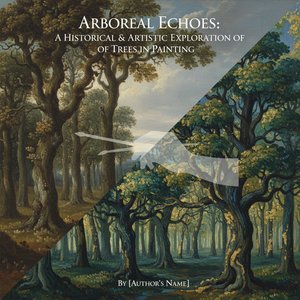
Arboreal Echoes: A Historical & Artistic Exploration of Trees in Painting
Explore the rich history of trees in painting! Discover symbolism, Romantic masterpieces by Caspar David Friedrich & beyond. A curated journey for art enthusiasts.

Czarne arcydzieła: Top 10 słynnych obrazów pełnych mroku i ekspresji | OriginalUniqueArt.com
Odkryj 10 słynnych obrazów, w których czerń króluje! Poznaj historie artystów, ekspresjonizm i mroczną paletę barw. Reprodukcje dzieł sztuki najwyższej jakości na OriginalUniqueArt.com – inspiracje do wnętrz i kolekcjonerstwo.

Drzewa w malarstwie: Historia, symbolika i artystyczne interpretacje od antyku do współczesności
Odkryj fascynującą historię drzew w malarstwie! Poznaj symbolikę, interpretacje i wpływ tego archetypu na sztukę od antyku do współczesności. Ekspercka analiza dla miłośników historii sztuki.
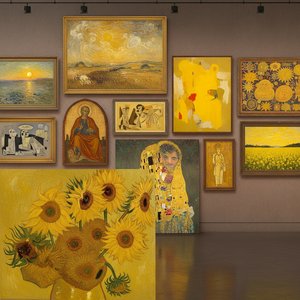
Top 10 Arcydzieł w Odcieniach Chromowej Żółci – Inspiracje do Wnętrz od OriginalUniqueArt
Odkryj 10 arcydzieł sztuki, w których króluje chromowa żółć! Van Gogh, Monet, Renoir i inni mistrzowie. Inspiracje wnętrzarskie i reprodukcje obrazów najwyższej jakości na OriginalUniqueArt.com. Eksploruj pełną kolekcję online!
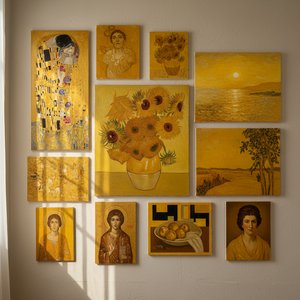
Top 10 Sławnych Obrazów w Odcieniach Ochry Żółtej – Sztuka i Dekoracja Domu
Odkryj 10 najsłynniejszych obrazów w odcieniach ochry żółtej! Van Gogh, Monet i inni mistrzowie. Poznaj historię sztuki, inspiracje kolorystyczne i techniki malarskie. Reprodukcje najwyższej jakości na OriginalUniqueArt.com – udekoruj swój dom arcydziełami!