

 Podgląd w skali 1:1
 Wyślij jako kartkę
 Udostępnij
 Szczegóły dzieła
 Przewodnik

 Pobierz obraz
 Podobne obiekty
 RTG
RTG Pokaz slajdów
 Statystyki
In the Barn


 Rozwiń treść
Ręcznie malowana reprodukcja olejowa
Ręcznie malowany obraz olejny na płótnie, wykonany na zamówienie przez naszych artystów w wybranym przez Ciebie wymiarze i oprawie. ( Przełącz na wydania drukowane Przejdź do wersji cyfrowej)




P118B zł10

P118H zł10

P118W zł10

P438Z zł10

P508JH zł12

P508YH zł12

P805H zł10

P805Z zł10

P919BZ zł10

P919G zł10

P919XJ zł10

P959ZH zł10

P968JZ zł12

W106C zł8

W218G zł10

W218JH zł8

W218Y zł10

W307PJ zł10

W316G zł10

W316PJ zł8

W316Y zł10

W398PJ zł8

W4111J zł10

W500HY zł15

W500JH zł15

W692G zł12

W849H zł8

W940BG zł15

W953PJ zł8




Wybierz spośród naszych standardowych rozmiarów, które zachowują oryginalne proporcje dzieła sztuki.

Wpisz wymaganą szerokość i wysokość, aby obraz pasował do Twojej ramy lub ściany. Ponieważ jest to dzieło malowane ręcznie, w przypadku rozmiaru o innych proporcjach artysta może domalować nieco więcej wokół obrazu lub przyciąć jego fragmenty — wybór należy do Ciebie. Przed rozpoczęciem pracy prześlemy Ci cyfrową wizualizację do zatwierdzenia. Obraz widoczny na tej stronie nie przedstawia rzeczywistego efektu — jedynie wizualizacja oddaje realny rezultat.
Po złożeniu zamówienia zespół OriginalUniqueArt.com skontaktuje się z klientem drogą mailową w celu uzyskania instrukcji i prześle wizualizację projektu
Dostawa na całym świecie () w ciągu 3–4 tygodni zamiast standardowych 5 tygodni. (25 Październik). Bez kompromisów w kwestii jakości.

Bezpłatna ekspresowa wysyłka na cały świat

Wysokiej jakości płótno lniane

Pełne ubezpieczenie przesyłki

Gwarancja zwrotu należności celnych i podatków importowych

Gwarancja wiernego odwzorowania kolorów

100-dniowa polityka zwrotów (tylko w przypadku wad)

Gwarancja 100% zwrotu pieniędzy

Zniżka przy zakupie wielu sztuk
 Opcja ze szkłem jest dostępna wyłącznie w rozmiarach poniżej 110 cm

In the Barn
Technika reprodukcji
Wymiary reprodukcji
-


Cena całkowita
zł 1151
A Portrait of Rural England: Exploring Sir George Clausen’s “In The Barn”
The painting "In The Barn," completed in 1902 by Sir George Clausen, stands as a testament to the British Impressionist movement's fascination with capturing fleeting moments of beauty within everyday life. More than just a depiction of agricultural labor—though undeniably present—the artwork delves into themes of camaraderie, resilience, and the quiet dignity inherent in rural existence, offering viewers a glimpse into a pivotal period of British history.Subject Matter & Composition
Clausen’s canvas portrays a barn interior bathed in dappled sunlight filtering through cracks in the roof tiles. Several figures inhabit the space: two men standing shoulder-to-shoulder near the left side of the barn, and another individual positioned slightly further back towards the center. The artist meticulously renders the textures of hay bales—the rough weave of straw interspersed with flecks of dried grass—creating a palpable sense of warmth and materiality. Notably, Clausen incorporates avian imagery – a bird perched atop the roofline on the right side and another nestled amongst the haystacks – symbolizing hope and observation amidst the rustic setting. The composition itself is deliberately balanced, guiding the eye across the scene with subtle diagonals that emphasize both spatial depth and human connection.Stylistic Influences & Technique
Clausen’s artistic approach firmly rooted in Impressionism distinguishes him from his academic predecessors. Like Monet and Renoir, he prioritizes capturing the effects of light on color—a technique known as *plein air* painting—allowing him to translate the immediacy of observation onto canvas. Clausen skillfully employs broken brushstrokes and layering of pigments to achieve a luminous quality that mimics the way sunlight illuminates surfaces. The artist’s palette leans towards muted earth tones – ochres, browns, greens – reflecting the dominant colors of the rural landscape he portrays. However, Clausen avoids the purely decorative tendencies of Impressionism, instead imbuing his work with a palpable sense of realism and emotional resonance.Historical Context & Societal Significance
“In The Barn” was created during a period of significant social transformation in Britain—the Edwardian era—characterized by rapid industrialization alongside a growing appreciation for the pastoral ideal. Clausen’s depiction aligns perfectly with this cultural shift, reflecting anxieties about the encroaching influence of urban life and celebrating the enduring values of rural communities. The painting speaks to the importance of labor and craftsmanship – embodied in the figures within the barn – as sources of pride and stability amidst uncertainty. Furthermore, it embodies a humanist sensibility that champions empathy for ordinary people and acknowledges their role in shaping national identity.Symbolism & Emotional Impact
Beyond its visual representation, “In The Barn” resonates with deeper symbolic meanings. The birds represent vigilance and connection to nature—a reminder of the beauty and tranquility that can be found outside the confines of industrial society. The men standing together symbolize solidarity and mutual support – values crucial for navigating challenging times. Clausen’s masterful use of light and color evokes a feeling of comfort, nostalgia, and understated optimism. It invites viewers to contemplate not only the physical environment but also the human spirit—its capacity for resilience, compassion, and appreciation for simple pleasures.Conclusion
Sir George Clausen's “In The Barn” transcends mere landscape painting; it’s an evocative portrait of a bygone era imbued with humanist values and artistic innovation. Its enduring appeal lies in its ability to capture the essence of rural England—a place of beauty, labor, and human connection—and to convey a profound emotional response that continues to inspire audiences today. Reproductions of this remarkable artwork offer collectors and interior designers alike an opportunity to experience firsthand the legacy of Impressionism’s embrace of natural light and its unwavering commitment to portraying the dignity of everyday life.Pytania i odpowiedzi
Ilu użytkowników ogląda "In the Barn"?
Statystyki dotyczące „In the Barn” – George Clausen znajdują się na stronie Statystyki wyświetleń dzieła: obejmują one miesięczną liczbę odwiedzin danego dzieła, wizyty przy pracach artysty oraz podział ostatnich odwiedzających według krajów i języków.
Gdzie mogę obejrzeć „In the Barn” – George Clausen w formie pokazu slajdów?
Prezentację slajdów utworu "In the Barn" można obejrzeć na stronie Prezentacja slajdów tego dzieła.
Jakie miejsce w historii sztuki zajmuje „In the Barn” – George Clausen?
„In the Barn” – George Clausen należy do nurtu Impressionism, przypadającego na okres 19th Century. Razem nadają one dziełu jego miejsce w historii sztuki.
Biografia artysty
A Life Painted in Light: The World of Sir George Clausen
Sir George Clausen, a name perhaps less immediately recognized than some of his Impressionist contemporaries, nevertheless occupies a vital and uniquely British space within the history of late 19th and early 20th century art. Born in London in 1852, his life spanned an era of immense social and artistic change, and his canvases reflect both the enduring beauty of the English countryside and the profound anxieties of a world grappling with modernity and war. Clausen wasn’t merely *influenced* by Impressionism; he adapted its principles to create something distinctly his own – a style that blended fleeting moments of light and atmosphere with a deep-seated empathy for rural life and the dignity of labor. His journey began within the traditional confines of academic training at the Royal Academy Schools, but a restless spirit and an observant eye soon led him towards more progressive artistic horizons. Travel throughout Europe proved formative, exposing him to the burgeoning Impressionist movement in France and instilling a passion for *plein air* painting – capturing the immediacy of light and atmosphere directly from nature.From Rural Idylls to Scenes of Modern Life
Clausen’s artistic output is characterized by a remarkable sensitivity to his subjects, whether they be sweeping landscapes or intimate portraits of everyday people. He found inspiration in the rhythms of agricultural life, depicting scenes of harvesting, ploughing, and gleaning with an almost reverential attention to detail. Paintings like *Bird Scaring*, *Girl*, and *Ploughing* aren’t simply depictions of rural labor; they are celebrations of the human connection to the land, imbued with a sense of quiet dignity and poetic beauty. He possessed an extraordinary ability to capture the transient effects of light – the golden glow of sunset on a field, the dappled shade beneath a hedgerow – lending his landscapes a luminous quality that is both captivating and emotionally resonant. However, Clausen’s vision wasn't limited to idyllic rural scenes. He also explored themes of modern life, portraying bustling streets and intimate domestic interiors with equal skill and sensitivity. *The Chinese Pot*, for example, showcases his mastery of light and shadow in an interior setting, capturing a moment of quiet contemplation. He didn’t shy away from the complexities of the changing world, but approached them with a nuanced understanding and a compassionate eye.A Founder of Change: The New English Art Club
Clausen’s commitment to artistic innovation extended beyond his own practice. He was a key figure in the formation of the New English Art Club in 1886, a group that challenged the conservative conventions of the Royal Academy and championed a more progressive approach to painting. The NEAC provided a platform for artists who sought to break free from academic constraints and embrace looser brushwork, bolder colors, and a greater emphasis on capturing subjective experience. This act of artistic rebellion solidified Clausen’s position as a leading voice in the British art world, demonstrating his dedication to fostering creativity and challenging established norms. His election as a Royal Academician in 1906 signaled a broader acceptance of these new ideas within the mainstream art establishment, though he never abandoned his commitment to independent artistic expression. He believed strongly in the power of artists to shape perceptions and reflect the realities of their time.The Shadow of War: Witnessing a Changing World
The outbreak of World War I profoundly impacted Clausen’s life and work. Appointed as an official war artist, he documented the conflict through both paintings and lithographs, offering a poignant glimpse into the realities of wartime experience. However, it was a deeply personal tragedy that arguably had the most profound effect on his art. The loss of his daughter's fiancé during the war inspired *Youth Mourning*, a hauntingly beautiful painting depicting a young woman consumed by grief in a desolate landscape. This work is not merely a depiction of sorrow; it’s an embodiment of the collective trauma experienced by a nation grappling with unimaginable loss. His contribution to the print portfolio *Britain's Efforts and Ideals* through six lithographs further demonstrates his commitment to documenting the war effort, showcasing the industrial production supporting the troops at the front. This period marked a shift in Clausen’s artistic focus, moving from idyllic scenes of rural life to more somber reflections on the human cost of conflict.Legacy and Lasting Influence
Sir George Clausen died in 1944, leaving behind a rich and diverse body of work that continues to resonate with audiences today. His historical significance lies not only in his contribution to the development of British Impressionism but also in his ability to capture the essence of a changing world with sensitivity, skill, and profound emotional depth. He successfully bridged the gap between traditional academic techniques and modern artistic sensibilities, creating a style that was both innovative and deeply rooted in English artistic traditions. Here are some key achievements:- Elected Royal Academician
- Founder of the New English Art Club
- Rural life
- Light and atmosphere
- Human figures
- War art
- Impressionism
- Jules Bastien-Lepage
- Plein air painting

George Clausen
1852 - 1944 , Wielka Brytania
Krótka nota
- Artistic Movement Or Style: Impressionizm
- Artists Or Movements Influenced By This Artist: ['New English Art Club']
- Artists Who Influenced This Artist: ['Jules Bastien-Lepage']
- Date Of Birth: 1852
- Date Of Death: 1944
- Full Name: Sir George Clausen
- Nationality: Brytyjski
- Notable Artworks:
- The Chinese Pot
- Little White Roses
- Youth Mourning
- Place Of Birth: Londyn, Wielka Brytania
Powiązane artykuły

Sir Alfred James Munnings: 25 Arcydzieł Malarstwa Koni i Angielskiej Wsi | OriginalUniqueArt.com
Odkryj 25 arcydzieł Sir Alfreda Jamesa Munningsa – mistrza malarstwa koni i angielskiego krajobrazu. Poznaj historię, technikę i piękno jego obrazów. Reprodukcje najwyższej jakości na OriginalUniqueArt.com! Eksploruj pełną kolekcję online.

Sir George Clausen: Capturing Edwardian Life & British Impressionism's Nuances
Explore the luminous world of Sir George Clausen, a leading British Impressionist painter. Discover his captivating scenes of Edwardian life, rural England & poignant war art. Learn about his legacy and find high-quality reproductions at OriginalUniqueArt.
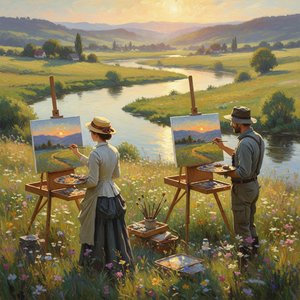
Uchwycenie ulotnego światła: Malarstwo plenerowe od impresjonizmu do współczesności
Odkryj fascynującą historię malarstwa plenerowego – od impresjonizmu po współczesność! Poznaj techniki Moneta i van Gogha, inspiracje oraz kolekcje arcydzieł dostępne w OriginalUniqueArt.com.

Philip Connard: A Study in British Impressionism & the Evocation of Rural England
Explore the captivating world of Philip Connard (1875-1958), a leading British Impressionist painter renowned for his decorative landscapes and wartime artistry. Discover his life, legacy & available artworks at OriginalUniqueArt.

Impressionizm w Obrazach: 10 Arcydzieł Pełnych Światła i Koloru | OriginalUniqueArt
Odkryj 10 arcydzieł impresjonizmu! Poznaj historie Claude Moneta, Degasa i Van Gogha. Reprodukcje obrazów najwyższej jakości – pejzaże pełne światła i koloru do Twojego wnętrza. OriginalUniqueArt.