

 Zobacz w skali 1:1
 Wyślij
 Udostępnij
 Szczegóły

 Pobierz plik obrazu
 Podobne obiekty
 RTG
RTG Pokaz slajdów
 Statystyki
Mrs Ellinor Guthrie
 Oil On Canvas
- WallArt
- Pre-Raphaelite Style
 1865
1865- 19th Century
 211.0 x 138.0 cm
 Yale Center for British Art
 Czytaj więcej
Giclée / Wydruk artystyczny
Wydruki giclée lub płótna o jakości muzealnej, szybka realizacja i szeroki wybór opcji wykończenia. ( Kup ręcznie malowany obraz Przełącz na wersję cyfrową)




P118B $10

P118H $10

P118W $10

P438Z $10

P508JH $12

P508YH $12

P805H $10

P805Z $10

P919BZ $10

P919G $10

P919XJ $10

P959ZH $10

P968JZ $12

W106C $8

W218G $10

W218JH $8

W218Y $10

W307PJ $10

W316G $10

W316PJ $8

W316Y $10

W398PJ $8

W4111J $10

W500HY $15

W500JH $15

W692G $12

W849H $8

W940BG $15

W953PJ $8




Wybierz spośród naszych standardowych rozmiarów, które zachowują oryginalne proporcje dzieła sztuki.

Możesz wprowadzić własne wymiary, aby dopasować dzieło do konkretnej ramy lub przestrzeni. Jeśli wybrany rozmiar nie będzie odpowiadał proporcjom oryginalnego obrazu, przytniecie dzieło lub rozszerzymy obraz za pomocą odbicia lustrzanego lub jednolitego wypełnienia krawędzi. Przed rozpoczęciem produkcji prześlemy cyfrową wizualizację do Twojej akceptacji.
Prosimy pamiętać, że podgląd na ekranie nie odzwierciedla faktycznego przycinania ani rozszerzania. Tylko wizualizacja dokładnie pokaże końcową kompozycję.
Mimo dostępności niestandardowych rozmiarów, zalecamy wybór wymiaru z listy zdefiniowanej, aby zachować oryginalne proporcje.
Dostawa na cały świat () w ciągu 2 tygodni zamiast standardowych 4/5 tygodni. (17 Wrzesień)

Bezpłatna ekspresowa wysyłka na cały świat

Wysokiej jakości płótno lniane

Pełne ubezpieczenie transportowe

Gwarancja zwrotu należności celnych i podatków importowych

Gwarancja idealnego odwzorowania barw

100-dniowy okres na zwrot dzieła w przypadku wykrycia wad produkcyjnych

Gwarancja 100% zwrotu pieniędzy

Oferta przy zakupie wielu sztuk
 Opcja ze szkłem jest dostępna wyłącznie w rozmiarach poniżej 110 cm

Mrs Ellinor Guthrie
Giclée / Wydruk artystyczny
Rozmiar reprodukcji
-


Suma do zapłaty
$ 80
A Vision of Victorian Grace: Exploring Mrs Ellinor Guthrie
To stand before Mrs Ellinor Guthrie is to step directly into the opulent, yet exquisitely refined, world of the Victorian era. Painted by the masterful Sir Frederic Lord Leighton in 1865, this oil on canvas transcends a mere portrait; it is a carefully composed tableau vivant of elegance and quiet dignity. The subject, Mrs. Ellinor Guthrie, is captured in a moment that feels both intensely personal and timelessly grand. Her attire, rendered in deep, somber blacks, speaks to the formality of her time, yet this darkness is beautifully offset by the delicate blush of the flowers she holds—a gentle counterpoint to the gravity of her presentation.
The Artistry of Leighton: Technique and Style
Leighton’s technique here is a masterclass in academic finish. One can observe the meticulous handling of the oil paint, allowing light to play across the folds of her dress and illuminate the subtle contours of her face. His style embodies that perfect blend of classical idealism with palpable realism. While his reverence for antiquity informs the composition's poise, the execution retains a vibrant, almost sensual quality characteristic of high Victorian portraiture. The artist possessed an unparalleled ability to imbue fabric and flesh with luminosity, making the canvas feel less like paint on wood and more like captured sunlight.
Symbolism in Still Life: The Language of Flowers
The flowers held by Mrs. Guthrie are not simply decorative accents; they function as potent symbols within the painting's narrative structure. In Mrs Ellinor Guthrie, these blooms carry the weight of unspoken emotion—perhaps remembrance, perhaps fleeting beauty, or a quiet declaration of affection. They introduce an organic softness against the structured formality of her gown and bearing. Art lovers often find themselves contemplating what story these specific blossoms tell; are they symbols of transience, mirroring the ephemeral nature of youth, or do they speak to enduring domestic grace?
A Touch for the Modern Collector
For those who appreciate the depth of historical artistry, this piece offers an unparalleled window into 19th-century aristocratic life. Whether you are curating a drawing-room that whispers tales of bygone eras or seeking a focal point imbued with classical beauty, a high-quality reproduction of Mrs Ellinor Guthrie brings that sophisticated ambiance home. It is an artwork that demands contemplation, inviting the viewer to slow down and appreciate the artistry—the poise, the texture, the enduring grace—that Leighton so brilliantly preserved on canvas.
Biografia artysty
A Life Bathed in Light: The World of Sir Frederic Leighton
Sir Frederic Lord Leighton, a name synonymous with Victorian elegance and classical grandeur, was born in Scarborough, England, in 1830. His life unfolded within the privileged embrace of his family’s legacy—his grandfather, a physician to the Russian Tsars, had amassed considerable wealth, providing young Frederic with an unparalleled opportunity to pursue his artistic ambitions without the constraints often faced by artists of the era. This early advantage fueled a relentless curiosity for the classical world, leading him on extensive travels throughout Europe – Italy, Germany, and France – where he immersed himself in the artistic currents of each nation. These formative years were marked by study under masters like Eduard von Steinle and Giovanni Costa, shaping his distinctive style: a harmonious blend of academic precision, Pre-Raphaelite sensuality, and an unwavering reverence for antiquity. A particularly memorable event during his youth occurred at seventeen when he encountered the philosopher Arthur Schopenhauer in Frankfurt, resulting in the only known full-length portrait of the famously reclusive thinker – a testament to Leighton’s intellectual depth and fascination with the complexities of human existence.The Painterly Embrace of Myth and History
Leighton's artistic career flourished during an era deeply captivated by historical narratives, biblical tales, and classical mythology. He didn’t merely illustrate these subjects; he *inhabited* them, meticulously researching costumes, settings, and the subtle nuances of ancient life to create works that felt both authentic and dramatically compelling. His paintings weren't simple depictions—they were immersive experiences, transporting viewers to worlds populated by gods, heroes, and forgotten empires. Clytie, perhaps his most celebrated work, exemplifies this approach. The painting portrays the nymph Clytie, transformed into a sunflower, eternally yearning for Apollo’s attention. It’s not just a beautiful image; it's an exploration of unrequited love, longing, and the transformative power of nature—rendered with breathtaking detail and a luminous quality that seems to emanate from within. Similarly, The Daphnephoria, depicting a procession honoring Apollo, showcases Leighton’s mastery of composition, color, and his ability to capture movement and energy on canvas. He deliberately embraced opulent textures, rich fabrics, and dramatic lighting – elements that contributed significantly to the sheer visual splendor of his work. His meticulous attention to detail extended beyond mere representation; he sought to evoke a sense of atmosphere and emotion, drawing viewers into the heart of the narrative.Beyond the Canvas: Sculpture and Architectural Vision
While primarily recognized as a painter, Leighton’s artistic ambitions transcended the two-dimensional realm. He was a gifted sculptor, and his Athlete Wrestling with a Python, created between 1888 and 1891, marked a pivotal moment in British sculpture—often credited with initiating a renaissance in contemporary sculptural practice known as the “New Sculpture.” This work, carved from pristine white marble, embodies both physical power and dramatic tension. The sculpture’s dynamic pose and expressive musculature were revolutionary for its time, moving away from the rigid formality of earlier works. But Leighton's creative vision didn’t stop there. He was also an avid collector of art and artifacts, particularly those from the Near East. These treasures weren’t merely displayed; they were integrated into the very fabric of his home, Leighton House in Holland Park, London. Designed by George Aitchison, Leighton House is a masterpiece in its own right—a stunning example of Aestheticism that served as both a residence and a studio. The iconic Arab Hall, with its intricate tilework and soaring arches, stands as a lasting testament to Leighton’s eclectic tastes and his desire to create a total work of art – an environment designed to inspire and nurture his creativity.A Royal Patron and the Shaping of Artistic Taste
Leighton's success wasn't merely due to his artistic talent; he possessed a remarkable ability to navigate the social circles of Victorian England, cultivating relationships with royalty, prominent politicians, and fellow artists. His charm, handsome appearance, cosmopolitan background, and generous nature allowed him to move effortlessly through high society, solidifying his position as one of the era’s most admired figures. He served as President of the Royal Academy from 1878 until his death in 1896, a role he held with distinction, championing artistic excellence and fostering a vibrant creative community. His influence extended beyond the confines of the Academy; he was a respected advisor to Queen Victoria on matters of art and culture, shaping public taste and promoting British art both domestically and internationally. He received numerous honors throughout his career – knighted in 1878, made a baronet in 1886, and remarkably, granted a peerage just one day before his passing—a testament to the immense respect he commanded within the art world and beyond.Legacy and the Echoes of an Era
Leighton's influence on British art is undeniable. His works continue to inspire artists and captivate audiences around the globe. Leighton House Museum stands as a lasting tribute to his artistic vision and remains a vital cultural landmark, offering visitors a glimpse into the world of this extraordinary artist. He represents a fascinating intersection of Victorian ideals, classical influences, and Pre-Raphaelite sensibilities—a unique voice in the history of British art. His legacy is not merely one of aesthetic achievement but also of a life dedicated to the pursuit of beauty, knowledge, and artistic innovation.
Frederik Leighton
1830 - 1896 , Wielka Brytania
Najważniejsze informacje
- Artistic Movement Or Style: Akademicki, Preremplikowy
- Artists Or Movements Influenced By This Artist: ['Nowa rzeźba']
- Artists Who Influenced This Artist:
- Eduard von Steinle
- Giovanni Costa
- Date Of Birth: 3 grudnia 1830
- Date Of Death: 25 stycznia 1896
- Full Name: Sir Frederic Lord Leighton
- Nationality: Brytyjski
- Notable Artworks:
- Clytie
- Flaming June
- Sportowiec walczący z wężem
- Place Of Birth: Scarborough, Anglia
Zobacz także powiązane artykuły

The Pre-Raphaelite Brotherhood: Rediscovering Beauty, Romance, and Medieval Magic in Victorian Art
Embark on a journey through the Pre-Raphaelite Brotherhood. Discover the romantic symbolism, medieval magic, and radical beauty of Rossetti and Burne-Jones in this expert exploration of Victorian art history.

Dante Gabriel Rossetti: 25 Arcydzieł Pełnych Pasji i Symboliki | OriginalUniqueArt
Odkryj 25 najpiękniejszych obrazów Dante Gabriela Rossettiego! Poznaj historię, symbolikę i techniki prerafaelitów. Reprodukcje najwyższej jakości do Twojego wnętrza – OriginalUniqueArt.
The Pre-Raphaelite Brotherhood: Reclaiming Beauty, Nature, and Truth in Victorian Art History
Explore the revolutionary Pre-Raphaelite Brotherhood. Discover how these visionary artists rejected academic tradition to reclaim beauty, nature, and truth through luminous detail and literary depth in Victorian art history.
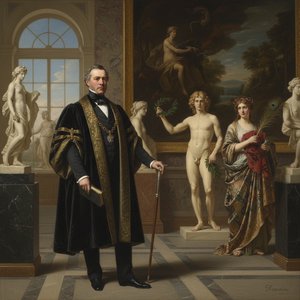
Sir Frederic Leighton: Aestheticism, Academic Mastery & Victorian Masculinity
Explore the life & art of Sir Frederic Leighton, a master of Victorian Aestheticism. Discover his academic training, sculptural innovations, and captivating depictions of beauty. Expert insights for collectors.

Pre-Raphaelite Romanticism: A Guide to Vivid Detail and Medieval Beauty in Victorian Art
Explore the vivid detail and medieval beauty of Pre-Raphaelite Romanticism. Discover the history of masters like Rossetti and Millais through our expert guide to Victorian art, perfect for collectors and professionals seeking authentic, museum-quality reproductions.