Menu
BEZPŁATNA KONSULTACJA ARTYSTYCZNA
Podgląd w skaliPodgląd w skali Podgląd ARPodgląd AR Zamów wydruk Zamów wydrukKup obraz wysokiej rozdzielczości Kup obraz wysokiej rozdzielczości Wyślij jako kartkęWyślij jako kartkę
Szczegóły dziełaSzczegóły dzieła Dodaj do ulubionych Dodaj do ulubionych PobierzPobierz Podobne obiektyPodobne obiekty RTGRTG Pokaz slajdówPokaz slajdów

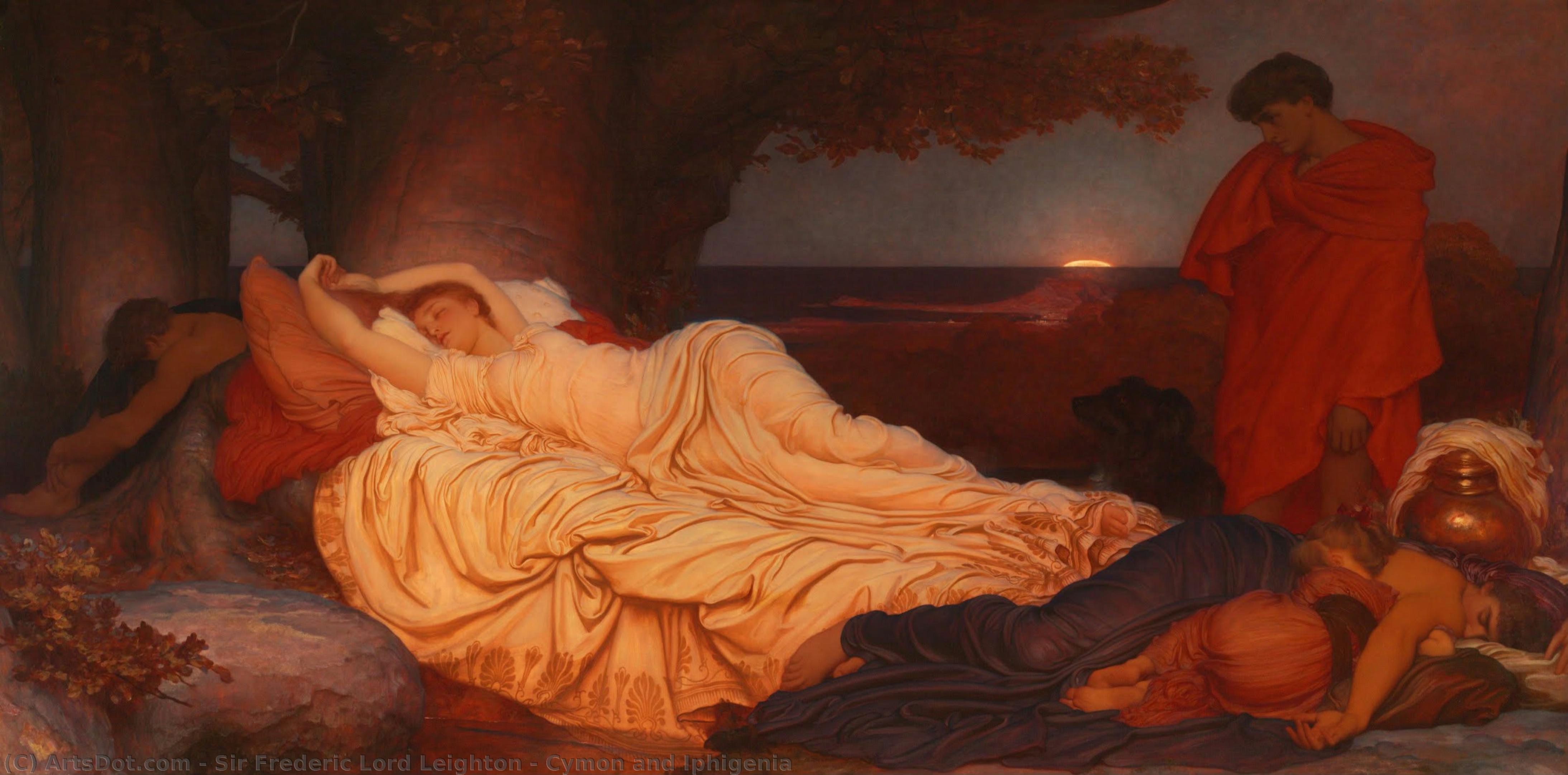
Cymon and Iphigenia

Experience Frederic Leighton's 'Cymon and Iphigenia,' a captivating Victorian masterpiece depicting love & transformation. Explore the painting’s rich details, symbolism, and artistic legacy at the Leighton House Museum.

"meta_description": "Sir Frederic Leighton (1830-1896) – wybitny malarz epoki wiktoriańskiej, znany z monumentalnych obrazów historycznych i mitologicznych, oraz wpływowego projektu domu Leighton House, symbolu estetyki i bogactwa artystycznego."

Ręcznie malowana reprodukcja olejowa

Ręcznie malowany obraz olejny na płótnie, wykonany na zamówienie przez naszych artystów w wybranym przez Ciebie wymiarze i oprawie. (Zamów wydruk Zamów wydrukKup obraz wysokiej rozdzielczości Kup obraz wysokiej rozdzielczości)

P118B $10
P118H $10
P118W $10
P438Z $10
P508JH $12
P508YH $12
P805H $10
P805Z $10
P919BZ $10
P919G $10
P919XJ $10
P959ZH $10
P968JZ $12
W106C $8
W218G $10
W218JH $8
W218Y $10
W307PJ $10
W316G $10
W316PJ $8
W316Y $10
W398PJ $8
W4111J $10
W500HY $15
W500JH $15
W692G $12
W849H $8
W940BG $15
W953PJ $8

Standard
custom
CM
INCH

Wybierz spośród naszych standardowych rozmiarów, które zachowują oryginalne proporcje dzieła sztuki.

szerokość
wysokość

Możesz wprowadzić własne wymiary, aby dopasować obraz do konkretnej ramy lub przestrzeni. Jeśli wybrany rozmiar nie będzie odpowiadał proporcjom oryginału, przytniecie dzieło sztuki lub rozszerzymy je o dodatkowe elementy, ręcznie domalowane przez artystę. Przed rozpoczęciem produkcji wyślemy projekt cyfrowy do Twojej akceptacji.
Należy pamiętać, że podgląd na ekranie nie odzwierciedla rzeczywistego przycinania ani rozszerzania obrazu. Tylko projekt dokładnie pokaże ostateczną kompozycję.
Choć oferujemy możliwość zamówienia niestandardowych rozmiarów, zalecamy wybór wymiaru z gotowej listy, aby zachować oryginalne proporcje dzieła.

Przykłady możliwych zmian: Zamień twarz na zdjęcie klienta; Dodaj zwierzę domowe (np. zamień kota na psa); Ukryj wiadomość w tle; Zmień krajobraz lub elementy tła.
Po złożeniu zamówienia zespół OriginalUniqueArt.com skontaktuje się z klientem drogą mailową w celu uzyskania instrukcji i prześle wizualizację projektu

Dostawa na całym świecie () w ciągu 3–4 tygodni zamiast standardowych 5 tygodni. (22 Sierpień). Bez kompromisów w kwestii jakości.

why_choose_icon
Bezpłatna ekspresowa wysyłka na cały świat
why_choose_icon
Wysokiej jakości płótno lniane
why_choose_icon
Pełne ubezpieczenie przesyłki
why_choose_icon
Gwarancja zwrotu należności celnych i podatków importowych
why_choose_icon
Gwarancja wiernego odwzorowania kolorów
why_choose_icon
Polityka 60-dniowego zwrotu (tylko w przypadku wad)
why_choose_icon
Gwarancja 100% zwrotu kosztów
why_choose_icon
Zniżka przy zamówieniu wielu produktów

Suma całkowita

$ 300

reproduction

Cymon and Iphigenia

Technika reprodukcji

Wymiary reprodukcji

-

Cena całkowita

$ 300

Szybki podgląd

  • Year: 1884
  • Influences:
    • Classical antiquity
    • Romanticism
  • Medium: Oil on canvas
  • Artist: Sir Frederic Leighton
  • Movement: Academic Art
  • Artistic style: Pre-Raphaelite, Classical
  • Subject or theme: Mythological romance

Quiz o sztuce

Do każdego pytania dotyczy tylko jedna poprawna odpowiedź.

Pytanie 1:
What is the primary subject matter of Frederic Leighton’s ‘Cymon and Iphigenia’?
Pytanie 2:
According to the description, what was a key element that influenced Leighton's choice of model for Iphigenia?
Pytanie 3:
In what literary work is the story of Cymon and Iphigenia primarily based?
Pytanie 4:
What artistic movement is Frederic Leighton most closely associated with?
Pytanie 5:
The painting ‘Cymon and Iphigenia’ was first exhibited at which prestigious art institution?

Opis dzieła

A Vision of Ideal Beauty: Frederic Leighton’s “Cymon and Iphigenia”

Frederic Leighton's "Cymon and Iphigenia," painted in 1884, isn’t merely a depiction of Greek myth; it’s a carefully constructed tableau of Victorian ideals – a testament to beauty, virtue, and the transformative power of love. Leighton, already established as a Royal Academician and a master of historical painting, sought to elevate the narrative beyond its original source material, weaving in elements of Pre-Raphaelite sensuality and classical restraint into a scene brimming with quiet drama. The painting immediately draws the eye to Iphigenia, lying gracefully on a mossy bank beneath an ancient tree – her pose suggesting both languor and vulnerability. Her golden hair cascades around her face, illuminated by dappled sunlight that filters through the leaves, while her eyes are closed in peaceful slumber. The artist’s meticulous attention to detail is evident in every curve of her body, every ripple of fabric, and the delicate rendering of the foliage surrounding her.

A Story of Awakening and Moral Ascent

The myth underpinning “Cymon and Iphigenia” originates from Boccaccio’s *Decameron*, a collection of tales set in Florence during the Black Death. The story recounts how the brutish youth Cymon, initially characterized by his rudeness and lack of refinement, encounters the beautiful Iphigenia. Through her presence, he undergoes a profound transformation, shedding his coarse manners and embracing intellectual pursuits – becoming a man of virtue and learning. Leighton cleverly captures this pivotal moment in the narrative, not through overt action but through subtle gestures and expressions. Cymon stands before her, gazing at her with an expression of rapturous admiration, while Iphigenia’s serene repose suggests that she has already initiated his moral awakening. The inclusion of a young slave girl, Lena, adds another layer to the scene, representing innocence and serving as a visual reminder of the transformative power of beauty.

Technique and Aesthetic Choices

Leighton's mastery is evident in his masterful use of color and light. He employs a muted palette dominated by earthy greens, browns, and golds, creating an atmosphere of tranquility and timelessness. The lighting is particularly noteworthy – it’s diffused and atmospheric, casting long shadows and highlighting the textures of the foliage and Iphigenia's garments. The artist meticulously rendered every detail with painstaking precision, utilizing a smooth, polished technique that reflects his academic training. He drew heavily on classical sculpture for inspiration, evident in the idealized forms of the figures and the careful arrangement of the composition. The background landscape is deliberately vague, allowing the viewer’s attention to remain focused on the central figures. The use of a dark, almost velvety moss beneath Iphigenia further emphasizes her vulnerability and purity.

Symbolism and Victorian Ideals

“Cymon and Iphigenia” is deeply rooted in the artistic and social conventions of Victorian England. The painting embodies several key ideals prevalent during that era: the celebration of beauty, the pursuit of virtue, and the reverence for classical antiquity. Leighton’s choice to depict a mythological scene rather than a contemporary subject allowed him to explore these themes within a framework of idealized beauty and moral instruction. The image speaks to the Victorian fascination with both Greek mythology and the concept of “moral education,” where art was seen as a tool for shaping virtuous citizens. Furthermore, the painting reflects Leighton’s own personal interests – his love of classical sculpture and his desire to create works that were both aesthetically pleasing and morally uplifting. The overall effect is one of serene contemplation, inviting viewers to reflect on the timeless themes of beauty, virtue, and transformation.

A Legacy of Beauty: Reproductions and Inspiration

Today, “Cymon and Iphigenia” remains a beloved masterpiece, admired for its exquisite detail, evocative atmosphere, and profound symbolism. High-quality reproductions capture the painting’s luminous quality and intricate details, making it accessible to a wider audience. Its themes continue to resonate with art lovers and interior designers alike, who appreciate its timeless beauty and its ability to evoke a sense of tranquility and contemplation. When selecting a reproduction, consider the scale and framing options to best complement your space – allowing this iconic work of art to grace your home and inspire generations to come.

O artyście

A Life Bathed in Light: The World of Sir Frederic Leighton

Sir Frederic Lord Leighton, a name synonymous with Victorian elegance and classical grandeur, was born in Scarborough, England, in 1830. His life unfolded within the privileged embrace of his family’s legacy—his grandfather, a physician to the Russian Tsars, had amassed considerable wealth, providing young Frederic with an unparalleled opportunity to pursue his artistic ambitions without the constraints often faced by artists of the era. This early advantage fueled a relentless curiosity for the classical world, leading him on extensive travels throughout Europe – Italy, Germany, and France – where he immersed himself in the artistic currents of each nation. These formative years were marked by study under masters like Eduard von Steinle and Giovanni Costa, shaping his distinctive style: a harmonious blend of academic precision, Pre-Raphaelite sensuality, and an unwavering reverence for antiquity. A particularly memorable event during his youth occurred at seventeen when he encountered the philosopher Arthur Schopenhauer in Frankfurt, resulting in the only known full-length portrait of the famously reclusive thinker – a testament to Leighton’s intellectual depth and fascination with the complexities of human existence.

The Painterly Embrace of Myth and History

Leighton's artistic career flourished during an era deeply captivated by historical narratives, biblical tales, and classical mythology. He didn’t merely illustrate these subjects; he *inhabited* them, meticulously researching costumes, settings, and the subtle nuances of ancient life to create works that felt both authentic and dramatically compelling. His paintings weren't simple depictions—they were immersive experiences, transporting viewers to worlds populated by gods, heroes, and forgotten empires. Clytie, perhaps his most celebrated work, exemplifies this approach. The painting portrays the nymph Clytie, transformed into a sunflower, eternally yearning for Apollo’s attention. It’s not just a beautiful image; it's an exploration of unrequited love, longing, and the transformative power of nature—rendered with breathtaking detail and a luminous quality that seems to emanate from within. Similarly, The Daphnephoria, depicting a procession honoring Apollo, showcases Leighton’s mastery of composition, color, and his ability to capture movement and energy on canvas. He deliberately embraced opulent textures, rich fabrics, and dramatic lighting – elements that contributed significantly to the sheer visual splendor of his work. His meticulous attention to detail extended beyond mere representation; he sought to evoke a sense of atmosphere and emotion, drawing viewers into the heart of the narrative.

Beyond the Canvas: Sculpture and Architectural Vision

While primarily recognized as a painter, Leighton’s artistic ambitions transcended the two-dimensional realm. He was a gifted sculptor, and his Athlete Wrestling with a Python, created between 1888 and 1891, marked a pivotal moment in British sculpture—often credited with initiating a renaissance in contemporary sculptural practice known as the “New Sculpture.” This work, carved from pristine white marble, embodies both physical power and dramatic tension. The sculpture’s dynamic pose and expressive musculature were revolutionary for its time, moving away from the rigid formality of earlier works. But Leighton's creative vision didn’t stop there. He was also an avid collector of art and artifacts, particularly those from the Near East. These treasures weren’t merely displayed; they were integrated into the very fabric of his home, Leighton House in Holland Park, London. Designed by George Aitchison, Leighton House is a masterpiece in its own right—a stunning example of Aestheticism that served as both a residence and a studio. The iconic Arab Hall, with its intricate tilework and soaring arches, stands as a lasting testament to Leighton’s eclectic tastes and his desire to create a total work of art – an environment designed to inspire and nurture his creativity.

A Royal Patron and the Shaping of Artistic Taste

Leighton's success wasn't merely due to his artistic talent; he possessed a remarkable ability to navigate the social circles of Victorian England, cultivating relationships with royalty, prominent politicians, and fellow artists. His charm, handsome appearance, cosmopolitan background, and generous nature allowed him to move effortlessly through high society, solidifying his position as one of the era’s most admired figures. He served as President of the Royal Academy from 1878 until his death in 1896, a role he held with distinction, championing artistic excellence and fostering a vibrant creative community. His influence extended beyond the confines of the Academy; he was a respected advisor to Queen Victoria on matters of art and culture, shaping public taste and promoting British art both domestically and internationally. He received numerous honors throughout his career – knighted in 1878, made a baronet in 1886, and remarkably, granted a peerage just one day before his passing—a testament to the immense respect he commanded within the art world and beyond.

Legacy and the Echoes of an Era

Leighton's influence on British art is undeniable. His works continue to inspire artists and captivate audiences around the globe. Leighton House Museum stands as a lasting tribute to his artistic vision and remains a vital cultural landmark, offering visitors a glimpse into the world of this extraordinary artist. He represents a fascinating intersection of Victorian ideals, classical influences, and Pre-Raphaelite sensibilities—a unique voice in the history of British art. His legacy is not merely one of aesthetic achievement but also of a life dedicated to the pursuit of beauty, knowledge, and artistic innovation.
Frederik Leighton

Frederik Leighton

1830 - 1896 , Wielka Brytania

Krótka nota

  • Artistic Movement Or Style: Akademicki, Preremplikowy
  • Artists Or Movements Influenced By This Artist: ['Nowa rzeźba']
  • Artists Who Influenced This Artist:
    • Eduard von Steinle
    • Giovanni Costa
  • Date Of Birth: 3 grudnia 1830
  • Date Of Death: 25 stycznia 1896
  • Full Name: Sir Frederic Lord Leighton
  • Nationality: Brytyjski
  • Notable Artworks:
    • Clytie
    • Flaming June
    • Sportowiec walczący z wężem
  • Place Of Birth: Scarborough, Anglia