

 Zobacz w skali 1:1
 Wyślij
 Udostępnij
 Szczegóły
 Przewodnik

 Pobierz plik obrazu
 Podobne obiekty
 RTG
RTG Pokaz slajdów
 Statystyki
Mary Isabella Grant


 Czytaj więcej
Giclée / Wydruk artystyczny
Wydruki giclée lub płótna o jakości muzealnej, szybka realizacja i szeroki wybór opcji wykończenia. ( Kup ręcznie malowany obraz Przełącz na wersję cyfrową)




P118B zł10

P118H zł10

P118W zł10

P438Z zł10

P508JH zł12

P508YH zł12

P805H zł10

P805Z zł10

P919BZ zł10

P919G zł10

P919XJ zł10

P959ZH zł10

P968JZ zł12

W106C zł8

W218G zł10

W218JH zł8

W218Y zł10

W307PJ zł10

W316G zł10

W316PJ zł8

W316Y zł10

W398PJ zł8

W4111J zł10

W500HY zł15

W500JH zł15

W692G zł12

W849H zł8

W940BG zł15

W953PJ zł8




Wybierz spośród naszych standardowych rozmiarów, które zachowują oryginalne proporcje dzieła sztuki.

Wpisz wymaganą szerokość i wysokość, aby dopasować grafikę do ramy lub ściany. Wydruk można jedynie przyciąć, nigdy nie powiększając go poza oryginalny obraz, dlatego format o innym proporcji spowoduje utratę części kompozycji. Przed rozpoczęciem druku prześlemy Ci cyfrowy podgląd do zatwierdzenia. Obraz wyświetlany na tej stronie nie pokazuje rzeczywistego przycięcia — jedynie podgląd oddaje ten efekt.
Dostawa na cały świat () w ciągu 2 tygodni zamiast standardowych 4/5 tygodni. (24 Październik)

Bezpłatna ekspresowa wysyłka na cały świat

Wysokiej jakości płótno lniane

Pełne ubezpieczenie transportowe

Gwarancja zwrotu należności celnych i podatków importowych

Gwarancja idealnego odwzorowania barw

100-dniowy okres na zwrot dzieła w przypadku wykrycia wad produkcyjnych

Gwarancja 100% zwrotu pieniędzy

Oferta przy zakupie wielu sztuk
 Opcja ze szkłem jest dostępna wyłącznie w rozmiarach poniżej 110 cm

Mary Isabella Grant
Giclée / Wydruk artystyczny
Rozmiar reprodukcji
-


Suma do zapłaty
zł 307
Mary Isabella Grant – Odkrywanie Elegancji i Introspekcji Wiejskiego Życia
Mary Isabella Grant, obraz autorstwa Sir Francis Granta, stanowi fascynujące świadectwo ducha XIX wieku oraz umiejętności artystycznych jednego z najbardziej cenionych malarzy epoki. Przypisywany do roku około 1860, dzieło przedstawia młodą kobietę siedzącąjącą się profilowo na tle delikatnego krajobrazu, co natychmiast przyciąga uwagę obserwatora i zaprasza do głębszego zrozumienia jego przesłania.- Kompozycja: Obraz został wykonany pionowo, umieszczając temat lekko po lewej stronie kadru. Jego wzrok skierowany jest ku ziemi, skupiony na czynności szycia – aktywności charakterystycznej dla kobiet tej epoki i symbolizującej domową codzienność oraz umiejętności twórcze. Znaczną rolę odgrywa ciemna korona drzewa po lewej stronie obrazu, która stanowi punkt stabilizacji wizualnej i dodaje głębi kompozycji. Krajobraz za kobietą został delikatnie rozmazany, sugerując odległość i atmosferyczne efekty perspektywy powietrznej.
- Paleta kolorystyczna: Dominują stonowane barwy ziemne z akcentami błękitu i bielą. Głębokie zielenie, brązy oraz czernie stanowią tło oraz elementy garderoby postaci, podczas gdy jaśniejsze odcienie wykorzystano do przedstawienia skóry i materiałów szydełkowych.
- Linia: Linie obrazu są przede wszystkim konturami ciała kobiety oraz szczegółami jej sukienki. Korona drzewa została namalowana mocnymi liniami pionowymi, kontrastującymi z miękkimi krzywiznami sylwetki postaci. Delikatne linie wyznacza faktura szydełka, dodając obrazowi tekstury i realizmu.
- Technika: Wykorzystano technikę olejną na płótnie, która pozwala osiągnąć głębokie kolory oraz doskonałą teksturę powierzchni. Malarz zastosował wielowarstwową metodę malowania, stopniowo budując obraz poprzez nakładanie kolejnych warstw pigmentów i delikatne mieszanie kolorów. Szczególną uwagę zwrócono na uzyskanie realistycznej faktury tkanin oraz skóry kobiety – osiągnięto ją dzięki umiejętnej pracy z pędzlem i dokładnemu odwzorowaniu szczegółów powierzchniowych.
- Materiał: Obraz wykonano olejem na płótnie, co gwarantuje trwałość dzieła sztuki i pozwala zachować jego kolorystyczną głębię przez lata. Materiałami użyto wysokiej jakości pigmenty oraz miękkie włosie pędzla, co przyczyniło się do uzyskania doskonałej jakości obrazu.
Pytania i odpowiedzi
Jak opisuje się paletę kolorystyczną dzieła „Mary Isabella Grant” autorstwa Franciszek Grant?
Paleta dzieła „Mary Isabella Grant” autorstwa Franciszek Grant jest opisywana jako Barwy ziemi. Stanowi ona zwięzłe zestawienie barw użytych w pracy.
Do jakiego stylu należy "Mary Isabella Grant"?
Nurt związany z „Mary Isabella Grant” autorstwa Franciszek Grant to Victorian Portraiture. Ta klasyfikacja sytuuje dzieło wśród pokrewnych artystów i dzieł sztuki.
W jaki sposób mogę kupić wydruk „Mary Isabella Grant” autorstwa Franciszek Grant?
Aby zamówić wydruk dzieła „Mary Isabella Grant” autorstwa Franciszek Grant, wystarczy przejść na jego stronę Wydruk artystyczny: szlachetna odbitka na płótnie bawełnianym lub archiwalnym papierze płótnopodobnym.
Biografia artysty
A Life Dedicated to Portraiture and the Academy
Sir Francis Grant, a name synonymous with refined portraiture and dedicated service to the British art establishment, emerged as one of the most sought-after artists of his era. Born in 1803 into a landed family in Perthshire, Scotland, young Francis initially seemed destined for a career in law. However, the allure of artistic expression proved too irresistible to resist. Though largely self-taught, he briefly studied under Alexander Nasmyth in Edinburgh, laying an early foundation before forging his own distinctive path. This path wasn’t immediately clear; Grant's initial successes came with sporting scenes, capturing the energy and vibrancy of rural life – subjects that would initially define his reputation. A pivotal moment arrived through his marriage, granting him access to the exclusive world of Melton Mowbray’s hunting set. There, he honed his skills under John Ferneley, a master of equestrian art, and began to specialize in depictions of horses and hounds – endeavors that showcased an exceptional eye for detail and composition.Early Artistic Explorations: Sporting Scenes and Impressionistic Beginnings
Grant's artistic journey commenced with landscapes and genre paintings, reflecting the Romantic spirit of his time. *Melton Breakfast* (1834), a celebrated depiction of a fox hunt, exemplifies this early style—characterized by bold brushstrokes and vibrant colors that convey movement and excitement. It immediately garnered acclaim for its dynamism and masterful rendering of light and atmosphere. However, Grant’s artistic inclinations soon steered him toward portraiture, recognizing the potential to capture not merely physical likeness but also the essence of his subjects' personalities and social standing – a pursuit that would ultimately elevate him to prominence. His formative years were marked by diligent observation and imitation of established masters, notably Alexander Nasmyth and John Ferneley, absorbing techniques and stylistic sensibilities that would inform his subsequent work. This dedication to craft demonstrated an uncommon seriousness for someone from a privileged background.The Equestrian Tradition: Mastering the Art of Horse Painting
Grant’s fascination with equestrian art blossomed during his association with John Ferneley, establishing him as one of Britain's foremost practitioners in this genre. Ferneley instilled in Grant a profound understanding of anatomy and perspective—skills crucial for accurately portraying horses and riders in motion. This influence is evident in numerous commissions depicting royalty and nobility engaged in hunting pursuits – works that stand apart for their technical precision and expressive quality. Paintings like *The Meeting of His Majesty's Staghounds on Ascot Heath* exemplify Grant’s ability to convey both the grandeur of the subject matter and the gracefulness of movement, capturing a moment frozen in time with remarkable fidelity. These paintings are not merely representations; they are embodiments of Victorian ideals – nobility, courage, and connection to the natural world.The Royal Portraitist: Capturing Queen Victoria’s Majesty
Grant achieved unparalleled renown when he was entrusted with painting portraits of Queen Victoria herself—a commission that solidified his position among Britain's most respected artists. His portrait of Lady Glenlyon (1842) became a watershed moment, establishing Grant as the quintessential Victorian portraitist. Unlike many contemporaries who prioritized superficial beauty, Grant sought to convey Victoria’s inner character and regal dignity – an ambition he accomplished with remarkable subtlety and sensitivity. He skillfully blended Neoclassical elegance with Romantic influences, creating images that were both aesthetically pleasing and psychologically astute. The resulting portrait captured not just Victoria's physical appearance but also her commanding presence and unwavering resolve—a testament to Grant’s artistic prowess and his ability to distill complex emotions into visual form.Legacy and Influence: Shaping the Future of British Art
Grant’s contribution extended beyond individual artworks; he profoundly impacted the trajectory of British art by serving as President of the Royal Academy from 1866 until his death in 1878. During his tenure, he championed innovative artistic endeavors—most notably the institution of major loan exhibitions—which broadened access to art and fostered dialogue between artists and audiences alike. This visionary leadership ensured that the Academy remained a beacon of creativity and intellectual curiosity throughout the Victorian era. Grant’s influence can be discerned in the works of subsequent generations of painters, who admired his meticulous technique and his unwavering commitment to portraying human subjects with depth and nuance—a legacy that continues to inspire artists today. His paintings remain treasured artifacts of Victorian culture – windows into a bygone age that offer enduring insights into the values and aspirations of his time. Grant’s artistic vision transcended mere representation; it sought to illuminate the human spirit, securing his place as one of Britain's greatest portraitists and shaping the landscape of British art history
Franciszek Grant
1803 - 1878 , Zjednoczone Królestwo Wielkiej Brytanii i Irlandii
Najważniejsze informacje
- Artistic Movement Or Style: Neoclassical, Romanticism
- Artists Or Movements Influenced By This Artist:
- Martin Archer Shee
- Solomon Hart
- Artists Who Influenced This Artist:
- Alexander Nasmyth
- John Ferneley
- Date Of Birth: 18 Jan. 1803
- Date Of Death: 5 Oct. 1878
- Full Name: Sir Francis Grant
- Nationality: Scottish
- Notable Artworks:
- Melton Breakfast
- Lady Glenlyon
- Queen Victoria Riding
- Place Of Birth: Edinburgh, United Kingdom
Zobacz także powiązane artykuły
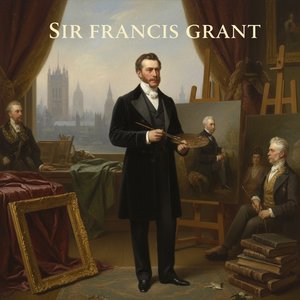
Sir Francis Grant: Portraiture, Patronage & Victorian Society
Explore the life & work of Sir Francis Grant, a leading Victorian portraitist. Discover his aristocratic clientele, role at the Royal Academy, and enduring artistic legacy. Learn about art patronage in 19th-century Britain.

Sir Alfred James Munnings: 25 Arcydzieł Malarstwa Koni i Angielskiej Wsi | OriginalUniqueArt.com
Odkryj 25 arcydzieł Sir Alfreda Jamesa Munningsa – mistrza malarstwa koni i angielskiego krajobrazu. Poznaj historię, technikę i piękno jego obrazów. Reprodukcje najwyższej jakości na OriginalUniqueArt.com! Eksploruj pełną kolekcję online.
Sir Joshua Reynolds: 25 Arcydzieł Pełnych Elegancji i Historii | OriginalUniqueArt.com
Odkryj 25 arcydzieł Sir Joshua Reynoldsa – mistrza angielskiego rokoko i neoklasycyzmu. Poznaj historie portretów, techniki malarskie i inspiracje wnętrzarskie. Reprodukcje najwyższej jakości na OriginalUniqueArt.com! Eksploruj pełną kolekcję online.
Sir John Watson Gordon: A Study in Scottish Landscape Painting & Tonal Impressionism
Explore the captivating portraits of Sir John Watson Gordon, a leading Scottish master. Discover his evolution from neoclassical style to atmospheric Tonalism and influence on 19th-century British art. Learn about his iconic sitters & legacy.
Francis Bacon: 25 Arcydzieł Ekspresjonizmu i Wnętrza Pełne Emocji | OriginalUniqueArt.com
Poznaj 25 najbardziej znanych obrazów Francis Bacona – arcydzieł ekspresjonizmu pełnych emocji i dramatyzmu. Odkryj historię, technikę i wpływ tego wybitnego artysty. Reprodukcje najwyższej jakości na OriginalUniqueArt.com! Eksploruj kolekcję online.

