
 Podgląd w skali
 Wyślij jako kartkę
 Udostępnij
 Szczegóły dzieła

 Pobierz
 Podobne obiekty
 RTG
RTG Pokaz slajdów
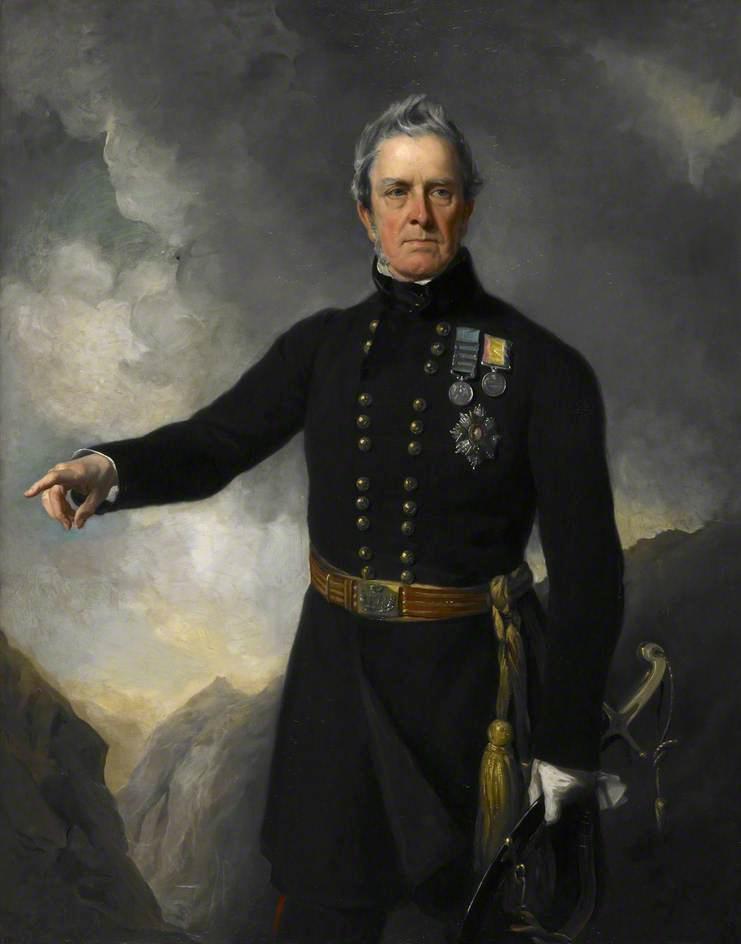
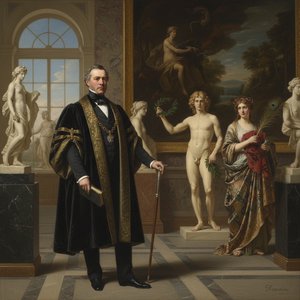
Lieutenant General Sir George Pollock


 Rozwiń treść
Giclée / Wydruk artystyczny
Druk giclée lub płótno o jakości muzealnej, szybka realizacja i szeroki wybór opcji wykończenia. ( Zamów ręcznie malowaną reprodukcję Kup obraz wysokiej rozdzielczości)




P118B $10

P118H $10

P118W $10

P438Z $10

P508JH $12

P508YH $12

P805H $10

P805Z $10

P919BZ $10

P919G $10

P919XJ $10

P959ZH $10

P968JZ $12

W106C $8

W218G $10

W218JH $8

W218Y $10

W307PJ $10

W316G $10

W316PJ $8

W316Y $10

W398PJ $8

W4111J $10

W500HY $15

W500JH $15

W692G $12

W849H $8

W940BG $15

W953PJ $8




Wybierz spośród naszych standardowych rozmiarów, które zachowują oryginalne proporcje dzieła sztuki.

Możesz wprowadzić własne wymiary, aby dopasować dzieło do konkretnej ramy lub przestrzeni. Jeśli wybrany rozmiar nie będzie odpowiadał proporcjom oryginalnego obrazu, przytniecie dzieło lub rozszerzymy obraz za pomocą odbicia lustrzanego lub jednolitego wypełnienia krawędzi. Przed rozpoczęciem produkcji prześlemy cyfrową wizualizację do Twojej akceptacji.
Prosimy pamiętać, że podgląd na ekranie nie odzwierciedla faktycznego przycinania ani rozszerzania. Tylko wizualizacja dokładnie pokaże końcową kompozycję.
Mimo dostępności niestandardowych rozmiarów, zalecamy wybór wymiaru z listy zdefiniowanej, aby zachować oryginalne proporcje.
Dostawa na cały świat () w ciągu 2 tygodni zamiast standardowych 4/5 tygodni. (22 Sierpień)

Bezpłatna ekspresowa wysyłka na cały świat

Wysokiej jakości płótno lniane

Pełne ubezpieczenie przesyłki

Gwarancja zwrotu należności celnych i podatków importowych

Gwarancja wiernego odwzorowania kolorów

Polityka 60-dniowego zwrotu (tylko w przypadku wad)

Gwarancja 100% zwrotu kosztów

Zniżka przy zamówieniu wielu produktów
 Opcja ze szkłem jest dostępna wyłącznie w rozmiarach poniżej 110 cm

Lieutenant General Sir George Pollock
Giclée / Wydruk artystyczny
Wymiary reprodukcji
-


Cena całkowita
$ 80
Opis kolekcjonerski
A Portrait of Command: Sir Francis Grant’s Reverent Depiction of Lieutenant General Sir George Pollock
Sir Francis Grant's “Lieutenant General Sir George Pollock,” painted in 1856, stands as a testament to the Victorian obsession with formal portraiture and the meticulous observation of academic art. More than just a likeness, it’s an embodiment of military prestige and aristocratic dignity—a scene meticulously crafted to convey both visual splendor and profound symbolic resonance.
- Subject Matter & Context: The artwork portrays Lieutenant General Sir George Pollock (1786–1872), a celebrated British soldier who achieved renown for his leadership during the Napoleonic Wars, specifically his decisive role in securing the Battle of Waterloo. Grant’s depiction captures Pollock at the height of his career, reflecting the societal values of the time—honor, duty, and unwavering loyalty to the Crown.
- Composition & Technique: Employing a classic three-quarter pose against a subtly blurred landscape backdrop, Grant utilizes a pyramidal composition that directs the viewer’s gaze towards Pollock's face. The artist skillfully blends muted browns and blacks with delicate touches of gold—primarily in the medals adorning Pollock’s uniform—creating depth and highlighting his status. Oil paint on canvas allows for nuanced tonal gradations and textural detail, achieved through meticulous layering and blending.
- Color Palette & Lighting: The subdued color palette reinforces the solemn mood of the portrait. Dark hues dominate, emphasizing seriousness and conveying a sense of gravitas. Diffused lighting illuminates Pollock’s face and upper torso, casting shadows that accentuate his musculature and contribute to the overall dramatic effect. This careful manipulation of light underscores Grant's mastery of artistic realism.
- Symbolism & Emotional Impact: The prominent medals serve as potent symbols of Pollock’s military achievements—visual representations of bravery and victory. Furthermore, Grant subtly conveys Pollock’s inner fortitude through his posture and gaze, suggesting confidence and unwavering resolve. The landscape background evokes memories of Waterloo campaigns, hinting at the challenges faced by Britain's military elite.
- Style & Artistic Merit: “Lieutenant General Sir George Pollock” exemplifies the stylistic conventions of academic painting—characterized by precise anatomical accuracy and adherence to established compositional principles. Grant’s meticulous attention to detail elevates the artwork beyond mere representation, transforming it into a powerful statement about Victorian ideals of leadership and honor.
This reproduction captures not only the visual beauty of Grant's masterpiece but also its enduring significance as an emblem of British military history and artistic excellence. It’s ideal for discerning collectors and interior designers seeking to infuse their spaces with a touch of Victorian grandeur.
O artyście
A Life Dedicated to Portraiture and the Academy
Sir Francis Grant, a name synonymous with refined portraiture and dedicated service to the British art establishment, emerged as one of the most sought-after artists of his era. Born in 1803 into a landed family in Perthshire, Scotland, young Francis initially seemed destined for a career in law. However, the allure of artistic expression proved too irresistible to resist. Though largely self-taught, he briefly studied under Alexander Nasmyth in Edinburgh, laying an early foundation before forging his own distinctive path. This path wasn’t immediately clear; Grant's initial successes came with sporting scenes, capturing the energy and vibrancy of rural life – subjects that would initially define his reputation. A pivotal moment arrived through his marriage, granting him access to the exclusive world of Melton Mowbray’s hunting set. There, he honed his skills under John Ferneley, a master of equestrian art, and began to specialize in depictions of horses and hounds – endeavors that showcased an exceptional eye for detail and composition.Early Artistic Explorations: Sporting Scenes and Impressionistic Beginnings
Grant's artistic journey commenced with landscapes and genre paintings, reflecting the Romantic spirit of his time. *Melton Breakfast* (1834), a celebrated depiction of a fox hunt, exemplifies this early style—characterized by bold brushstrokes and vibrant colors that convey movement and excitement. It immediately garnered acclaim for its dynamism and masterful rendering of light and atmosphere. However, Grant’s artistic inclinations soon steered him toward portraiture, recognizing the potential to capture not merely physical likeness but also the essence of his subjects' personalities and social standing – a pursuit that would ultimately elevate him to prominence. His formative years were marked by diligent observation and imitation of established masters, notably Alexander Nasmyth and John Ferneley, absorbing techniques and stylistic sensibilities that would inform his subsequent work. This dedication to craft demonstrated an uncommon seriousness for someone from a privileged background.The Equestrian Tradition: Mastering the Art of Horse Painting
Grant’s fascination with equestrian art blossomed during his association with John Ferneley, establishing him as one of Britain's foremost practitioners in this genre. Ferneley instilled in Grant a profound understanding of anatomy and perspective—skills crucial for accurately portraying horses and riders in motion. This influence is evident in numerous commissions depicting royalty and nobility engaged in hunting pursuits – works that stand apart for their technical precision and expressive quality. Paintings like *The Meeting of His Majesty's Staghounds on Ascot Heath* exemplify Grant’s ability to convey both the grandeur of the subject matter and the gracefulness of movement, capturing a moment frozen in time with remarkable fidelity. These paintings are not merely representations; they are embodiments of Victorian ideals – nobility, courage, and connection to the natural world.The Royal Portraitist: Capturing Queen Victoria’s Majesty
Grant achieved unparalleled renown when he was entrusted with painting portraits of Queen Victoria herself—a commission that solidified his position among Britain's most respected artists. His portrait of Lady Glenlyon (1842) became a watershed moment, establishing Grant as the quintessential Victorian portraitist. Unlike many contemporaries who prioritized superficial beauty, Grant sought to convey Victoria’s inner character and regal dignity – an ambition he accomplished with remarkable subtlety and sensitivity. He skillfully blended Neoclassical elegance with Romantic influences, creating images that were both aesthetically pleasing and psychologically astute. The resulting portrait captured not just Victoria's physical appearance but also her commanding presence and unwavering resolve—a testament to Grant’s artistic prowess and his ability to distill complex emotions into visual form.Legacy and Influence: Shaping the Future of British Art
Grant’s contribution extended beyond individual artworks; he profoundly impacted the trajectory of British art by serving as President of the Royal Academy from 1866 until his death in 1878. During his tenure, he championed innovative artistic endeavors—most notably the institution of major loan exhibitions—which broadened access to art and fostered dialogue between artists and audiences alike. This visionary leadership ensured that the Academy remained a beacon of creativity and intellectual curiosity throughout the Victorian era. Grant’s influence can be discerned in the works of subsequent generations of painters, who admired his meticulous technique and his unwavering commitment to portraying human subjects with depth and nuance—a legacy that continues to inspire artists today. His paintings remain treasured artifacts of Victorian culture – windows into a bygone age that offer enduring insights into the values and aspirations of his time. Grant’s artistic vision transcended mere representation; it sought to illuminate the human spirit, securing his place as one of Britain's greatest portraitists and shaping the landscape of British art history
Franciszek Grant
1803 - 1878 , Zjednoczone Królestwo Wielkiej Brytanii i Irlandii
Krótka nota
- Artistic Movement Or Style: Neoclassical, Romanticism
- Artists Or Movements Influenced By This Artist:
- Martin Archer Shee
- Solomon Hart
- Artists Who Influenced This Artist:
- Alexander Nasmyth
- John Ferneley
- Date Of Birth: 18 Jan. 1803
- Date Of Death: 5 Oct. 1878
- Full Name: Sir Francis Grant
- Nationality: Scottish
- Notable Artworks:
- Melton Breakfast
- Lady Glenlyon
- Queen Victoria Riding
- Place Of Birth: Edinburgh, United Kingdom
Powiązane artykuły
Sir Joshua Reynolds: 25 Arcydzieł Pełnych Elegancji i Historii | OriginalUniqueArt.com
Odkryj 25 arcydzieł Sir Joshua Reynoldsa – mistrza angielskiego rokoko i neoklasycyzmu. Poznaj historie portretów, techniki malarskie i inspiracje wnętrzarskie. Reprodukcje najwyższej jakości na OriginalUniqueArt.com! Eksploruj pełną kolekcję online.
Sir Francis Grant: Portraiture, Patronage & Victorian Society
Explore the life & work of Sir Francis Grant, a leading Victorian portraitist. Discover his aristocratic clientele, role at the Royal Academy, and enduring artistic legacy. Learn about art patronage in 19th-century Britain.
Francis Bacon: 25 Arcydzieł Ekspresjonizmu i Wnętrza Pełne Emocji | OriginalUniqueArt.com
Poznaj 25 najbardziej znanych obrazów Francis Bacona – arcydzieł ekspresjonizmu pełnych emocji i dramatyzmu. Odkryj historię, technikę i wpływ tego wybitnego artysty. Reprodukcje najwyższej jakości na OriginalUniqueArt.com! Eksploruj kolekcję online.

Sir Alfred James Munnings: 25 Arcydzieł Malarstwa Koni i Angielskiej Wsi | OriginalUniqueArt.com
Odkryj 25 arcydzieł Sir Alfreda Jamesa Munningsa – mistrza malarstwa koni i angielskiego krajobrazu. Poznaj historię, technikę i piękno jego obrazów. Reprodukcje najwyższej jakości na OriginalUniqueArt.com! Eksploruj pełną kolekcję online.
Sir Frederic Leighton: Aestheticism, Academic Mastery & Victorian Masculinity
Explore the life & art of Sir Frederic Leighton, a master of Victorian Aestheticism. Discover his academic training, sculptural innovations, and captivating depictions of beauty. Expert insights for collectors.



