
 Podgląd w skali 1:1
 Wyślij jako kartkę
 Udostępnij
 Szczegóły dzieła
 Przewodnik

 Pobierz obraz
 Podobne obiekty
 RTG
RTG Pokaz slajdów
 Q&A
Q&A Statystyki
John Belcher

- 127.0 x 102.0 cm


 Rozwiń treść
Giclée / Wydruk artystyczny
Wydruki giclée lub płótna o jakości muzealnej, szybka realizacja i szeroki wybór opcji wykończenia. ( Zamów ręcznie malowaną reprodukcję Przejdź do wersji cyfrowej)




P118B zł10

P118H zł10

P118W zł10

P438Z zł10

P508JH zł12

P508YH zł12

P805H zł10

P805Z zł10

P919BZ zł10

P919G zł10

P919XJ zł10

P959ZH zł10

P968JZ zł12

W106C zł8

W218G zł10

W218JH zł8

W218Y zł10

W307PJ zł10

W316G zł10

W316PJ zł8

W316Y zł10

W398PJ zł8

W4111J zł10

W500HY zł15

W500JH zł15

W692G zł12

W849H zł8

W940BG zł15

W953PJ zł8




Wybierz spośród naszych standardowych rozmiarów, które zachowują oryginalne proporcje dzieła sztuki.

Wpisz wymaganą szerokość i wysokość, aby dopasować grafikę do ramy lub ściany. Wydruk można jedynie przyciąć, nigdy nie powiększając go poza oryginalny obraz, dlatego format o innych proporcjach spowoduje utratę części kompozycji. Przed rozpoczęciem druku prześlemy Ci cyfrowy podgląd do zatwierdzenia. Obraz wyświetlany na tej stronie nie pokazuje rzeczywistego przycięcia — jedynie podgląd oddaje ten efekt.
Dostawa na cały świat () w ciągu 2 tygodni zamiast standardowych 4/5 tygodni. (2 Listopad)

Bezpłatna ekspresowa wysyłka na cały świat

Wysokiej jakości płótno lniane

Pełne ubezpieczenie przesyłki

Gwarancja zwrotu należności celnych i podatków importowych

Gwarancja wiernego odwzorowania kolorów

100-dniowa polityka zwrotów (tylko w przypadku wad)

Gwarancja 100% zwrotu pieniędzy

Zniżka przy zakupie wielu sztuk
 Opcja ze szkłem jest dostępna wyłącznie w rozmiarach poniżej 110 cm

John Belcher
Giclée / Wydruk artystyczny
Wymiary reprodukcji
-


Cena całkowita
zł 311
Biografia artysty
Sir Frank Dicksee: A Romantic Visionary of the Victorian Era
Sir Francis Bernard Dicksee, known affectionately to many as Frank, stands as a luminous figure in the tapestry of Victorian art history. Born in London in 1853, his life was destined for a profound engagement with the aesthetics of beauty and drama. He did not merely stumble into the world of fine art; rather, he inherited a deep artistic lineage from his father, Thomas Dicksee, whose early guidance instilled in the young artist a reverence for classical technique and narrative power. Growing up in the vibrant atmosphere of Fitzroy Square, Bloomsbury, Dicksee was immersed in a culture where the brushstroke was a tool for storytelling, laying the groundwork for a career that would eventually see him ascend to the highest echelons of the British art establishment.
His formal training began at the Royal Academy Schools in 1870, a period that provided the rigorous technical foundation necessary to execute his grander, more imaginative visions. While his roots were firmly planted in classical discipline, his spirit was deeply intertwined with the burgeoning interest in Pre-Raphaelite aesthetics. Although he was not an official member of the Pre-Rapha lite group, the influence of masters like Dante Gabriel Rossetti and William Holman Hunt is unmistakable in his work. From them, he adopted a commitment to capturing idealized beauty, often infused with mythological or literary references, and a dedication to meticulous detail that demanded the viewer's full, contemplative attention.
The Mastery of Narrative and Emotion
Dicksee’s oeuvre is celebrated for its ability to bridge the gap between historical documentation and romantic dreaming. He possessed a rare gift for transforming literary legends into breathing, emotive realities. One cannot discuss his contribution to art without reflecting on his hauntingly beautiful depiction of La belle dame sans merci. Inspired by the evocative poetry of John Keats, this masterpiece demonstrates his command over composition and expressive brushwork, transporting the viewer into a medieval world of enchantment and melancholy. Similarly, works such as The Mother showcase his ability to pivot from the epic to the intimate, capturing the tender essence of devotion and human connection with breathtaking realism.
Beyond the realm of legend, Dicksee was a master of portraiture, particularly noted for his exquisite renderings of fashionable women. These portraits were more than mere likenesses; they were studies in grace, elegance, and the subtle psychological depths of his subjects. Through the use of layering thin glazes of oil paint, he achieved a remarkable tonal subtlety and an atmospheric depth that allowed light to seem as though it were emanating from within the canvas itself. Whether portraying the contemplative gaze of a gentleman in John Belcher or the refined sophistication of Miss Edith Fitton, his technique always served the ultimate goal of emotional resonance.
Legacy and the Height of Artistic Achievement
The trajectory of Dicksee’s career was marked by consistent prestige and growing influence within the British art world. His talent was recognized early, leading to his election as a member of the Royal Academy in 1891. This ascent culminated in one of the most significant honors an artist could achieve: serving as the President of the Royal Academy in 1924. His contributions to the arts were so profound that he was knighted in 1925, a testament to his status as a pillar of his era. His work remains a vital window into the late nineteenth-century soul, reflecting a period defined by romantic idealism and an unwavering belief in the power of beauty.
Today, the legacy of Sir Frank Dicksee continues to inspire admiration among collectors and historians alike. His paintings, now housed in prestigious institutions such as the Bristol Museum and Art Gallery and the Haslemere Educational Museum, serve as enduring monuments to a vanished age of craftsmanship. He remains a definitive voice of the Victorian era, an artist who could weave together the threads of history, literature, and personal emotion into a seamless, luminous tapestry of light and color.
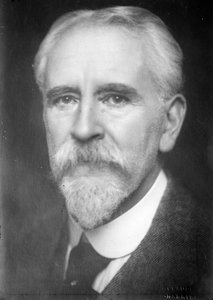
Sir Francis Bernard (Frank) Dicksee
1853 - 1928
Krótka nota
- Full Name: Sir Francis Bernard Dicksee
- Nationality: British
- Date Of Birth: 1853
- Date Of Death: 1928
- Place Of Birth: London, England
- Notable Artworks:
- John Belcher
- La belle dame sans merci
- My Lady Fair
- Artistic Movement Or Style: Victorian painting; Pre-Raphaelite influences
- Artists Who Influenced This Artist:
- William Holman Hunt
- John Everett Millais
Powiązane artykuły

Sir Alfred James Munnings: 25 Arcydzieł Malarstwa Koni i Angielskiej Wsi | OriginalUniqueArt.com
Odkryj 25 arcydzieł Sir Alfreda Jamesa Munningsa – mistrza malarstwa koni i angielskiego krajobrazu. Poznaj historię, technikę i piękno jego obrazów. Reprodukcje najwyższej jakości na OriginalUniqueArt.com! Eksploruj pełną kolekcję online.

The Enduring Power of Painting: A Historical & Contemporary Exploration of Form and Emotion
Explore the rich history & enduring techniques of oil painting with OriginalUniqueArt. Discover masterpieces, learn about art collecting, and find authentic handmade reproductions crafted by skilled artists.

Sir Joshua Reynolds: 25 Arcydzieł Pełnych Elegancji i Historii | OriginalUniqueArt.com
Odkryj 25 arcydzieł Sir Joshua Reynoldsa – mistrza angielskiego rokoko i neoklasycyzmu. Poznaj historie portretów, techniki malarskie i inspiracje wnętrzarskie. Reprodukcje najwyższej jakości na OriginalUniqueArt.com! Eksploruj pełną kolekcję online.

Trwała Spuścizna Malarstwa Olejnego: Technika, Historia i Estetyczny Wpływ
Poznaj historię i technikę malarstwa olejnego! Eksperckie artykuły o konserwacji, renowacji oraz współczesnych zastosowaniach. Dowiedz się więcej o mistrzach i trwałości obrazów olejnych.

Olej na płótnie: Historia, techniki i ponadczasowy urok malarskiego medium
Poznaj historię i techniki malarstwa olejowego! Od renesansowych mistrzów po współczesne zastosowania – wszystko o oleju na płótnie. Poradniki, konserwacja i inspiracje dla pasjonatów sztuki.