

 Podgląd w skali
 Wyślij jako kartkę
 Udostępnij
 Szczegóły dzieła

 Pobierz
 Podobne obiekty
 RTG
RTG Pokaz slajdów
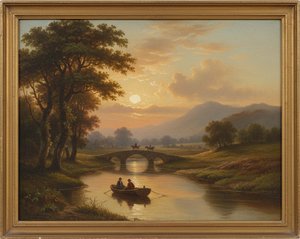
A River Scene with Barges
 Oil On Canvas
- WallArt
- Romantic Landscape
 1825
1825 15.0 x 17.0 cm
 Nottingham Castle Museum And Art Gallery
 Rozwiń treść
Giclée / Wydruk artystyczny
Druk giclée lub płótno o jakości muzealnej, szybka realizacja i szeroki wybór opcji wykończenia. ( Zamów ręcznie malowaną reprodukcję Kup obraz wysokiej rozdzielczości)




P118B $10

P118H $10

P118W $10

P438Z $10

P508JH $12

P508YH $12

P805H $10

P805Z $10

P919BZ $10

P919G $10

P919XJ $10

P959ZH $10

P968JZ $12

W106C $8

W218G $10

W218JH $8

W218Y $10

W307PJ $10

W316G $10

W316PJ $8

W316Y $10

W398PJ $8

W4111J $10

W500HY $15

W500JH $15

W692G $12

W849H $8

W940BG $15

W953PJ $8




Wybierz spośród naszych standardowych rozmiarów, które zachowują oryginalne proporcje dzieła sztuki.

Możesz wprowadzić własne wymiary, aby dopasować dzieło do konkretnej ramy lub przestrzeni. Jeśli wybrany rozmiar nie będzie odpowiadał proporcjom oryginalnego obrazu, przytniecie dzieło lub rozszerzymy obraz za pomocą odbicia lustrzanego lub jednolitego wypełnienia krawędzi. Przed rozpoczęciem produkcji prześlemy cyfrową wizualizację do Twojej akceptacji.
Prosimy pamiętać, że podgląd na ekranie nie odzwierciedla faktycznego przycinania ani rozszerzania. Tylko wizualizacja dokładnie pokaże końcową kompozycję.
Mimo dostępności niestandardowych rozmiarów, zalecamy wybór wymiaru z listy zdefiniowanej, aby zachować oryginalne proporcje.
Dostawa na cały świat () w ciągu 2 tygodni zamiast standardowych 4/5 tygodni. (22 Sierpień)

Bezpłatna ekspresowa wysyłka na cały świat

Wysokiej jakości płótno lniane

Pełne ubezpieczenie przesyłki

Gwarancja zwrotu należności celnych i podatków importowych

Gwarancja wiernego odwzorowania kolorów

Polityka 60-dniowego zwrotu (tylko w przypadku wad)

Gwarancja 100% zwrotu kosztów

Zniżka przy zamówieniu wielu produktów
 Opcja ze szkłem jest dostępna wyłącznie w rozmiarach poniżej 110 cm

A River Scene with Barges
Giclée / Wydruk artystyczny
Wymiary reprodukcji
-


Cena całkowita
$ 80
Opis kolekcjonerski
The Serene Flow of Commerce: Augustus Wall Callcott’s “A River Scene with Barges”
Augustus Wall Callcott's "A River Scene with Barges," painted in 1825, is more than a picturesque landscape; it’s a carefully constructed tableau capturing the essence of early 19th-century British commerce and the subtle beauty of the Thames. The painting immediately draws the eye to the gentle movement of two small boats navigating a broad river, their occupants engaged in the vital task of transporting goods – likely wool or textiles – along its course. Callcott’s masterful use of light and shadow establishes an atmosphere of calm, yet subtly hints at the industriousness that underpinned this era. The overcast sky, rendered with delicate washes of grey and blue, reflects perfectly on the water's surface, creating a sense of depth and mirroring the scene below. This technique, characteristic of Callcott’s style, emphasizes the realism and tranquility he sought to portray.A Painter’s Palette: Technique and Composition
Callcott was renowned for his elegant compositions and ability to imbue landscapes with a charming tonal quality. In “A River Scene with Barges,” this is evident in the meticulous detail with which he depicts the boats, their rigging, and the subtle textures of the riverbank. The artist employs a loose, expressive brushstroke – a hallmark of the Romantic movement – allowing for a sense of spontaneity and capturing the fleeting effects of light and water. Notice how Callcott uses horizontal lines to create a feeling of spaciousness, while vertical strokes subtly suggest the height of the trees lining the shore. The placement of the figures in the boats is deliberately balanced, drawing the viewer’s eye along the river's flow and creating a harmonious visual rhythm. The use of muted earth tones – browns, greens, and greys – contributes to the painting’s overall sense of realism and reinforces its connection to the natural world.Echoes of an Era: Historical Context
To fully appreciate “A River Scene with Barges,” it's essential to understand the historical context in which it was created. The early 19th century witnessed a period of significant economic growth in Britain, driven largely by trade and industry. Rivers like the Thames served as vital arteries for transporting goods throughout the nation. The barges depicted in Callcott’s painting were integral to this system, facilitating the movement of raw materials and finished products. The presence of buildings along the shoreline – a glimpse of a bustling town or city – further underscores this connection between landscape and commerce. The style of architecture suggests a setting within the early 1820s, reflecting the evolving urban landscapes of the time.Symbolism and Emotional Resonance
Beyond its depiction of everyday life, “A River Scene with Barges” carries subtle symbolic weight. The boats themselves represent progress and connection – linking distant communities through trade. The figures in the boats embody diligence and hard work, contributing to the nation’s prosperity. The overall mood of the painting—peaceful, contemplative, yet imbued with a sense of purpose—evokes feelings of contentment and stability. Callcott masterfully captures not just a scene but also a state of mind, inviting the viewer to share in the quiet beauty of this working landscape. The painting’s enduring appeal lies in its ability to transport us back in time, offering a glimpse into a bygone era while simultaneously celebrating the timeless allure of nature and human endeavor.A Timeless Reproduction
Today, high-quality reproductions of “A River Scene with Barges” are available through OriginalUniqueArt, allowing art lovers worldwide to experience Callcott’s masterful artistry. Whether displayed in a formal study or a more casual living space, this painting's serene composition and evocative atmosphere will undoubtedly add a touch of elegance and sophistication to any setting. Consider framing it within a classic wooden frame to further enhance its historical charm, or opt for a sleek, minimalist design to create a contemporary statement.- Available in various sizes.
- Printed on high-quality archival paper.
- Custom framing options available.
O artyście
Early Life and Training
Augustus Wall Callcott (1779 – 1844) was a celebrated English landscape painter who achieved renown for his elegant compositions imbued with a captivating tonal quality. Born in Kensington Gravel Pits, London—a location reflecting the burgeoning industrial landscape of Victorian England—Callcott’s formative years were shaped by an innate musical inclination, fostering a lifelong appreciation for harmony and visual rhythm. He diligently pursued vocal training at Westminster Abbey, honing his artistic sensibilities alongside scholarly pursuits. Recognizing his talent for drawing and painting, he enrolled in the Royal Academy in 1804, where he received invaluable instruction from John Hoppner, establishing a foundational connection with the burgeoning Romantic movement.Rise to Prominence
Callcott swiftly distinguished himself within the Academy’s ranks as an artist dedicated exclusively to landscape painting—a deliberate choice that cemented his reputation and propelled him toward artistic recognition. His meticulous attention to detail combined with masterful use of light and color—characteristics emblematic of Turner's influence—created scenes of British rivers, coasts, and serene countryside that resonated deeply with the sensibilities of his time. The acclaim garnered for works like “The Entrance to the Pool of London” (1816) and “The Mouth of the Tyne” (1818) solidified his position as a leading voice in English Romanticism.Notable Works and Exhibitions
Callcott’s artistic output spanned several decades, producing iconic landscapes that continue to captivate audiences today. Among his most enduring achievements were "A Dead Calm on the Medway" (1820), capturing the tranquil beauty of the Thames estuary; “Rochester” (1824), depicting the picturesque environs surrounding Wordsworth’s home; and “Raffaelle and the Fornarina” (1837)—a rare foray into figurative painting housed in the South Kensington Museum's Sheepshanks Collection. These paintings exemplify Callcott’s ability to convey emotion through subtle tonal variations and masterful brushwork—techniques honed during his formative years under Hoppner’s guidance.Legacy and Later Life
Callcott received a knighthood from Queen Victoria in 1837, acknowledging his contribution to British art and culture. He served as Surveyor of the Queen's Pictures from 1843 until his untimely death in November 1844, overseeing the curation of royal artworks and upholding artistic standards during a period of significant cultural transformation. Callcott’s final resting place is Kensal Green Cemetery—a testament to his enduring legacy as one of England’s foremost landscape painters and a pivotal figure in shaping the Romantic aesthetic. His work continues to inspire admiration for its serene beauty and profound understanding of the natural world.
Sir Augustus Wall Callcott
1779 - 1844 , Wielka Brytania
Krótka nota
- Artistic Movement Or Style: Romanticizm pejzażowy
- Artists Or Movements Influenced By This Artist: ['Turner']
- Artists Who Influenced This Artist: ['John Hoppner']
- Date Of Birth: 20 lutego 1779
- Date Of Death: 25 listopada 1844
- Full Name: Augustus Wall Callcott
- Nationality: Brytyjczyk
- Notable Artworks:
- Entrata do Zatoki Tamy
- Usta Tamy
- Spokojna Zatoką Medway
- Rochester
- Raffaello i Fornarina
- Place Of Birth: Londyn, Wielka Brytania
Powiązane artykuły
Sir Augustus Wall Callcott: A Life Painted with Light & Atmosphere
Explore the life & art of Sir Augustus Wall Callcott, a celebrated British landscape painter known for his serene scenes and elegant compositions. Discover his Romantic influences & lasting legacy at OriginalUniqueArt.

John Constable: 25 Najlepszych Obrazów Mistrza Angielskiego Krajobrazu | OriginalUniqueArt
Odkryj 25 arcydzieł Johna Constable'a – mistrza angielskiego krajobrazu! Poznaj romantyczne pejzaże, technikę malarską i inspiracje z Dedham Vale. Reprodukcje obrazów najwyższej jakości na OriginalUniqueArt.com. Eksploruj pełną kolekcję online!

Romantyczny Krajobraz w Malarstwie: 10 Arcydzieł, Które Zdefiniowały Epokę | OriginalUniqueArt.com
Odkryj 10 arcydzieł romantyzmu w malarstwie! Poznaj historie Caspara Davida Friedricha, Turnera i innych mistrzów. Inspiracje wnętrzarskie & reprodukcje obrazów najwyższej jakości na OriginalUniqueArt.com. Eksploruj kolekcję online!

Evocations of Place: A Historical Journey Through Landscape Art
Explore the rich history of landscape art with OriginalUniqueArt. Discover renowned artists, movements like Impressionism & Romanticism, and expert guidance for collecting timeless pieces. Find your perfect serene escape today!
Szkoła Rzeki Hudson: 10 arcydzieł, które ukształtowały pejzaż amerykańskiej sztuki | OriginalUniqueArt
Odkryj 10 arcydzieł Szkoły Rzeki Hudson – malarstwo krajobrazowe Cole'a, Churcha i Bierstadta. Poznaj historię artystów i inspiracje romantyzmu amerykańskiego. Reprodukcje obrazów najwyższej jakości na OriginalUniqueArt.com! Eksploruj kolekcję online.


