Podgląd w skali 1:1
 Wyślij jako kartkę
 Udostępnij
 Szczegóły dzieła
 Przewodnik

 Pobierz obraz
 Podobne obiekty
 RTG
RTG Pokaz slajdów
 Statystyki
Samson and Delilah
 Acrylic On Canvas
- WallArt
- Baroque
 1620
1620 152.0 x 232.0 cm
 Galeria Dulwich
 Rozwiń treść
Ręcznie malowana reprodukcja olejowa
Ręcznie malowany obraz olejny na płótnie, wykonany na zamówienie przez naszych artystów w wybranym przez Ciebie wymiarze i oprawie. ( Przełącz na wydania drukowane Przejdź do wersji cyfrowej)




P118B zł10

P118H zł10

P118W zł10

P438Z zł10

P508JH zł12

P508YH zł12

P805H zł10

P805Z zł10

P919BZ zł10

P919G zł10

P919XJ zł10

P959ZH zł10

P968JZ zł12

W106C zł8

W218G zł10

W218JH zł8

W218Y zł10

W307PJ zł10

W316G zł10

W316PJ zł8

W316Y zł10

W398PJ zł8

W4111J zł10

W500HY zł15

W500JH zł15

W692G zł12

W849H zł8

W940BG zł15

W953PJ zł8




Wybierz spośród naszych standardowych rozmiarów, które zachowują oryginalne proporcje dzieła sztuki.

Wpisz wymaganą szerokość i wysokość, aby obraz pasował do Twojej ramy lub ściany. Ponieważ jest to dzieło malowane ręcznie, w przypadku rozmiaru o innych proporcjach artysta może domalować nieco więcej wokół obrazu lub przyciąć jego fragmenty — wybór należy do Ciebie. Przed rozpoczęciem pracy prześlemy Ci cyfrową wizualizację do zatwierdzenia. Obraz widoczny na tej stronie nie przedstawia rzeczywistego efektu — jedynie wizualizacja oddaje realny rezultat.
Po złożeniu zamówienia zespół OriginalUniqueArt.com skontaktuje się z klientem drogą mailową w celu uzyskania instrukcji i prześle wizualizację projektu
Dostawa na całym świecie () w ciągu 3–4 tygodni zamiast standardowych 5 tygodni. (26 Październik). Bez kompromisów w kwestii jakości.

Bezpłatna ekspresowa wysyłka na cały świat

Wysokiej jakości płótno lniane

Pełne ubezpieczenie przesyłki

Gwarancja zwrotu należności celnych i podatków importowych

Gwarancja wiernego odwzorowania kolorów

100-dniowa polityka zwrotów (tylko w przypadku wad)

Gwarancja 100% zwrotu pieniędzy

Zniżka przy zakupie wielu sztuk
 Opcja ze szkłem jest dostępna wyłącznie w rozmiarach poniżej 110 cm

Samson and Delilah
Technika reprodukcji
Wymiary reprodukcji
-


Cena całkowita
zł 1151
The Dramatic Narrative of Van Dyck’s Samson and Delilah
Anthony van Dyck's “Samson and Delilah,” painted around 1620, isn’t merely a depiction of a biblical tale; it’s a meticulously crafted tableau of betrayal, desire, and the devastating consequences of unchecked strength. This monumental work, rendered in rich oils on canvas, transports us to a pivotal moment – the very cusp of Samson's downfall, as he surrenders his formidable power to the seductive whispers of Delilah. The scene unfolds with an almost unsettling calm, a deceptive stillness that belies the explosive drama about to erupt. Van Dyck masterfully captures the tension between the figures, their postures and gazes hinting at the intricate dance of manipulation and vulnerability.
- Composition: The painting’s composition is carefully orchestrated, drawing our eye from Samson's muscular form – a testament to his legendary strength – towards Delilah’s alluring presence. The figures are arranged within a shallow space, creating a sense of intimacy and immediacy, as if we are witnesses to this clandestine encounter.
- Color Palette: Van Dyck employs a sophisticated color palette dominated by deep reds, browns, and golds, reflecting the opulent setting and the characters’ emotional states. The vibrant hues of Delilah's dress contrast sharply with Samson’s darker attire, highlighting her influence over him.
- Light & Shadow: The artist skillfully utilizes chiaroscuro – the dramatic interplay of light and shadow – to sculpt the figures and heighten the sense of drama. Light falls primarily on Samson, emphasizing his physical power, while shadows conceal Delilah’s intentions and the impending doom.
A Baroque Vision: Influences and Techniques
“Samson and Delilah” firmly establishes Van Dyck as a leading figure within the Baroque artistic movement. He absorbed the dynamism and theatricality of Peter Paul Rubens, his former master, while simultaneously forging his own distinctive style characterized by elegance, refinement, and an unparalleled ability to capture human emotion. The painting’s influence is also visible in Titian's earlier depictions of the same story, particularly in their focus on psychological drama and the portrayal of female seduction. Van Dyck’s technical mastery is evident in every brushstroke – his meticulous attention to detail, the smooth blending of colors, and the realistic rendering of textures all contribute to the painting’s remarkable quality.
Technique Highlights:- Oil on Canvas: Van Dyck's use of oil paints allowed for a rich, luminous finish and subtle gradations of color.
- Chiaroscuro: The dramatic lighting effects create depth and volume, emphasizing the figures’ forms and emotions.
- Detailed Drapery: The elaborate costumes are rendered with incredible precision, showcasing Van Dyck's skill in depicting fabric textures and folds.
Symbolism and Narrative Depth
Beyond its surface narrative, “Samson and Delilah” is laden with symbolic meaning. Samson’s uncut hair represents his divine strength, a gift from God that makes him invincible. Delilah's act of shearing his locks becomes the catalyst for his downfall, illustrating the destructive power of betrayal and the vulnerability of even the most formidable heroes. The presence of the onlookers – men in various states of contemplation and concern – underscores the wider social implications of Samson’s story, highlighting themes of justice, revenge, and the consequences of hubris. The boat in the background subtly references the maritime setting of the biblical tale, grounding the drama within a specific historical context.
A Legacy of Elegance: Reproduction and Artistic Inspiration
Van Dyck’s “Samson and Delilah” remains one of the most iconic and enduring images from the Baroque period. Its dramatic composition, rich colors, and profound psychological insights continue to captivate audiences today. High-quality reproductions offer a remarkable opportunity to experience this masterpiece firsthand, bringing its timeless beauty and emotional power into any setting. Whether adorning a grand salon or a more intimate space, a faithful reproduction of “Samson and Delilah” serves as a testament to the enduring legacy of Anthony van Dyck’s artistic genius.
Pytania i odpowiedzi
Gdzie mogę kupić wydruk „Samson and Delilah” – Antoni van Dyck?
Odbitkę dzieła „Samson and Delilah” – Antoni van Dyck można zamówić bezpośrednio na stronie Wydruk artystyczny premium: szlachetna odbitka na płótnie bawełnianym lub archiwalnym papierze o strukturze płótna.
Jaki nastrój oddaje styl Baroque w dziele „Samson and Delilah”?
Melancholic emocja dzieła „Samson and Delilah” współgra z jego stylem Baroque.
Czy kolory w „Samson and Delilah” – Antoni van Dyck są nasycone, czy stonowane?
Kolory dzieła „Samson and Delilah” – Antoni van Dyck charakteryzują się Subtle Color nasyceniem. Nasycenie określa, jak żywe lub stonowane są barwy.
Biografia artysty
A Flemish Master at the Courts of Europe
Sir Anthony van Dyck, born in Antwerp in 1599, emerged as one of the most celebrated and influential portraitists of the Baroque era. His life, though tragically cut short at just forty-two years old, was a whirlwind of artistic exploration and prestigious commissions that took him from his native Flanders to Italy and ultimately to the heart of the English court. From an early age, van Dyck displayed remarkable talent, entering Hendrick van Balen’s workshop as a young apprentice and quickly absorbing the prevailing styles of the time. However, it was his association with Peter Paul Rubens – not merely as a student but as a collaborator – that truly shaped his artistic foundation. He learned from Rubens' dynamic compositions, rich color palettes, and masterful handling of light and shadow, yet van Dyck soon began to forge his own distinct path, one characterized by an elegance and refinement that would become his signature. This early apprenticeship instilled in him a deep understanding of anatomy, perspective, and the dramatic use of color – elements he skillfully integrated into his later works.Italian Sojourns and the Birth of a Style
The years van Dyck spent in Italy, beginning around 1621, proved pivotal in his artistic development. He resided primarily in Genoa, where he found favor among the city’s aristocratic families. It was here that he began to cultivate the sophisticated style for which he would become renowned – a style marked by graceful poses, luxurious fabrics, and an almost palpable sense of nobility. Unlike the robust energy often found in Rubens' work, van Dyck’s Italian portraits exuded a refined composure, capturing not just physical likeness but also the inner character and social standing of his sitters. He meticulously studied the works of Titian and other Venetian masters, adopting their use of light and shadow to create dramatic effects and emphasizing the beauty of the human form. During this period, he also embarked on his *Iconography*, a series of meticulously rendered portrait etchings featuring prominent figures of his time – artists, scholars, and rulers alike. This project showcased his exceptional technical skill and established him as a leading printmaker; it was a deliberate effort to elevate the status of the artist himself, presenting portraits alongside works of art and literature. These etchings weren’t simply records; they were carefully constructed images designed to immortalize the subjects and convey their status and intellect.The King's Painter: Van Dyck in England
In 1632, van Dyck received an invitation that would forever alter his career trajectory – a summons from Charles I of England to become the court painter. This appointment marked a turning point, not only for van Dyck but also for English portraiture. He arrived in London with a considerable reputation and quickly became indispensable to the king, tasked with creating images that projected an aura of power, majesty, and divine right. Van Dyck’s portraits of Charles I are particularly noteworthy; he moved away from the stiff, formal representations favored by earlier artists, instead portraying the king as a dynamic, charismatic leader. He employed innovative techniques – dramatic lighting, sweeping gestures, and carefully chosen backgrounds – to create images that were both visually stunning and politically charged. His influence extended beyond the royal family, shaping the visual culture of the English aristocracy for generations to come. He didn’t just paint portraits; he crafted an image of kingship, influencing how royalty was perceived for over a century. The court demanded a new kind of portraiture – one that captured not just appearance but also character and authority, and van Dyck delivered precisely that.Legacy and Enduring Influence
Van Dyck's untimely death in 1641 robbed the art world of a prodigious talent, but his legacy endures to this day. His impact on English portraiture is immeasurable; he established a standard of elegance and sophistication that subsequent artists would strive to emulate.- Technical Innovation: He was a master of both oil painting and etching, constantly experimenting with new techniques – particularly in the use of light and shadow to create depth and drama.
- Stylistic Refinement: His portraits are characterized by their graceful poses, luxurious fabrics, and subtle psychological insights; he possessed an uncanny ability to capture the essence of his sitters.
- Courtly Influence: He transformed the image of the English monarchy, creating a visual language of power and prestige that resonated throughout the nation.
Key Influences
Van Dyck’s artistic development was shaped by a confluence of influences. Initially, he studied under Hendrick van Balen, absorbing the Northern Renaissance style characterized by detailed realism and meticulous observation. However, it was his association with Peter Paul Rubens that proved transformative. Rubens' dynamic compositions, rich color palettes, and masterful use of light and shadow profoundly impacted van Dyck’s approach to painting. Furthermore, his time in Italy exposed him to the Venetian masters, particularly Titian, whose loose brushwork and emphasis on atmospheric perspective influenced his later style. The influence of these diverse sources combined to create a unique artistic voice that would define van Dyck's legacy as one of the greatest portraitists of all time.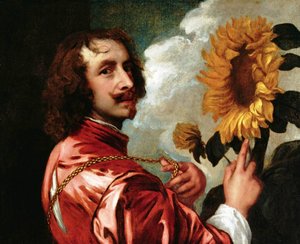
Antoni van Dyck
1599 - 1641 , Belgia
Krótka nota
- Artistic Movement Or Style: Barokowy
- Artists Or Movements Influenced By This Artist: ['Angielskie malarstwo']
- Artists Who Influenced This Artist: ['Rubens']
- Date Of Birth: 22 marca 1599
- Date Of Death: 9 grudnia 1641
- Full Name: Sir Anthony van Dyck
- Nationality: Flamandzki
- Notable Artworks:
- Portret kobiety
- Portret Karola I
- Lord John Stuart
- Place Of Birth: Antwerp, Belgia
Powiązane artykuły
Potęga i Emocje w Portrecie Barokowym: Innowacje Artystyczne i Odzwierciedlenie Epoki
Odkryj potęgę i emocje w portrecie barokowym! Analiza innowacyjnych technik malarskich, realizmu Velázqueza i wpływu sztuki na społeczeństwo. Ekspercka wiedza o historii i interpretacji dzieł.
Sir Anthony van Dyck: Courtly Portraiture & the Shaping of Baroque Identity
Explore the life & legacy of Sir Anthony van Dyck, the leading court painter of his era. Discover his innovative portraiture, Baroque masterpieces, and investment potential for discerning collectors. Learn more at OriginalUniqueArt.

Barokowe arcydzieła: 10 obrazów, które zdefiniowały epokę | OriginalUniqueArt.com
Odkryj 10 arcydzieł baroku! Caravaggio, Rembrandt, Rubens i inni artyści, którzy zdefiniowali epokę. Poznaj historie, techniki i inspiracje tych niezwykłych obrazów. Reprodukcje najwyższej jakości na OriginalUniqueArt.com – idealne do Twojego wnętrza!

Rembrandt van Rijn: 25 Najwybitniejszych Dzieł Sztuki – Reprodukcje i Inspiracje do Wnętrz
Poznaj 25 arcydzieł Rembrandta van Rijn! Odkryj fascynujące historie, techniki i wpływ holenderskiego mistrza baroku na świat sztuki. Reprodukcje obrazów najwyższej jakości – inspiracje do wnętrz na OriginalUniqueArt.com

Holenderski Barok: 10 Arcydzieł, Które Zdefiniowały Epokę | OriginalUniqueArt
Poznaj 10 arcydzieł holenderskiego baroku! Odkryj historie Rembrandta, Vermeera i innych mistrzów XVII wieku. Reprodukcje obrazów najwyższej jakości – idealne do Twojego wnętrza. OriginalUniqueArt.com