
 Podgląd w skali
 Wyślij jako kartkę
 Udostępnij
 Szczegóły dzieła

 Pobierz
 Podobne obiekty
 RTG
RTG Pokaz slajdów
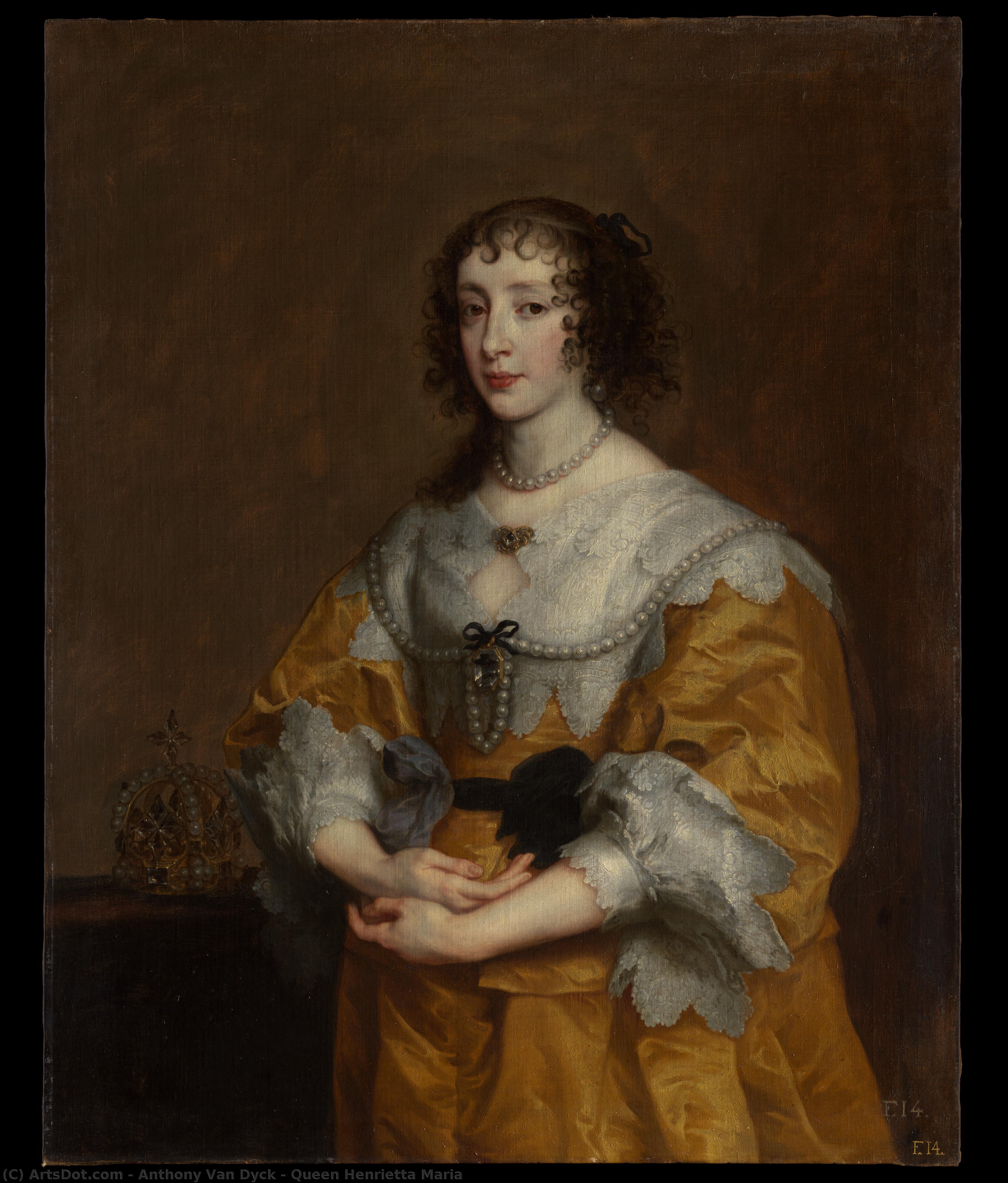
Queen Henrietta Maria
 Oil On Canvas
- WallArt
- Baroque Portraiture
 1636
1636 106.0 x 85.0 cm
 Metropolitan Museum of Art
 Rozwiń treść
Kup wysokiej rozdzielczości, ulepszony obraz cyfrowy o znacznie wyższej jakości niż podgląd online.
Każdy plik jest starannie przygotowywany przez naszych specjalistów przy użyciu zaawansowanych narzędzi oraz profesjonalnej, ręcznej retuszy. Dbamy o to, aby każdy obraz cechował się wyjątkową ostrością, precyzyjnym odwzorowaniem kolorów i subtelnymi detalami.
Ostateczny plik dostarczany jest drogą mailową w ciągu 72 godzin, zoptymalizowany do natychmiastowego wykorzystania w profesjonalnych zastosowaniach redakcyjnych i poligraficznych. To ta sama jakość, której ufają czołowe studia projektowe, wydawnictwa oraz galerie sztuki.
Obraz cyfrowy
Pobierz plik o wysokiej rozdzielczości do osobistego wyświetlania, druku oraz projektów kreatywnych. ( Zamów wydruk Zamów ręcznie malowaną reprodukcję)
W każdym zamówieniu na obraz cyfrowy znajduje się
Profesjonalna dostawa cyfrowa z gwarancją
Wybierając OriginalUniqueArt.com, nie otrzymujesz jedynie obrazu – otrzymujesz profesjonalnie udoskonalone cyfrowe dzieło sztuki, stworzone z najwyższą precyzją i objęte gwarancją satysfakcji. Oto wszystko, co automatycznie dołączane jest do Twojego zamówienia:

Błyskawiczna wysyłka e-mailowa
Plik z obrazem cyfrowym w wysokiej rozdzielczości zostanie przesłany na Twój adres e-mail w ciągu 72 godzin od złożenia zamówienia – gotowy do natychmiastowego użycia.

Plik cyfrowy wzbogacony przez AI
Twoja grafika została profesjonalnie zoptymalizowana przy użyciu zaawansowanych narzędzi AI oraz ręcznej edycji, co zapewnia maksymalną szczegółowość, klarowność i wierność kolorów.

Dożywotnia darmowa ponowna dostawa
Przypadkowo usunąłeś lub zgubiłeś swój plik? Bez obaw – prześlemy go Tobie ponownie w dowolnym momencie, bez żadnych opłat.

Bez opłat importowych – zawsze
Ciesz się swoją sztuką natychmiast, bez żadnych opłat celnych, należności ani kosztów dostawy – pliki cyfrowe są zawsze wolne od podatku.

Gwarancja wierności kolorów
Dzięki zastosowaniu profesjonalnych narzędzi i procesów zarządzania barwą zapewniamy, że Twoje cyfrowe zdjęcie odzwierciedla oryginalne kolory tak wiernie, jak to tylko możliwe.

60-dniowa gwarancja satysfakcji
Jeśli nie będziesz zadowolony ze swojego cyfrowego obrazu, dokonamy jego poprawki lub zwrócimy 100% kosztów w ciągu 60 dni – bez żadnych pytań.

100% Gwarancja zwrotu pieniędzy
Nie jesteś zadowolony? Otrzymaj pełny zwrot kosztów w ciągu 60 dni od otrzymania pliku cyfrowego – bez zbędnych pytań.

Rabaty przy zamówieniach hurtowych
Kup 3 obrazy, oszczędź 10% - Kup 5, oszczędź 15% - Kup 10+, oszczędź 20%. Idealne do projektów kreatywnych, galerii i agencji.
Opis kolekcjonerski
A Royal Portrait Steeped in Diplomacy: Anthony van Dyck’s “Queen Henrietta Maria”
Anthony van Dyck's "Queen Henrietta Maria," painted in 1636, is more than just a portrait; it’s a meticulously crafted document of power, faith, and the intricate dance of diplomacy that defined 17th-century Europe. This oil on canvas masterpiece, currently residing within The Metropolitan Museum of Art’s collection, offers a rare glimpse into the life of Queen Henrietta Maria, wife of King Charles I, and her pivotal role in navigating the religious tensions simmering beneath the surface of English society. Van Dyck, already establishing himself as a leading portraitist at the time, skillfully employed his considerable talent to create an image that simultaneously celebrated the queen’s beauty and subtly conveyed her Catholic allegiance – a delicate balancing act crucial for maintaining stability within the volatile political landscape.
The Majesty of Form and Color: Artistic Technique and Composition
Van Dyck's mastery is immediately apparent in the painting’s exquisite detail. The queen, rendered with an almost ethereal grace, dominates the composition, her posture radiating a quiet authority. Notice the careful rendering of her long, flowing hair, meticulously arranged in a sophisticated bun – a style emblematic of the era and indicative of wealth and status. The rich, saturated yellows of her gown are expertly contrasted against the deep black of her belt, drawing the eye to her figure while simultaneously suggesting a connection to the Catholic Church, a symbol often associated with gold and opulence. The background, subtly featuring a chair – a common element in royal portraits signifying comfort and authority – provides depth without distracting from the central subject. Van Dyck’s use of light is particularly noteworthy; it illuminates her face and hands, emphasizing their beauty and drawing attention to the delicate details of her jewelry—a testament to his understanding of Baroque principles of chiaroscuro.
Symbolism Woven into the Fabric of the Portrait
Beyond mere likeness, “Queen Henrietta Maria” is laden with symbolic meaning. The queen’s clasped hands, a gesture of piety and contemplation, subtly reinforce her devout Catholic faith – a key element in the diplomatic mission behind the painting's commission. The crown resting beside her isn’t simply an emblem of royalty; it represents her role as a bridge between England and Rome, a deliberate attempt to appease the Catholic faction within the English court. The choice of yellow, often associated with divine light and wealth, further underscores this symbolic connection. It’s a carefully orchestrated visual narrative, communicating more than just beauty—it speaks volumes about political strategy and religious allegiance.
A Legacy of Diplomacy and Artistic Influence
“Queen Henrietta Maria” stands as a significant example of Van Dyck's ability to seamlessly blend artistic skill with political intent. Commissioned by Queen Henrietta herself as a gift for Cardinal Francesco Barberini, it was part of a broader effort to solidify alliances between England and the Catholic Church. The painting’s success propelled Van Dyck’s reputation throughout Europe, establishing him as one of the most sought-after portraitists of his time. His ability to capture not just physical likeness but also the essence of his subjects – their character, status, and even their beliefs – cemented his legacy. Today, reproductions like those offered by OriginalUniqueArt.com allow art lovers worldwide to experience the enduring beauty and historical significance of this remarkable work.
- Size:** 106 x 85 cm
- Date:* 1636
- Location:* The Metropolitan Museum of Art, New York
Explore the full beauty and historical context of “Queen Henrietta Maria” through a meticulously crafted reproduction – available now at OriginalUniqueArt.com.
Biografia artysty
A Flemish Master at the Courts of Europe
Sir Anthony van Dyck, born in Antwerp in 1599, emerged as one of the most celebrated and influential portraitists of the Baroque era. His life, though tragically cut short at just forty-two years old, was a whirlwind of artistic exploration and prestigious commissions that took him from his native Flanders to Italy and ultimately to the heart of the English court. From an early age, van Dyck displayed remarkable talent, entering Hendrick van Balen’s workshop as a young apprentice and quickly absorbing the prevailing styles of the time. However, it was his association with Peter Paul Rubens – not merely as a student but as a collaborator – that truly shaped his artistic foundation. He learned from Rubens' dynamic compositions, rich color palettes, and masterful handling of light and shadow, yet van Dyck soon began to forge his own distinct path, one characterized by an elegance and refinement that would become his signature. This early apprenticeship instilled in him a deep understanding of anatomy, perspective, and the dramatic use of color – elements he skillfully integrated into his later works.Italian Sojourns and the Birth of a Style
The years van Dyck spent in Italy, beginning around 1621, proved pivotal in his artistic development. He resided primarily in Genoa, where he found favor among the city’s aristocratic families. It was here that he began to cultivate the sophisticated style for which he would become renowned – a style marked by graceful poses, luxurious fabrics, and an almost palpable sense of nobility. Unlike the robust energy often found in Rubens' work, van Dyck’s Italian portraits exuded a refined composure, capturing not just physical likeness but also the inner character and social standing of his sitters. He meticulously studied the works of Titian and other Venetian masters, adopting their use of light and shadow to create dramatic effects and emphasizing the beauty of the human form. During this period, he also embarked on his *Iconography*, a series of meticulously rendered portrait etchings featuring prominent figures of his time – artists, scholars, and rulers alike. This project showcased his exceptional technical skill and established him as a leading printmaker; it was a deliberate effort to elevate the status of the artist himself, presenting portraits alongside works of art and literature. These etchings weren’t simply records; they were carefully constructed images designed to immortalize the subjects and convey their status and intellect.The King's Painter: Van Dyck in England
In 1632, van Dyck received an invitation that would forever alter his career trajectory – a summons from Charles I of England to become the court painter. This appointment marked a turning point, not only for van Dyck but also for English portraiture. He arrived in London with a considerable reputation and quickly became indispensable to the king, tasked with creating images that projected an aura of power, majesty, and divine right. Van Dyck’s portraits of Charles I are particularly noteworthy; he moved away from the stiff, formal representations favored by earlier artists, instead portraying the king as a dynamic, charismatic leader. He employed innovative techniques – dramatic lighting, sweeping gestures, and carefully chosen backgrounds – to create images that were both visually stunning and politically charged. His influence extended beyond the royal family, shaping the visual culture of the English aristocracy for generations to come. He didn’t just paint portraits; he crafted an image of kingship, influencing how royalty was perceived for over a century. The court demanded a new kind of portraiture – one that captured not just appearance but also character and authority, and van Dyck delivered precisely that.Legacy and Enduring Influence
Van Dyck's untimely death in 1641 robbed the art world of a prodigious talent, but his legacy endures to this day. His impact on English portraiture is immeasurable; he established a standard of elegance and sophistication that subsequent artists would strive to emulate.- Technical Innovation: He was a master of both oil painting and etching, constantly experimenting with new techniques – particularly in the use of light and shadow to create depth and drama.
- Stylistic Refinement: His portraits are characterized by their graceful poses, luxurious fabrics, and subtle psychological insights; he possessed an uncanny ability to capture the essence of his sitters.
- Courtly Influence: He transformed the image of the English monarchy, creating a visual language of power and prestige that resonated throughout the nation.
Key Influences
Van Dyck’s artistic development was shaped by a confluence of influences. Initially, he studied under Hendrick van Balen, absorbing the Northern Renaissance style characterized by detailed realism and meticulous observation. However, it was his association with Peter Paul Rubens that proved transformative. Rubens' dynamic compositions, rich color palettes, and masterful use of light and shadow profoundly impacted van Dyck’s approach to painting. Furthermore, his time in Italy exposed him to the Venetian masters, particularly Titian, whose loose brushwork and emphasis on atmospheric perspective influenced his later style. The influence of these diverse sources combined to create a unique artistic voice that would define van Dyck's legacy as one of the greatest portraitists of all time.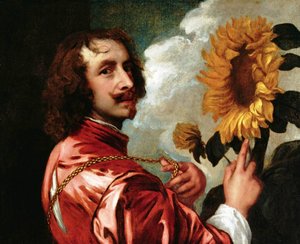
Antoni van Dyck
1599 - 1641 , Belgia
Krótka nota
- Artistic Movement Or Style: Barokowy
- Artists Or Movements Influenced By This Artist: ['Angielskie malarstwo']
- Artists Who Influenced This Artist: ['Rubens']
- Date Of Birth: 22 marca 1599
- Date Of Death: 9 grudnia 1641
- Full Name: Sir Anthony van Dyck
- Nationality: Flamandzki
- Notable Artworks:
- Portret kobiety
- Portret Karola I
- Lord John Stuart
- Place Of Birth: Antwerp, Belgia

