() ·

A painting made for you, by hand

Philippe Le Roy

Ręcznie malowana reprodukcja olejowa

Ręcznie malowany obraz olejny na płótnie, wykonany na zamówienie przez naszych artystów w wybranym przez Ciebie wymiarze i oprawie. ( Przełącz na wydania drukowane Przejdź do wersji cyfrowej)

Opis obiektu

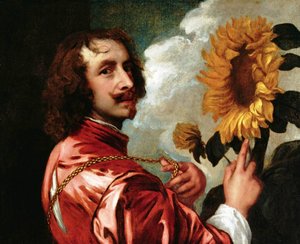
Sir Anthony van Dyck’s opulent Philippe Le Roy captures Baroque elegance through dramatic chiaroscuro lighting and meticulous detail—a portrait of nobility illuminated by masterful technique and reflecting the grandeur of 17th-century European courts. Explore this iconic masterpiece.

Biografia artysty

Antoni van Dyck, Van Dyck, malarstwo barokowe, portret, król Karol I, Rubens, XVII wiek, sztuka brytyjska

from ·

Chapter 1

How large should it be?

Slide to change the size; the picture on the left shows the frame at its real width. The proportions of the original are kept.

Standardowy format
personalizowane
CM
INCH

Wybierz spośród naszych standardowych rozmiarów, które zachowują oryginalne proporcje dzieła sztuki.

szerokość
wysokość

Wpisz wymaganą szerokość i wysokość, aby obraz pasował do Twojej ramy lub ściany. Ponieważ jest to dzieło malowane ręcznie, w przypadku rozmiaru o innych proporcjach artysta może domalować nieco więcej wokół obrazu lub przyciąć jego fragmenty — wybór należy do Ciebie. Przed rozpoczęciem pracy prześlemy Ci cyfrową wizualizację do zatwierdzenia. Obraz widoczny na tej stronie nie przedstawia rzeczywistego efektu — jedynie wizualizacja oddaje realny rezultat.

Chapter 2

How should it arrive?

Choose the edges of the stretched canvas

Choose your frame

Corner sample of the WhiteWrap canvas edge finish, stretched on lite drewno bars
White zł1
Corner sample of the BlurSideWrap canvas edge finish, stretched on lite drewno bars
Blurside zł1
Corner sample of the ExtendedWrap canvas edge finish, stretched on lite drewno bars
Extended zł1
Corner sample of the P118B picture frame: polistyren formowany, 5 cm wide and 3 cm thick
P118B zł10
Corner sample of the P118H picture frame: polistyren formowany, 5 cm wide and 3 cm thick
P118H zł10
Corner sample of the P118W picture frame: polistyren formowany, 5 cm wide and 3 cm thick
P118W zł10
Corner sample of the P438Z picture frame: polistyren formowany, 5.5 cm wide and 3.5 cm thick
P438Z zł10
Corner sample of the P508JH picture frame: polistyren formowany, 7 cm wide and 3.5 cm thick
P508JH zł12
Corner sample of the P508YH picture frame: polistyren formowany, 7 cm wide and 3.5 cm thick
P508YH zł12
Corner sample of the P805H picture frame: polistyren formowany, 5 cm wide and 3.5 cm thick
P805H zł10
Corner sample of the P805Z picture frame: polistyren formowany, 5 cm wide and 3.5 cm thick
P805Z zł10
Corner sample of the P919BZ picture frame: polistyren formowany, 7 cm wide and 3.5 cm thick
P919BZ zł10
Corner sample of the P919G picture frame: polistyren formowany, 7 cm wide and 3.5 cm thick
P919G zł10
Corner sample of the P919XJ picture frame: polistyren formowany, 7 cm wide and 3.5 cm thick
P919XJ zł10
Corner sample of the P959ZH picture frame: polistyren formowany, 5 cm wide and 3 cm thick
P959ZH zł10
Corner sample of the P968JZ picture frame: polistyren formowany, 6 cm wide and 4 cm thick
P968JZ zł12
Corner sample of the W106C picture frame: lite drewno, 5 cm wide and 3 cm thick
W106C zł8
Corner sample of the W218G picture frame: lite drewno, 5 cm wide and 3 cm thick
W218G zł10
Corner sample of the W218JH picture frame: lite drewno, 5 cm wide and 3 cm thick
W218JH zł8
Corner sample of the W218Y picture frame: lite drewno, 5 cm wide and 3 cm thick
W218Y zł10
Corner sample of the W307PJ picture frame: lite drewno, 6 cm wide and 3 cm thick
W307PJ zł10
Corner sample of the W316G picture frame: lite drewno, 6 cm wide and 3 cm thick
W316G zł10
Corner sample of the W316PJ picture frame: lite drewno, 6 cm wide and 3 cm thick
W316PJ zł8
Corner sample of the W316Y picture frame: lite drewno, 6 cm wide and 3 cm thick
W316Y zł10
Corner sample of the W398PJ picture frame: lite drewno, 5 cm wide and 3 cm thick
W398PJ zł8
Corner sample of the W4111J picture frame: lite drewno, 6.5 cm wide and 3.5 cm thick
W4111J zł10
Corner sample of the W500HY picture frame: lite drewno, 7 cm wide and 5 cm thick
W500HY zł15
Corner sample of the W500JH picture frame: lite drewno, 7 cm wide and 5 cm thick
W500JH zł15
Corner sample of the W692G picture frame: lite drewno, 8 cm wide and 4 cm thick
W692G zł12
Corner sample of the W849H picture frame: lite drewno, 5 cm wide and 3 cm thick
W849H zł8
Corner sample of the W940BG picture frame: lite drewno, 7.5 cm wide and 4.5 cm thick
W940BG zł15
Corner sample of the W953PJ picture frame: lite drewno, 6 cm wide and 3.5 cm thick
W953PJ zł8
Corner sample of the H24-GOLD picture frame: rzeźbione drewno pokryte gipsem, 10 cm wide and 6 cm thick
H24-GOLD zł30
Corner sample of the H24-SILVER picture frame: rzeźbione drewno pokryte gipsem, 10 cm wide and 6 cm thick
H24-SILVER zł30
Corner sample of the H36-GOLD picture frame: rzeźbione drewno pokryte gipsem, 15 cm wide and 6.5 cm thick
H36-GOLD zł45
Corner sample of the H36-SILVER picture frame: rzeźbione drewno pokryte gipsem, 15 cm wide and 6.5 cm thick
H36-SILVER zł45

Moulding: . Overall size with the frame: .

Chapter 3

Who paints it, and should anything change?

Examples of what can be changed: Replace face with customer photo; Add pet (e.g., replace cat with dog); Include hidden message in background; Change background landscape or elements.
After order, OriginalUniqueArt.com team will email client for instructions and provide a mockup preview

Dostawa na całym świecie () w ciągu 3–4 tygodni zamiast standardowych 5 tygodni. (1 Listopad). Bez kompromisów w kwestii jakości.

Chapter 4

The finishing touches

A nameplate, as in a museum?

Szczegóły grawerowanej brązowej tabliczki

This elegant plaque features the artist's name and the title of the artwork, finely engraved for a timeless presentation.

It is made from bronze with a refined, elegant finish. The text is precisely laser-engraved for a sharp and permanent result. Measuring 9x2 cm, the plaque is compact yet easy to read. It's built to be durable and scratch-resistant, offering a professional, museum-quality look. Mounting is simple thanks to the included adhesive backing.

Szczegóły przezroczystej tabliczki akrylowej

The plaque includes essential engraved details such as the artist's name, the title of the artwork, the date it was created, the type of media used-like oil on canvas or watercolor-a brief description of the piece, and a QR code that links to the complete artwork information.

It is crafted from clear acrylic, offering a sleek, modern appearance. The text is UV-engraved in black to ensure strong visual contrast. With a size of 10x15 cm, it ensures optimal readability. It comes equipped with two metal hooks for secure wall mounting. The plaque is designed to be weather-resistant, making it suitable for various environments, and it includes interactive features that work seamlessly with smartphone scanning.

Szczegóły czarnej tabliczki akrylowej

This elegant plaque includes engraved information such as the artist's name, the title of the artwork, the date it was created, the type of media used (like oil on canvas or watercolor), a short description of the artwork, and a QR code for quick access to more information.

The plaque itself is made from refined black acrylic with a premium finish. The text is laser-engraved in white for high contrast and readability. Its size is 10x15 cm, designed to be easy to read. It comes with two metal hooks for professional mounting. The design is sleek and fits any interior style. It is also weather-resistant and durable, with built-in digital integration for mobile compatibility.

A protective varnish?

When do you need it?

Chapter 5

Your painting, as you ordered it

Philippe Le Roy

Technika reprodukcji

Wymiary reprodukcji

-

Wybitny mistrz artystyczny

Większa szczegółowość, finezja i dodatkowy czas na realizację

-

Opcje oprawy reprodukcji

-

-

W przypadku dzieł sztuki lub reprodukcji, których którykolwiek z boków przekracza 105 cm (około 41 cali), rama zostanie wysłana w formie zestawu do samodzielnego montażu. Metoda ta zapewnia bezpieczną dostawę i zapobiega uszkodzeniom podczas transportu.

Wymagany profesjonalny montaż – nie jest to produkt typu DIY.
Zestaw musi zostać złożony, a płótno naciągnięte przez doświadczonego profesjonalnego ramiarza, przy użyciu kleju do drewna (brak w zestawie), kleszczy do naciągania płótna oraz ścisków, które utrzymają krosna w równej pozycji podczas schnięcia kleju. Nieprawidłowy montaż lub nierównomierne napięcie płótna może trwale uszkodzić dzieło sztuki i nie podlega naszej gwarancji.

  • W zestawie znajdują się wszystkie listwy z litego drewna, precyzyjnie docięte do wymiarów.

  • Montaż odbywa się przy użyciu dołączonych wkrętów oraz kleju do drewna do łączenia narożników, którego zestaw nie zawiera i który musi zostać dostarczony przez ramiarza.

  • Wymagane są profesjonalne narzędzia, których nie ma w zestawie: kleszcze do naciągania płótna (napinacz) oraz zaciski, które pozwolą utrzymać listwy w równej pozycji podczas schnięcia kleju.

Ważne:
Do połączenia narożników niezbędny jest klej do drewna, listwy należy unieruchomić za pomocą ścisków do momentu całkowitego wyschnięcia kleju, a naciągnięcie płótna na złożoną ramę wymaga użycia kleszczy do naciągania płótna. Żaden z tych elementów nie jest dołączony do zestawu. Przed zamówieniem tego rozmiaru zalecamy konsultację z doświadczonym ramiarzem.

Etykieta obiektu

-

-

Lakier ochronny

Lakier z połyskiem (pogłębia kolory, chroni przed światłem i wilgocią)

-

Personalizacja dzieła

Przykłady możliwości personalizacji: zastąp twarz zdjęciem klienta; dodaj zwierzę domowe (np. zamień kota na psa); umieść ukrytą wiadomość w tle; zmień krajobraz lub elementy tła.

-

Ekspresowa

Dostawa na cały świat () w ciągu 3–4 tygodni zamiast standardowych 5 tygodni. (1 Listopad). Bez kompromisów w kwestii jakości.

-

Przesyłka ekspresowa

Dostawa na cały świat () w ciągu 5 tygodni. (8 Listopad).

W cenie

Cena całkowita

zł 1167

Suma całkowita zł 1167

Opcja ze szkłem jest dostępna wyłącznie w rozmiarach poniżej 110 cm

Included with every order

  • Bezpłatna ekspresowa wysyłka na cały świat
  • Wysokiej jakości płótno lniane
  • Pełne ubezpieczenie przesyłki
  • Gwarancja zwrotu należności celnych i podatków importowych
  • Gwarancja wiernego odwzorowania kolorów
  • 100-dniowa polityka zwrotów (tylko w przypadku wad)
  • Gwarancja 100% zwrotu pieniędzy
  • Zniżka przy zakupie wielu sztuk

A Vision of Baroque Grandeur

To step before Sir Anthony van Dyck’s “Philippe Le Roy” is to be transported directly into the opulent heart of the seventeenth century. This masterpiece, executed around 1630, serves as a breathtaking window into an era where portraiture was far more than mere likeness; it was a carefully orchestrated performance of power, prestige, and poise. The painting captures Philippe Le Roy, a figure of significant standing, presented with a theatricality that defines the very essence of the Baroque period. As the eye meets the sitter, one is immediately struck by the profound sense of dignity and the quiet, commanding presence that radiates from the canvas, making it an irresistible centerpiece for any collection dedicated to the golden age of European nobility.

Van Dyck, a Flemish master who would eventually become the preeminent court painter for the English monarchy, utilizes a sophisticated chiaroscuro technique to breathe life into the composition. The dramatic interplay between light and shadow does not merely illuminate the subject; it sculpts him. A strong, directional light source sweeps across the frame, catching the crisp edges of a white lace collar and the subtle sheen of a powdered wig, while allowing the background to recede into a mysterious, atmospheric depth of muted blues and earthy browns. This mastery of light creates a palpable three-dimensionality, inviting the viewer to feel the weight of the heavy fabrics and the delicate texture of the dog’s fur.

Symbolism and the Art of Presence

Beyond the technical brilliance lies a rich tapestry of symbolic meaning that speaks to the values of the Dutch Golden Age and the European aristocracy. The inclusion of the faithful dog at Le Roy's side is far from incidental; in the visual language of the time, such a companion served as a poignant emblem of loyalty, constancy, and domestic devotion. This pairing of man and beast softens the formal rigidity of the portrait, injecting a sense of warmth and humanity into an otherwise highly structured social statement. The composition itself, built upon a stable triangular form, draws the viewer’s gaze upward toward Le Roy's face, ensuring that his expression—one of refined, effortless sprezzatura—remains the emotional anchor of the work.

For the discerning interior designer or art collector, this piece offers an unparalleled opportunity to introduce a sense of historical gravity and timeless elegance into a space. The meticulous rendering of textures—from the intricate architecture of the lace cuffs to the soft, tactile quality of the animal's coat—provides a sensory richness that complements both classical and contemporary settings. Whether placed in a grand library or a sophisticated modern salon, a high-quality reproduction of this work does more than decorate a wall; it curates an atmosphere of intellectual depth and aesthetic splendor, celebrating the enduring legacy of one of history’s most influential portraitists.

Pytania i odpowiedzi

Ile lat miał Antoni van Dyck, gdy powstało dzieło „Philippe Le Roy”?

Antoni van Dyck miał 31 lat w momencie powstania „Philippe Le Roy” w 1630. Wiek ten obliczono na podstawie roku urodzenia artysty, 1599.

Kiedy powstało dzieło "Philippe Le Roy" i do jakiego nurtu należy?

"Philippe Le Roy" powstało w 1630 roku jako dzieło należące do nurtu Baroque Portraiture. Data powstania oraz przynależność do tego kierunku osadzają dzieło w kontekście historii sztuki.

Jaki nastrój wprowadzi Philippe Le Roy do wnętrza?

Dramatic atmosfera dzieła „Philippe Le Roy” – Antoni van Dyck idealnie współgra z polecaną przestrzenią: jest nią Hotel Lobby.

More about this painting

Podgląd w skali 1:1 Podgląd AR Przełącz na wydania drukowane Przejdź do wersji cyfrowej Wyślij jako kartkę
Szczegóły dzieła Przewodnik Dodaj do ulubionych Pobierz obraz Podobne obiekty RTG Pokaz slajdów Q&A Statystyki

In numbers

  • 1630the year it was painted
  • 29frames to choose from
  • standard sizes, in its own proportions
  • 5weeks to paint and deliver it
Antoni van Dyck

Antoni van Dyck

1599 - 1641, Belgia

Quick facts about Antoni van Dyck

  • Artistic Movement Or Style: Barokowy
  • Artists Or Movements Influenced By This Artist: ['Angielskie malarstwo']
  • Artists Who Influenced This Artist: ['Rubens']
  • Date Of Birth: 22 marca 1599
  • Date Of Death: 9 grudnia 1641
  • Full Name: Sir Anthony van Dyck
  • Nationality: Flamandzki
  • Notable Artworks:
    • Portret kobiety
    • Portret Karola I
    • Lord John Stuart
  • Place Of Birth: Antwerp, Belgia

Biografia artysty

A Flemish Master at the Courts of Europe

Sir Anthony van Dyck, born in Antwerp in 1599, emerged as one of the most celebrated and influential portraitists of the Baroque era. His life, though tragically cut short at just forty-two years old, was a whirlwind of artistic exploration and prestigious commissions that took him from his native Flanders to Italy and ultimately to the heart of the English court. From an early age, van Dyck displayed remarkable talent, entering Hendrick van Balen’s workshop as a young apprentice and quickly absorbing the prevailing styles of the time. However, it was his association with Peter Paul Rubens – not merely as a student but as a collaborator – that truly shaped his artistic foundation. He learned from Rubens' dynamic compositions, rich color palettes, and masterful handling of light and shadow, yet van Dyck soon began to forge his own distinct path, one characterized by an elegance and refinement that would become his signature. This early apprenticeship instilled in him a deep understanding of anatomy, perspective, and the dramatic use of color – elements he skillfully integrated into his later works.

Italian Sojourns and the Birth of a Style

The years van Dyck spent in Italy, beginning around 1621, proved pivotal in his artistic development. He resided primarily in Genoa, where he found favor among the city’s aristocratic families. It was here that he began to cultivate the sophisticated style for which he would become renowned – a style marked by graceful poses, luxurious fabrics, and an almost palpable sense of nobility. Unlike the robust energy often found in Rubens' work, van Dyck’s Italian portraits exuded a refined composure, capturing not just physical likeness but also the inner character and social standing of his sitters. He meticulously studied the works of Titian and other Venetian masters, adopting their use of light and shadow to create dramatic effects and emphasizing the beauty of the human form. During this period, he also embarked on his *Iconography*, a series of meticulously rendered portrait etchings featuring prominent figures of his time – artists, scholars, and rulers alike. This project showcased his exceptional technical skill and established him as a leading printmaker; it was a deliberate effort to elevate the status of the artist himself, presenting portraits alongside works of art and literature. These etchings weren’t simply records; they were carefully constructed images designed to immortalize the subjects and convey their status and intellect.

The King's Painter: Van Dyck in England

In 1632, van Dyck received an invitation that would forever alter his career trajectory – a summons from Charles I of England to become the court painter. This appointment marked a turning point, not only for van Dyck but also for English portraiture. He arrived in London with a considerable reputation and quickly became indispensable to the king, tasked with creating images that projected an aura of power, majesty, and divine right. Van Dyck’s portraits of Charles I are particularly noteworthy; he moved away from the stiff, formal representations favored by earlier artists, instead portraying the king as a dynamic, charismatic leader. He employed innovative techniques – dramatic lighting, sweeping gestures, and carefully chosen backgrounds – to create images that were both visually stunning and politically charged. His influence extended beyond the royal family, shaping the visual culture of the English aristocracy for generations to come. He didn’t just paint portraits; he crafted an image of kingship, influencing how royalty was perceived for over a century. The court demanded a new kind of portraiture – one that captured not just appearance but also character and authority, and van Dyck delivered precisely that.

Legacy and Enduring Influence

Van Dyck's untimely death in 1641 robbed the art world of a prodigious talent, but his legacy endures to this day. His impact on English portraiture is immeasurable; he established a standard of elegance and sophistication that subsequent artists would strive to emulate.
  • Technical Innovation: He was a master of both oil painting and etching, constantly experimenting with new techniques – particularly in the use of light and shadow to create depth and drama.
  • Stylistic Refinement: His portraits are characterized by their graceful poses, luxurious fabrics, and subtle psychological insights; he possessed an uncanny ability to capture the essence of his sitters.
  • Courtly Influence: He transformed the image of the English monarchy, creating a visual language of power and prestige that resonated throughout the nation.
Beyond his technical prowess, van Dyck possessed an exceptional ability to capture the essence of his sitters – their personality, their social standing, and their aspirations. His works continue to captivate audiences with their beauty, elegance, and enduring psychological depth. The Balbi Children, Charles I in Three Positions, and countless other masterpieces stand as testaments to his genius, ensuring that Sir Anthony van Dyck remains one of the most celebrated artists of the Baroque period. His influence can still be seen today in fashion, photography, and contemporary portraiture, a testament to the timeless appeal of his art.

Key Influences

Van Dyck’s artistic development was shaped by a confluence of influences. Initially, he studied under Hendrick van Balen, absorbing the Northern Renaissance style characterized by detailed realism and meticulous observation. However, it was his association with Peter Paul Rubens that proved transformative. Rubens' dynamic compositions, rich color palettes, and masterful use of light and shadow profoundly impacted van Dyck’s approach to painting. Furthermore, his time in Italy exposed him to the Venetian masters, particularly Titian, whose loose brushwork and emphasis on atmospheric perspective influenced his later style. The influence of these diverse sources combined to create a unique artistic voice that would define van Dyck's legacy as one of the greatest portraitists of all time.

Najważniejsze informacje

  • Artist: Sir Anthony van Dyck
  • Year: 1630
  • Notable elements or techniques: Dramatic lighting (chiaroscuro), Detailed drapery, Lace collar & cuffs
  • Artistic style: Elegant Portraiture
  • Location: Private Collection
  • Movement: Baroque

Quiz o sztuce

Do każdego pytania dotyczy tylko jedna poprawna odpowiedź.

Pytanie 1:
What artistic movement is Anthony van Dyck’s ‘Philippe Le Roy’ considered a prominent example of?
Pytanie 2:
The portrait depicts Philippe Le Roy alongside his dog. What does this pairing symbolize?
Pytanie 3:
Van Dyck’s technique utilizes chiaroscuro – dramatic lighting – to achieve what effect?
Pytanie 4:
During which period was ‘Philippe Le Roy’ created, reflecting the artistic fervor of its time?
Pytanie 5:
What compositional element emphasizes Philippe Le Roy's dignified presence in the portrait?