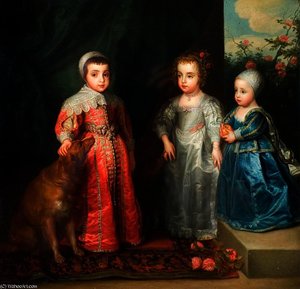
Podgląd w skali 1:1
 Wyślij jako kartkę
 Udostępnij
 Szczegóły dzieła
 Przewodnik

 Pobierz obraz
 Podobne obiekty
 RTG
RTG Pokaz slajdów
 Pytania i odpowiedzi
 Statystyki
Karol I na koniu

- 365.0 x 289.0 cm


 Rozwiń treść
Giclée / Wydruk artystyczny
Wydruki giclée lub płótna o jakości muzealnej, szybka realizacja i szeroki wybór opcji wykończenia. ( Zamów ręcznie malowaną reprodukcję Przejdź do wersji cyfrowej)




P118B zł10

P118H zł10

P118W zł10

P438Z zł10

P508JH zł12

P508YH zł12

P805H zł10

P805Z zł10

P919BZ zł10

P919G zł10

P919XJ zł10

P959ZH zł10

P968JZ zł12

W106C zł8

W218G zł10

W218JH zł8

W218Y zł10

W307PJ zł10

W316G zł10

W316PJ zł8

W316Y zł10

W398PJ zł8

W4111J zł10

W500HY zł15

W500JH zł15

W692G zł12

W849H zł8

W940BG zł15

W953PJ zł8




Wybierz spośród naszych standardowych rozmiarów, które zachowują oryginalne proporcje dzieła sztuki.

Wpisz wymaganą szerokość i wysokość, aby dopasować grafikę do ramy lub ściany. Wydruk można jedynie przyciąć, nigdy nie powiększając go poza oryginalny obraz, dlatego format o innych proporcjach spowoduje utratę części kompozycji. Przed rozpoczęciem druku prześlemy Ci cyfrowy podgląd do zatwierdzenia. Obraz wyświetlany na tej stronie nie pokazuje rzeczywistego przycięcia — jedynie podgląd oddaje ten efekt.
Dostawa na cały świat () w ciągu 2 tygodni zamiast standardowych 4/5 tygodni. (5 Listopad)

Bezpłatna ekspresowa wysyłka na cały świat

Wysokiej jakości płótno lniane

Pełne ubezpieczenie przesyłki

Gwarancja zwrotu należności celnych i podatków importowych

Gwarancja wiernego odwzorowania kolorów

100-dniowa polityka zwrotów (tylko w przypadku wad)

Gwarancja 100% zwrotu pieniędzy

Zniżka przy zakupie wielu sztuk
 Opcja ze szkłem jest dostępna wyłącznie w rozmiarach poniżej 110 cm

Karol I na koniu
Giclée / Wydruk artystyczny
Wymiary reprodukcji
-


Cena całkowita
zł 317
Majestat Króla: Odsłanianie Jeździeckiego Portretu Sir Anthoine’a van Dycka
„Charles I na koniu”, namalowany przez Sir Anthoine’a van Dycka w 1635 roku, to coś więcej niż tylko portret; to starannie skonstruowane oświadczenie o władzy, autorytecie i zmieniającej się roli monarchii. To wspaniałe dzieło wykracza poza zwykłą reprezentację, oferując wgląd w umysł króla Karola I podczas przełomowego momentu w historii Anglii – czasu niepokojów politycznych i rodzącej się tożsamości narodowej. Van Dyck, już ugruntowujący swoją pozycję jako czołowy malarz dworski w Anglii po przybyciu z Niderlandów, mistrzowsko wykorzystał swój charakterystyczny styl, aby wynieść obraz króla, obdarzając go aurą zarówno królewskiej siły, jak i kontemplacyjnej mądrości.
Obraz natychmiast przyciąga wzrok swoją ogromną skalą – imponujący płótno o wymiarach 365 x 289 cm. Karol I przedstawiony jest w pełnym ekwipaggiu jeździeckim, siedząc na bogato zdobionym brązowym koniu, a jego postawa emanuje pewnością siebie i kontrolą. Zbroja, starannie oddana z lśniącymi powierzchniami i skomplikowanymi detalami, mówi o męstwie oczekiwanym od monarchy, jednocześnie sugerując ciężar przywództwa. Warto zwrócić uwagę na subtelną asymetrię pozy; wzrok Karola jest skierowany lekko w dół, co sugeruje głębokie namysły nad sprawami wykraczającymi poza bezpośrednią scenę – celowy zabieg dodający portretowi warstw psychologicznej głębi.
Symfonia Techniki i Koloru Baroku
Mistrzostwo Van Dycka jako malarza jest widoczne w każdym pociągnięciu pędzla. Wykazuje się niezwykłym opanowaniem światła i cienia, tworząc wrażenie objętości i realizmu rzadko osiągane w tamtym czasie. Sam koń został oddany z zadziwiającą dokładnością anatomiczną – jego muskulatura jest napięta i potężna, przekazując zarówno wdzięk, jak i siłę. Użycie koloru jest powściągliwe, lecz wyrafinowane; dominują głębokie brązy i złoto, przeplatane błyskami karmazynu w królewskich szatach i subtelnymi refleksami na zbroi. Ta paleta przyczynia się do poczucia formalności i przepychu, idealnie pasując do portretowania króla.
Co więcej, technika Van Dycka ukazuje jego biegłość w malarstwie olejnym. Stosuje on podejście warstwowe, stopniowo budując kolor za pomocą cienkich przejrzystych warstw farby (glazur), które tworzą świetliste efekty i subtelne przejścia między tonami. Detale – faktura grzywy konia, skomplikowane wzory na siodle, fałdy w ubraniu Karola – są oddane z żmudną precyzją, odzwierciedlając poświęcenie Van Dycka uchwycenia zarówno formy, jak i atmosfery. Tło, choć nieco nieokreślone, jest mistrzowsko zaaranżowane, nadając poczucie głębi i kontekstu bez rozpraszania uwagi od centralnej postaci.
Symbolika i Kontekst Historyczny
Poza technicznym blaskiem, „Charles I na koniu” jest bogaty w symbolikę. Sam koń reprezentuje władzę, szlachetność i potęgę militarną – cechy niezbędne dla autorytetu monarchy. Włączenie służby, subtelnie umieszczonej w tle, wzmacnia pozycję Karola jako suwerennego władcy. Tabliczka z jego imieniem i tytułem służy jako wizualna afirmacja jego legitymizacji i prawa do rządzenia. Należy zauważyć, że portret ten powstał w okresie intensywnych napięć politycznych w Anglii, tuż przed wybuchem angielskiej wojny domowej. Kontemplacyjny wyraz twarzy Karola można interpretować jako odzwierciedlenie wyzwań, z jakimi się mierzył – walki o władzę przeciwko Parlamentowi i jego przeciwnikom.
Ciekawym aspektem jest to, że dzieło Van Dycka nawiązuje do wcześniejszych portretów jeździeckich, zwłaszcza przedstawienia cesarza Karola V przez Tycjana. Ten związek podkreśla trwałą tradycję używania koni jako symbolu władzy cesarskiej. Jednakże Van Dyck podnosi ten motyw, nadając mu wyraźnie angielską wrażliwość – mieszankę klasycznego przepychu i rodzącej się tożsamości narodowej. Obraz nie jest jedynie portretem króla; jest wizualnym ucieleśnieniem epoki.
Wieczny Arcydzieło: Możliwości Reprodukcji
OriginalUniqueArt oferuje starannie wykonane, ręcznie malowane reprodukcje „Charles I na koniu”, pozwalając Wam przenieść to ikoniczne dzieło sztuki do Waszego domu lub biura. Nasi wykwalifikowani artyści replikują mistrzowską technikę i niuansowaną paletę barw Van Dycka z wyjątkową dokładnością, zapewniając, że Wasza reprodukcja uchwyci pełne piękno i historyczne znaczenie oryginału. Niezależnie od tego, czy jestcie kolekcjonerami sztuki, projektantami wnętrz, czy po prostu miłośnikami sztuki pięknej, nasze reprodukcje stanowią oszałamiający sposób na doświadczenie tego niezwykłego arcydzieła.
Pytania i odpowiedzi
Jakie emocje budzi „Karol I na koniu” – Antoni van Dyck?
Nastrój utrwalony w „Karol I na koniu” – Antoni van Dyck to Elegancja, a jego ton emocjonalny to Melancholijny.
Jaką kolorystykę wykorzystuje "Karol I na koniu"?
Kolory dzieła "Karol I na koniu" tworzą Barwy ziemi paletę barw. Klasyfikacja ta opisuje dominujące rodziny kolorystyczne.
Jaką harmonię kolorów prezentuje „Karol I na koniu” – Antoni van Dyck?
Harmonia kolorystyczna dzieła "Karol I na koniu" została określona jako Silna spójność kolorystyczna.
Biografia artysty
A Flemish Master at the Courts of Europe
Sir Anthony van Dyck, born in Antwerp in 1599, emerged as one of the most celebrated and influential portraitists of the Baroque era. His life, though tragically cut short at just forty-two years old, was a whirlwind of artistic exploration and prestigious commissions that took him from his native Flanders to Italy and ultimately to the heart of the English court. From an early age, van Dyck displayed remarkable talent, entering Hendrick van Balen’s workshop as a young apprentice and quickly absorbing the prevailing styles of the time. However, it was his association with Peter Paul Rubens – not merely as a student but as a collaborator – that truly shaped his artistic foundation. He learned from Rubens' dynamic compositions, rich color palettes, and masterful handling of light and shadow, yet van Dyck soon began to forge his own distinct path, one characterized by an elegance and refinement that would become his signature. This early apprenticeship instilled in him a deep understanding of anatomy, perspective, and the dramatic use of color – elements he skillfully integrated into his later works.Italian Sojourns and the Birth of a Style
The years van Dyck spent in Italy, beginning around 1621, proved pivotal in his artistic development. He resided primarily in Genoa, where he found favor among the city’s aristocratic families. It was here that he began to cultivate the sophisticated style for which he would become renowned – a style marked by graceful poses, luxurious fabrics, and an almost palpable sense of nobility. Unlike the robust energy often found in Rubens' work, van Dyck’s Italian portraits exuded a refined composure, capturing not just physical likeness but also the inner character and social standing of his sitters. He meticulously studied the works of Titian and other Venetian masters, adopting their use of light and shadow to create dramatic effects and emphasizing the beauty of the human form. During this period, he also embarked on his *Iconography*, a series of meticulously rendered portrait etchings featuring prominent figures of his time – artists, scholars, and rulers alike. This project showcased his exceptional technical skill and established him as a leading printmaker; it was a deliberate effort to elevate the status of the artist himself, presenting portraits alongside works of art and literature. These etchings weren’t simply records; they were carefully constructed images designed to immortalize the subjects and convey their status and intellect.The King's Painter: Van Dyck in England
In 1632, van Dyck received an invitation that would forever alter his career trajectory – a summons from Charles I of England to become the court painter. This appointment marked a turning point, not only for van Dyck but also for English portraiture. He arrived in London with a considerable reputation and quickly became indispensable to the king, tasked with creating images that projected an aura of power, majesty, and divine right. Van Dyck’s portraits of Charles I are particularly noteworthy; he moved away from the stiff, formal representations favored by earlier artists, instead portraying the king as a dynamic, charismatic leader. He employed innovative techniques – dramatic lighting, sweeping gestures, and carefully chosen backgrounds – to create images that were both visually stunning and politically charged. His influence extended beyond the royal family, shaping the visual culture of the English aristocracy for generations to come. He didn’t just paint portraits; he crafted an image of kingship, influencing how royalty was perceived for over a century. The court demanded a new kind of portraiture – one that captured not just appearance but also character and authority, and van Dyck delivered precisely that.Legacy and Enduring Influence
Van Dyck's untimely death in 1641 robbed the art world of a prodigious talent, but his legacy endures to this day. His impact on English portraiture is immeasurable; he established a standard of elegance and sophistication that subsequent artists would strive to emulate.- Technical Innovation: He was a master of both oil painting and etching, constantly experimenting with new techniques – particularly in the use of light and shadow to create depth and drama.
- Stylistic Refinement: His portraits are characterized by their graceful poses, luxurious fabrics, and subtle psychological insights; he possessed an uncanny ability to capture the essence of his sitters.
- Courtly Influence: He transformed the image of the English monarchy, creating a visual language of power and prestige that resonated throughout the nation.
Key Influences
Van Dyck’s artistic development was shaped by a confluence of influences. Initially, he studied under Hendrick van Balen, absorbing the Northern Renaissance style characterized by detailed realism and meticulous observation. However, it was his association with Peter Paul Rubens that proved transformative. Rubens' dynamic compositions, rich color palettes, and masterful use of light and shadow profoundly impacted van Dyck’s approach to painting. Furthermore, his time in Italy exposed him to the Venetian masters, particularly Titian, whose loose brushwork and emphasis on atmospheric perspective influenced his later style. The influence of these diverse sources combined to create a unique artistic voice that would define van Dyck's legacy as one of the greatest portraitists of all time.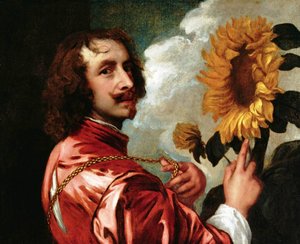
Antoni van Dyck
1599 - 1641 , Belgia
Krótka nota
- Artistic Movement Or Style: Barokowy
- Artists Or Movements Influenced By This Artist: ['Angielskie malarstwo']
- Artists Who Influenced This Artist: ['Rubens']
- Date Of Birth: 22 marca 1599
- Date Of Death: 9 grudnia 1641
- Full Name: Sir Anthony van Dyck
- Nationality: Flamandzki
- Notable Artworks:
- Portret kobiety
- Portret Karola I
- Lord John Stuart
- Place Of Birth: Antwerp, Belgia
Powiązane artykuły
Potęga i Emocje w Portrecie Barokowym: Innowacje Artystyczne i Odzwierciedlenie Epoki
Odkryj potęgę i emocje w portrecie barokowym! Analiza innowacyjnych technik malarskich, realizmu Velázqueza i wpływu sztuki na społeczeństwo. Ekspercka wiedza o historii i interpretacji dzieł.

Charles-André van Loo: A Study in Rococo Portraiture & the French Court's Artistic Dynamics
Explore the elegant world of Charles-André van Loo, a master of Rococo portraiture at the French court. Discover his life, techniques, and enduring influence on 18th-century art. Hand-painted reproductions available.

Rembrandt van Rijn: 25 Najwybitniejszych Dzieł Sztuki – Reprodukcje i Inspiracje do Wnętrz
Poznaj 25 arcydzieł Rembrandta van Rijn! Odkryj fascynujące historie, techniki i wpływ holenderskiego mistrza baroku na świat sztuki. Reprodukcje obrazów najwyższej jakości – inspiracje do wnętrz na OriginalUniqueArt.com
Sir Anthony van Dyck: Courtly Portraiture & the Shaping of Baroque Identity
Explore the life & legacy of Sir Anthony van Dyck, the leading court painter of his era. Discover his innovative portraiture, Baroque masterpieces, and investment potential for discerning collectors. Learn more at OriginalUniqueArt.

Holenderski Barok: 10 Arcydzieł, Które Zdefiniowały Epokę | OriginalUniqueArt
Poznaj 10 arcydzieł holenderskiego baroku! Odkryj historie Rembrandta, Vermeera i innych mistrzów XVII wieku. Reprodukcje obrazów najwyższej jakości – idealne do Twojego wnętrza. OriginalUniqueArt.com