
 Wyślij jako kartkę
 Udostępnij
 Szczegóły dzieła
 Przewodnik

 Pobierz obraz
 Podobne obiekty
 Pokaz slajdów
 Statystyki
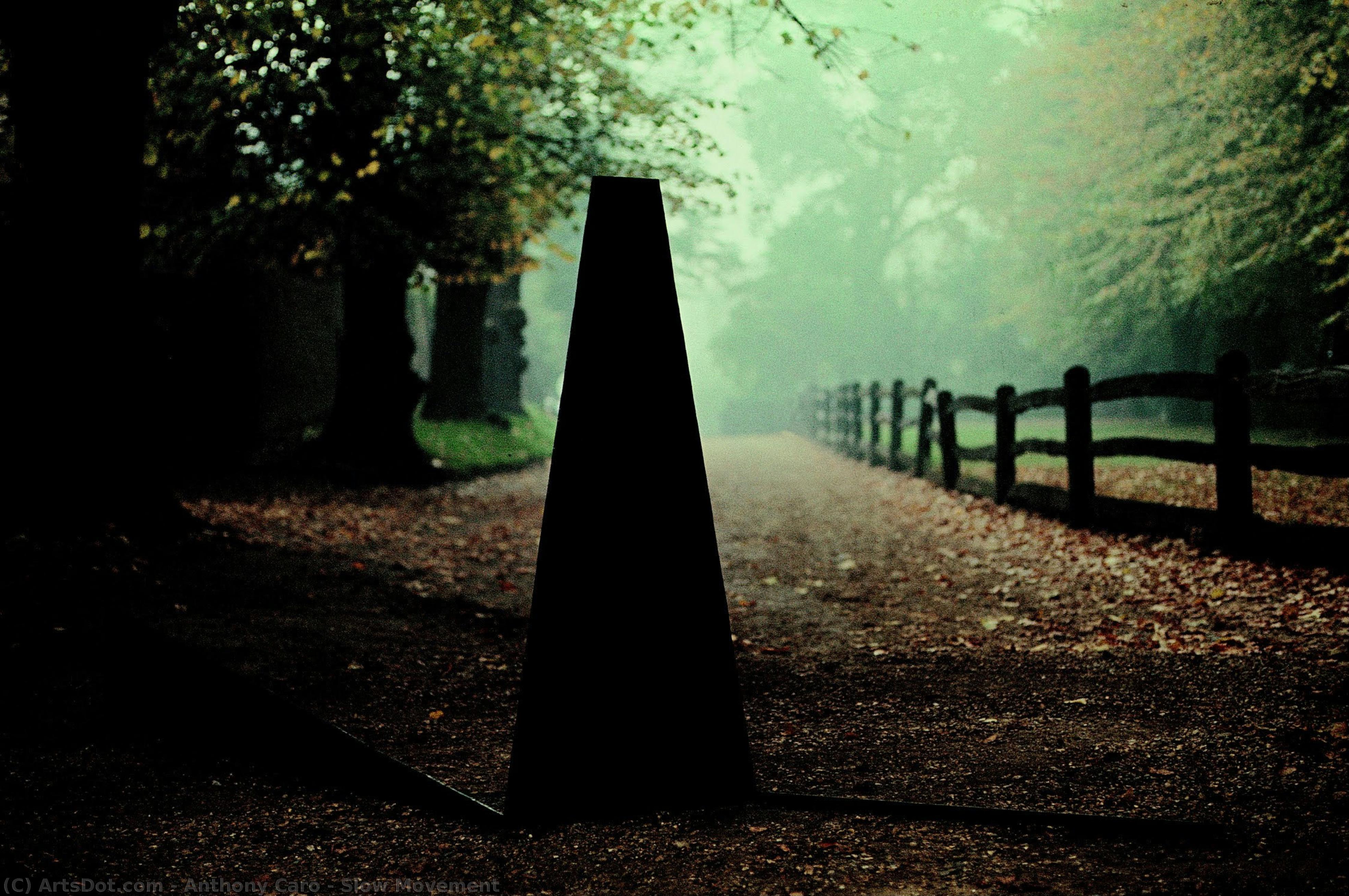
Slow Movement


 Rozwiń treść
Otrzymaj plik gotowy do druku, którego jakość znacznie przewyższa podgląd internetowy. Każdy sprzedawany przez nas obraz cyfrowy pochodzi z wysokorozdzielczego pliku wzorcowego w naszej bazie — zazwyczaj o szerokości od 5 000 do 15 000 pikseli — dzięki czemu możesz drukować w dużym formacie, mocno kadrować lub z pełnym przekonaniem odwzorowywać najdrobniejsze detale.
Żaden plik nie opuszcza naszego studia bez odpowiedniej obróbki. Ekspert ds. cyfrowych sprawdza kolory pod kątem zgodności z oryginałem i w razie potrzeby je koryguje, a następnie za pomocą profesjonalnych narzędzi do retuszu poprawia ostrość i szczegółowość — zawsze zachowując wierność pociągnięciom pędzla i stylowi artysty. Rezultatem jest obraz, który wygląda jak prawdziwy obraz, a nie jak przefiltrowany skan.
Zatwierdzasz przed finalizacją: nasz ekspert prześle obraz drogą mailową w ciągu 72 godzin do Twojego wglądu. Nie jesteś zadowolony? Poproś o poprawki lub korektę, bądź o zwrot kosztów, jeśli jakość nie spełnia oczekiwań.
To jakość, na której polegają wydawcy, studia projektowe, galerie oraz drukarnie.
Obraz cyfrowy
Pobierz plik o wysokiej rozdzielczości do osobistego użytku, druku oraz projektów kreatywnych. ( Przełącz na wydania drukowane Zamów ręcznie malowaną reprodukcję)
W każdym zamówieniu na obraz cyfrowy znajduje się
Profesjonalna dostawa cyfrowa z gwarancją
Wybierając OriginalUniqueArt.com, nie otrzymujesz jedynie obrazu – otrzymujesz profesjonalnie udoskonalone cyfrowe dzieło sztuki, stworzone z najwyższą precyzją i objęte gwarancją satysfakcji. Oto wszystko, co automatycznie dołączane jest do Twojego zamówienia:

Błyskawiczna wysyłka e-mailowa
Plik z obrazem cyfrowym w wysokiej rozdzielczości zostanie przesłany na Twój adres e-mail w ciągu 72 godzin od złożenia zamówienia – gotowy do natychmiastowego użycia.

Plik cyfrowy wzbogacony przez AI
Twoja grafika została profesjonalnie zoptymalizowana przy użyciu zaawansowanych narzędzi AI oraz ręcznej edycji, co zapewnia maksymalną szczegółowość, klarowność i wierność kolorów.

Darmowe ponowne przesyłki dożywotnio
Przypadkowo usunąłeś lub zgubiłeś swój plik? Bez obaw – prześlemy go Tobie ponownie w dowolnym momencie, bez żadnych opłat.

Bez opłat importowych – zawsze
Ciesz się swoją sztuką natychmiast, bez żadnych opłat celnych, należności ani kosztów dostawy – pliki cyfrowe są zawsze wolne od podatku.

Gwarancja wierności kolorów
Dzięki zastosowaniu profesjonalnych narzędzi i procesów zarządzania barwą zapewniamy, że Twoje cyfrowe zdjęcie odzwierciedla oryginalne kolory tak wiernie, jak to tylko możliwe.

Gwarancja satysfakcji przez 100 dni
Jeśli nie będziesz zadowolony ze swojego cyfrowego obrazu, dokonamy jego poprawki lub zwrócimy 100% kosztów w ciągu 100 dni – bez zbędnych pytań.

100% Gwarancja zwrotu pieniędzy
Nie jesteś zadowolony? Otrzymaj pełny zwrot kosztów w ciągu 100 dni od otrzymania pliku cyfrowego – bez zbędnych pytań.

Rabaty przy zamówieniach hurtowych
Kup 3 obrazy, oszczędź 10% - Kup 5, oszczędź 15% - Kup 10+, oszczędź 20%. Idealne do projektów kreatywnych, galerii i agencji.
The Poetics of Form: Encountering Slow Movement
In the realm of modern abstraction, few works command the space with such quiet authority as Sir Anthony Caro’s Slow Movement. Created in 1965, this masterpiece serves as a profound testament to the evolution of British sculpture. At first glance, the work presents a striking geometric configuration—a deliberate arrangement of triangular planes and a singular bar, all unified by a deep, resonant blue that seems to vibrate against the eye. As noted by the critic Norbert Lynton, the sculpture possesses a rhythmic complexity; while it appears as a singular, cohesive entity, its structural components hint at a much more intricate architectural history. The interplay of these planes creates a deceptive sense of perspective, inviting the viewer to navigate a perceived depth that shifts and breathes as one moves around the piece.
The emotional resonance of Slow Movement lies in its ability to evoke motion through stillness. Despite being composed of rigid, industrial elements, the sculpture suggests a kinetic energy—a slow, deliberate unfolding of space. The deep blue coating does more than merely color the metal; it provides a soulful weight, transforming cold, industrial materials into something evocative and atmospheric. For the collector or the enthusiast of modernism, this work offers a meditative experience, pulling the observer into a dialogue between the physical presence of the steel and the ephemeral concept of movement through an unseen void.
A Revolution in Metal and Space
To understand the significance of Slow Movement, one must look to the radical shift in Caro’s artistic journey during the late 1950s. Moving away from the heavy, figurative traditions of his mentor Henry Moore, Caro underwent a metamorphosis following his transformative encounter with American Abstract Expressionism. Influenced by the bold, expansive works of David Smith and Kenneth Noland, he abandoned traditional modeling and the use of the pedestal. By placing his sculptures directly onto the floor, Caro dismantled the barrier between the artwork and the viewer’s reality. This technique brought the sculpture into a direct, unmediated relationship with the surrounding environment, making the ground itself an extension of the art.
In Slow Movement, this revolutionary approach is fully realized. The work does not sit atop a plinth, isolated from the world; instead, it occupies the floor as a participant in the room's architecture. This method allows the sculpture to interact with light, shadow, and the very air of the gallery or home. For interior designers and curators, this makes the piece an incredibly versatile element of spatial composition. It does not merely decorate a room; it redefines its boundaries, creating new focal points and directing the flow of visual energy throughout a sophisticated interior.
The Legacy of Industrial Elegance
The technique behind Slow Movement reflects Caro’s mastery over industrial materials. By manipulating steel and metal with the precision of an engineer—a nod to his early studies in engineering at Cambridge—he achieved a delicate balance between strength and lightness. The use of "found" or industrial components allowed him to strip away the ego of the sculptor's hand, focusing instead on the pure, sculptural truth of the material itself. This approach paved the way for a new era of assemblage art that would influence generations of artists worldwide.
For those seeking to bring the prestige of mid-century modernism into their private collections or professional spaces, a high-quality reproduction of Slow Movement offers an unparalleled opportunity. It serves as a sophisticated anchor for contemporary decor, embodying a timeless elegance that transcends fleeting trends. Whether placed in a sunlit studio or a minimalist corporate lobby, the sculpture’s deep blues and sharp geometries provide a sense of intellectual depth and aesthetic permanence, making it a truly captivating centerpiece for any discerning art lover.
Pytania i odpowiedzi
Jaki układ ma „Slow Movement” – Sir Anthony Alfred Caro?
„Slow Movement” – Sir Anthony Alfred Caro to kompozycja w formacie Landscape. Warto sprawdzić proporcje przed wyborem rozmiaru wydruku.
Czy mogę użyć rozszerzonej rzeczywistości, aby zobaczyć „Slow Movement” – Sir Anthony Alfred Caro w swoim pokoju?
Dzieło „Slow Movement” – Sir Anthony Alfred Caro możesz zobaczyć na własnej ścianie dzięki stronie Podgląd w AR, wykorzystując rozszerzoną rzeczywistość na kompatybilnym urządzeniu.
Jaki rozmiar wydruku „Slow Movement” – Sir Anthony Alfred Caro będzie odpowiedni do zalecanego pomieszczenia?
Dla Hotel Lobby zalecany rozmiar wydruku dzieła „Slow Movement” – Sir Anthony Alfred Caro to Large.
Biografia artysty
Sir Anthony Caro: A Pioneer of Modern Sculpture
Early Life and Education
- Born: March 8, 1924, in New Malden, Surrey, England.
- Family Background: Caro was the youngest of three children to a Jewish family.
- Education: He attended Charterhouse School, where he was introduced to sculpture through his housemaster and Charles Wheeler. Further studies included Farnham School of Art, Christ's College Cambridge (Engineering degree), Regent Street Polytechnic, and the Royal Academy Schools (1947-1952).
Artistic Development and Influences
- Early Influences: Initially influenced by Henry Moore, with whom he worked as a studio assistant from 1951-1953. This early association instilled in him an appreciation for modernist sculpture.
- Turning Point: A 1959 Ford Foundation scholarship led to a transformative trip to the United States, where he encountered American Abstract Expressionism and met key figures like Clement Greenberg, Kenneth Noland, and David Smith. The work of David Smith was particularly influential.
- Shift in Style: Inspired by his experiences in America, Caro abandoned figurative sculpture and began creating abstract assemblages using welded steel and found industrial objects.
Key Characteristics and Style
- Assemblage & Materials: Caro is renowned for his innovative use of materials – often ‘found’ or industrial components like I-beams, steel plates, and mesh.
- Removing the Plinth: A defining characteristic of his work is removing sculptures from their traditional plinths, allowing viewers to engage with them directly on the floor and experience them in a more immersive way. This challenged conventional sculptural presentation.
- Abstract Forms & Spatial Exploration: His sculptures are characterized by dynamic abstract forms that explore spatial relationships and create a sense of openness and movement.
Notable Works and Exhibitions
- Twenty Four Hours (1960): An early example of his abstract steel sculptures, now in the Tate Britain collection.
- Leaf Pool (1967): Showcased at Paintings in Hospitals, demonstrating his unique style and approach to form.
- After Olympia (1982-87): A large-scale narrative work inspired by the Temple of Zeus at Olympia, showcasing his ability to create monumental pieces with complex narratives.
- Exhibitions: Caro exhibited extensively internationally, including solo shows in Milan and New York, and participated in major group exhibitions.
Awards and Legacy
- Order of the British Empire (CBE): Awarded for his services to art.
- Triangle Arts Trust: Co-founded the Triangle Arts Trust in 1982, providing a space for artists to collaborate and experiment.
- Historical Significance: Caro is considered one of the most important British sculptors of his generation. His work revolutionized sculpture by challenging traditional conventions and exploring new materials and forms. He profoundly influenced subsequent generations of sculptors and continues to inspire artists today.
Artistic Movements
- Modernism: A core influence, breaking from traditional artistic norms.
- Abstract Expressionism: Impacted his shift towards abstraction and emphasis on form and material.
- Neoclassicism: Later work showed influences of classical Greek and Roman styles, particularly in narrative pieces like 'After Olympia'.

Sir Anthony Alfred Caro
1924 - 2013 , United Kingdom
Krótka nota
- Name: Sir Anthony Alfred Caro
- Movement:
- Modernism
- Abstract Expressionism
- Neoclassicism
- Birth Date: 1924-03-08
- Death Date: 2013-10-23
- Birth Place: New Malden, United Kingdom
- Nationality: British
- Date Of Birth: 1924
- Date Of Death: 2013
- Influenced By:
- Henry Moore
- Charles Wheeler
- David Smith
- Notable Works:
- Leaf Pool
- After Olympia
- Twenty Four Hours
- Place Of Birth: New Malden, United Kingdom