

 Podgląd w skali
 Wyślij jako kartkę
 Udostępnij
 Szczegóły dzieła

 Pobierz
 Podobne obiekty
 RTG
RTG Pokaz slajdów
 Statystyki
Cloud Study (recto)
 Oil
Oil- WallArt
- Impressionistic Landscape
 19th Century
 17.0 x 25.0 cm
 The Munnings Art Museum
 Rozwiń treść
Ręcznie malowana reprodukcja olejowa
Ręcznie malowany obraz olejny na płótnie, wykonany na zamówienie przez naszych artystów w wybranym przez Ciebie wymiarze i oprawie. ( Przełącz na wydruki Przełącz na obraz cyfrowy)




P118B $10

P118H $10

P118W $10

P438Z $10

P508JH $12

P508YH $12

P805H $10

P805Z $10

P919BZ $10

P919G $10

P919XJ $10

P959ZH $10

P968JZ $12

W106C $8

W218G $10

W218JH $8

W218Y $10

W307PJ $10

W316G $10

W316PJ $8

W316Y $10

W398PJ $8

W4111J $10

W500HY $15

W500JH $15

W692G $12

W849H $8

W940BG $15

W953PJ $8




Wybierz spośród naszych standardowych rozmiarów, które zachowują oryginalne proporcje dzieła sztuki.

Możesz wprowadzić własne wymiary, aby dopasować obraz do konkretnej ramy lub przestrzeni. Jeśli wybrany rozmiar nie będzie odpowiadał proporcjom oryginału, przytniecie dzieło sztuki lub rozszerzymy je o dodatkowe elementy, ręcznie domalowane przez artystę. Przed rozpoczęciem produkcji wyślemy projekt cyfrowy do Twojej akceptacji.
Należy pamiętać, że podgląd na ekranie nie odzwierciedla rzeczywistego przycinania ani rozszerzania obrazu. Tylko projekt dokładnie pokaże ostateczną kompozycję.
Choć oferujemy możliwość zamówienia niestandardowych rozmiarów, zalecamy wybór wymiaru z gotowej listy, aby zachować oryginalne proporcje dzieła.
Po złożeniu zamówienia zespół OriginalUniqueArt.com skontaktuje się z klientem drogą mailową w celu uzyskania instrukcji i prześle wizualizację projektu
Dostawa na całym świecie () w ciągu 3–4 tygodni zamiast standardowych 5 tygodni. (9 Wrzesień). Bez kompromisów w kwestii jakości.

Bezpłatna ekspresowa wysyłka na cały świat

Wysokiej jakości płótno lniane

Pełne ubezpieczenie przesyłki

Gwarancja zwrotu należności celnych i podatków importowych

Gwarancja wiernego odwzorowania kolorów

100-dniowa polityka zwrotów (tylko w przypadku wad)

Gwarancja 100% zwrotu kosztów

Zniżka przy zamówieniu wielu produktów
 Opcja ze szkłem jest dostępna wyłącznie w rozmiarach poniżej 110 cm

Cloud Study (recto)
Technika reprodukcji
Wymiary reprodukcji
-


Cena całkowita
$ 300
A Fleeting Moment Captured in Ether
In the delicate realm of Cloud Study (recto), we find ourselves invited into a private moment of observation, where the sky becomes a living, breathing protagonist. This exquisite study by the renowned British master Sir Alfred James Munnings transcends mere landscape painting to become an intimate dialogue between the artist and the atmosphere. The composition is dominated by a vast, sweeping expanse of sky that occupies the upper two-thirds of the canvas, leaving only a subtle suggestion of rolling hills in the lower third. There is no dramatic focal point to demand attention; instead, the eye is encouraged to wander aimlessly through the soft, drifting formations, much like a daydreamer lost in thought during a quiet afternoon in the English countryside.
The emotional resonance of this piece lies in its profound tranquility. Through a masterful use of atmospheric perspective, Munnings creates a sense of infinite depth, where distant clouds fade into pale, ghostly whispers of grey and white. The palette is a sophisticated arrangement of muted, cool tones—soft blues and silvery greys that evoke the quietude of an overcast day. Yet, within the landscape below, hints of warmer ochres and earthy browns provide a grounding contrast, anchoring the ethereal sky to the terrestrial world. It is a work that speaks of the sublime, capturing the transient beauty of nature that is here one moment and gone the next.
Mastery of Impressionistic Technique
Technically, this study serves as a brilliant testament to the Impressionistic tradition. Rather than relying on sharp, defined outlines, Munnings employs a technique where edges are blurred and forms are suggested through subtle shifts in value and tone. The artist utilizes what appears to be a delicate impasto, where visible brushstrokes lend a tactile, rhythmic quality to the clouds. This layering of paint creates a sense of movement, as if the clouds themselves are slowly churning across the horizon. The use of wet-on-wet painting allows for seamless transitions between light and shadow, mimicking the natural diffusion of light through moisture-laden air.
For the discerning collector or interior designer, this artwork offers a versatile elegance. Its soft, neutral color palette makes it an ideal centerpiece for spaces designed around serenity and understated luxury. Whether placed in a sunlit gallery or a sophisticated study, Cloud Study (recto) brings with it an aura of peace and historical depth. It is not merely a depiction of weather; it is a window into the soul of the British landscape, preserved through the masterful hand of an artist who spent his life capturing the grace and rhythm of the natural world.
O artyście
A Life Immersed in Equine Grace
Sir Alfred James Munnings, a name inextricably linked to the vibrant depiction of horses and the romantic allure of rural England, occupies a pivotal position within 20th-century British art. Born in 1878 amidst the rolling landscapes of Suffolk, his life was profoundly shaped by an enduring connection with the equine world – a bond that would define his artistic vision and propel him to prominence. Munnings wasn’t simply recording what he saw; he was preserving a feeling, an atmosphere, a world poised on the brink of irreversible change. He captured a vanishing way of life, a keenly observed portrait of Britain steeped in tradition, hunting, and the rhythms of the countryside. His work stands as a testament to his deep appreciation for the beauty of the English landscape and the magnificent creatures that inhabit it.From Rural Beginnings to Artistic Development
Munnings’s artistic journey began not within the formal confines of an academy, but in the practical world of a Norwich printing house. This apprenticeship honed his skills in design and observation while simultaneously allowing him to pursue studies at the Norwich School of Art. It was a formative period, instilling a discipline that would serve him well as he navigated the challenges of establishing himself as an artist. Early influences included the plein air painters of the Newlyn School in Cornwall, where he embraced their commitment to capturing light and atmosphere directly from nature. This immersion in Impressionistic techniques laid the groundwork for his signature style – loose brushwork, a vibrant palette, and a palpable sense of movement. His early works often depicted rural scenes, particularly those featuring gypsies and horses roaming the Suffolk countryside, imbued with a romantic sensibility that showcased his growing mastery of color and light. These paintings weren’t merely representations; they were expressions of a deep affection for the land and its inhabitants. The influence of artists like Frederic Leighton is evident in the idealized beauty of some of these early works, yet Munnings quickly developed his own distinctive style, prioritizing observation and capturing the essence of rural life over strict academic conventions.War, Recognition, and a Champion of Tradition
The First World War profoundly shaped both Munnings's artistic perspective and his public profile. Though initially deemed unfit for combat, he served as an official war artist with the Canadian Cavalry Brigade, documenting the vital role horses played in the conflict. This experience brought him face-to-face with the harsh realities of war – the suffering, the loss, and the enduring bond between humans and animals. His paintings from this period are not glorifications of battle, but poignant reflections on sacrifice and resilience, capturing a somber beauty amidst devastation. The images he produced during this time are considered some of his most powerful and emotionally resonant works. Following the war, Munnings’s reputation soared. Prestigious commissions poured in, allowing him to acquire Castle House, a magnificent estate in Dedham, Essex – a property that would become both his home and studio for the remainder of his life. He became a sought-after portraitist, capturing the likenesses of prominent figures from the aristocracy and racing world. His ability to convey not only physical resemblance but also character and spirit cemented his reputation as one of Britain’s leading artists. However, Munnings was also a staunch defender of traditional artistic values, often expressing his views with passionate conviction.A Controversial Voice and Enduring Legacy
Munnings's artistic philosophy was deeply rooted in tradition, and he became a vocal critic of the burgeoning modernist movements that were challenging conventional notions of art. His famous – and often controversial – 1949 BBC radio broadcast saw him launch a scathing attack on Cubism and Surrealism, delivered with characteristic candor (and reportedly fueled by alcohol). While his remarks sparked outrage among proponents of modern art, they also resonated with those who valued representational painting and the enduring power of artistic skill. He wasn’t simply resisting change for its own sake; he believed in the importance of preserving artistic standards and celebrating beauty in its traditional forms. This conviction culminated in his election as President of the Royal Academy in 1944, a position he held until 1949, solidifying his status within the British art establishment. He was knighted Bachelor in 1944 and appointed a Knight Commander of the Royal Victorian Order in 1947, further acknowledging his contributions to the nation’s cultural life. Sir Alfred James Munnings left behind a vast and compelling body of work that continues to captivate audiences today. His paintings offer a window into a bygone era – a world of horses, hunting, and rural landscapes that has largely disappeared. The Munnings Art Museum, established by his wife Violet at Castle House, serves as a testament to his enduring legacy, preserving his art and providing a space for future generations to appreciate his unique vision. Beyond the technical brilliance of his paintings, it is Munnings’s ability to evoke emotion that truly sets him apart. He captured not just the physical beauty of horses, but also their spirit, their power, and their connection to the human heart. His work remains a powerful reminder of the enduring appeal of representational painting and the importance of preserving artistic traditions in an ever-changing world.Major Achievements
- Royal Academy President: Elected President of the Royal Academy in 1944, serving until 1949.
- Knighthood: Knighted Bachelor in 1944 and appointed a Knight Commander of the Royal Victorian Order in 1947.
- War Artist Commissions: Recognized for his work documenting the Canadian Cavalry during WWI.
- Sculptural Work: Created sculptures, including an equestrian statue of Edward Horner.
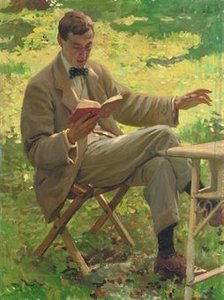
Alfred Munnings
1878 - 1959 , Wielka Brytania
Krótka nota
- Artistic Movement Or Style: Impressionizm
- Artists Or Movements Influenced By This Artist: ['Nowoczesność']
- Artists Who Influenced This Artist: ['Piotrowie Szkoła']
- Date Of Birth: 1878
- Date Of Death: 1959
- Full Name: Sir Alfred James Munnings
- Nationality: Brytyjski
- Notable Artworks:
- The Fancy Dress Ball
- A Piper
- Sky Study -
- Place Of Birth: Mendham Township, UK
Powiązane artykuły

Top 10 Sławnych Obrazów w Odcieniach Szaroniebieskiego – Inspiracje dla Wnętrz | OriginalUniqueArt.com
Odkryj 10 najsłynniejszych obrazów w odcieniach szaroniebieskiego! Poznaj historie Claude Moneta, Degasa i Van Gogha. Inspiracje wnętrzarskie i reprodukcje najwyższej jakości na OriginalUniqueArt.com – sztuka dla Twojego domu.
Claude Monet: 25 Najlepszych Arcydzieł Impresjonizmu | Reprodukcje Obrazów Online
Odkryj 25 najpiękniejszych arcydzieł Claude Moneta – impresjonistycznych pejzaży, nymfeii i słonecznych krajobrazów. Poznaj historię sztuki i zainspiruj się do dekoracji wnętrz z OriginalUniqueArt.com! Eksploruj pełną kolekcję online.
Capturing the Clouds: How Dramatic Sky Art Transforms Interior Spaces into Ethereal Sanctuaries
Transform interiors with the emotive power of cloudy sky art. For decorators seeking drama and depth, explore our hand-painted landscape reproductions and bespoke commissions. From Impressionist whispers to stormy horizons, create unforgettable, atmospheric spaces with ease.

Serene Blue Backgrounds: Discover Soulful Art to Transform Your Space with Timeless Elegance
Transform your home with soulful blue art. From serene Monet impressions to modern textured sculptures, discover curated masterpieces designed to inspire calm. Explore expert art consultations and bespoke hand-painted reproductions to create your personal sanctuary.
Błękit w Sztuce: Symbolika, Historia i Psychologiczne Oddziaływanie Koloru
Odkryj fascynującą historię błękitu w sztuce! Poznaj symbolikę, psychologię i wpływ tego koloru na arcydzieła renesansu i współczesne trendy. Ekspercka analiza dla miłośników sztuki.


