
 Podgląd w skali 1:1
 Wyślij jako kartkę
 Udostępnij
 Szczegóły dzieła
 Przewodnik

 Pobierz obraz
 Podobne obiekty
 RTG
RTG Pokaz slajdów
 Pytania i odpowiedzi
 Statystyki
Penitent St Jerome

- 39.0 x 32.0 cm


 Rozwiń treść
Giclée / Wydruk artystyczny
Wydruki giclée lub płótna o jakości muzealnej, szybka realizacja i szeroki wybór opcji wykończenia. ( Zamów ręcznie malowaną reprodukcję Przejdź do wersji cyfrowej)




P118B zł10

P118H zł10

P118W zł10

P438Z zł10

P508JH zł12

P508YH zł12

P805H zł10

P805Z zł10

P919BZ zł10

P919G zł10

P919XJ zł10

P959ZH zł10

P968JZ zł12

W106C zł8

W218G zł10

W218JH zł8

W218Y zł10

W307PJ zł10

W316G zł10

W316PJ zł8

W316Y zł10

W398PJ zł8

W4111J zł10

W500HY zł15

W500JH zł15

W692G zł12

W849H zł8

W940BG zł15

W953PJ zł8




Wybierz spośród naszych standardowych rozmiarów, które zachowują oryginalne proporcje dzieła sztuki.

Wpisz wymaganą szerokość i wysokość, aby dopasować grafikę do ramy lub ściany. Wydruk można jedynie przyciąć, nigdy nie powiększając go poza oryginalny obraz, dlatego format o innych proporcjach spowoduje utratę części kompozycji. Przed rozpoczęciem druku prześlemy Ci cyfrowy podgląd do zatwierdzenia. Obraz wyświetlany na tej stronie nie pokazuje rzeczywistego przycięcia — jedynie podgląd oddaje ten efekt.
Dostawa na cały świat () w ciągu 2 tygodni zamiast standardowych 4/5 tygodni. (12 Listopad)

Bezpłatna ekspresowa wysyłka na cały świat

Wysokiej jakości płótno lniane

Pełne ubezpieczenie przesyłki

Gwarancja zwrotu należności celnych i podatków importowych

Gwarancja wiernego odwzorowania kolorów

100-dniowa polityka zwrotów (tylko w przypadku wad)

Gwarancja 100% zwrotu pieniędzy

Zniżka przy zakupie wielu sztuk
 Opcja ze szkłem jest dostępna wyłącznie w rozmiarach poniżej 110 cm

Penitent St Jerome
Giclée / Wydruk artystyczny
Wymiary reprodukcji
-


Cena całkowita
zł 316
A Moment of Devotion: Simon Bening's "Penitent St. Jerome"
Simon Bening’s “Penitent St. Jerome,” painted around 1515, is more than just a depiction of a biblical figure; it’s a window into the spiritual sensibilities of the early 16th century and a testament to the exquisite skill of one of the last great Flemish miniaturists. This small but profoundly moving work, measuring only 39 x 32 cm, resides in the Monasterio de San Lorenzo, El Escorial, and offers a glimpse into a world where religious devotion was intricately woven with artistic expression.
The Narrative Within: Jerome's Journey
The scene portrays St. Jerome, renowned as a scholar, translator of the Bible (his Latin Vulgate being pivotal in Western Christianity), and a figure deeply committed to asceticism. Here, he is captured not amidst scholarly pursuits but in a moment of profound penitence. Kneeling within a richly detailed forest setting, his hands clasped in fervent prayer, Jerome embodies humility and supplication before God. The surrounding woodland isn't merely a backdrop; it’s an integral part of the narrative, symbolizing both the wilderness of spiritual trial and the potential for divine grace even in solitude. Two figures stand witness to this private devotion – one on the left, perhaps representing a disciple or fellow seeker, and another further back on the right, suggesting a broader community observing Jerome's piety. The presence of an animal—likely a lion, though sometimes interpreted as a dog—adds another layer of symbolism. In Christian iconography, lions often represent Christ’s strength and dominion, but here, its proximity to Jerome suggests taming of primal instincts through faith and spiritual discipline – a recurring motif in depictions of the saint.
Bening's Technique: A Masterclass in Miniature
What truly sets Bening’s work apart is his mastery of the miniature form. Executed in tempera on parchment, “Penitent St. Jerome” showcases an astonishing level of detail and precision. The artist’s meticulous brushwork brings the foliage to life, each leaf rendered with remarkable clarity. Observe how light filters through the trees, illuminating Jerome's figure and creating a sense of ethereal serenity. Bening was known for his innovative use of landscape within miniature painting, moving beyond mere background decoration to create evocative environments that enhance the narrative. This piece exemplifies this skill; the detailed rendering of the forest is not just visually appealing but also contributes significantly to the overall mood of contemplation and spiritual seeking. The influence of contemporary landscape artists like Patenier is evident in Bening’s approach, demonstrating a shift towards greater realism and naturalism within the genre.
Historical Context & Lasting Legacy
Created during the High Renaissance, “Penitent St. Jerome” reflects the era's renewed interest in classical learning and humanistic ideals, while remaining firmly rooted in religious tradition. Bening’s work represents a culmination of the Netherlandish artistic tradition, blending meticulous detail with expressive storytelling. As one of the last major artists within this lineage, he bridged the gap between medieval manuscript illumination and the emerging world of oil painting. His influence can be seen in subsequent generations of artists, particularly in the development of landscape art. Simon Bening (1483-1561), born in Ghent, Belgium, was a pivotal figure, training his daughters Levina Teerlinc and Alexandrine Claeiszuene to continue the family artistic legacy. His ability to capture both spiritual depth and technical brilliance ensures that “Penitent St. Jerome” remains a treasured masterpiece of early 16th-century art.
Pytania i odpowiedzi
Skąd pochodzą odwiedzający „Penitent St Jerome” – Simon Bening?
Statystyki dotyczące „Penitent St Jerome” – Simon Bening znajdują się na stronie Statystyki wyświetleń dzieła: obejmują one miesięczną liczbę odwiedzin danego dzieła, wizyty przy pracach artysty oraz podział ostatnich odwiedzających według krajów i języków.
Jaką popularność cieszy się "Penitent St Jerome" w obrębie nurtu High Renaissance Classicism?
„Penitent St Jerome” – Simon Bening jest klasyfikowane jako Recognized i należy do nurtu High Renaissance Classicism.
Czy dzieło "Penitent St Jerome" znajduje się w kraju swojego twórcy?
Nie – dzieło znajduje się poza granicami kraju artysty. Simon Bening urodził(a) się w Belgia, a oryginał dzieła „Penitent St Jerome” znajduje się w muzeum w Hiszpania.
Powiązane artykuły

Mastering Detail: A Guide to the Timeless Beauty and Technical Brilliance of Flemish Painting
Explore the exquisite precision of Flemish painting. From Jan van Eyck to Robert Campin, discover the revolutionary oil techniques and rich symbolism that defined the Northern Renaissance and continue to inspire fine art collectors today.

El Greco: 25 Arcydzieł Genialnego Malarza – Kolekcja dla Koneserów Sztuki i Wystroju Domu
Odkryj 25 arcydzieł El Greco – mistrza renesansu i manieryzmu. Poznaj historie, techniki i duchowość w jego obrazach. Reprodukcje najwyższej jakości na OriginalUniqueArt.com. Inspiracje do wnętrz i kolekcja sztuki online!

Simone Martini: Innovation, Spirituality & Courtly Refinement in Sienese Painting
Explore the captivating world of Simone Martini, a pivotal figure in Sienese painting & the International Gothic style. Discover his innovative techniques, spiritual depth, and lasting influence on early Renaissance art.

Mastering Drama and Light: A Definitive Guide to the Flemish Baroque Art Movement
Explore the dramatic brilliance of the Flemish Baroque movement. Discover how masters like Peter Paul Rubens utilized chiaroscuro and dynamic composition to redefine art history through light, shadow, and unparalleled emotion.
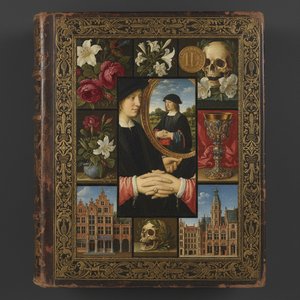
Mastering Detail: A Guide to the Timeless Beauty and Symbolic Precision of Flemish Art
Embark on a journey through the exquisite precision of Flemish Art. Discover the pioneering oil techniques, profound symbolism, and luminous realism that define the Northern Renaissance masters in this expert guide for art enthusiasts.