
 Podgląd w skali
 Wyślij jako kartkę
 Udostępnij
 Szczegóły dzieła

 Pobierz
 Podobne obiekty
 RTG
RTG Pokaz slajdów
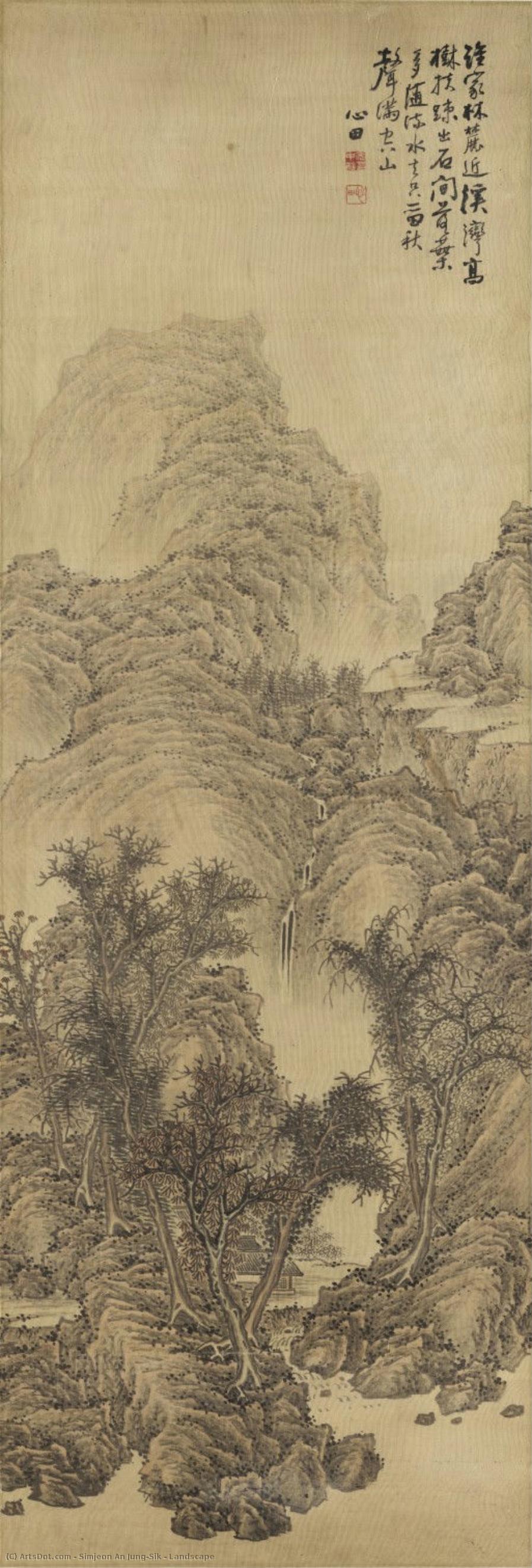
Landscape
 126.0 x 43.0 cm
 Horim Museum
 Rozwiń treść
Kup wysokiej rozdzielczości, ulepszony obraz cyfrowy o znacznie wyższej jakości niż podgląd online.
Każdy plik jest starannie przygotowywany przez naszych specjalistów przy użyciu zaawansowanych narzędzi oraz profesjonalnej, ręcznej retuszy. Dbamy o to, aby każdy obraz cechował się wyjątkową ostrością, precyzyjnym odwzorowaniem kolorów i subtelnymi detalami.
Ostateczny plik dostarczany jest drogą mailową w ciągu 72 godzin, zoptymalizowany do natychmiastowego wykorzystania w profesjonalnych zastosowaniach redakcyjnych i poligraficznych. To ta sama jakość, której ufają czołowe studia projektowe, wydawnictwa oraz galerie sztuki.
Obraz cyfrowy
Pobierz plik o wysokiej rozdzielczości do osobistego wyświetlania, druku oraz projektów kreatywnych. ( Zamów wydruk Zamów ręcznie malowaną reprodukcję)
W każdym zamówieniu na obraz cyfrowy znajduje się
Profesjonalna dostawa cyfrowa z gwarancją
Wybierając OriginalUniqueArt.com, nie otrzymujesz jedynie obrazu – otrzymujesz profesjonalnie udoskonalone cyfrowe dzieło sztuki, stworzone z najwyższą precyzją i objęte gwarancją satysfakcji. Oto wszystko, co automatycznie dołączane jest do Twojego zamówienia:

Błyskawiczna wysyłka e-mailowa
Plik z obrazem cyfrowym w wysokiej rozdzielczości zostanie przesłany na Twój adres e-mail w ciągu 72 godzin od złożenia zamówienia – gotowy do natychmiastowego użycia.

Plik cyfrowy wzbogacony przez AI
Twoja grafika została profesjonalnie zoptymalizowana przy użyciu zaawansowanych narzędzi AI oraz ręcznej edycji, co zapewnia maksymalną szczegółowość, klarowność i wierność kolorów.

Dożywotnia darmowa ponowna dostawa
Przypadkowo usunąłeś lub zgubiłeś swój plik? Bez obaw – prześlemy go Tobie ponownie w dowolnym momencie, bez żadnych opłat.

Bez opłat importowych – zawsze
Ciesz się swoją sztuką natychmiast, bez żadnych opłat celnych, należności ani kosztów dostawy – pliki cyfrowe są zawsze wolne od podatku.

Gwarancja wierności kolorów
Dzięki zastosowaniu profesjonalnych narzędzi i procesów zarządzania barwą zapewniamy, że Twoje cyfrowe zdjęcie odzwierciedla oryginalne kolory tak wiernie, jak to tylko możliwe.

60-dniowa gwarancja satysfakcji
Jeśli nie będziesz zadowolony ze swojego cyfrowego obrazu, dokonamy jego poprawki lub zwrócimy 100% kosztów w ciągu 60 dni – bez żadnych pytań.

100% Gwarancja zwrotu pieniędzy
Nie jesteś zadowolony? Otrzymaj pełny zwrot kosztów w ciągu 60 dni od otrzymania pliku cyfrowego – bez zbędnych pytań.

Rabaty przy zamówieniach hurtowych
Kup 3 obrazy, oszczędź 10% - Kup 5, oszczędź 15% - Kup 10+, oszczędź 20%. Idealne do projektów kreatywnych, galerii i agencji.
Biografia artysty
Frederic Remington: A Chronicle of the American West
Born in Canton, New York, in 1861, Frederic Sackrider Remington’s life and art were inextricably linked to the vast, rapidly changing landscape of the American West. His early years, steeped in the traditions of his family – a prominent lineage of hardware merchants and newspaper publishers – provided a unique foundation for his future endeavors. His father, Seth Remington, was a Civil War veteran and journalist, instilling in young Frederic a deep appreciation for storytelling and observation, skills that would prove invaluable as he sought to capture the spirit of frontier life. This familial influence, combined with a childhood spent exploring the natural world – hunting, fishing, and hiking throughout upstate New York – ignited an enduring fascination with the West’s rugged beauty and its inhabitants.
Remington's formal artistic training was surprisingly limited. He eschewed a traditional college education after his father’s death in 1880, opting instead to pursue his passion directly. He spent three months at the Art Students League in New York City in 1886, supplemented by a brief stint studying drawing with John Henry Niemeyer at Yale University. This lack of formal instruction, however, didn't hinder his development; rather, it fostered an independent and intensely personal style, rooted in direct observation and a profound understanding of the subjects he depicted.
Early Career and Illustrative Success
Remington’s career began to gain momentum through his illustrations for *Harper’s Weekly*, a prestigious periodical that provided him with a national platform. His evocative sketches of cowboys, Native Americans, and cavalrymen quickly captivated readers and established his reputation as a skilled storyteller. These early works weren't merely depictions of the West; they were carefully constructed narratives, imbued with a romanticized vision of frontier life – a blend of adventure, hardship, and stoic resilience. He skillfully employed dramatic lighting and dynamic compositions to convey a sense of immediacy and excitement, drawing heavily from the academic painters of France, particularly Ernest Meissonier and Édouard Detaille, whose techniques he adopted for their ability to capture movement and emotion.
Remington’s illustrations were immensely popular, appearing in forty-one periodicals between 1885 and 1913, including *Century Magazine*, *Collier's*, and most notably, *Harper’s Weekly*. He also illustrated books by prominent authors such as Henry Wadsworth Longfellow, Owen Wister, Francis Parkman, and Theodore Roosevelt – a testament to his growing influence and recognition within the literary world. His work wasn’t simply decorative; it actively shaped public perception of the West, contributing significantly to the romanticized image that would dominate American culture for decades.
Transition to Painting and Sculpture
While illustrations brought him initial success, Remington always considered himself primarily a painter. He began exhibiting his paintings at the National Academy of Design in 1887, steadily developing a distinctive style characterized by bold brushstrokes, dramatic lighting, and a focus on narrative detail. His early paintings often reflected the influence of academic traditions, but he gradually developed a more personal approach, incorporating elements of tonalism – an emphasis on subtle gradations of tone to create mood and atmosphere.
Around 1891, Remington turned his attention to sculpture, initially experimenting with sand casting techniques. He later mastered the lost wax process, allowing him to create remarkably detailed and expressive bronze figures. His sculptures, like his paintings, captured the essence of Western life – cowboys, Native Americans, soldiers, and horses – imbued with a sense of power, dignity, and vulnerability. The influence of Charles Courtney Curran, a contemporary artist who was also experimenting with sculpture at the time, is evident in Remington’s later work.
Later Years and Legacy
Remington's travels throughout the American West during his career provided him with invaluable firsthand experience and inspiration. He documented his journeys through sketches, photographs, and written accounts, continually refining his understanding of the region and its people. His experiences as a war correspondent in Cuba during the Spanish-American War profoundly impacted his perspective, leading to disillusionment with the realities of conflict and influencing his later artistic themes.
Despite facing health challenges in his final years, Remington continued to work prolifically until his death in 1909. His legacy as America’s most popular nineteenth-century artist is firmly established, largely due to his evocative depictions of the West's frontier spirit and his skillful blending of storytelling, observation, and artistic technique. His works continue to resonate with audiences today, offering a glimpse into a bygone era and reminding us of the enduring allure of the American West.
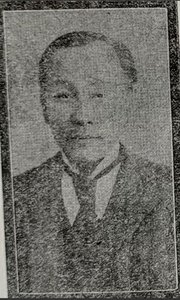
simjeon an jung-sik
1861 - 1919 , South Korea
Krótka nota
- Artistic Movement Or Style: Western American Art
- Artists Or Movements Influenced By This Artist:
- George Catlin
- Theodore Roosevelt
- Artists Who Influenced This Artist:
- Ernest Meissonier
- Édouard Detaille
- Date Of Birth: October 4, 1861
- Date Of Death: December 26, 1909
- Full Name: Frederic Sackrider Remington
- Nationality: American
- Notable Artworks:
- A Dash for the Timber
- The Bronco Buster
- Place Of Birth: Canton, New York, USA

